What data says about parenthood in 2020

Written by:
March 16, 2020
Monkey Business Images // Shutterstock

What data says about parenthood in 2020

It's been said that it takes a village to raise a child. In the 21st century, that proverbial village takes the form of how-to books, viral "momfluencers" and Google.

Parenthood is a chapter in life that many adults enter into feeling entirely unprepared. And while there are a number of resources intended to help new parents make sense of everything they encounter on their journey through parenthood, the reality is that nothing really teaches someone to be a parent better than simply being a parent. One major reason for this is that, as the world changes, parenting techniques must adapt to change with it. In 2020, a new mother might take comfort in knowing that she can turn to her own mom for advice on parenting, but she may soon realize that the society in which she's raising her children isn't the same as the one in which her mother raised her.

While today's parents are faced with the usual things that come with parenthood 鈥 changing diapers, driving carpool, creating a loving home and so forth 鈥 their responsibilities are also unique to the current era. Today's parents have to think about things like how to have conversations with their children about climate change, or how they want to bring up children in an era where gender-neutral parenting is on the rise. While modern parenthood comes with its advantageous perks (e.g., more women are openly discussing their struggles with issues like postpartum depression), it just as easily comes with unprecedented challenges (e.g., combating screen time and ensuring safe internet use in the digital era).

To better understand the unique experience of parents today, 麻豆原创 compiled a list of data points and statistics from recent years that have shaped the state of parenthood in 2020. We looked at census reports, surveys, research studies and news articles to identify parenting trends that have evolved over the years and ones that are on the horizon. Read on to learn more about the 25 things data says about parenthood in 2020.


1 / 25
ohhi // Shutterstock

Most parents would rather keep parenting tips in the family

Only about 12% of parents feel prepared when they first have children, according to 2020 survey data from diaper-rash company . Despite a wealth of external resources aimed at helping new parents prepare for the milestone, however, nearly half of all parents agree that they tend to turn to family members before looking for answers elsewhere. Specifically, 42% of new parents would turn to their partner and 41% would turn to their mother before seeking information from a nonfamilial source, with the third most popular source of information being other parents.

2 / 25
shurkin_son // Shutterstock

Almost 20% of parents look for advice on the internet

While nearly 50% of parents agree that family is the primary go-to as far as advice goes, the internet is another major resource for parents looking for tips and support. According to the same survey from Boudreaux鈥檚 Butt Paste, about 17% of parents go online for parenting information, with 10% turning to social media. Online resources like and the 鈥擨nstagram users who impart parental wisdom and encourage public conversations about once-private elements of motherhood鈥攁re all considered valuable sources of information for parents in the digital age. Unfortunately, there remains a strong divide whereby parents from higher socio-economic backgrounds have better access to these internet resources than those from lower-income families. According to , 92% of households making more than $75,000 annually had home broadband in 2019, but only 56% of those making less than $30,000 annually had internet at home.

3 / 25
LightField Studios // Shutterstock

Authoritative parenting tops the list of preferred styles

The preferred parental style of most parents today is an authoritative style, according to data collected from the Boudreaux鈥檚 Butt Paste 2020 parenting survey. This parenting style calls for parents to be firm in the rules and boundaries that they set for their children while still maintaining a sense of empathy. Of the identified by psychologist Diana Baumrind鈥攖he other three are authoritarian, neglectful and permissive鈥攃hild development experts have long agreed that .

4 / 25
David Pereiras // Shutterstock

Parents are taking advantage of the gig economy

Parents juggling work and raising their children have taken advantage of the modern age鈥檚 gig economy. Remote or flexible jobs from apps and websites like Upwork, Uber and FlexJobs offer an easy way for parents to shape work schedules around their children in some capacity, which is important given that after taking time off. The gigs of the gig economy are not without their faults, though, and one of the .

5 / 25
Evgeny Atamanenko // Shutterstock

Parents splurging on skincare products for kids

Though the thought of skincare might sooner conjure up ideas of a 20- or 30-something going through their facial routine every evening, 2020 may be the year that it brings about thoughts of babies and children, too. New products like 鈥攁 step-by-step skincare routine for children that mimics the 1-2-3 skincare sets often marketed to adults鈥攁re starting kids off early with establishing a face routine. Parents don't seem to mind, though 鈥 statistics show that over themselves.

6 / 25
Oksana Kuzmina // Shutterstock

New research gets behind the importance of 鈥減arentese鈥

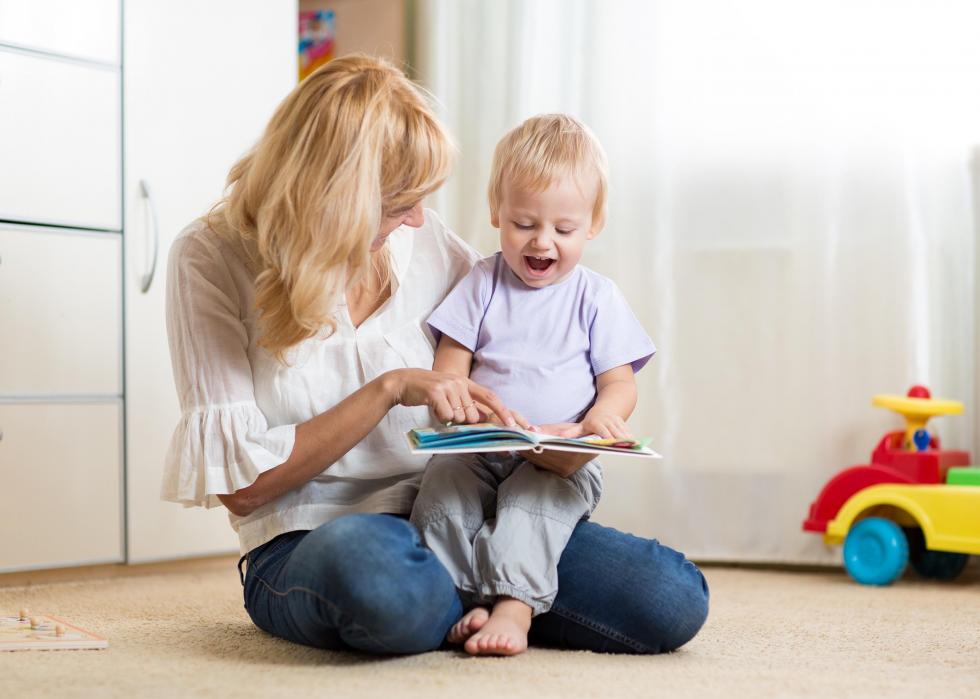
While baby talk may not necessarily have the most positive reputation, recent research has confirmed that another mode of talking to babies鈥斺漰arentese鈥濃攃ould play an important role in children鈥檚 vocabulary development. found that parents鈥 and adults鈥 alterations in their speech when talking to babies, such as the use of exaggerated vowel sounds, actually helps develop children鈥檚鈥 vocabulary at a faster rate.

7 / 25
Monkey Business Images // Shutterstock

Americans are having fewer children

Childbirth rates in the U.S. have been on the decline for several years, and 2020 is not poised to be any different. However, the lack of children is less a product of desire and more of circumstance. While recent statistics have shown that , some of their biggest concerns when it comes to starting a family include the high cost of childcare, a lack of time to dedicate to children, and fears about the future of the economy.

8 / 25
bbernard // Shutterstock

The 鈥渟andwich鈥 generation is struggling with mounting financial burdens

Parents today are in a unique position in which their financial burdens are not limited to their children, but include their parents as well. As medical advancements create longer life expectancies, adults in their 40s and 50s with children of their own are finding themselves 鈥渟andwiched鈥 in between two generations for which they are financially responsible. About 12% of Americans are in a position where they are caring for children as well as aging parents, according to . A to better understand the effects of the sandwich generation found that 32% of parents have made financial sacrifices to care for their family members, while 28% have had to make sacrifices in their careers.

9 / 25
matimix // Shutterstock

Parents are pulling back on activities for their children

It used to be that the more activities parents could get their children involved in, the better, especially in a competitive era where some parents attempt to groom their children for top tier college acceptances and successful careers from an early age. This mentality has always been especially prevalent with parents who have the financial means to support activities including summer camps, music lessons or (which, in January 2020, actually increased its membership fees by 80%). However, as these , and come into question amongst experts who warn against the negative effects they can have on children鈥檚 socialization, they鈥檙e starting to lose steam. Statistics show that about .

10 / 25
Juan Aunion // Shutterstock

Compulsive screen use is getting more attention

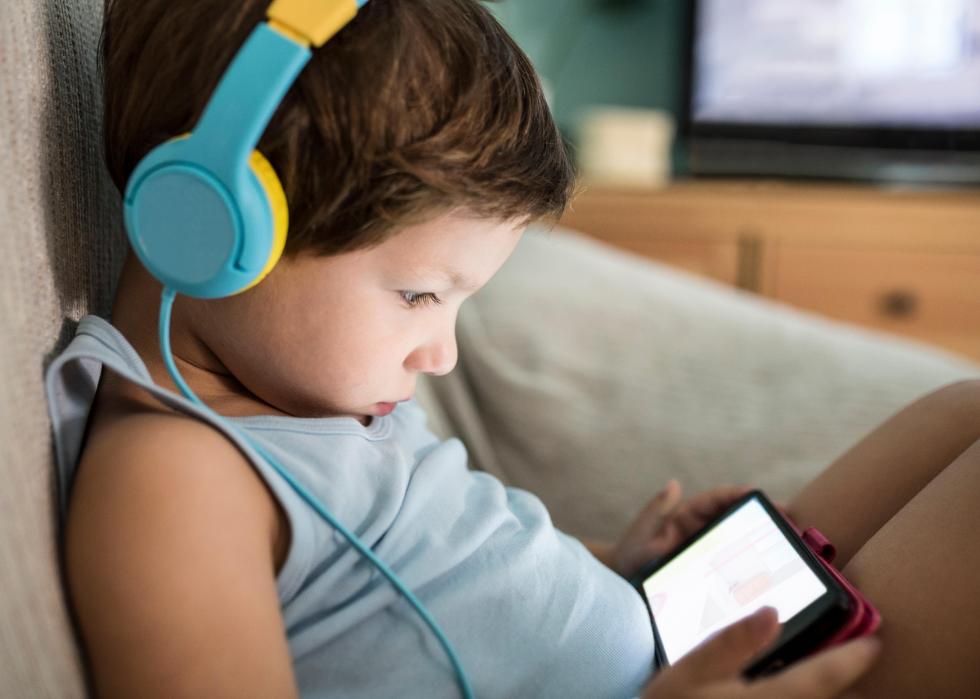
About 65% of parents worry that they give their kids too much screen time, according to the Boudreaux's Butt Paste 2020 parenting survey. In 2020, however, that might become a question that pediatricians can address with more accuracy. is aiming to better understand the signs of compulsive screen use in children, so that questionnaires to help parents assess their children's digital habits can become more straightforward and commonplace.

11 / 25
pikselstock // Shutterstock

More dads are becoming stay-at-home parents

In traditional nuclear families, it has often been the mother who stays home with the kids while the father works to earn a living for his family. In more recent years, roles have shifted. In 2016, 7% of fathers were , up from just 4% in 1989 and representing about 17% of all stay-at-home parents in 2016. That same year, only about a quarter of U.S. couples were dependent solely on a father鈥檚 income, which is a major dip from decades earlier in 1970, when that number was closer to 50%.

12 / 25
FINDELMUNDO // Shutterstock

Parents are raising gender-neutral babies

A poll by the J. Walter Thompson marketing group found like they used to. This marks a significant shift in the societal view of gender identities in general, which has in turn played a role in parenting norms. Recent years have seen a rise in awareness around gender-neutral parenting, . In addition to a rising use of gender-neutral names in past years, gender-neutral parenting has given rise to more and more parents nixing gender reveal parties, opting for non-gendered clothing and using gender-neutral pronouns. Proponents of this approach to parenting argue that it does right by children who grow up to be gender non-conforming or non-binary; others argue

13 / 25
makalex69 // Shutterstock

Gender-neutral toys are becoming the new norm

As gender-neutral parenting becomes a major focus for parents, there鈥檚 a movement toward applying the same approach to playtime. Gender-neutral toys have been a major example of how changing ideas of gender identity are being reflected in the tangible items that today鈥檚 children interact with regularly. For example, This new attitude is being reflected in some states鈥 government policies, as well. In California, for example, in children鈥檚 stores, where parents can find gender-neutral toys and clothing.

14 / 25
Impact Photography // Shutterstock

Parents still struggle to address race and gender with their children

Recent decades have seen a wide shift in conversations around race, gender and identity around the world. Even so, the vast majority of parents admit to still having trouble engaging in important conversations about race and gender with their children. The 2019 found that only about 10% of parents discuss race with their children, with only 6% of those who do being white and 22% of those who do being black. Thirty-five percent of parents in the same survey said that they don鈥檛 really have conversations with their children about social class, and 57% rarely or never address gender.

Experts agree, however, that unless these critical conversations begin in the home at an early age, children struggle to engage in them outside of the home.

15 / 25
Rawpixel.com // Shutterstock

Homeschooling is at an all-time high

In recent years, increasing incidents of school-based violence, including , have incited major fear throughout the country. While parents struggle to find ways to ensure the safety of their children, one product of that fear has been a drastic rise in the number of parents choosing to homeschool their children. With interest in at-home schooling at an all-time high (up to 13% of parents would opt for homeschooling in 2019, up from 5% in 2012, according to the 2019 . Around 24% of parents in favor of homeschooling said they prefer it because of its safer environment.

16 / 25
Kichigin // Shutterstock

Single-parent households dominate in the U.S.

As recent decades have seen declining numbers of marriages, they鈥檝e concurrently seen a rising number of single-parent households. report found that around 23% of U.S. children under the age of 18 live with a single parent or guardian. Of the 130 countries in the study, the U.S. ranks highest for single-parent households, which often come with a higher level of financial stress due to the single income. Of the single-family households in America,

17 / 25
topimages // Shutterstock

Breastfeeding resources are improving in the workplace

Access to adequate breastfeeding resources in the workplace has long been a dilemma for new mothers, and while recent years have seen a number of developments, there is still some progress to be made. Around 80% of new mothers had a designated, private space to express milk while at work, while two-thirds had break times to do so, according to a released in January 2020. Still lacking is access to lactation consultants and subsidized equipment like breast pumps, neither of which is required by federal regulations.

18 / 25
ESB Professional // Shutterstock

There is growing support for postpartum depression

Despite the fact that nearly 20% of new mothers experience postpartum depression after having a child, there have often been few resources for women to deal with this condition or learn how to cope. As conversations around postpartum depression have become more open in recent years, that shift is started to change government policies, too. In New York City, for example, run by that will offer every first-time parent in the city access to at-home visits from health professionals.

19 / 25
antoniodiaz // Shutterstock

Moms are discussing formerly taboo topics openly

The rise of the internet and 鈥渕omfluencers鈥 has had a significant impact on the way modern parents converse about topics that were once considered private or embarrassing to talk about in public. Bloggers like Heather B. Armstrong, who runs the popular blog , was one of the first to begin shifting how women discussed their experiences with motherhood by creating a sense of community around mothers鈥 stories. Today, the openness with which women discuss things like and is considerably greater than it was a decade ago.

20 / 25
Gayvoronskaya_Yana // Shutterstock

Parents are rethinking baby food

As parents try to make sure that their children are getting the best nutrition possible, there has been a general movement away from mass-market baby foods towards the rising trend of organic food offerings. 鈥 above cost and flavor 鈥 is the nutritional value, with around 60% limiting children's access to sugar, according to data from BabyCenter Brand Labs Insight. Most recently, the search for alternative baby food options has been spurred by an October 2019 report from that noted that nearly 95% of baby foods contain toxic metals.

21 / 25
Luca Lorenzelli // Shutterstock

Reform is close for U.S. paid family leave policies

The state of parental leave policies in America has long been a topic of contention for parents. While several states in the country have state-mandated parental leave policies, a comparing leave policies in 41 countries showed that the U.S. was the only nation that didn鈥檛 have an official parental leave policy on the federal government level. In December 2019, however, that gave federal workers in the U.S. 12 weeks of paid parental leave was passed by the Senate, marking the beginning of in regard to nationwide parental leave policies.

22 / 25
Olena Yakobchuk // Shutterstock

Most parents don鈥檛 spend quality time with their partners

Parenthood is a full-time job鈥攕o much so that most American parents rarely have time to spend with their partner anymore. About 70% of Americans say that their romantic relationship with their partner dwindled after having kids, according to . About 30% of the survey鈥檚 2,000 participants said that they couldn鈥檛 remember the last time that they had a romantic date with their partner.

23 / 25
goodluz // Shutterstock

Millennials expect parents to help them buy a house

As more and more millennials and Gen Z-ers find themselves in less-than-ideal financial situations, the result has been a growing number of young adults who are still largely dependent on their parents for financial security. While in many cases this means returning home after college or living at home for a longer period of time, most recent data suggests a new expectation: 鈥攁nd 18% of parents are reportedly willing to do it, even if it means putting off retirement.

24 / 25
Georgejmclittle // Shutterstock

Child-tracking tech is causing trouble

While location tracking is hardly a new concept, the use of devices that help parents track their children鈥檚鈥 whereabouts is a relatively new application of the technology鈥攁nd quite a controversial one at that. While , there has been rising popularity in recent years of gadgets like the Gizmo and the Jiobi that are meant to track the movement of younger children. Though these technologies are intended to offer peace of mind to parents and provide a level of safety aversion, they also come with a level of scrutiny, including

25 / 25
Halfpoint // Shutterstock

Parents are talking to children about climate change

With conversations and news around climate change often offering a bleak outlook on the future of the environment, one of the effects has been a significant hit to children's' overall emotional and mental wellness. A found more than half of American teenagers are either scared (57%) or angry (52%) about the effects of climate change. With a growing number of children feeling pessimistic about the future of the planet, as well as engaging in hands-on activities with them to help make a difference.

Trending Now