Arizona is the #3 state with the most historic sites at risk of flooding
Arizona is the #3 state with the most historic sites at risk of flooding
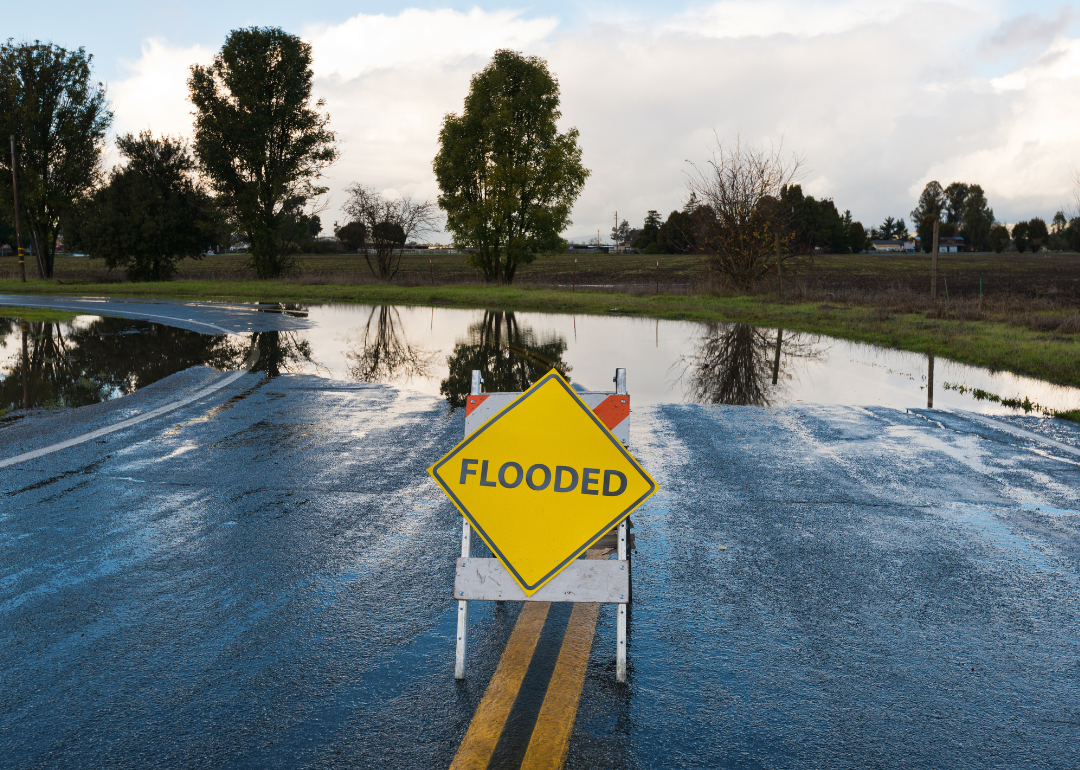
Rising sea levels. Runoff from rapidly melting snow and ice. Rivers and streams overflowing their banks. As climate change continues to wreak havoc on the environmental norms humans widely take for granted, the frequency and severity of extreme weather has increased on a global scale. Floods, the most common and fatal natural disasters in the U.S., continue to get more destructive. Catastrophic flooding events once thought to occur every 100 years . And the are projected to grow by roughly 45% by the end of the century.
Because of the deterioration and fragility of historical buildings, as well as long-term degradation of the natural environment around these structures, historic sites are often at serious risk of flooding. identified historic buildings of national significance across the U.S. located in census tracts with very or relatively high risk of flooding, using data from and the. The National Park Service outlines for what makes a historic building on the registry nationally significant, a less rigorous designation than being considered a National Historic Landmark. FEMA calculated the risk of flooding for each census tract by combining geospatial and historic flood-event data from the and . For each state, a maximum of three historic sites are listed in order of their flood risk, though many states have more at-risk sites in total. Colorado, Connecticut, and Idaho did not have nationally significant sites on the registry located in high-risk flood regions; as such they are absent from the national list.
Keep reading to see which historic sites are at risk of flooding in your state, or explore the national list with an interactive map here. 麻豆原创 is also publishing the raw data it merged to produce this story, available on and .
Arizona by the numbers
- Historically significant buildings with risk of river flooding: 24
--- Brigham City, Winslow (very high risk)
--- Gila Pueblo, Globe (very high risk)
--- Harquahala Peak Observatory, Wenden (very high risk)
From the observatory at Harquahala Peak, one can reportedly see California, Nevada, and Mexico. The high elevation and views inspired the to build the Harquahala Peak Observatory to study the sun in 1920. Only in use for 25 years, the building is now and accessible via hiking trail. Because of the high elevations of the surrounding mountains, as well as a , the town of Wenden is susceptible to flooding.
Now that you know how many sites are at risk in your state, continue reading to see which states have the most historic sites at risk of flooding.
States with the most historic sites at risk of flooding
1. Florida: 32 historically significant buildings with risk of flooding
2. New York: 28 historically significant buildings with risk of flooding
3. Arizona: 24 historically significant buildings with risk of flooding
4. Pennsylvania: 22 historically significant buildings with risk of flooding
5. Texas: 21 historically significant buildings with risk of flooding