10 once-iconic fashion brands that no longer exist

Written by:
January 13, 2022
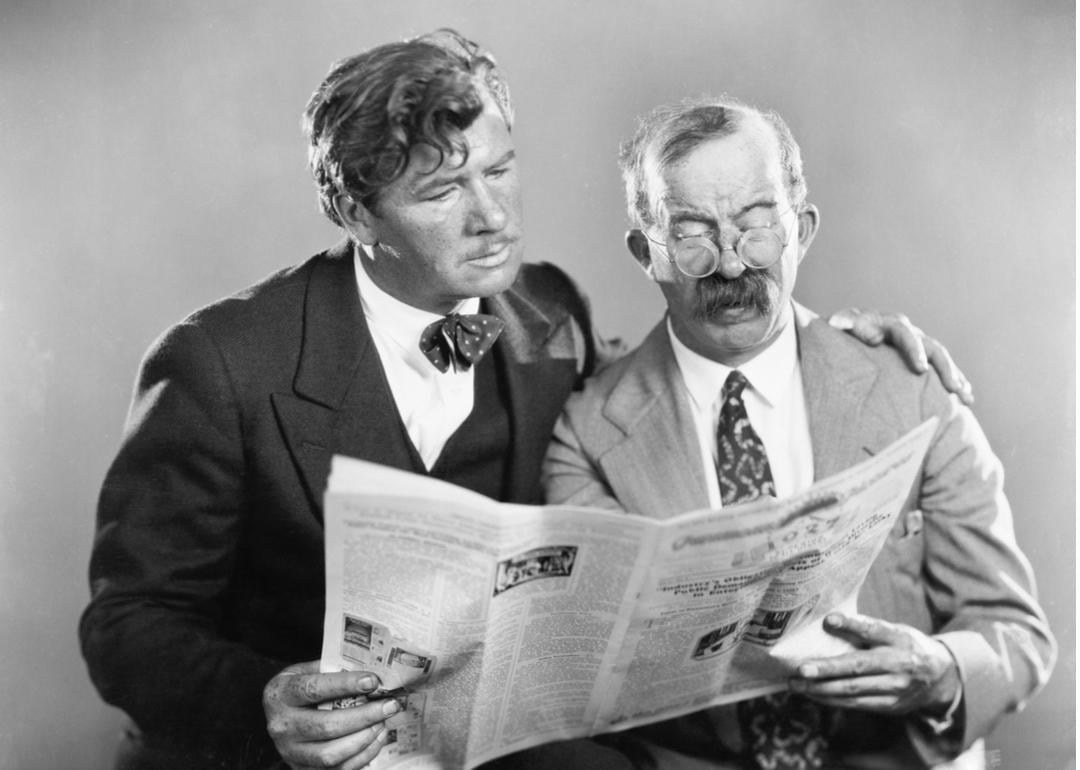
Angus B. McVicar / Wisconsin Historical Society // Getty Images

This story originally appeared on Thrilling and was produced and distributed in partnership with 麻豆原创 Studio.

10 once-iconic fashion brands that no longer exist

What makes fashion iconic鈥攁 specific design? The longevity and evolution of a brand? The cultural climate into which a piece or style is born?

The most influential fashion brands and designers stand the test of time, having occupied distinctive places in fashion history. These icons enjoyed the unique experience of influencing a generation (or several). Whether bohemian brilliance, practical sets inspired during wartime, or the indomitable little black dress, these looks made lasting impacts. But despite their zeniths, styles inevitably come and go.

No matter the length of the brand鈥檚 life or the fact that they now cease to exist, they meant something to those who wore them鈥攆rom the celebrities who donned couture for awards shows and galas to those of us who still keep them hung in our closets to be worn for work or play. To remember and celebrate these labels, compiled a list of 10 once-iconic fashion brands that no longer exist. The collection was curated using sources that include Smithsonian Magazine, Vogue, and the New York Times.

Keep reading to learn more about some of the biggest names in fashion history鈥攁nd find out what made them disappear.
1 / 10
Denver Post via Getty Images

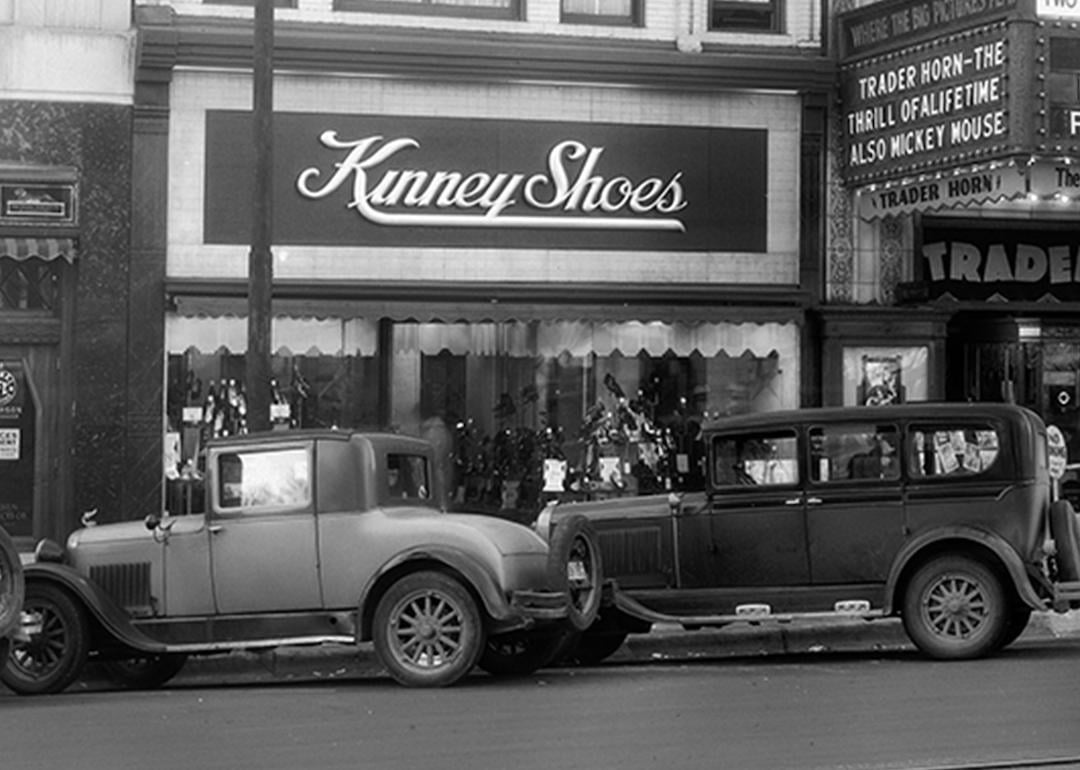
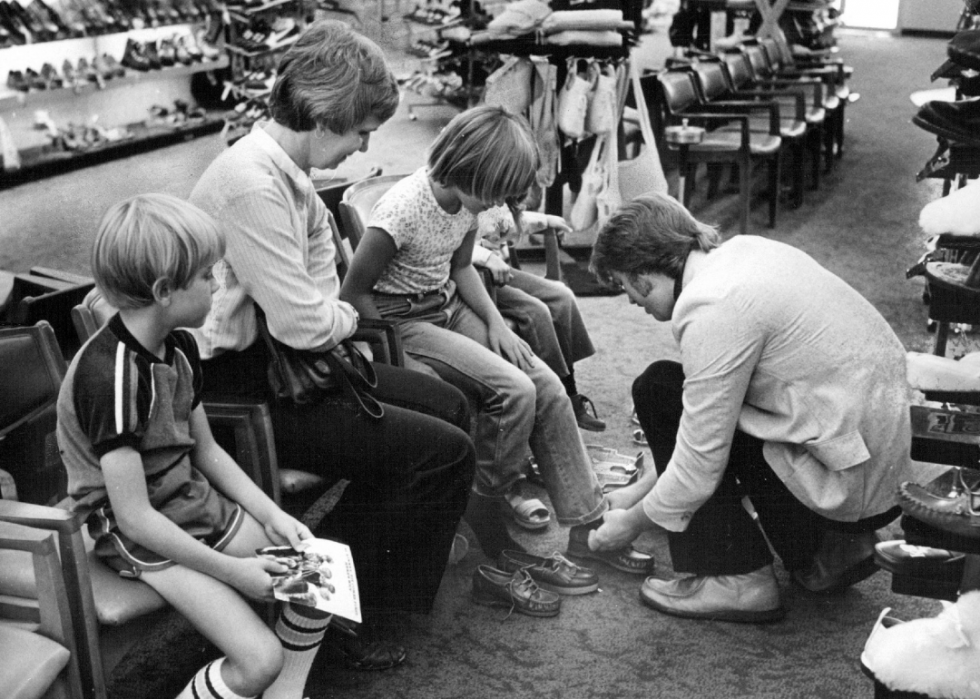
Kinney Shoes

Originally a family-owned shoe store, Kinney Shoes was started by George Romanta Kinney in Waverley, New York, in 1894. The Brown Shoe Company bought the business in 1956, followed by F.W. Woolworth (later Venator Group) purchasing the brand in 1963.

The shoe brand carried a line of men鈥檚, women鈥檚, and children鈥檚 casual and dress shoes including athletic shoes like the Kinney NBA鈥檚 and a brand for young girls, .  Reasonably priced and widely available, the store was profitable for decades before due to plunging sales in 1998.

While Kinney Shoes are no longer available, the brand lives on for the many generations of shoppers who were accustomed to seeing the store in local malls and having an attentive salesperson take the time to measure their feet and help them find the perfect pair of shoes.

2 / 10
Denise Truscello/WireImage via Getty Images

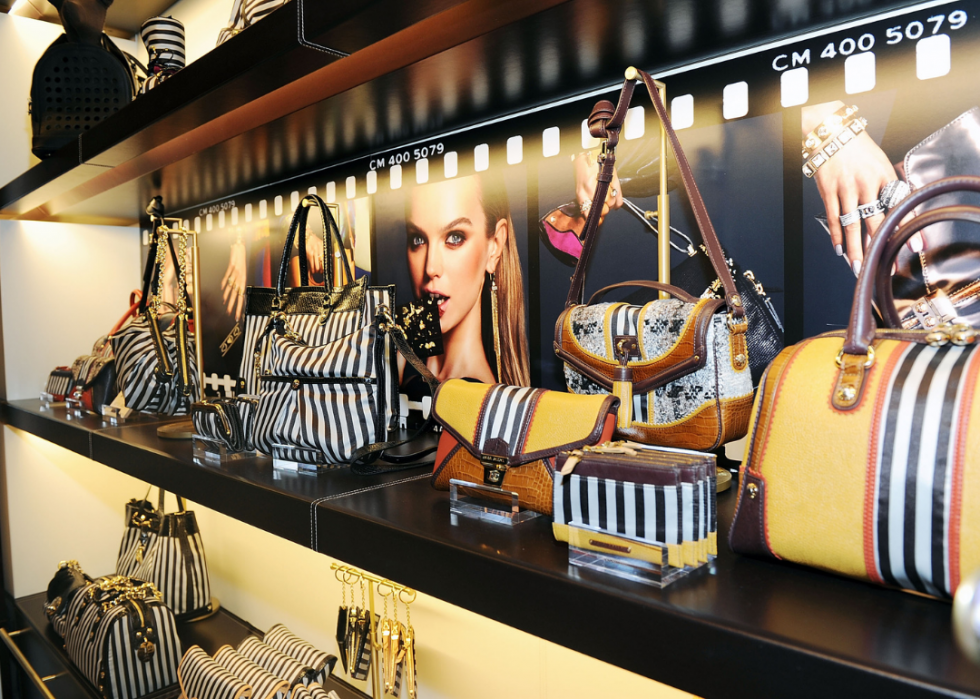
Henri Bendel

Luxury retailer Henri Bendel was around for 123 years and originally sold hat boxes and bags. L Brands acquired the company in 1985. By 2019, all 23 stores鈥攊ncluding the iconic flagship store on Fifth Avenue in New York City鈥攃losed down along with its website, effectively ending the brand鈥檚 reign.

Henri Bendel's flagship location was responsible for many , like having a fashion show and a semi-annual sale. Henri Bendel sold handbags, jewelry, sunglasses, and other accessories. The retailer stopped selling clothing when L Brands purchased it in the 鈥80s. Bendel was only a small part of L Brands鈥 retail portfolio, and they cited sluggish sales as the reason for shuddering the long-standing brand.

3 / 10
Syndication/Mirrorpix/Mirrorpix via Getty Images

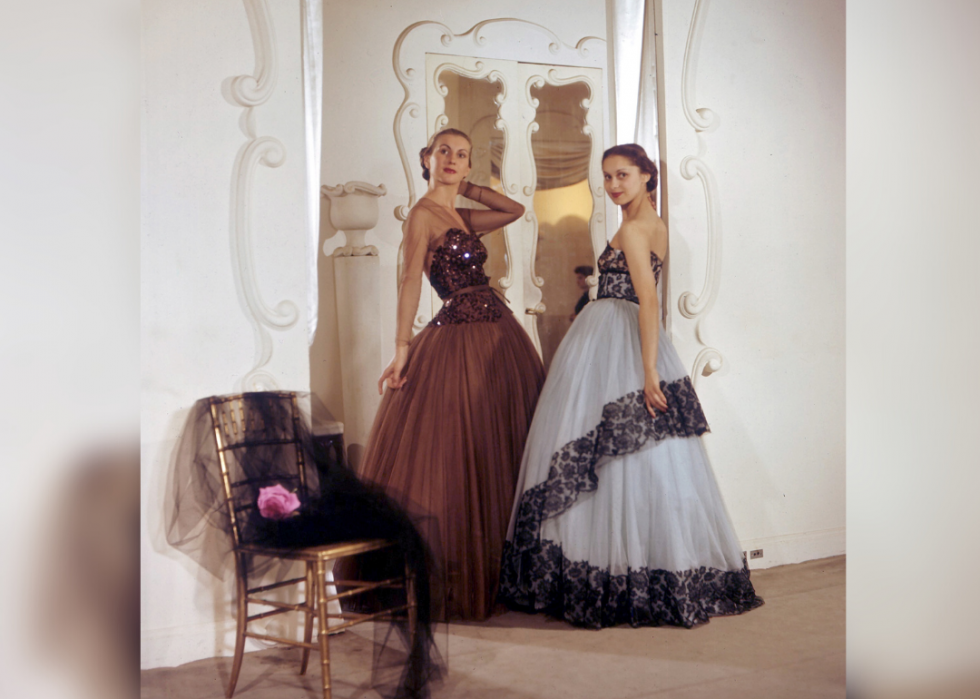
Jacques Fath

Jacques Fath was considered one of the great French designers of the time who, after the second world war, brought life back to the Paris fashion industry. Plunging necklines, hourglass-shaped garments, and pleats along with bold patterns became Fath鈥檚 fashion signature. Fath鈥檚 career was cut short when he died in 1954 of leukemia. He was just 42.

At the time of his death, Fath's fashion line was still flourishing and his wife, Genevi猫ve Fath, took over鈥攖hough she eventually shut down the fashion portion of the business. The perfume and accessory segment of Fath鈥檚 business remained in operation until 1992, having been acquired by a series of different companies throughout the years.

4 / 10
Genevieve Naylor/Corbis via Getty Images

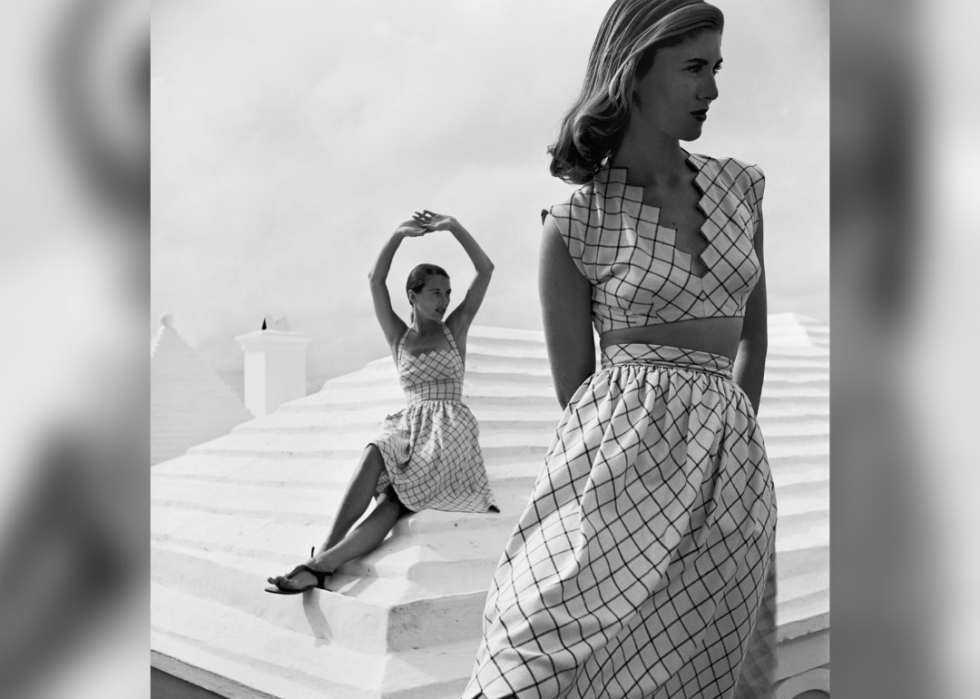
Claire McCardell

During World War II, busy women saw Claire McCardell鈥檚 designs as sensible, comfortable, and fashionable. The versatile  was invented by McCardell in 1942, and the bias-cut dresses she created included practical features like side pockets and adjustable waistlines.

A pioneer of the 鈥淎merican Look,鈥 McCardell鈥檚 designs featured slim dirndl skirts, ballerina leotards, and stretchable, forgiving, and affordable fabrics like denim and wool jersey. From business suits to sportswear, McCardell designed a variety of looks, though a few truly stood out. The 1950  she designed made it to a collection held at the Smithsonian鈥檚 National Museum of American History, and the designer created a pair of signature . After McCardell鈥檚 1958 death from cancer at 52 years old, her family shut down the label, feeling it would be impossible to keep things going without McCardell at the helm.

5 / 10
PA Images via Getty Images

Thea Porter

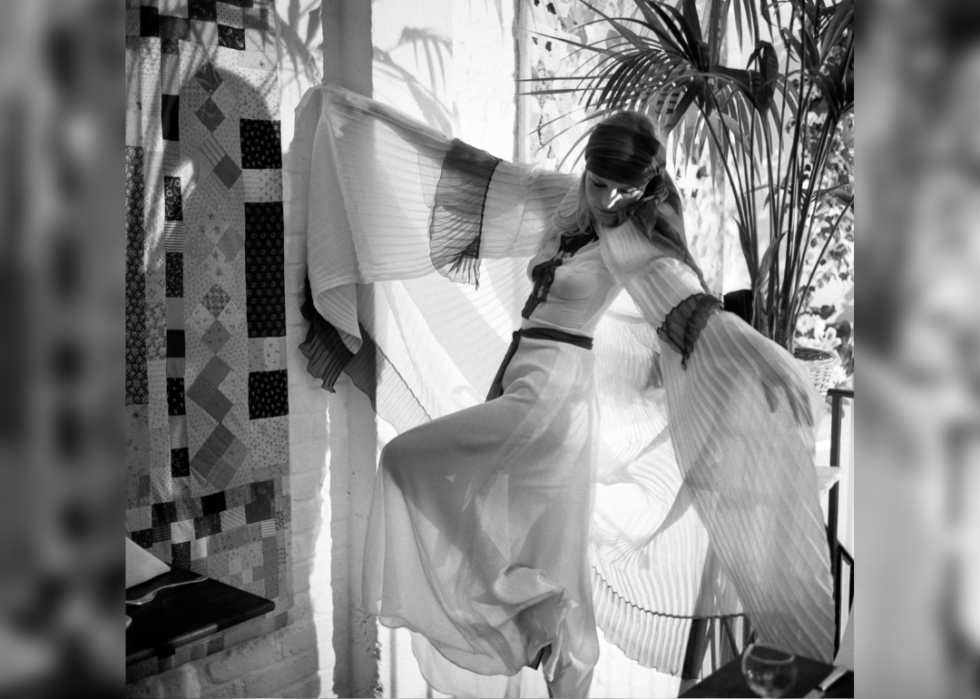
Thea Porter is known for inspiring the Bohemian look of the '60s and '70s and bringing it to catwalks in London. By 1969, Henri Bendel had become her first wholesale client. The designer opened her first store in 1971 in New York, and though it closed, along with a store in Paris, her designs were sold in several high-end boutiques.

Porter's look included loose and flowy kaftans that appealed to celebrities like Elizabeth Taylor and Faye Dunaway. Porter鈥檚 menswear collection drew approval from Pink Floyd and Elton John and featured embroidered jackets and bold shirts. One of her most iconic designs remains the aghabani shirtdress, also referred to as the 鈥済ipsy鈥 dress. While her clothing fell out of fashion in the 鈥80s and 鈥90s, many still wear vintage Thea Porter clothing.

6 / 10
Justin de Villeneuve/Hulton Archive/Getty Images

Bill Gibb

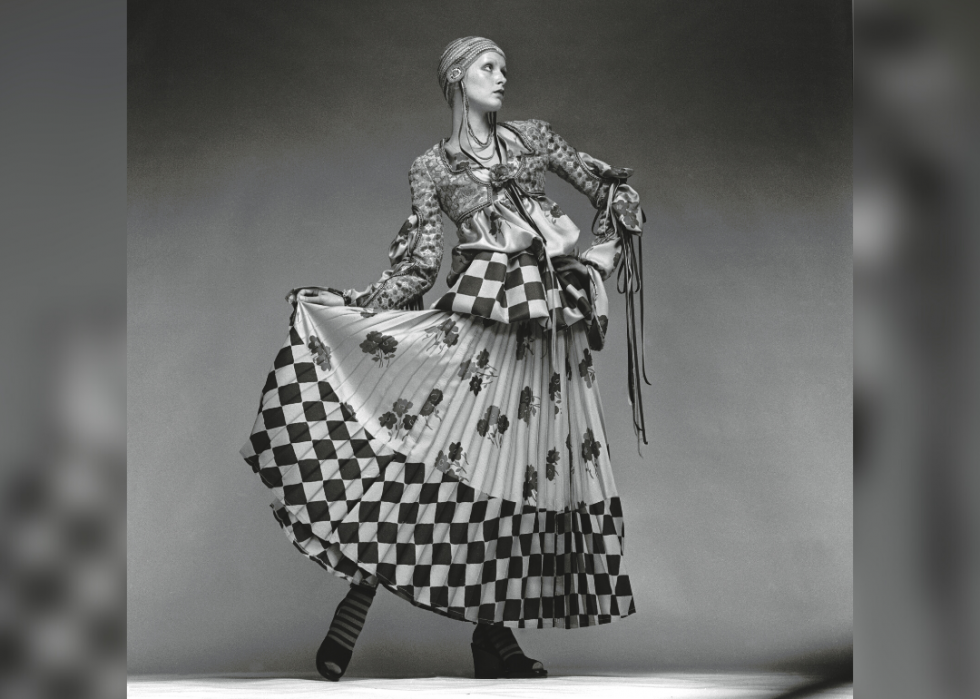
Bill Gibb was known for his gowns featuring a distinct mix of fabrics, patterns, and textures, and his knit-wear done in partnership with Kaffe Fasset, an American artist known for textiles. Gibb, a Scottish designer, encompassed the free spirit of the '60s and '70s and was the founder and chairman of the Bill Gibb Fashion Group, which operated in London from 1972 to 1988.

In 1970, Gibb was named Vogue鈥檚 Designer of the Year and had a room at Harrods featuring his designs called the 鈥淏ill Gibb Room.鈥 Gibb died from cancer in 1988 at the age of 44. His bohemian fashions had fallen out of style by then; his last collection was in 1986.

7 / 10
David Cooper/Toronto Star via Getty Images

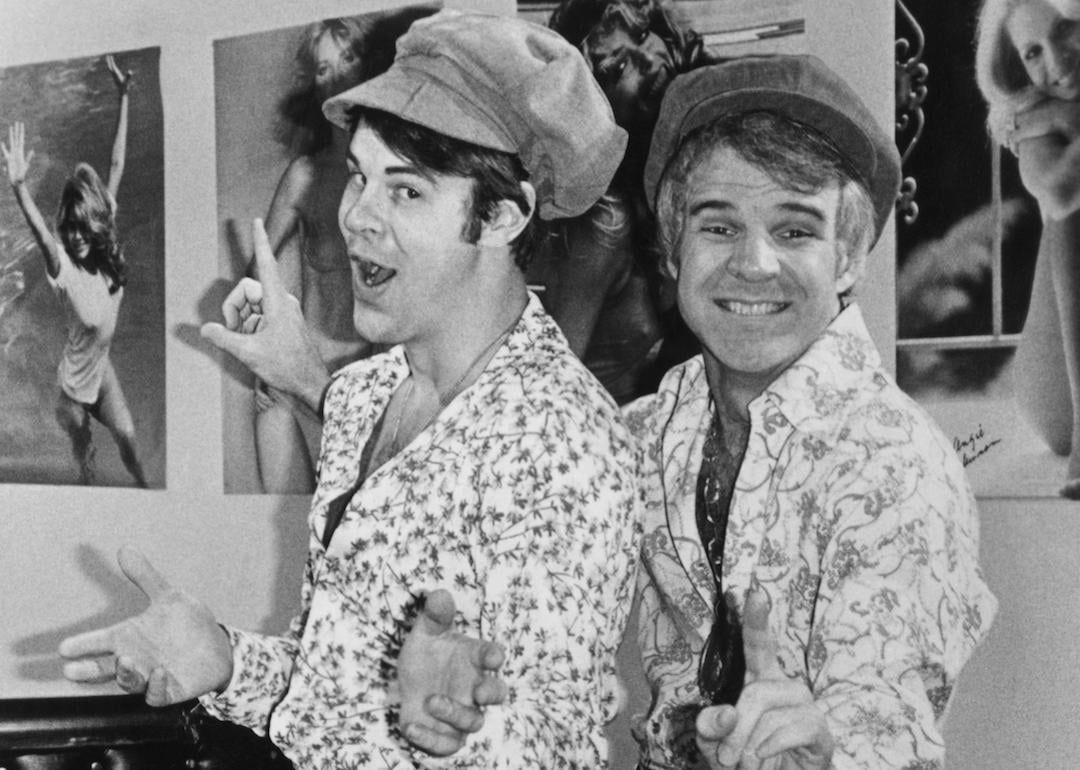
Sasson Jeans

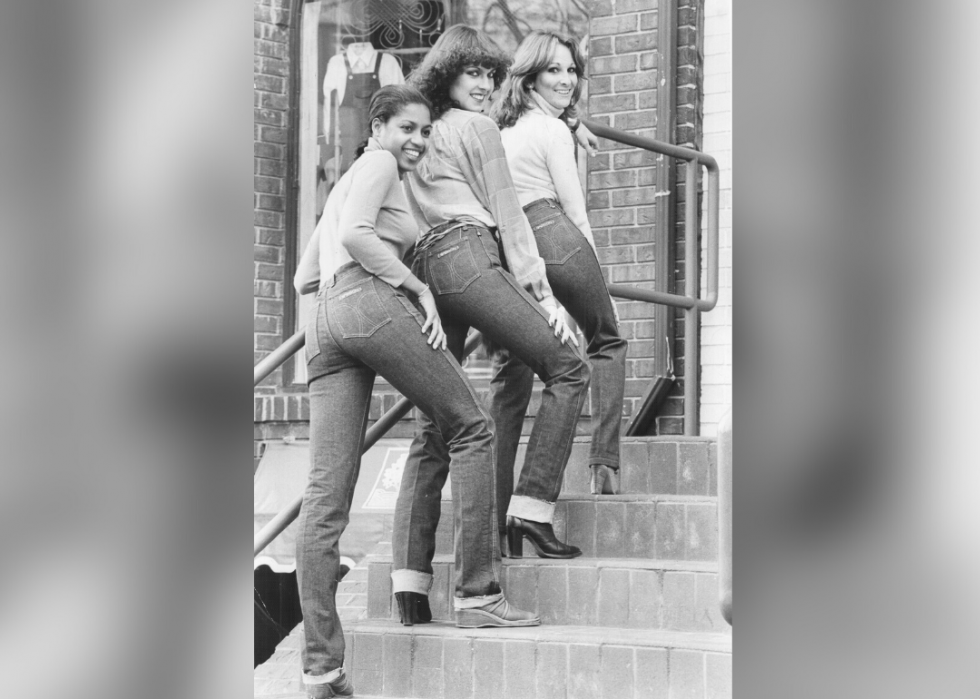
Founded in 1976 by Maurice Sasson and Paul Guez, the fashionable and hot-selling jeans owed part of its success to hairstylist Vidal Sassoon. In 1979, , 鈥淎 lot of people thought these were Vidal Sassoon鈥檚 jeans, they rushed in and bought them 鈥 and other designers jumped in, giving us greater credibility. And now, because of our success, we're probably helping Vidal.鈥

The brand brought a bit of fashion sense to denim, creating designer denim with Sasson鈥檚 French cut style and embroidered designs on the back pockets of jeans. Guez had his share of family issues, , and drug problems. The once-profitable company in 1986.

8 / 10
Mel Melcon/Los Angeles Times via Getty Images

Bugle Boy

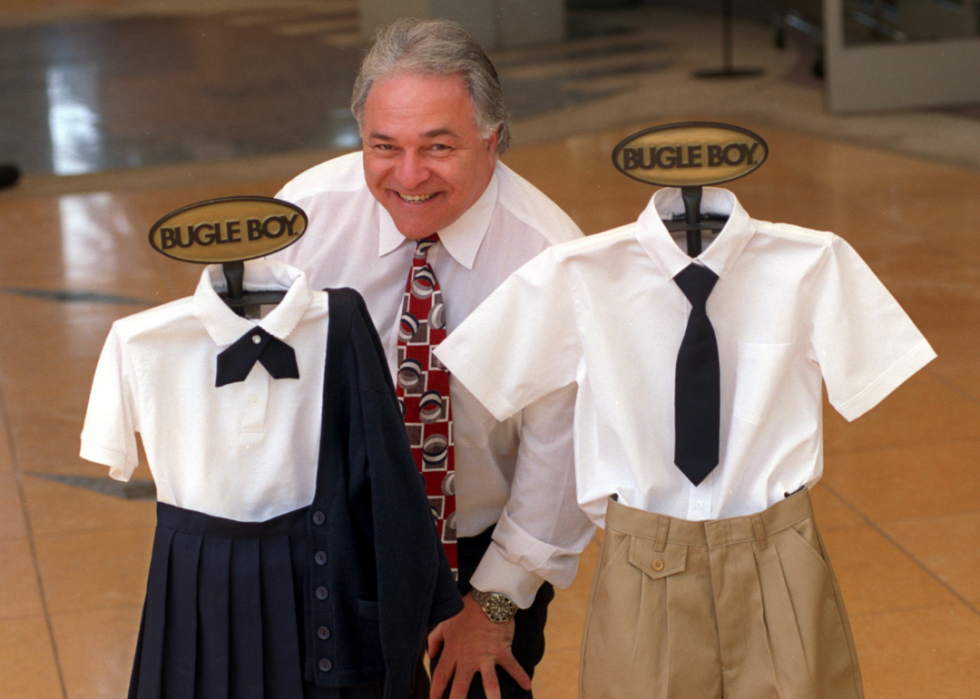
Founded in 1977 as Buckaroo International, the company had a bit of a hard time getting off the ground. With a name change and cool commercials that featured a catchy slogan (鈥淓xcuse me, are those Bugle Boy jeans that you鈥檙e wearing?鈥), Bugle Boy found its footing in the men鈥檚 fashion industry.

In 1983, the company introduced the younger generation to parachute pants. Bugle Boy also sold shirts and other types of pants, like cargo. While the business also tried to sell a line of clothing for women and girls, these styles were never quite as popular as the men鈥檚 and boys鈥 lines. In 2001, the once-popular fashion brand filed for bankruptcy.

9 / 10
Chris Moore/Catwalking/Getty Images

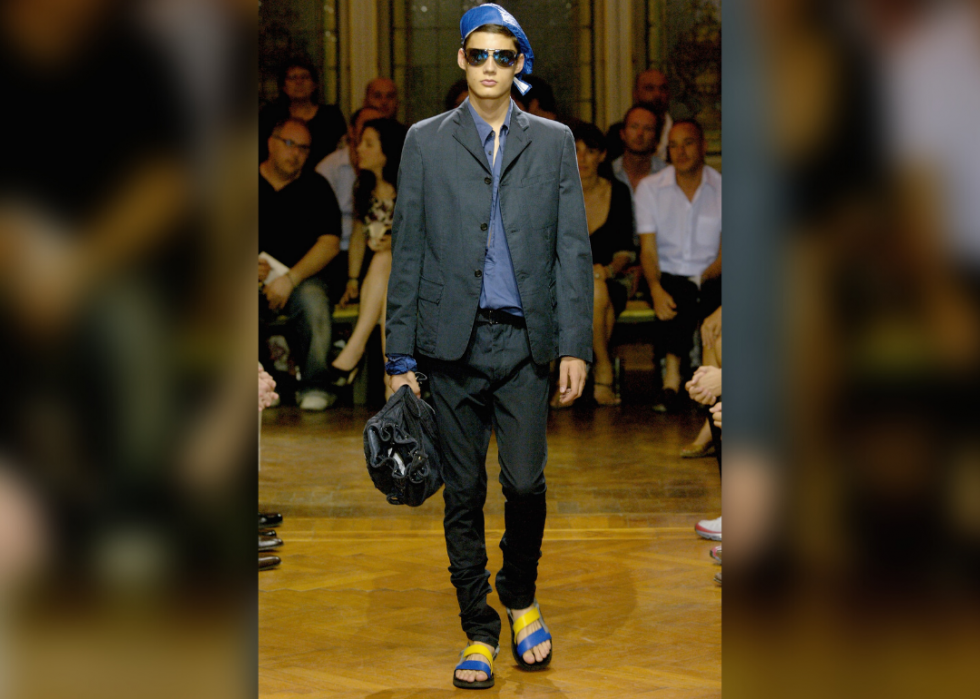
Miu Miu (menswear)

While the Miu Miu womenswear line started in 1993, the menswear line didn鈥檛 come along until 1999. Miu Miu was created by Miuccia Prada, who thought the brand would encompass a more playful style than the minimalist designs of Prada, her established brand, which was already well-known throughout the fashion world. Miu Miu was also more affordable than Prada.

The line featured a youthful vibe with graphic-print shirts and fun accessories like hats, ties, and belts. The menswear brand was shut down in 2008 when Prada decided to focus on the Miu Miu womenswear line.

10 / 10
Catwalking/Getty Images

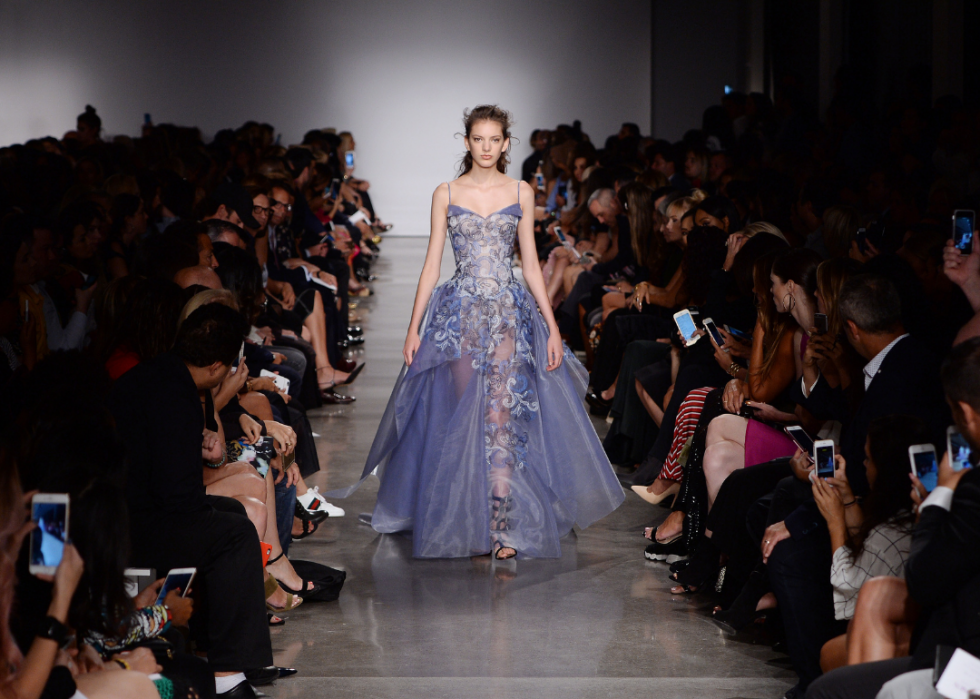
Zac Posen

Designer Zac Posen is known for his innovative and glamorous gowns and cocktail dresses. A midi-dress worn by actress Natalie Portman to a 鈥淪tar Wars鈥 premiere in 2002 helped launch Posen into the stratosphere. At the time, Posen was in his early 20s and had just launched his own label the year before.

Celebrities, from Katie Holmes to Oprah Winfrey, have worn Posen鈥檚 gowns everywhere from the Met Gala and Cannes to the Academy Awards. Posen鈥檚 label shuttered in 2019, though the designer continues to work on creative projects and share updates .

Trending Now