20 tips for improving your credit score
As a high school student, SAT scores felt like they might determine one's entire future. Adults know their credit score actually does indicate their future—at least when it comes to getting good deals on those big, grown-up purchases. People with high credit scores are more likely to get the apartment, car, house, or loan they want, and even end up paying less for those items thanks to lower interest rates.
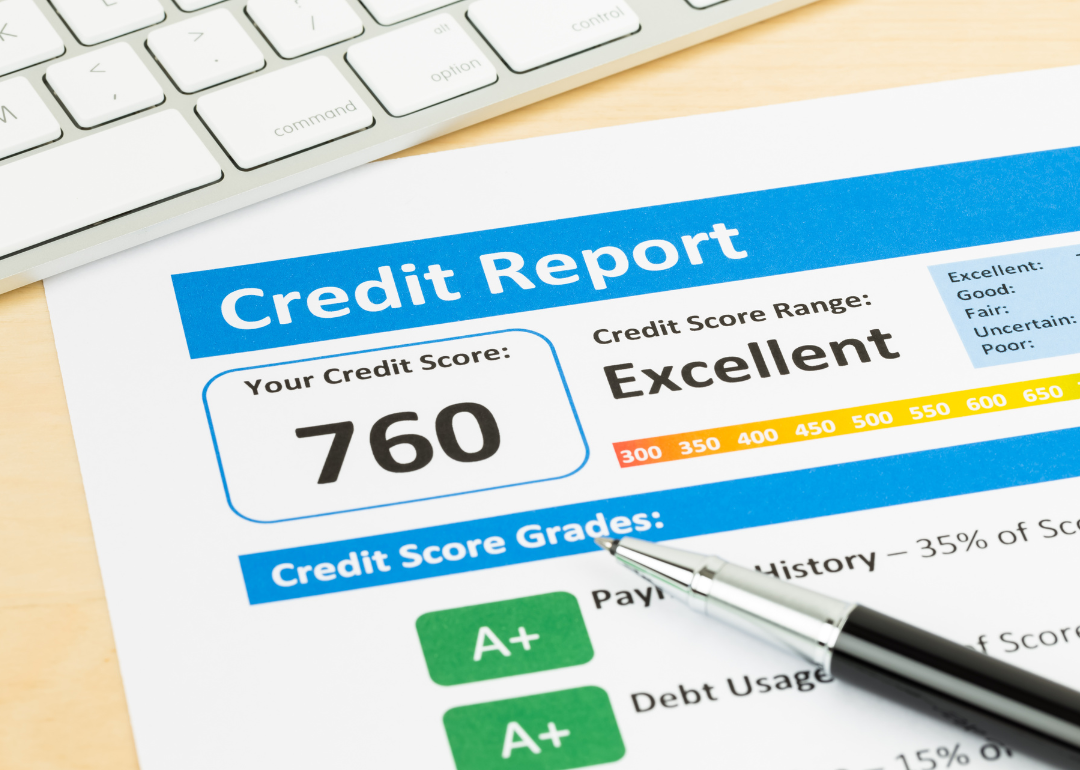
What is a credit score, exactly? In simple terms, it's a number—usually between 300 to 850—that companies use to determine how likely someone is to pay them back if they lend them money. A low score (basically anything below 650, according to ) means one is a credit risk; companies will be wary of lending to those people for fear they'll default on their loan. A high score, ideally above 760, means one has a track record of paying on time, so companies will line up to lend to them, offering favorable terms.
Â鶹ԭ´´ scoured through advice from governmental organizations, major financial companies, and trustworthy financial publications, and compiled the best of that counsel for a list of 20 tried-and-true ways to improve one's credit score, without the gimmicks or shortcuts. Read on to see how one can truly better their credit score.
ALSO: Click to find out which cities have the best and worst credit scores.
#1. Find out what they’re saying.
Knowledge is power, so before trying to fix your credit score, figure out where you stand by getting a credit report. All of your financial accounts, along with your history of payments, should be listed on this report, giving you a good sense of your overall standing. Each year, you’re allowed one free report from each of the three major bureaus: Equifax, Experian, and TransUnion. Each one takes just a few minutes to download from . Pro tip: Download one from each bureau every four months, so you can monitor your credit all year long.
#2. Clean up the errors.
Fun fact: on their credit reports, according to the Federal Trade Commission. Considering that statistic, it’s important to check to make sure your own report is correct. Verify that the amount of loans, lines of credit, and payment histories are all correct. If you find an error, simply contact the credit card bureaus and ask them to clean up the mistake. There’s no need to worry requests will be ignored; according to , credit bureaus are required to get back to people within 30 business days.
#3. Know your score.
A credit report details one's financial history, but won’t actually reveal the credit score. To get that number, you’ll need to go to a second source. Back in the day, one had to pay $19.95 at to get their score directly from one of the credit bureaus. People can still go that route, but these days, many third-party companies will show scores for free. American Express, for example, reveals FICO scores to customers. , without even requiring a user to have an account. Many other third-party companies offer free credit scores, but do make sure that you’re getting a FICO or VantageScore, which comes from the major credit bureaus, versus an unofficial, simulated credit score.
#4. Spot your risk factors.
Wherever you get your credit score, the number usually comes along with a few tips that detail why a score is high or low. These are your “risk factors,” which are basically the issues one should consider addressing first to boost their score. Does a tip point out you’ve missed some payments? Time to get on top of those. Received a note saying you have too few accounts? Consider opening another line of credit.
#5. Stay open and active.
To have a good credit score—or really, to have a credit score at all—one needs a credit history. That means it helps to have taken out loans of some sort, whether to pay for a car, a house, an education, or anything purchasable with a credit card. Always have some open, active accounts so your credit history keeps building.
#6. Always pay your bills on time.
The biggest chunk of your credit score, a whopping 35% of it, is based on payment history. That means the most important thing to do for your credit score is pay bills on time; a single missed payment can . Have trouble remembering to pay your bills? Set up automatic payment—or at the very least, payment reminders—through your credit card or loan companies. Already behind on your payments? recommends calling the creditor, working out a payment plan, and asking if they’ll consider taking the dings off your report. They may not always say yes, but it doesn’t hurt to ask.
#7. Get a credit card.
A credit card will help to build a credit history. Just make sure to pick the right card for your situation. Need to carry a balance? Look for a card with the lowest interest rate possible. Always pay your card in full? Find a card with perks that appeal to you, whether that’s cash back or airline miles.
#8. But don’t get credit you don’t need.
Assuming you use them responsibly, having one to a few credit cards will help your credit score. Carry around too many, though, and they could have the opposite effect. Besides just giving you a lot of different accounts to keep track of, carrying balances on a bunch of different cards doesn’t look good to potential lenders. reports that even if each balance is small, if the total number of all those little lines of credit is high, your credit score will take a hit.
#9. Go easy on the store credit cards.
Not sure which credit cards to say no to? Store credit cards, which generally offer low lines of credit, tend to have a larger negative impact on your credit score than regular credit cards. So unless you’re really going to take advantage of the discounts and other perks that come with that Banana Republic credit card on a regular basis, consider passing on it.
#10. Don't close your old accounts.
If you have an old credit card you no longer use, just let it hang out in your drawer instead of officially closing the account. Why? The length of your credit history makes up 15% of your credit score. If you get rid of your oldest cards, you'll end up shortening your history and lowering your score. While you're at it, resist the urge to get debts you paid off removed from your credit history. "Good debt—debt that you've handled well and paid as agreed—is good for your credit," notes .
#11. Avoid an application frenzy.
While applying for a line of credit once in a while is fine, don’t go on a sudden spree and acquire a handful of credit cards or loans at the same time. Ten percent of a credit score is determined by new credit inquiries, so a bunch of different inquiries at once can hurt the score, according to . Plus, each new account opened lowers your average account age—another ding on your score. But don’t worry about multiple new credit inquiries if all of them are for one big item. Looking for the best rate on a car, home, or other big purchase can’t hurt so long as you keep your search within a short period of time.
#12. Keep your balance down.
Just because you have a high credit limit doesn’t mean you should try to spend right up to it. In fact, you want to keep your utilization ratio—the amount you charge on your credit cards divided by the amount of credit you have—as low as possible. recommends you keep that ratio at 30% or lower; Money says . The utilization ratio is another reason you might not want to close out old lines of credit you no longer use: “Owing the same amount but having fewer open accounts may lower your credit score,” warns .
#13. Pay off your credit card debt.
Credit card debt is about the worst kind of debt to have, so if you’ve made the obligatory minimum payments on all your loans, put your extra money toward paying down credit cards, starting with the one that has the highest interest rate. It makes sense to prioritize credit card balances over mortgage or student loans. “Losing a few thousand dollars’ worth of plastic debt might boost your score 100 points; axing 10 times that amount of student loan debt will barely cause your score to budge,” according to .
#14. Ask for a higher credit limit.
Speaking of utilization ratios, another way to lower that number is by raising your credit limit—without raising your credit card balance, of course. Most companies let you make a request for a higher credit limit online, making the process simple, quick, and painless on your end. If you’ve been making payments on time, credit card companies might be more than happy to oblige your request.
#15. Consider a credit builder loan.
If you want to build a credit history, but are concerned a credit card might tempt you to spend beyond your means, consider a or . These lines of credit work somewhat like debit cards, in that they require you to deposit cash into an account before letting you swipe. If you try to spend more than the amount you deposited, the card won't go through. This way, you'll be able to build a track record of timely payments without ever worrying about going over budget.
#16. Make your rent do double duty.
If you always pay your rent on time, another way to build your credit history is by having your timely rent payments reported to the credit bureaus. This doesn’t happen automatically; you have to opt-in by using services like , run by Experian, and , which sends rent records to all three major credit bureaus. Other companies also claim to do the same, but get proof they’re legit before handing over any money, advises .
#17. Have different types of accounts.
The last 10% of your credit score is based on your credit mix, or the types of accounts you have open. Basically, you want to aim for a variety of accounts. Having a credit card, student loans, and a mortgage looks better than having three credit cards or only student loans, so diversify your financial profile as much as possible.
#18. Stay out of collections.
Whatever you do, make sure you don’t default on your payments on loans to the point that your debt gets sent to a collections agency. This has dire consequences on your credit score, and stays on your report for seven years. Should you end up in collections, however, all is not lost. suggests asking the creditor for a goodwill deletion. This requires explaining the circumstances that led you to go into collections then requesting the company take it off your report. Or you could pay for delete, meaning paying off the debt in exchange for the company’s deleting the collections account from your report. Again, there’s no guarantee you’ll get a yes, but you may as well try.
#19. Avoid credit repair scams.
Is your credit score so low it is to the point you’re considering hiring someone to clean it up? Think twice. are abound these days, promising to wipe your slate clean, then pushing you to tell lies about your financial history, or even fake a social security number. Don’t go down this road. If it sounds too good to be true, it probably is. There are no magic tricks to cleaning up your credit, which is why the Federal Trade Commission . If you’ve got the money to hire a credit repair company, put it towards paying down your debt instead—and stick to simple, low-cost tips.
#20. Stick with it for the long haul.
Besides correcting any errors that may be on your credit report, raising your credit score is a long-term task. Building a credit history, showing you pay bills on time, creating a track record of smart credit card use—Those are the actions that impact your credit score the most, and those are all ongoing actions that happen over months and years, not days. As The Washington Post's Michelle Singletary says, "You can improve your credit score, but you have to be patient."
So take your time, follow these tips diligently, and trust that in time, your score will inevitably go up.