5 lessons for success the manufacturing industry can learn from Taylor Swift
Taylor Swift is much more than a pop star — she’s an economic powerhouse. Her business empire, worth about $1.6 billion, spans album catalogue royalties, album sales revenue, ticket sales from tours, and merchandise sales.
Swift has reinvented herself multiple times over, from the teenage country ingenue of “Debut” to the pop icon of “1989” to the polished “Showgirl” of today — but throughout all her stylistic pivots, she’s remained remarkably consistent in her ability to connect authentically with her audience, control her narrative, and build value from her brand across multiple channels. That blend of skills and strategy offers powerful lessons for the .
If you’re looking to build a business that stands the test of time, shares some lessons you can take away from Taylor Swift’s trajectory:
- Put a relentless focus on quality control
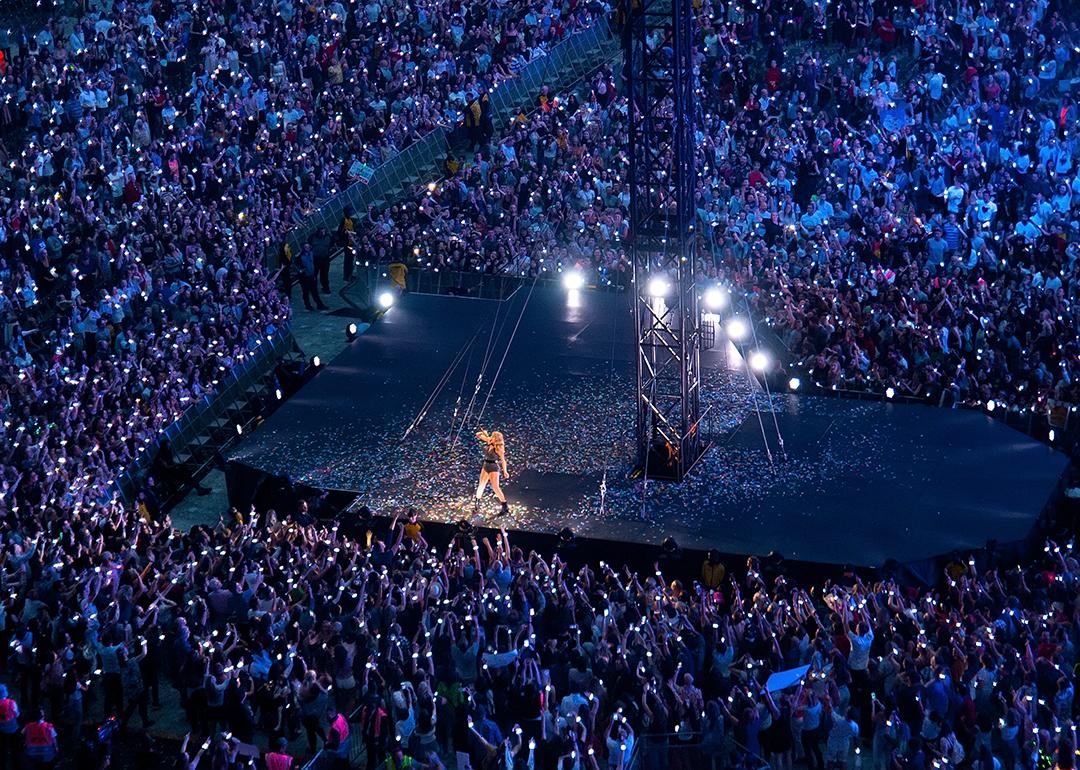
The Eras Tour grossed in ticket sales — and millions of fans (and their parents) flocked to the shows because they knew Swift wasn’t just going to show up; she was going to put on a true performance. Swift and her team spent a year and a half planning out the highly choreographed three and a half hour hour show, and the advance preparation paid off. The Eras Tour was a masterclass in showmanship, with intricate set design, choreography, costumes, and lighting. The tour was about more than just the music — it was about creating a spectacle that her fans would remember for a lifetime.
By bringing this intense attention to detail to her music, merchandise, and especially all of the elements surrounding her live performances, Swift is able to foster trust in her brand: Fans know that when they go to a show, they’re never going to get an off night. From the set list to the stage, every element is in place to ensure an unforgettable experience.
For manufacturers: Before beginning production for any item, take the time to map out a streamlined process that includes clear SOPs, an optimized layout, best-in-class technology to support automations, and multiple quality control points. Focusing on principles will help you identify the best ways to optimize your workflows to reduce waste, enhance efficiency, and improve product quality.
2. Retain control over your intellectual property (IP)
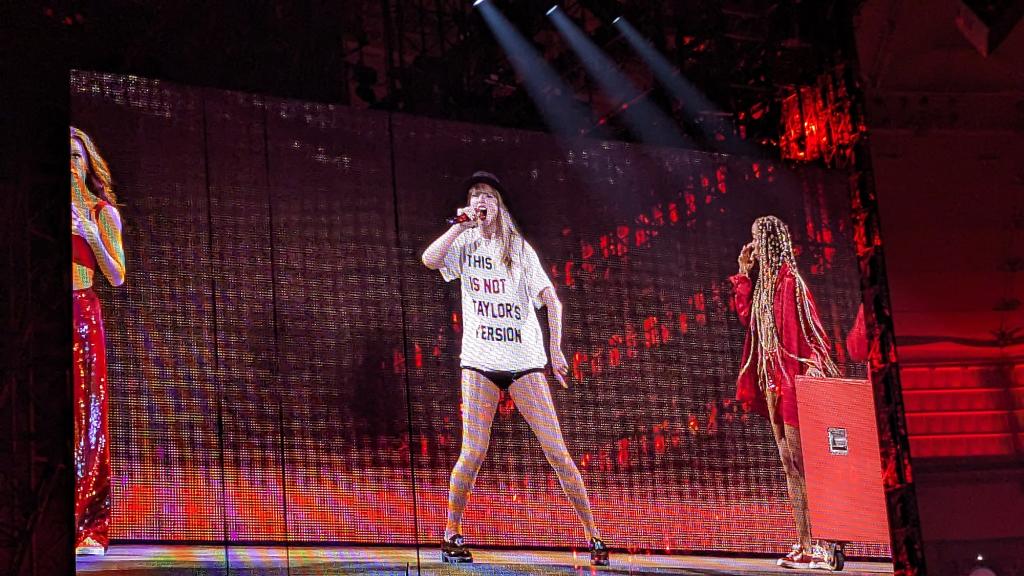
In 2019, Swift’s collection of master recordings for her first six albums was sold to Scooter Braun’s Ithaca Holdings, which allowed the company to license her music for any purpose they chose — and Swift was livid. But Swift didn’t just relinquish control — instead, she decided to re-record each of the albums as (Taylor’s Version), which would dilute the value of the existing recordings and give her licensing power over the re-recorded versions. She finally bought back the rights to her master recordings this year, ending the years-long fight for control over her creative output.
For manufacturers: Retain tight control over your IP from the beginning. By maintaining control over intellectual property, you can safeguard your most valuable assets: proprietary designs, processes, and technologies. Relying too heavily on outsourced partners or open supply chains can erode both margins and competitive advantage. Owning your IP allows you to dictate quality standards, protect innovation from copycats, and capture more long-term value across the product lifecycle, from design to distribution.
3. Minimize your downtime

When the world came to a grinding halt during COVID-19 in 2020, Swift had been about to embark on the world tour in support of her “Lover” album — so when those shows were cancelled, she found herself with some unexpected downtime. But instead of bingeing Netflix like the rest of us, Swift decided to partner with a musical collaborator remotely (The National’s Aaron Dessner), who produced two of her best-acclaimed albums — the low-fi, introspective albums “Folklore” and “Evermore.” The time was well spent: The following year, she won the Album of the Year Grammy Award for “Folklore.”
For manufacturers: Whether key , you’re facing a , or a crucial piece of equipment malfunctions, operational interruptions can sometimes be inevitable — but with the right processes at hand, you can and maximize your efficiency. By embracing Agile methodology and , you’ll be able to rescope operations based on your available resources and pivot quickly to keep operations running smoothly.
4. Optimize production by developing multiple variants of your core product
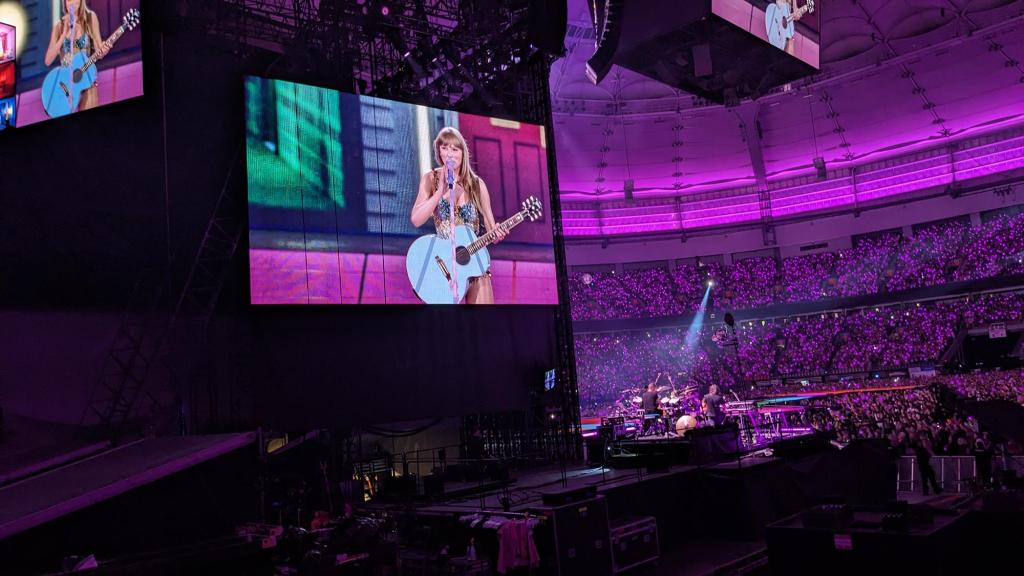
Taylor Swift has released 12 albums — but that doesn’t give the full picture. For her more recent albums, she’s also released a wide variety of variants with custom features across different formats (digital, CD, cassette, vinyl). During the rollout of her previous album, “The Tortured Poets Department,” Swift released at least 34 separate album variants, featuring unique cover art and bonus tracks to entice fans to collect multiple variants. Each variant release counts towards total albums sold, so it’s not only an efficient way to generate more revenue, but it’s a key strategy for ensuring her chart-topping success: Her latest release, “The Life of a Showgirl,” proved to be her , with 2.7 million records sold across physical and digital copies, and she’s already launched new variants with bonus tracks to maintain her bestselling status.
For manufacturers: In your own manufacturing process, developing variants on your core products is a low-cost, high-efficiency strategy for quickly expanding your production capabilities. By adopting the use of modular components, you can develop multiple SKUs from one core base, adding different elements to that base to create different product models. This Agile production strategy helps you minimize waste, increase efficiency, and generate more revenue through diversification.
5. Reward and value your team
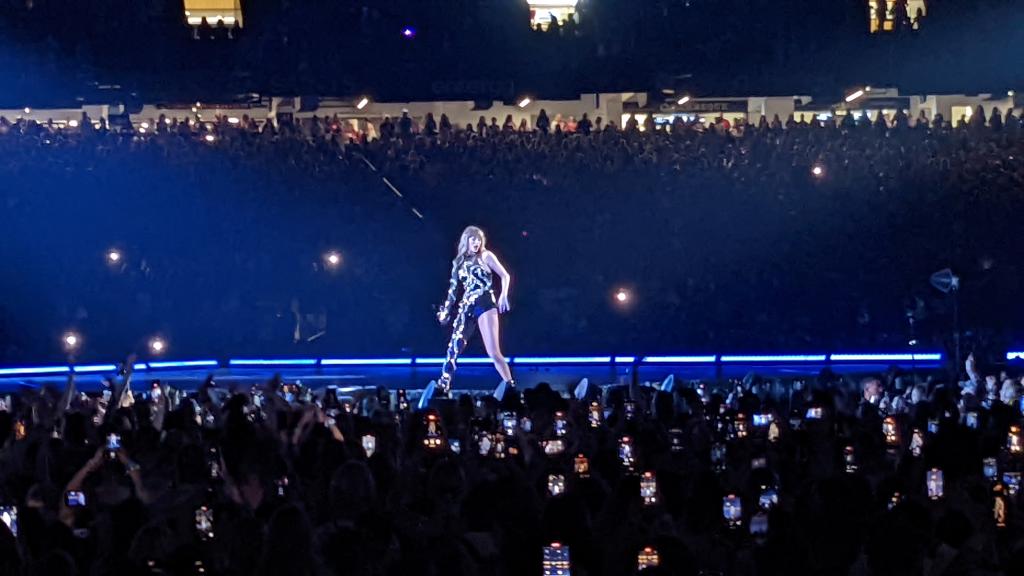
Swift didn’t build her entire business enterprise on her own — she has relied on a large network of collaborators, including songwriters, musicians, choreographers, dancers, stage crew, drivers, caterers, and more. She clearly recognizes this, and rewards her team generously for their contributions to her success: Over the course of The Eras Tour, to her performers and crew, on top of their salaries. By spreading the wealth with her team, she’s able to build loyalty, ensuring that they’ll continue helping her accomplish her goals.
For manufacturers: Your is the engine that keeps your facility running. by building initiatives to recognize and reward your team members for strong attendance records and hard work, with regular praise for their efforts, occasional perks like free pizza or extra break time, extra and bonuses for those who go above and beyond, and regular pay increases. By making an effort to care for your staff and , you’ll be able to increase workplace productivity, , and retention rates.
By following Taylor Swift’s playbook, you’ll be able to build a sustainable path to manufacturing success — and you don’t even need to wear sequins to work (unless you want to).
was produced by and reviewed and distributed by Â鶹ԭ´´.