50 indicators for understanding America's economy right now
The COVID-19 pandemic has drastically changed life for everyone. Stores and restaurants shut down, travel bans were put in place, the price of food has gone up, and many businesses asked staff to work from home鈥攊f they were able to keep them employed at all. Other companies, facing a massive decline in business, had to lay off entire swaths of their workforce, creating new financial struggles for millions of people. It's been a challenge across the board.
These changes can be felt every time we check our bank balance. People who have lost their jobs might be watching their grocery budget very carefully and wondering how they can afford to pay their rent, even if they're getting unemployment benefits. Those who continued working might have actually seen their credit card bills go down and their savings tick upward鈥攁fter all, with restaurants, bars, theaters, and retail stores closed, what's left to spend money on? Plus, with the future so uncertain, it's not the worst idea to invest in your rainy-day fund while you have the money.
Microeconomics on the personal or household level tell one story about the coronavirus crisis. But how's the pandemic shaking out on the national scale? To help understand America's economy right now, compiled a list of 50 different economic indicators from a variety of sources. We looked at things like the unemployment rate, the S&P 500, public transit ridership, box office revenue, and the price of gold. As you would probably expect, many of the statistics paint a dismal picture. More than 2.1 million people filed their first claim for unemployment benefits in the week ending May 23. The rate of gross domestic product growth has tumbled by 5%. And automakers have seen an extreme drop in car sales in recent months.
However, it's not all doom and gloom. Some statistics, like the rising home sales price, offer a glimpse of hope that the pandemic hasn't completely wrecked the economy, and a swift recovery may be on the horizon. Click through to see how the economy has changed over the last few months, and what these economic indicators might mean for your life.
Unemployment rate
- (April 2020): 14.7%
- Change since February 2020: +11.2%
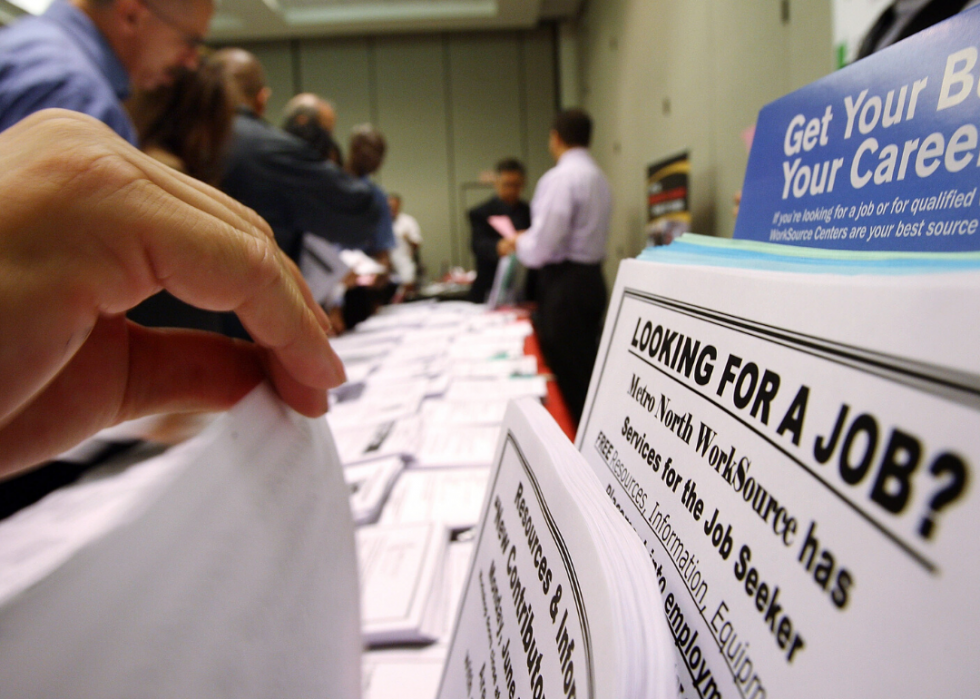
Many businesses across the country were forced to close during coronavirus-related shutdowns in March and April. As a result, nearly applied for unemployment benefits during the pandemic.
Unemployment claims
- (week ending May 23, 2020): 2,123,000
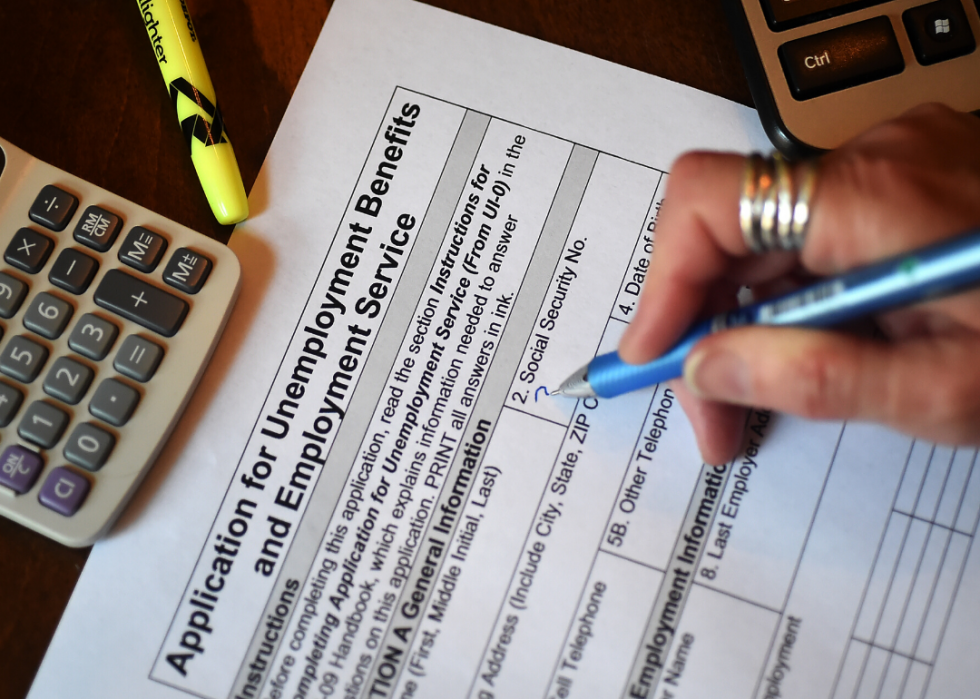
More than 2.1 million people filed a new unemployment claim for the week ending May 23. It indicates that companies that retained their staff through March and April may have needed to close in mid-May, or may have faced a slowdown that affected their ability to keep people employed.
Workforce participation
- (April 2020): 60.2%
- Change since February 2020: -3.2%
The civilian labor force participation rate divides the sum of all workers in the country who have jobs (or are actively looking for employment) by the total population of working-age, non-institutionalized civilians to measure the economy鈥檚 active workforce. The coronavirus pandemic was a major blow to the workforce participation rate in the U.S., causing it to hit its.

Wages
- (April 2020): +$1.34
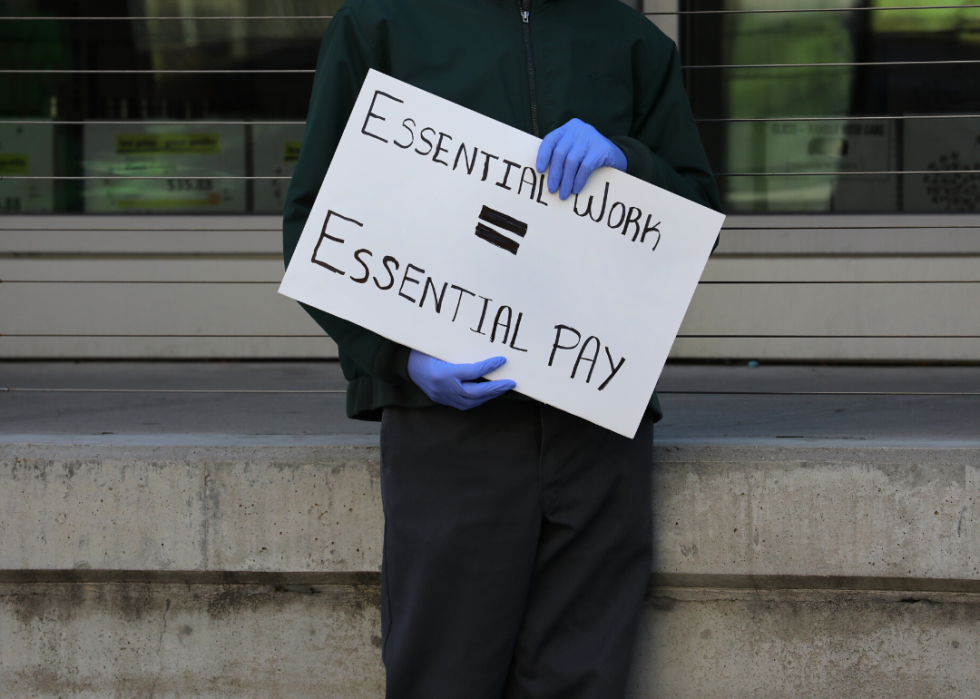
Average hourly earnings for workers in the private sector jumped $1.34 in April. The jump could be reflective of the in the economy during the pandemic, an over the last few years, and/or some workers received from their companies.
Manufacturing hours worked
- (April 2020): 38.3 hours
- Change from March 2020: -2.1 hours
- Average overtime (April 2020): 2.1 hours
- Change from March 2020: -0.9 hours
The average workweek for manufacturing workers dropped by around 2 hours in April compared to March. Assembly-line workers are considered at higher risk of coronavirus infection because they tend to work long hours in close proximity to one another. Manufacturers, such those in the auto industry, in mid-March to protect their employees and adhere to state guidance, which likely contributed to the shorter average workweek.
You may also like:
CPI
- (April 2020): -0.8%
The consumer price index measures adjustments in the cost of goods and services in urban areas. The was the sharpest the consumer price index has seen since December 2008, largely driven by a 20.6% drop in the gas index.
CPI - food
- (April 2020): +3.5%
The consumer price index for food rose 3.5% in the 12 months leading up to April 2020鈥攖he. The increase in food prices may have been driven by and a shift toward people buying food at grocery stores, rather than at restaurants and institutions, according to Susan Selasky of the Detroit Free Press.
CPI excluding food and energy prices
- (April 2020): +1.4%
The consumer price index for all items except food and energy rose 1.4% in April, signaling a. This measurement can help economists analyze that鈥檚 not influenced by erratic spikes in products like food and energy, which tend to have more volatile pricing than other goods and services.
Rent
- (April 2020): 2.9%
Rents continued to rise in April, but only by 2.9%鈥攊ts slowest one-month pace since at least 2014. The measurement is consistent with the overall economic slowdown caused by the pandemic.
Home sales price
- (March 2020): $248,857
- Year-over-year median home value: +4.1%
- Year-over-year for sale inventory: -9.5%
Home values continued to rise in March, but not as they did in previous years. It may indicate that home prices have seen their peak, especially in major cities like Los Angeles, Miami, and San Francisco, according to Zillow.
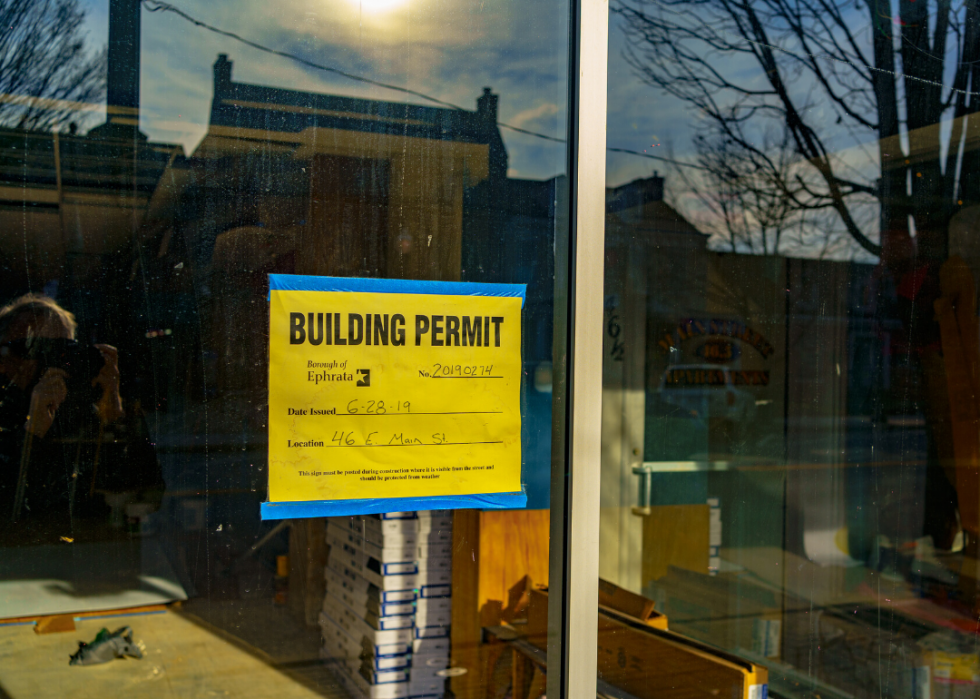
Building permits
- New privately-owned housing units authorized by (April 2020): 1.1 million units
- Change since February 2020: -372,000 units
Building permits have been on the decline during the pandemic, falling 372,000 units between February and April. The figures may indicate that a is coming later this year, according to Lucia Mutikani of Reuters.
Housing starts
- New privately-owned (April 2020): 891,000 units
- Change since February 2020: -676,000 units
Monthly housing starts, or the beginning of excavation on the foundation for a residential building, fell by 676,000 units between February and April. Those numbers are nearly in April 2019, demonstrating that housing construction is experiencing a slow pace during the pandemic.
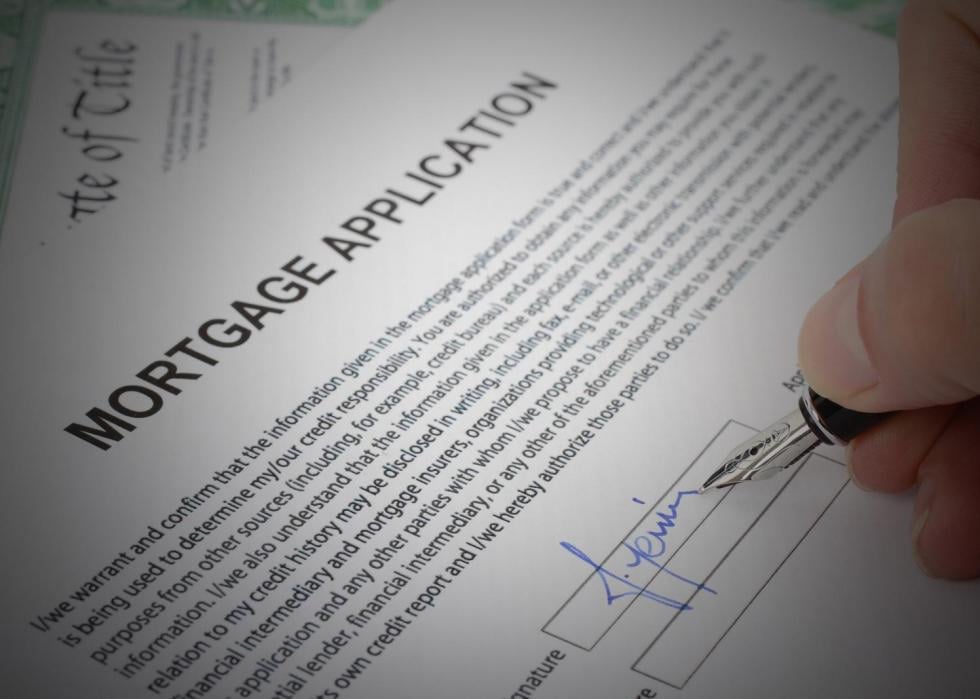
Mortgage applications
- Year-over-year (week ending May 29, 2020): +18%
- Year-over-year refinance index (week ending May 29, 2020): +137%
The the number of refinance applications submitted in a given week, while the purchase index measures applications for new home loan applications, according to Julia Kagan of Investopedia. These two statistics give people a sense of real estate activity. The figures from the week ending May 29, 2020, suggest that homebuyers have been returning to the real estate market and from earlier in the season, according to Joel Kan of the Mortgage Bankers Association.
Foreclosures
- Year over year (April 2020): -70.9%
- Year over year auction foreclosure filings (April 2020): -76.8%
- Year over year bank-owned foreclosure filings (April 2020): -76.2%
Many states and foreclosures to help people who experienced financial difficulties during the pandemic. As a result, home foreclosures are according to Megan Henney of FOXBusiness.
GDP growth
- (Q1 2020): -5.0%
- (Q2 2020): -52.8%
The rate at which gross domestic product grows is one of the key indicators used to measure economic activity. With the Q1 GDP growth rate down 5%, the U.S. may experience an even sharper decline in Q2 and. This prediction is further underscored by the Atlanta Fed GDPNow estimate of a 53% contraction this quarter.
Government debt to GDP
- (4th quarter 2019): 106.8%
This indicator looks at the ratio of the nation鈥檚 public debt compared with its gross domestic product. It hit 106.8% at the end of 2019. The World Bank warns that a for an ongoing period of time may slow economic growth.
[Pictured: World Bank headquarters in Northside Buiilding in Washington D.C.]
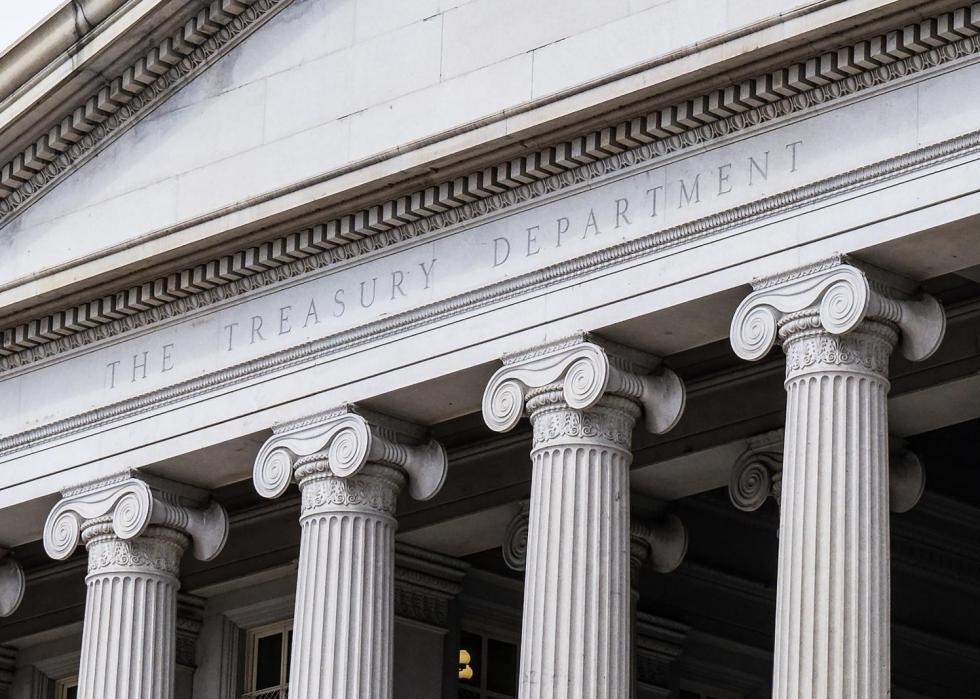
Treasury yields
-: 0.69%
- 1 month change in yield: +0.01%
- 1 year change in yield: -2.04%
The Treasury yield measures how much the U.S. government pays in interest to borrow money, and often reflects investors鈥 sentiment about the economy. Generally, the the better they feel about the future of the economy, according to James Chen of Investopedia. Treasury yields down more than 2% from a year ago may indicate a negative outlook from investors, compared with how they felt in 2019.
Treasury yield curve
- (as of June 2, 2020): 0.14%
- 6-month yield: 0.16%
- 1-year yield: 0.15%
- 5-year yield: 0.32%
- 10-year yield: 0.69%
- 30-year yield: 1.49%
Like Treasury yields, this economic indicator can be an on where the economy is headed. These numbers reflect that the economic outlook may be stabilizing and that traders expect the interventions in the government debt market, according to Colby Smith of The Financial Times.
Muni / treasury yield spread
-y: 125%
- Previous 4-year average: 86%
compares the yields of municipal bonds with those of U.S. Treasuries. The measurement helps investors assess how valuable municipal bonds are at a point in time. After seeing a major spike shortly after the coronavirus hit the U.S., this economic indicator appears to.
Corporate-treasury yield spread
- (as of June 1, 2020): 3.11%
- February 2020 average spread: 2.11%
This economic indicator explains the difference between Baa corporate bond yields and 10-year Treasury Notes. While it saw a spike in early march, the figure is nowhere near where it was during the Great Recession. It does, however, reflect the effect that COVID-19 has had on customer behavior and supply chains, and ultimately the, according to Essex Financial Group.
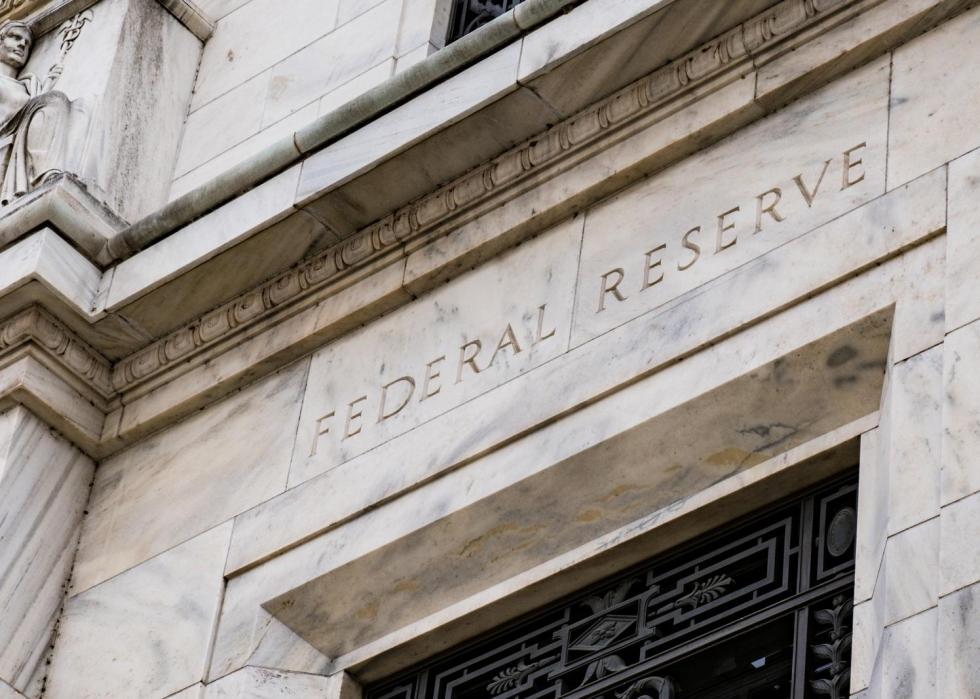
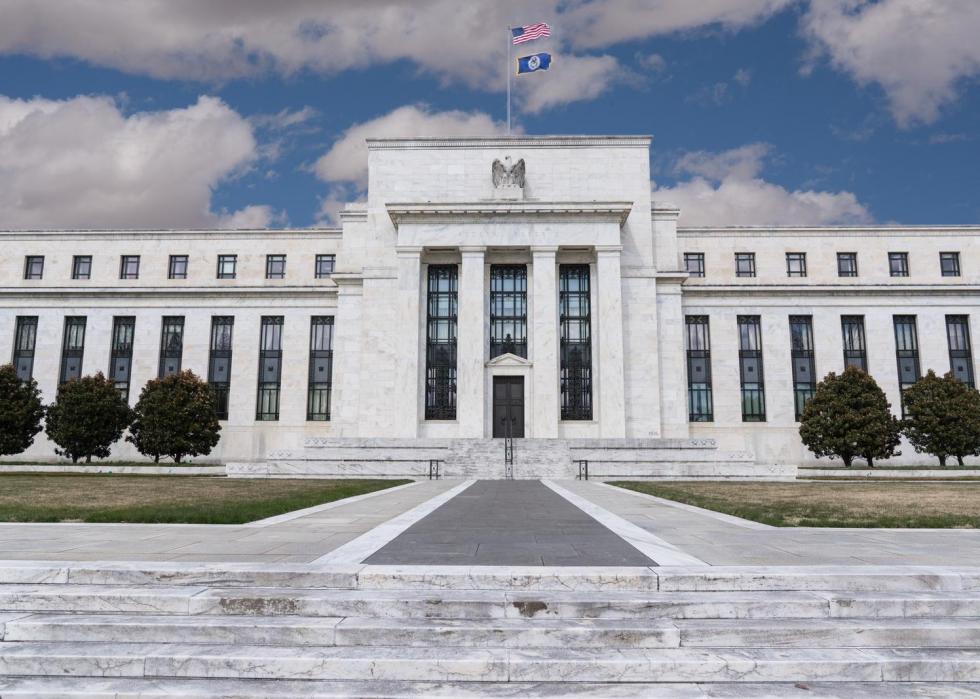
Fed rate
-: 0.05%
The is that interest rate at which commercial banks lend and borrow money to each other. The lower it is, the can charge customers and businesses for loans. It鈥檚 currently hovering just above 0%.
[Pictured: The Federal Reserve Building.]
Bank prime lending rate
- (April 2020): 3.25%
- Change since February 2020: -3.5%
The prime lending rate measures the average interest commercial banks charge companies on short-term loans. With a 3.5% rate reduction from February 2020, creditworthy businesses may be able to borrow money at a lower cost.
Current account
- (4th quarter 2019): $109.8 billion
- Change from prior quarter: -$15.6 billion
The current account deficit, or the the country spent on imports than receiving from exports, narrowed late last year as a result of the U.S. trade war with China. It was the biggest drop in the value of imported goods since 2009.
Consumer debt
- increase (Q1 2020): $155 billion
- Change from prior quarter: +1.1%
Total household debt grew just over 1% from Q4 2019 to Q1 2020, largely due to an increase in mortgage balances and a fall in credit card balances. The increase in household debt may limit and potentially slow the economic recovery after the pandemic, according to economist Ed Dolan of Marker.
Consumer sentiment
- (May 2020): 72.3
- Year-over-year change in sentiment: -27.7%
Consumer sentiment aims to quantify the outlook that consumers have on their own financial situation, as well as how they expect the economy to perform over the near and long term. With many consumers having been hit with layoffs or reduced hours during the pandemic, as well as inflation causing prices to rise, consumer sentiment has fallen by 27.7% year over year.
Consumer spending
- (April 2020): -13.6%
The value of goods and services Americans purchased in April fell 13.6%. This was largely led by a, as well as on healthcare, food services, and accommodations, while businesses were shut down.
Retail sales
- (April 2020): -16.4%
- Clothing and clothing accessories sales (April 2020): -89.3%
Retail sales took a major dip in April 2020, largely driven by the nearly 90% plummet in sales of clothing and accessories. With many retail stores closed during the pandemic and people holding off on unnecessary spending, retail sales are forecast to decline by鈥攁 steeper drop than what was seen at the beginning of the Great Recession鈥攁ccording to Telsey Advisory Group.
Bankruptcies - business
- (March 2020): 1,859
- Change from February 2020: -136
The coronavirus has put companies under a lot of financial pressure, with many facing shutdowns and lower consumer spending. But despite these circumstances, the number of business bankruptcy cases filed in March and April were, potentially indicating that the government鈥檚 assistance to companies during the pandemic is paying off.
[pictured: JCPenney store in Music City Mall in Lewisville, Texas. JCPenney filed for bankruptcy protection in May due to COVID-19.]
Bankruptcies - non business
- (March 2020): 62,304
- Change from previous month: -6,873
Nonbusiness bankruptcy cases, which includes consumer filings, took a sharp fall in March 2020. This may be attributed to, not necessarily because consumers don鈥檛 need bankruptcy protection, according to Paige Maria Skiba, Dali茅 Jim茅nez, Michelle McKinnon Miller, Pamela Foohey, and Sara Sternberg Greene of The National Interest.
Manufacturing production
- (April 2020): 86.4
- Change since February 2020: -19.7
The production manufacturing index measures the real output in the manufacturing industry. It took a nearly 20-point dive from February to April, as COVID-19 prevention measures forced many factories to reduce output or cease operations altogether.
Manufacturing PMI
- Manufacturing purchasing managers index (May 2020): 43.1%
- Change since February 2020: -7.0%
This economic index gives a sense of the direction of economic trends in manufacturing, and whether purchasing managers are expanding, holding, or cutting back. The change from February to May 2020 indicates that production, employment, and new orders have contracted during the pandemic.
Factory orders
- (April 2020): -13.0%
New orders on manufactured goods have fallen in three of the first four months of 2020, and saw a decrease of $57.5 billion from March to April. It reflects an overall contraction in the manufacturing industry and from the public health crisis.
Car production
- (March 2020): 148,800 cars
- Change since February 2020: -72,800 cars
The output of cars fell by nearly 73,000 vehicles from February to March 2020. Many as a response to the pandemic.
Vehicle sales
- (April 2020): 8.8 million
- Change since February 2020: -8.4 million
In line with a drop in monthly car production, monthly vehicle sales also tumbled by 8.4 million cars from February to April 2020. Auto makers are a major contributor to the economy, and a could indicate that a recession is looming.
Steel production
- (week ending May 30, 2020): 1.2 million net tons (53.8% capacity utilization rate)
- Year-over-year change in raw steel production: -0.7 million net tons (-27.0% capacity utilization rate)
Steel is an important material in engineering, the automotive industry, and construction. A decline in raw steel production indicates a lower demand in other sectors, giving clues as to how the overall economy is performing.
S&P 500
- (as of June 1, 2020): -5.0%
- 1-year return: +13.6%
The Standard & Poor鈥檚 500 is a stock market index measuring the stocks of the 500 largest publicly-traded companies in the U.S. It offers a broad perspective of the overall performance of the economy in the U.S. While 1-year returns were up 13.6%, the year-to-date return dropped 5% amid the pandemic.
Oil price
- (as of June 1, 2020): $36.70
- Change since January 1, 2020: -$24.36
The nearest futures price of West Texas Intermediate crude oil, a benchmark in oil pricing, fell by more than $24 between January and June. It鈥檚 part of an overall historic collapse in crude oil prices, due to extremely low demand while the around the world.
Gasoline price
- (as of June 1, 2020): $1.98
- Year over year change: -$0.83
The average gas prices have fallen during the pandemic, in line with the drop in crude oil prices. While it鈥檚 still unclear the production and consumption of gas, according to Brett Campbell of The Daily Leader, demand for gasoline likely fell while stay-at-home orders were in place.
Oil production
- (week ending May 22, 2019): 11.4 million barrels per day
- Change since February 28, 2020: -1.7 million barrels per day
Oil production has continued to drop since the coronavirus outbreak in the U.S. Oil production is considered a driver of economic growth, and changes in this economic indicator may increase the country鈥檚 vulnerability to, according to Andrew Beattie of Investopedia.
Oil rigs
- (as of May 29, 2020): 301
- Year over year change in oil rig count: -683
The count of oil rigs is an indicator of how the drilling industry and businesses that supply it are performing, as well as the rise or fall in demand for products related to drilling. Rig counts are down by 683 between May 2020 and May 2019. Energy companies were forced to during the pandemic, which is likely why the rig count dropped.
Gold price
- (as of June 1, 2020): $1,727.45 per troy ounce
- Year-to-date return: +14.4% (compared to -5.0% for S&P 500)
Gold tends to be seen by investors as an inflation hedge. Central banks are often responsible for the biggest changes in the price of gold. The high price of gold in recent months may indicate that amid economic woes from COVID-19.
Silver price
- (as of June 1, 2020): $18.06 per troy ounce
- Year to date return: +0.2% (compared to -5.0% for S&P 500)
The silver spot price is the current cost of silver and can be affected by a variety of factors, including supply and demand, politics, and physical mines鈥攁ll of which have been impacted by the pandemic. With that said, the silver spot price has seen only a modest increase over the last year.
Copper price
- (as of June 1, 2020): $2.47 per pound
- Change since January 1, 2020: -$0.36
The price of copper has seen a decline over the last few months. Since copper is used in the, it may indicate that demand has fallen in those sectors.
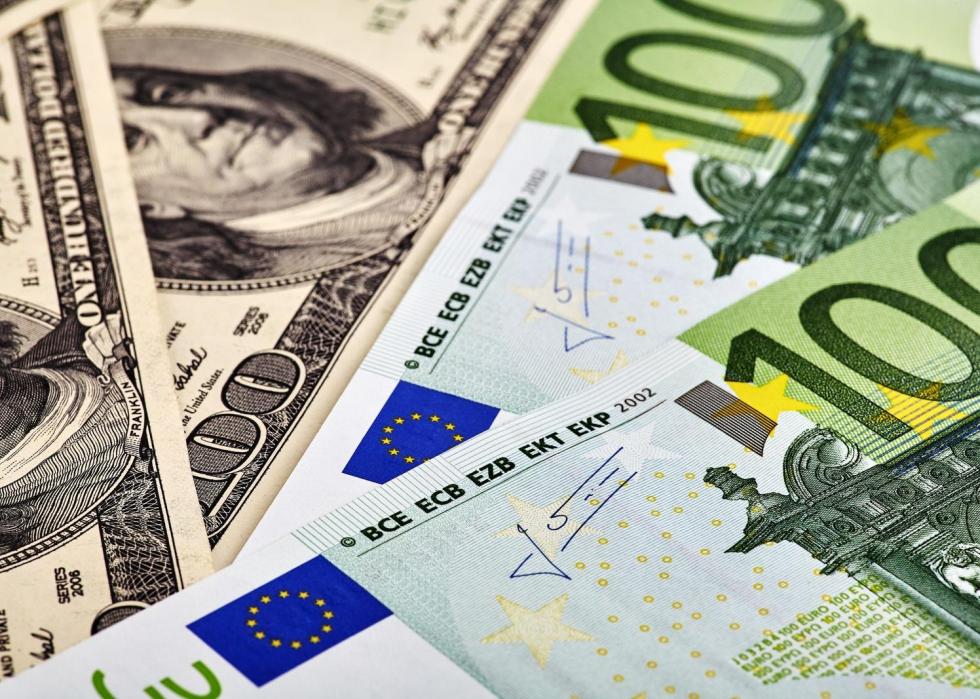
USD-EUR
- (as of June 1, 2020): 0.8954
Changes to interest rates made by global central banks can affect the USD-EUR exchange rate and ultimately the foreign-exchange market. The dollar has taken a hit compared with the euro during the pandemic.
Airline passengers
- (March 2020): -51.5%
The pandemic has created the in airline passengers in history, with a 51.5% decline. The airline industry is responsible for and employs more than 10 million Americans, so a marked decline in its business could make a big impact.
Apple mobility index
- (as of May 31, 2020): -2%
The Apple mobility index tracks the relative volume of requests for directions on Apple Maps, to get a sense of how much people are moving around to do things like travel, shop, dine, and go to work. The index dropped significantly in March and April, while many locations were shut down, but it had climbed close to the baseline date of Jan. 13, 2020 at the end of May.
Business foot traffic
- Year-over-year business foot traffic (as of May 28, 2020): -30%
Foot traffic to businesses like fast food restaurants, grocery stores, airports, and movie theaters was still down by 30% on May 28, 2020, compared to the year before. The data shows how the coronavirus is making an impact on people visiting businesses.
Restaurant bookings
- (as of May 31, 2020): -83.0%
With dining rooms at many restaurants across the country closed, it鈥檚 no surprise that reservations have taken a nosedive. They were down 83% at the end of May. The loss in business has cost the.
Box office revenue
- (May 22-28, 2020): $335,000
Box offices brought in just $335,000 in revenue during the week of May 22-28, with theaters closed. That鈥檚 just a fraction of the nearly from the same week in 2019.
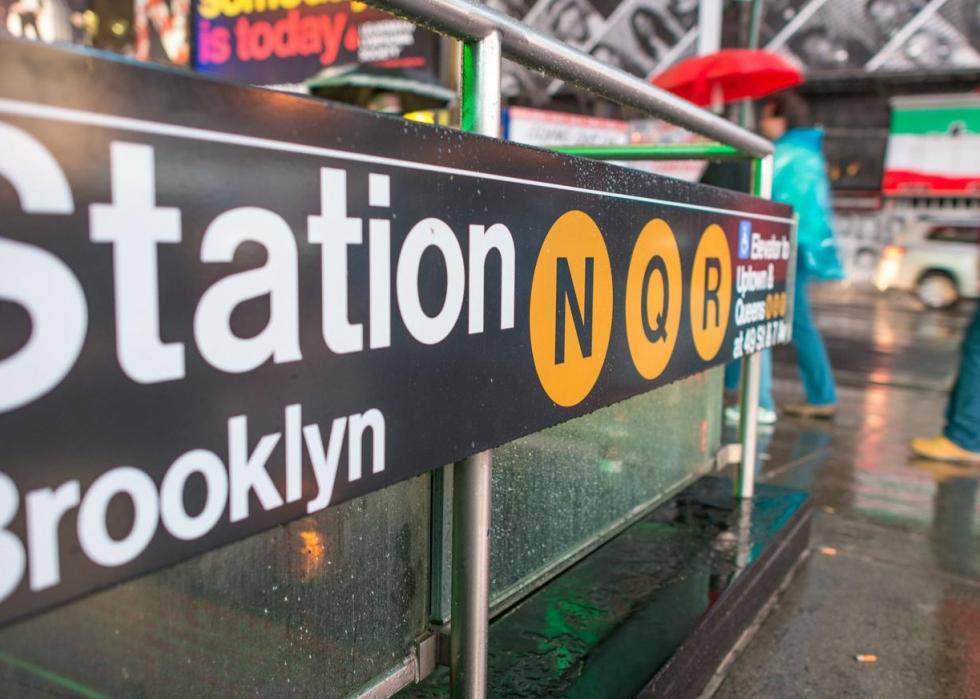
Public transit ridership
- (as of June 1, 2020): -62%
Public transit ridership was down 62% compared to normal as of June 1, 2020. Many people have, according to a survey by CNBC/Change Research from April, which eliminates their need to take buses and trains to the office.