Bitcoin and the world of cryptocurrencies, explained
Three hundred thirty-one years ago, the first piece of paper money was printed in the United States. The Massachusetts Bay Colony to fund military action in King William's War. Flash forward to today, and those bills are as ubiquitous as the British pound or Chinese renminbi. In recent years, however, there have also been talks that those bills may be replaced with a newer form of money altogether: cryptocurrency.
What is cryptocurrency? Is it really likely to replace our current cash system? 麻豆原创 answers all these questions and more in our closer look at Bitcoin and the world of cryptocurrencies. Using news reports, financial websites, and industry resources, we've answered the 10 most pressing questions you have about cryptocurrencies. While the topic is a complex one, we've done our best to discuss it in layman's terms and have avoided the more highly technical aspects that tend to bog down the discussion rather than carry it forward.
So read on to learn who invented this new form of money, how it's mined, and what, exactly, Elon Musk has to do with it all. You're sure to walk away with a better understanding of what Bitcoin is and how it affects your life.
What is a cryptocurrency?
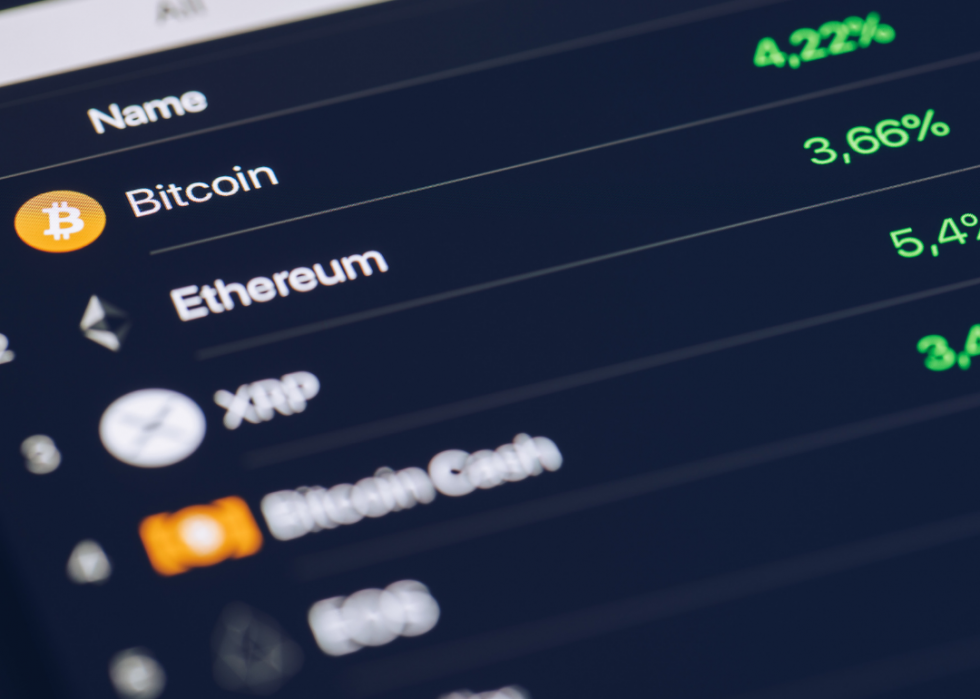
First things first: What is a ? In short, they are digital currencies that are protected by cryptography (a method of safeguarding information through complex codes). This encryption makes them incredibly secure and almost impossible to counterfeit or double-spend. Most cryptocurrencies work using a new technology called blockchain, a decentralized technology that's spread across many computers.
What is a blockchain?
As stated above, are a new form of technology that records information. Termed distributed ledger technology, these blockchains keep records across a large number of computers (rather than on a single computer server), grouping the data in sequential blocks. Once locked into place, these blocks cannot be changed or altered, meaning that records of who mined a currency or spent it are never called into question, and cryptocurrencies can never be stolen the way a credit card can.
You may also like: The best streaming services in 2021
Is there a central authority overseeing cryptocurrencies?
No. By their very definition, Bitcoin and other cryptocurrencies are completely democratic and in the way that the U.S. dollar is. A true peer-to-peer payment network, cryptocurrencies can only work if all participants use the same software and abide by the same rules. This provides a strong incentive for a consensus to be maintained, or else Bitcoin will cease to have any value and all users will lose their cryptocurrency wealth.
How are cryptocurrencies mined?
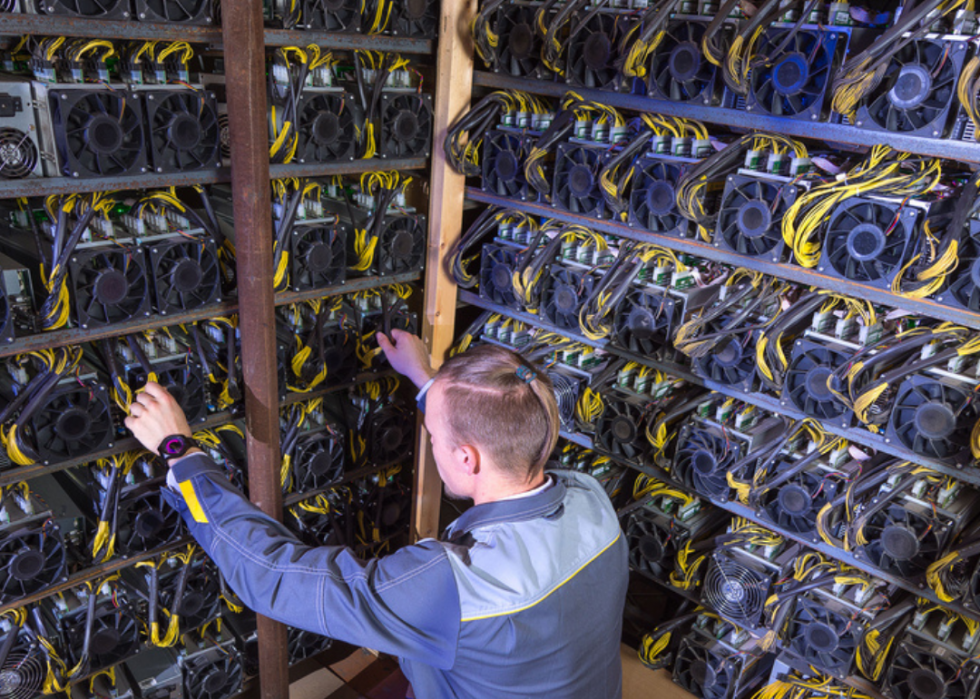
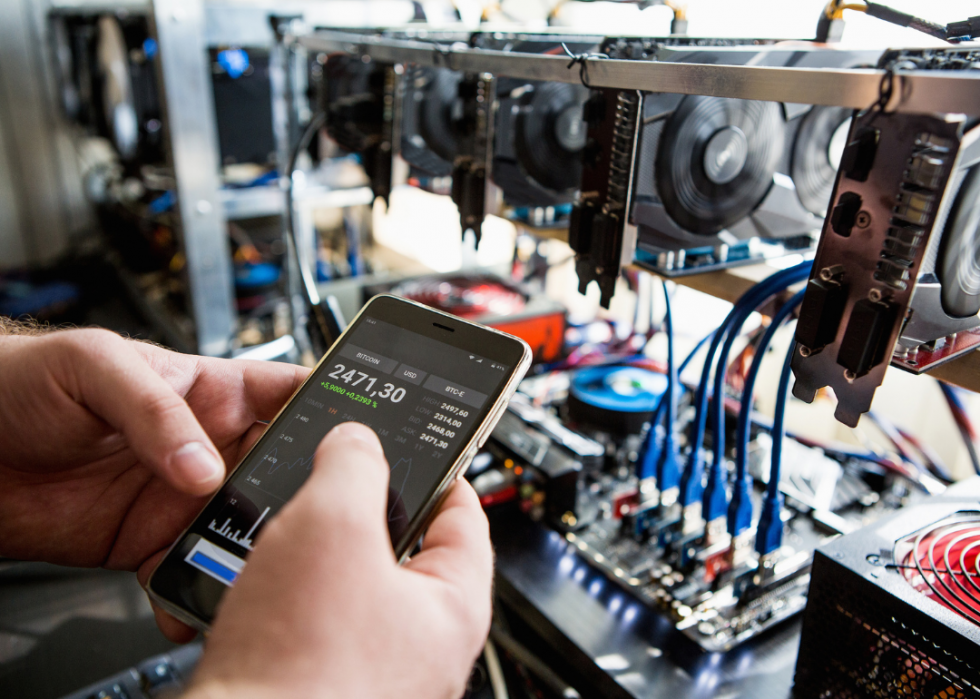
The interesting thing about cryptocurrencies, and bitcoin, in particular, is that they are (with the exception of the genesis block). New bitcoins are mined (or minted) by being the first person to correctly verify one megabyte of existing bitcoin transactions. This is incredibly time-consuming work that involves a lot of computation power, but these days it is not the only way to obtain bitcoin. Bitcoin can also be bought or earned by doing things like publishing an article on a website that pays via cryptocurrency.
Can bitcoin be used in everyday purchases?
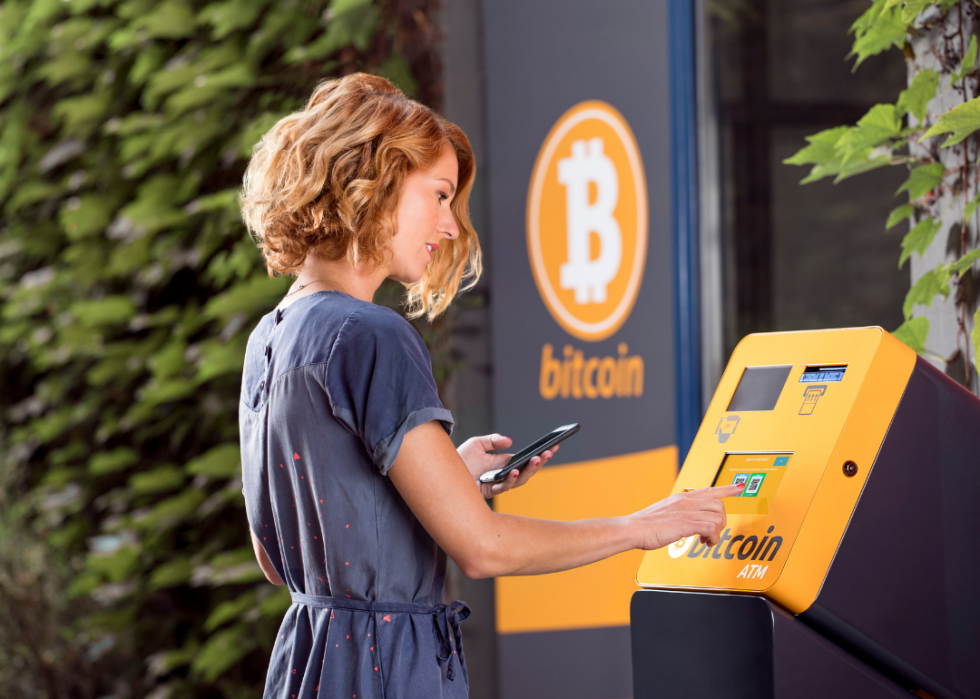
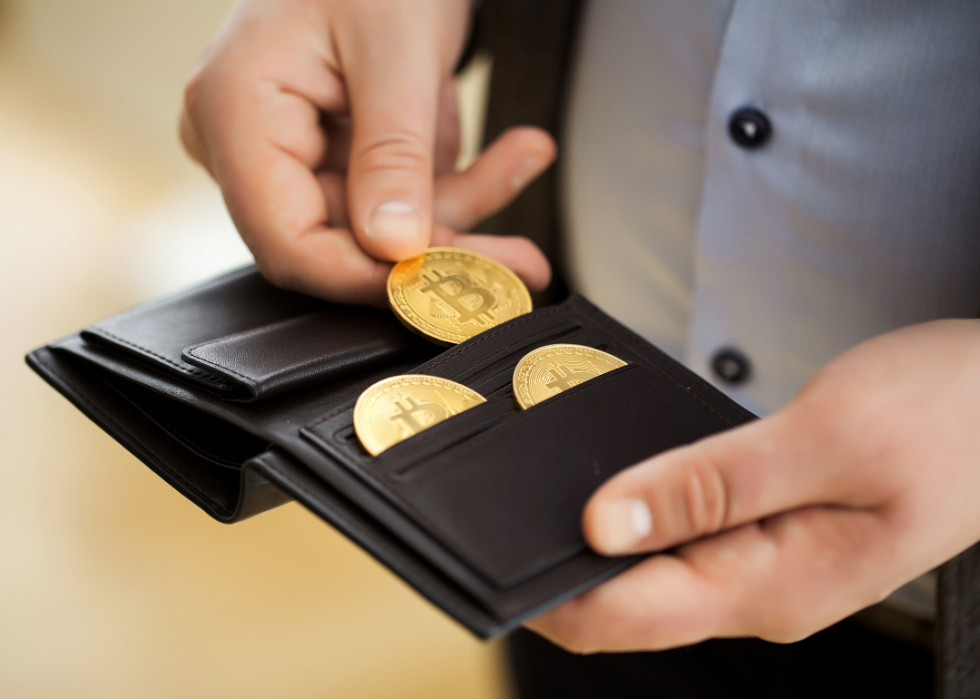
Yes, and no. In 2021, much of what cryptocurrencies are is more theoretical than practical, which is further demonstrated by their purchasing power鈥攐r lack thereof. While bitcoin (you can use a third-party app called Purse to use bitcoin to buy items on Amazon), you certainly can't just walk into a grocery store and buy a gallon of milk with a bitcoin or two. In fact, even apps like Purse or PayPal, which allow purchases to be made with bitcoin, before making the transaction, so you aren't technically spending that bitcoin or Dogecoin, but rather its legal tender value.
Why were cryptocurrencies invented?
So if you can鈥檛 spend a bitcoin or unit of cryptocurrency, why were they invented? The answer may lie in , which reads: 鈥淭he Times 03/Jan/2009 Chancellor on brink of second bailout for banks.鈥 (Alluding to a headline from The London Times.) This seems to imply that the founder had a lack of faith in the banking system and was looking for an alternative way to store and protect their wealth, as well as wanting to disrupt the control of the money supply and empower the individual when it came to their finances.
Who created cryptocurrencies?
Bitcoin is widely considered to be the world鈥檚 first cryptocurrency. Yet, despite having existed for just over a decade, no one actually knows who founded it. The original Bitcoin whitepaper thate outlines how the currency works was published , the same person who mined the first bitcoin block, but the individual鈥檚 (or group of individuals鈥) identity remains a mystery. There are dozens of theories out there about who they are, but none have been definitively proven, making this a Holy Grail-level mystery of our time.
Why are cryptocurrencies important?
Financial pundits aren鈥檛 yet convinced that Bitcoin, or similar cryptocurrencies, will replace the dollar, pound, or yen in any real way. However, as a scientific and technological innovation, cryptocurrencies are massively important. In particular, the blockchain system that governs most of these currencies . Blockchain allows us to move information securely and authentically and can be adapted for things like voting, maintaining inventory records, and identifying exploited labor practices.
You may also like: The best streaming services for sports in 2021
How many kinds of cryptocurrency are there?
The number of cryptocurrencies is always growing, so it can be difficult to pin down an exact count, but as of April 2021, there were . This includes coins, like bitcoin and Dogecoin, as well as tokens, which represent a tradable asset or utility (like 10 hours of free streaming on a service or a certain number of loyalty points from a company).
How does Elon Musk fit in with all of this?
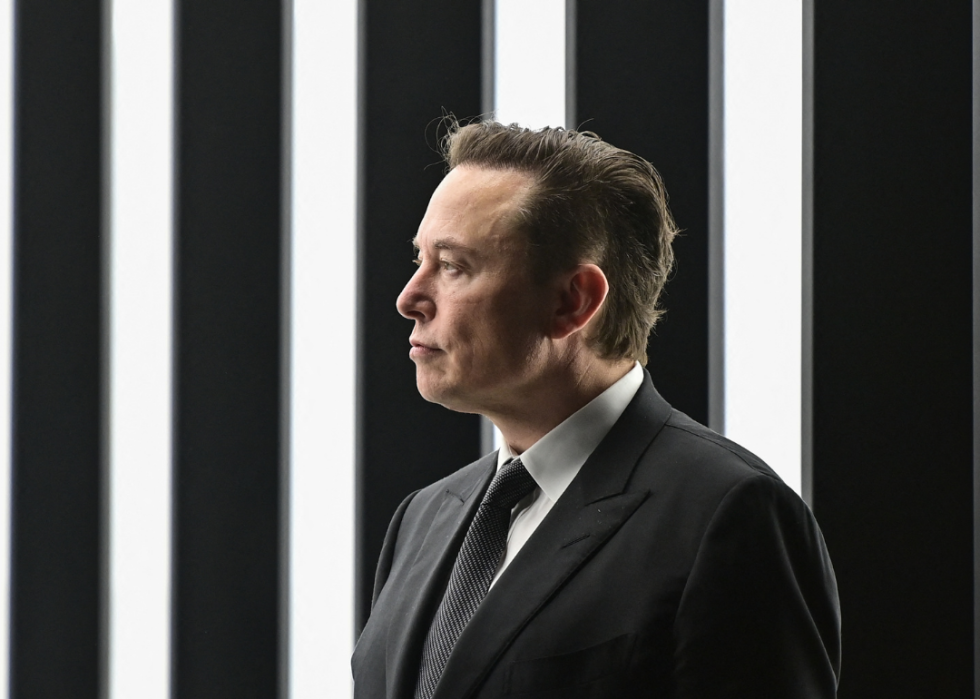
Almost every discussion of cryptocurrency winds its way to Elon Musk, so how does he fit in with all of this, exactly? Only as an ardent supporter of and believer in cryptocurrencies, really. Many have theorized Musk is actually Nakamoto (he's not) or the mastermind behind Dogecoin (that would be ), but really, Musk is simply one of the most outspoken tech leaders on the topic. , Tesla and SpaceX, are heavily invested in cryptocurrency and have engaged with the idea of accepting them as cash-equivalent payments for goods and services, but aside from that, Musk is no more special in the development or growth of these cryptocurrencies than you or me.