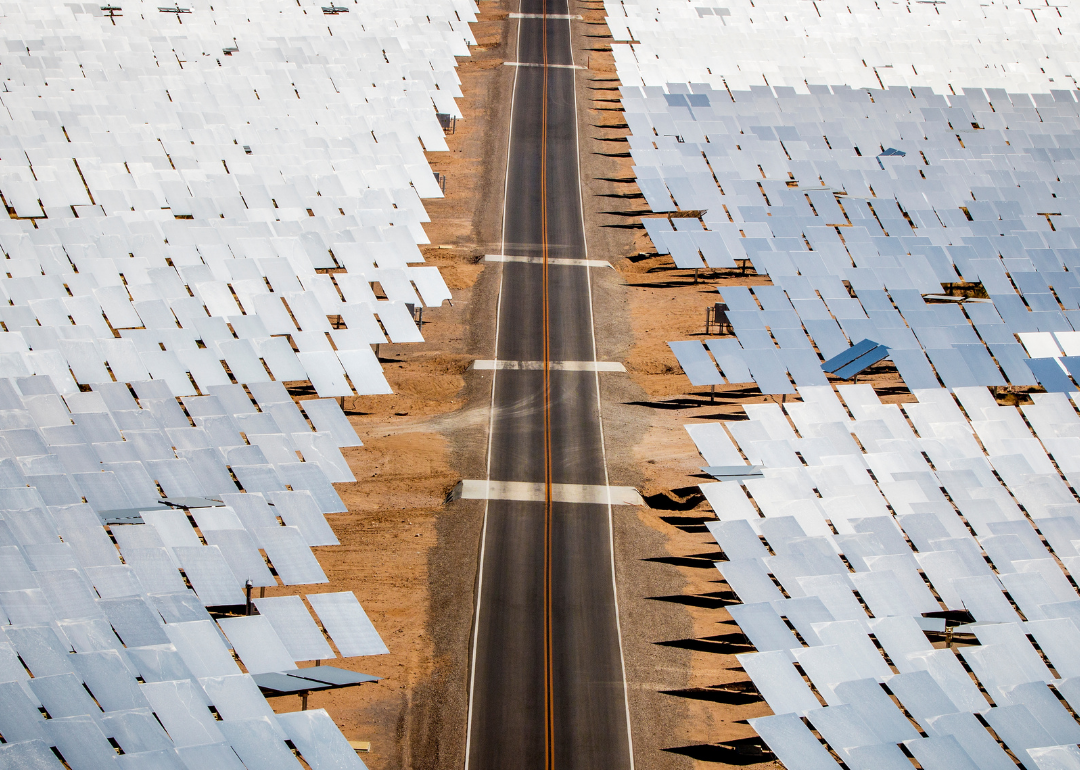
How the definition of infrastructure is changing
How the definition of infrastructure is changing
The question of what constitutes "infrastructure" has become one of the most hotly debated issues in the national media landscape. On Aug. 10 of this year, the Biden Administration scored a bipartisan win with the of the $1 trillion Infrastructure Investment and Jobs Act, but the road to ratification remains rocky as the bill now heads to the U.S. House, where it must vie for priority against a larger being prioritized by House Democrats, and a GOP faction that believes Dems are merely the traditional definition of infrastructure in order to fulfill a liberal agenda.
The $1 trillion bill is actually of a $2.6 trillion proposal that would have included robust funding for areas not traditionally considered to be a part of national infrastructure, among them clean energy tax credits, home- and community-based care, housing, schools, research and development, and manufacturing.
Traditionally, infrastructure has been thought of as roads, bridges, ports, water systems, airports, and freight lines鈥攚hat is considered to be "hard" infrastructure. However, that definition has evolved to include other economic sectors, among them "soft" forms such as broadband access, social services programs, the advent of electric and automated vehicle technology, and most recently, climate change resilience.
Unfortunately, as categorization expands, the state of U.S. infrastructure continues to decline. An estimated are in poor condition, and more than 45,000 bridges are considered to be, and thus in urgent need of repair or replacement. The Federal Transit Administration tags the for achieving a state of good repair for public transit systems at $85.9 billion. And during the onset and progression of the COVID-19 pandemic, which forced millions of students into a fully remote learning environment, an estimated 1 in 5 school-aged children.
It is clear that redefining infrastructure will have a direct impact on nearly every aspect of the U.S. socioeconomic fabric. To better understand what this redefinition involves, dug into the recently passed Infrastructure Investment and Jobs Act, as well as the debates surrounding what should be included under the infrastructure umbrella, and highlighted 10 key takeaways about how the concept of infrastructure is changing.
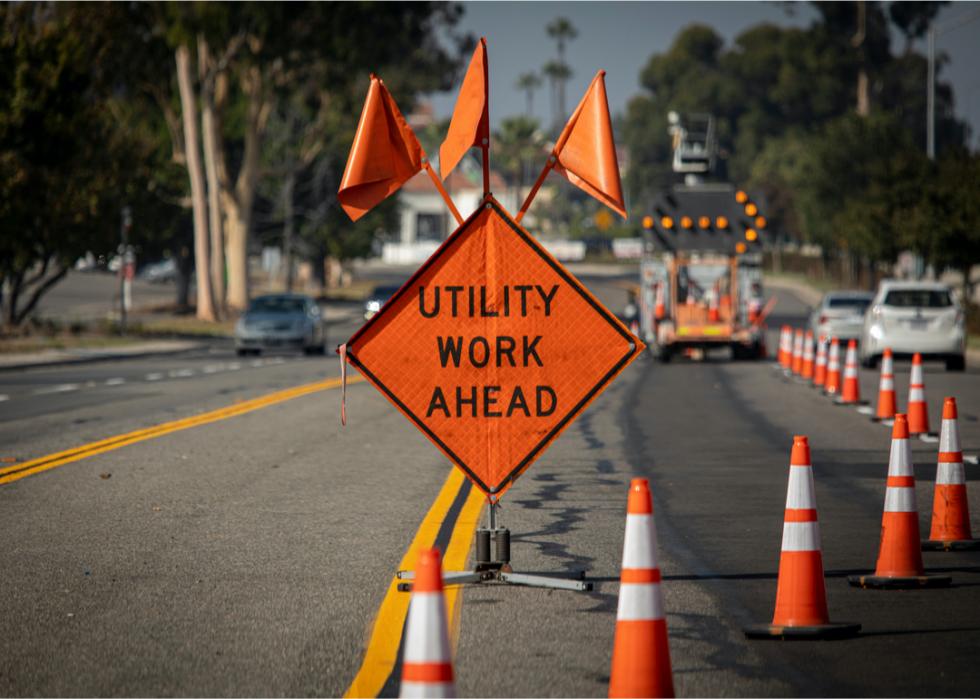
Traditional infrastructure encompasses roads, bridges, and other physical products
鈥嬧�婼ince the passage of the in 1956, which essentially created the national interstate highway system we know today, roads, bridges, freight, and public transportation such as bus systems and commuter train lines have been the primary focus of governmental attention when it comes to funding.
As recently as 2015, this trend has continued, when President Barack Obama focused his in precisely these areas. It was the first multi-year funding package in nearly a decade, and now the Jobs Act will provide a further.

Broadband internet is now a central piece of infrastructure proposals at the local and national level
Internet access is, simply put, essential, though the relative youth of the digital age has had legislators lagging behind on their willingness to acknowledge broadband as an aspect of infrastructure. But this is increasingly no longer the case. The Jobs Act devotes $65 billion to improving national broadband access, and along with it, U.S. Sen. Patty Murray introduced the , aimed at further helping states provide equitable high-speed access to underserved communities.
Thus far in 2021, 47 states along with the District of Columbia and Puerto Rico have brought more than up for consideration, and have already been passed into law.
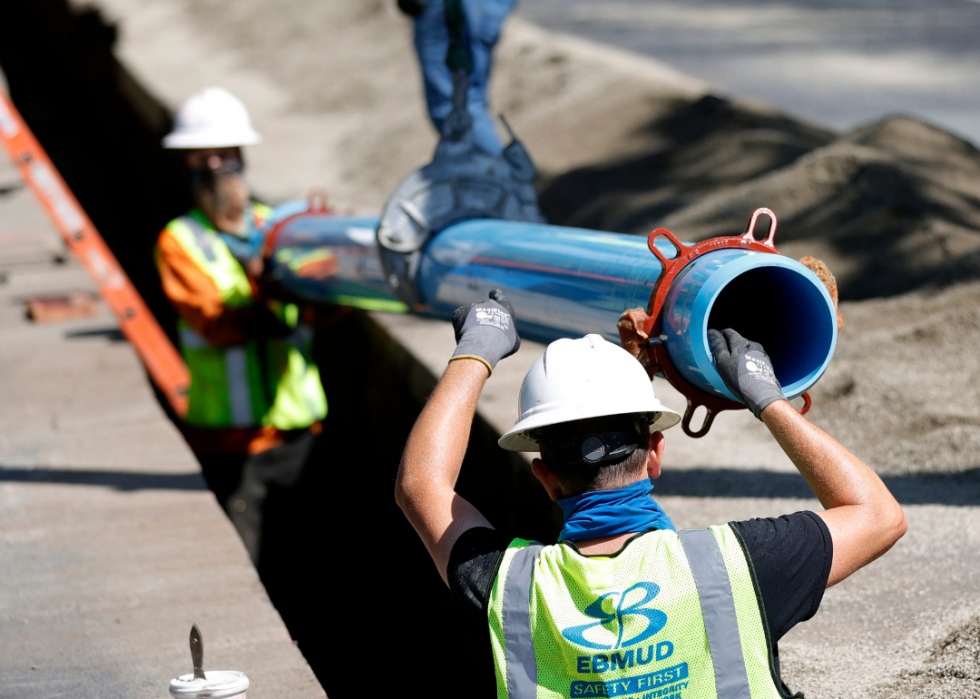
Lead water pipes have found their way into the infrastructure debate
In its , the American Society of Civil Engineers gave the country鈥檚 drinking water system a C-, noting that the system is antiquated and underfunded. With 2.2 million miles of underground pipe, nearly all of which is directly connected to homes, schools, and various businesses, the replacement of potentially hazardous lead pipes has moved at a snail鈥檚 pace.
However, the U.S. Environmental Protection Agency has established to help communities on this score, and several states have initiated lead-pipe replacement mandates, including,, and. What鈥檚 more, the EPA has made moves toward a that could set national mandates, as well.
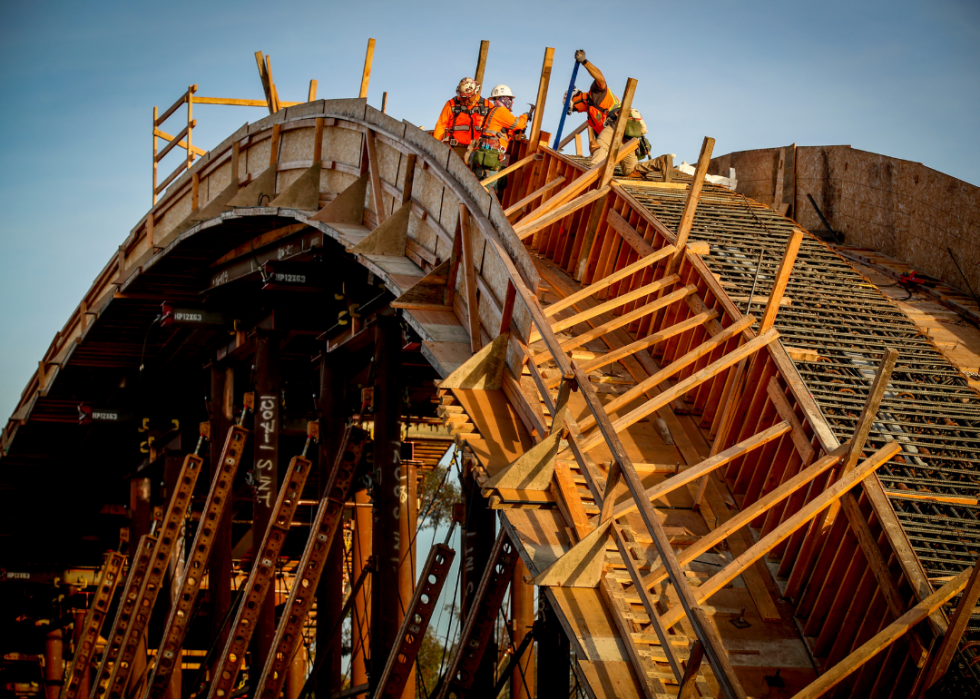
Also contested: expanding labor unions
Labor unions began to form in the early 1800s as the need to protect workers鈥� rights and interests bloomed in the wake of the Industrial Revolution. In 2020, the U.S. Bureau of Labor Statistics put at 10.8%, or 14.8 million U.S. workers. The question of expanding unions has always been a sticky wicket. Labor membership dropped 2.2% in 2020, and has dropped overall nearly 10% since data was first collected in 1983, in large part the result of.
A change, however, may crest the horizon. President Joe Biden has stated he wants federally funded infrastructure programs to be, declaring that America was built 鈥渂y the middle class and unions built the middle class.鈥�
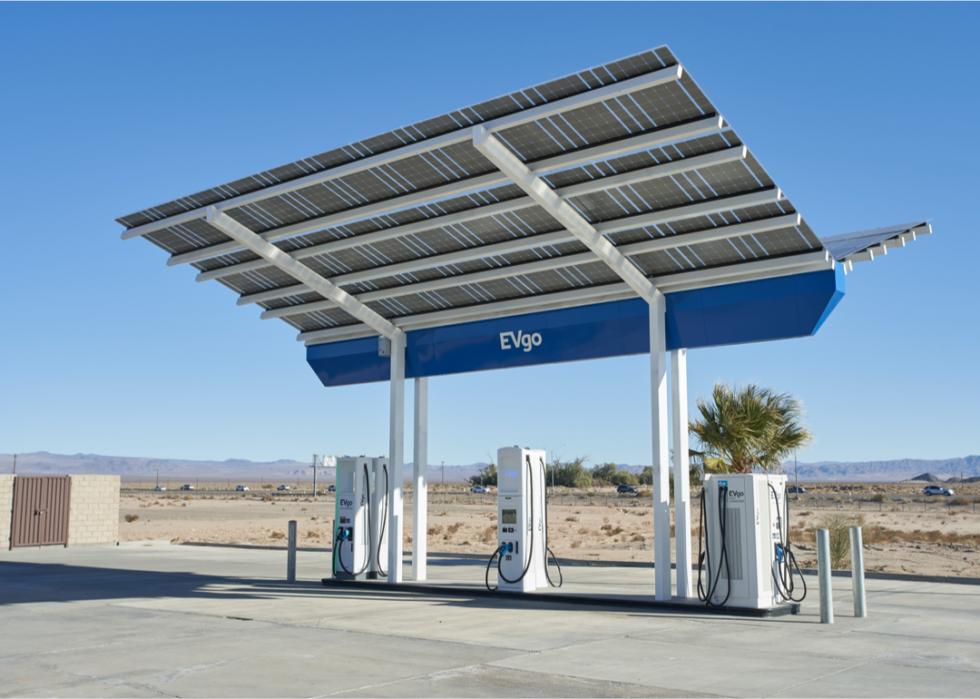
Broad definitions include electric car charging stations
Remember when the media asked, "Who killed the electric car?" Well, a viable electric vehicle market is now reality. Companies like Tesla and Ford have gone all-in on electric, but while EV sales continue to rise, the vast charging network required to keep these vehicles going and enable cross-country EV travel remains in its infancy. At present, there are just in the U.S.鈥攃ompare that with over 136,000 gas stations.
The 2021 infrastructure bill devotes $7.5 billion to growing the EV charging network鈥攖he first such federal investment in U.S. history鈥攁nd and private firms are also lining up to.

鈥� and care for the elderly
鈥嬧�婽here are approximately presently operating in the U.S. More than half provide mental health counseling and nursing, and nearly two-thirds engage in physical, occupational, or speech therapy, all of which are crucial to what President Biden calls 鈥渉uman infrastructure.鈥�
With U.S. life expectancy averaging 79.7 years鈥攁nd the U.S. Census Bureau estimating that by 2060 that number will 鈥攖he exclusion of elder and home caregiver funding from the Jobs Act has senior living advocates pinning their hopes on the as a means of bringing elder care and Medicare expansion under the umbrella of infrastructure.

Infrastructure anticipates future modes of transport, like high-speed rail
鈥嬧�婩lying cars aside, many of the advances predicted in the last century for how we could travel in this century have become reality. in California, Texas, and Nevada; micro-mobility systems such as scooters and fleets of electric bikes are available in many U.S. cities; and in-vehicle automation has become ubiquitous in new car and truck models.
When the U.S. House takes up its $3.5 trillion social agenda, it will also be to provide $10 billion for high-speed rail, and another $10 billion to improve mobility for low-income Americans.
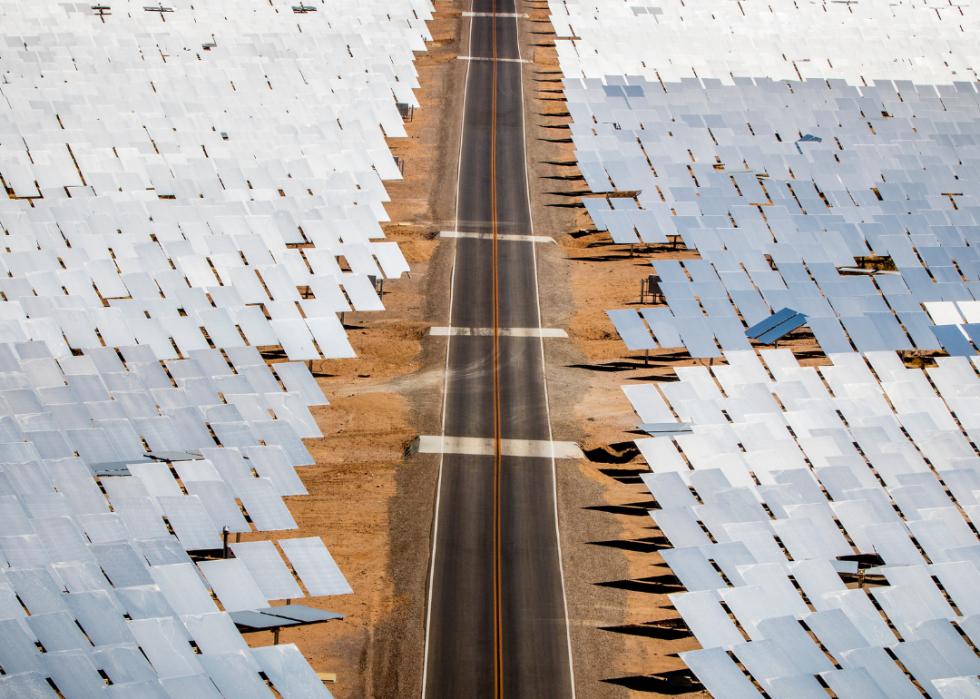
Today鈥檚 infrastructure plans also take into account climate change and energy grids
One million megawatts鈥攖hat is how much electricity the national grid produces. However, in light of recent large-scale climate change-related power outages, notably the one that, it is clear that the national grid requires modernization. The U.S. Department of Energy puts the economic cost of power outages at $70 billion annually.
will provide $73 billion to upgrade the national grid and forge new investments in smart grid technologies. Moreover, climate change, which is causing higher temperatures, rising sea levels, and more intense hurricanes, is now widely recognized as one of the largest impacts on infrastructure resilience. As such, $47 billion from the Jobs Act will go toward in the form of flood control measures, protecting coastal lands, and fighting against drought and wildfires.
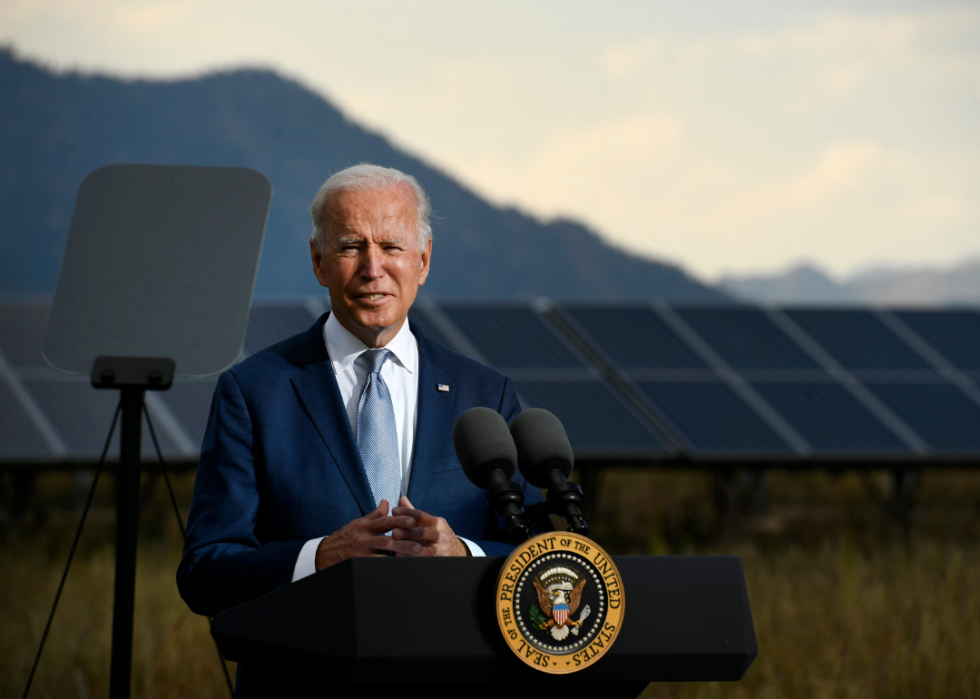
Opponents of Biden鈥檚 bill highlight potentially low returns on investment
While the White House insists the Jobs Act will pay for itself through a combination of redirected emergency relief funds, targeted corporate user fees, a crackdown on cryptocurrencies, and revenue generated from higher economic growth that will result from the plan, not everyone is convinced. The nonpartisan finds that the White House appears to overstate savings or count savings that have already occurred, finding a shortfall of nearly $300 billion.
Republican leaders have also been vocal in their skepticism, with saying the bill 鈥渃ontinues to spend money our country doesn鈥檛 have鈥攁nd contrary to lots of Enron-style accounting claims, no, it won鈥檛 pay for itself.鈥�
[Pictured: President Biden makes remarks during a press conference on the grounds of National Renewable Energy Laboratory on Sept. 14, 2021 in Arvada, Colorado.]
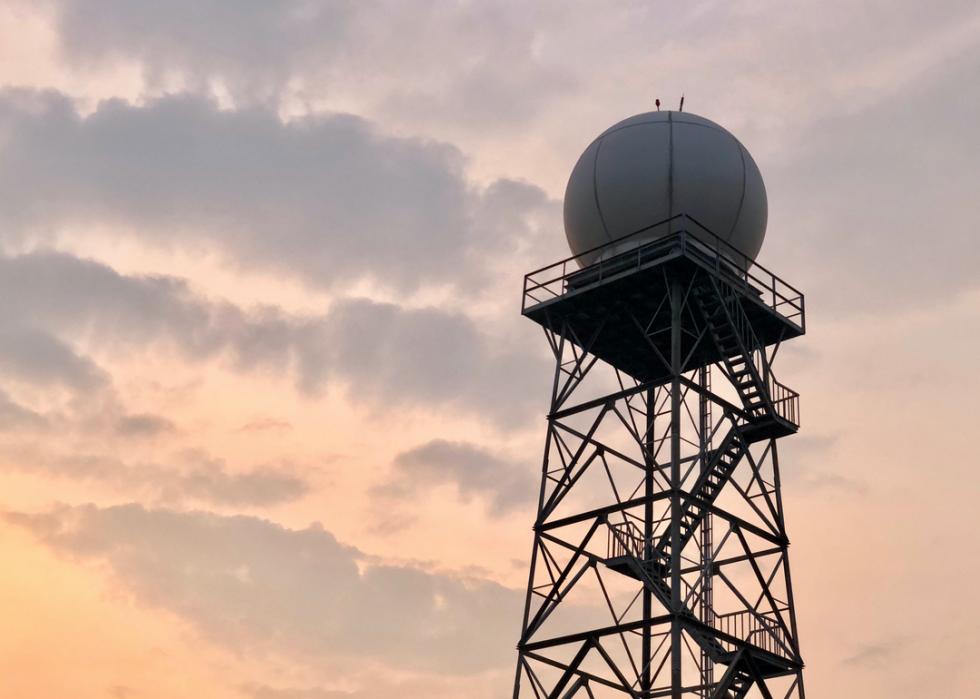
Infrastructure proposals will increasingly include virtual services like cloud computing and weather data
As climate change causes more intense weather events and with more frequency, the weather data systems that track, analyze, and predict climate patterns are being recognized as a crucial part of national infrastructure.
In a 2017 white paper, the concluded that weather and climate data are crucial to the sustainability of infrastructure because they reduce the risk of weather-related disasters, create systemic resilience against climate change effects, and drive growth across many economic sectors. The study also noted that weather forecasting, often featured on the evening news, offers a $31.5 billion value to the U.S. economy.