Keeping kids safe in cars: A look at booster seat safety stats
This story originally appeared on The General and was produced and distributed in partnership with 麻豆原创 Studio.
Keeping kids safe in cars: A look at booster seat safety stats
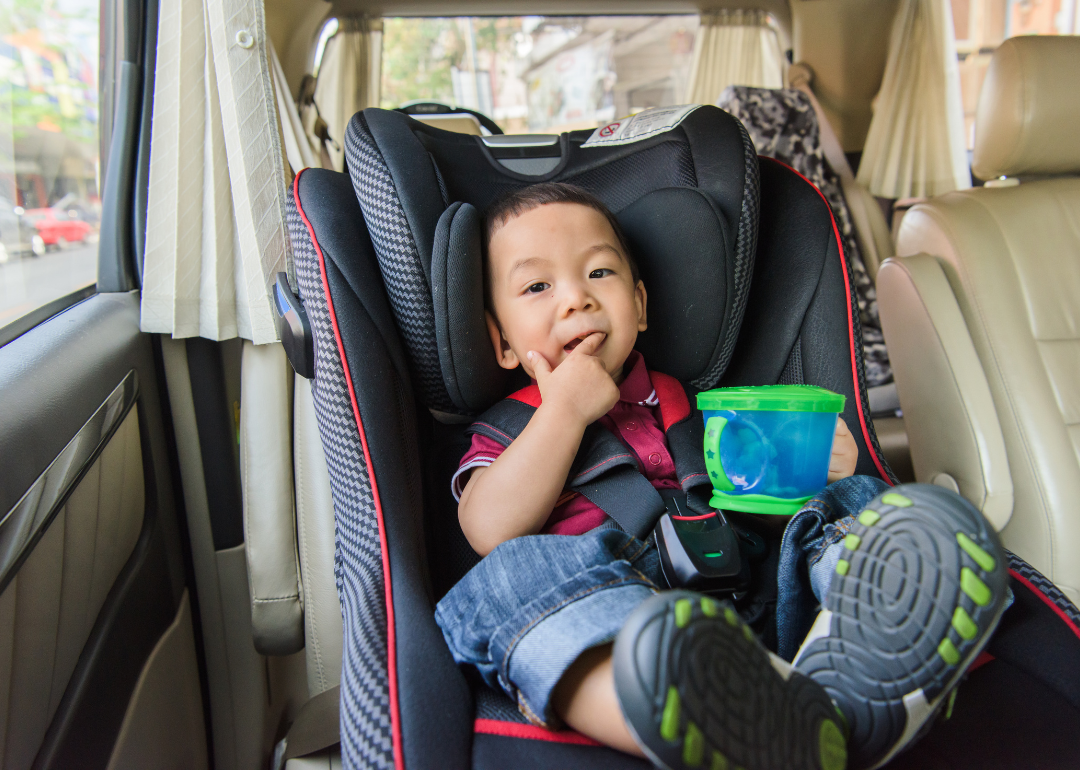
Despite massive gains in child passenger safety over the years, unintentional accidents, including motor vehicle crashes, remain a for children 4 years and older, according to the CDC. It is crucial for guardians to select the appropriate car restraint device for a child.
In an effort to combat improper restraint usage among child passengers, the Transportation Recall Enhancement, Accountability, and Documentation Act mandated authorities . The National Highway Traffic Safety Administration subsequently published to direct parents and guardians toward the type of seat best suited for their child's age, weight, and height. Even with additional guidance, misuse persists among the population.
compiled statistics from the to identify discrepancies between recommended car seat use for children and observed use. The survey is a nationally representative sample of child restraint use in the United States, where the population of children observed includes newborns to 12-year-olds riding in passenger vehicles that stop at four types of data collection sites: gas stations, fast-food restaurants, daycare centers, and recreation centers. The survey compiles observed child restraint use along with interviews with the adult occupant of the vehicle.
The survey considers an occupant "restrained" if they use a rear-facing car seat, forward-facing car seat, high-backed booster seat, backless booster seat, or seat belt. An "unrestrained" passenger does not use any restraint device at all, including a seat belt. This category also includes improperly buckled or strapped seat belts.
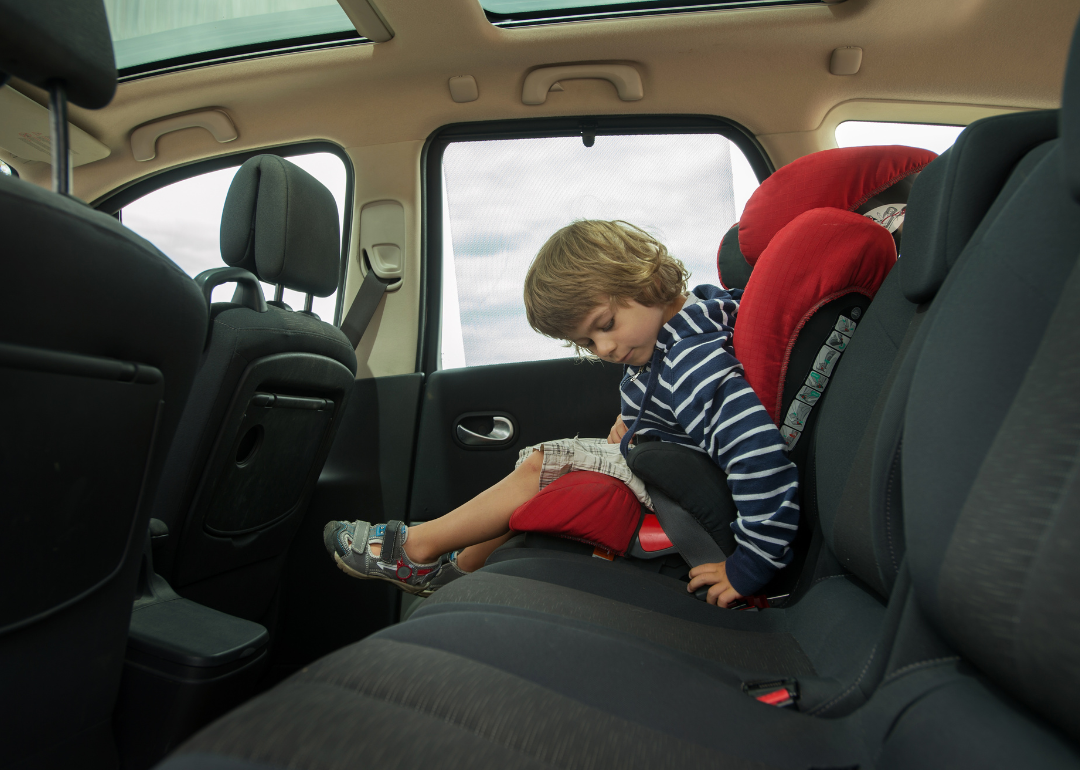
1 in 4 young children is improperly restrained while riding in a vehicle
Just over a quarter of children between ages 4 and 7 are improperly restrained in vehicles. Of those, 16.1% are secured with just a seatbelt, and 10.6% are completely unrestrained.
While seat belt use is effective in protecting older children and adults, it is insufficient for securing children under 12. According to the CDC, compared to seat belt use alone.
Most children are restrained appropriately for their age: 42.2% of children observed in the NSUBS study were restrained in forward-facing car seats, and the remaining 31% were restrained in booster seats.
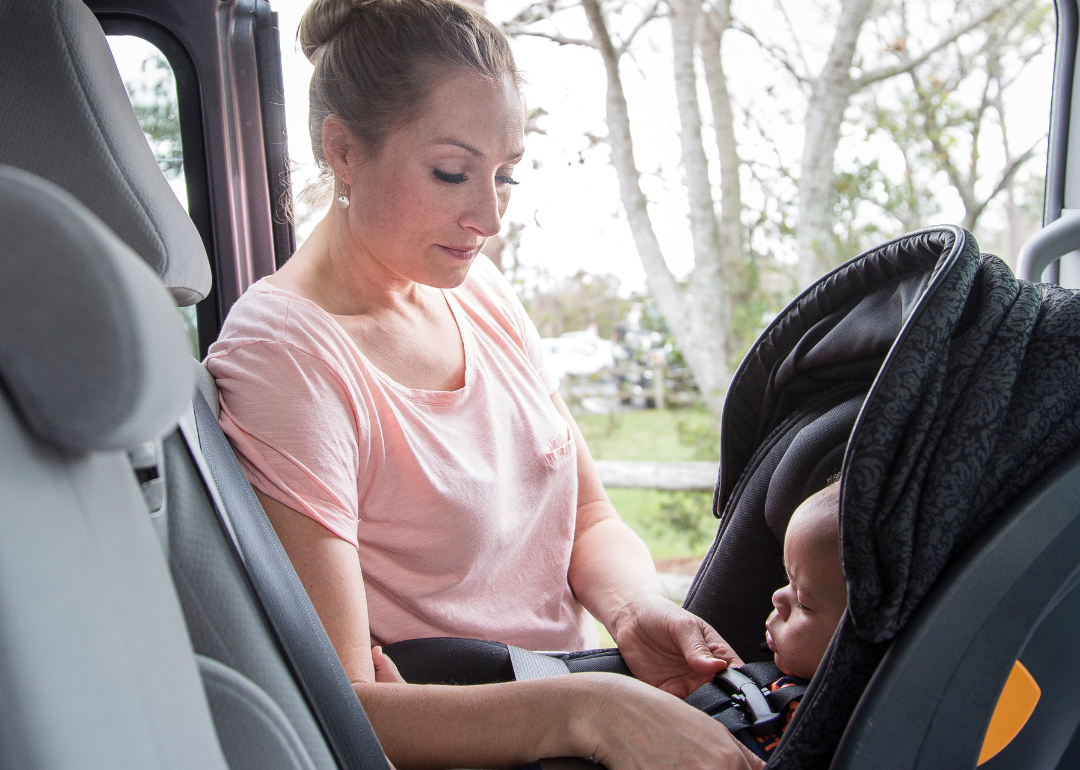
While most infants under 1 are properly in rear-facing seats, more than 13% of 1- to 3-year-olds are transitioned to front-facing seats too early
According to the CDC, until ages 2 to 4, depending on their height, weight, and the seat manufacturers' indicated limits. Those transitioning to front-facing seats too early face a greater risk of injury in accidents.
The American Academy of Pediatrics advises parents and guardians to as they provide the greatest protection against car crashes. Despite this, just one-third of U.S. states mandate rear-facing seats until the child reaches age 2. Though it may be perfectly legal to transition a child to a front-facing seat before they outgrow their rear-facing seat, it is not always safe.
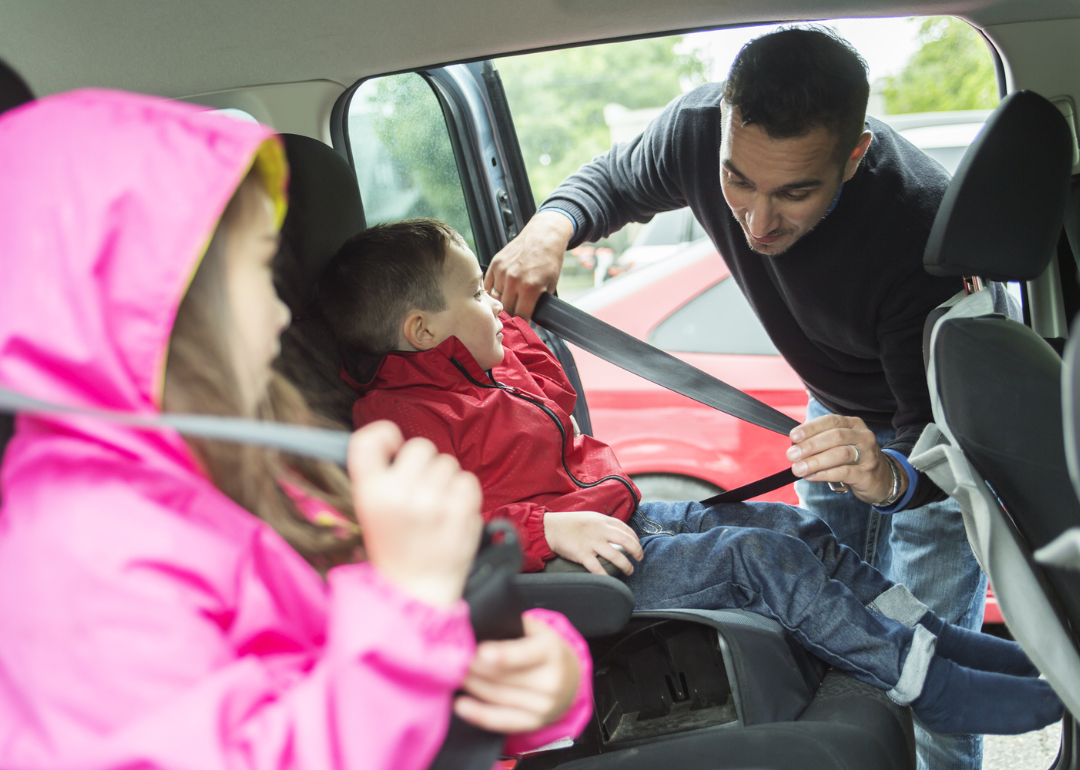
More than 25% of children ages 4 to 7 are improperly transitioned out of car seats
The suitable car restraint device for a child can vary greatly between the ages of 4 and 7. It depends largely on the child's height, weight, and seat manufacturer's requirements but is usually a forward-facing car seat or booster seat.
Despite this variability,nearly three-quarters of 4- to 7-year-olds are 鈥攁n increase of 3.7% from the 2019 edition of the NSUBS survey. Similarly, the use of forward-facing car seats increased by nearly 10% between 2019 and 2021.
Still, over a quarter of children were found improperly restrained: Guardians must pay close attention to their selected seat's height and weight requirements.
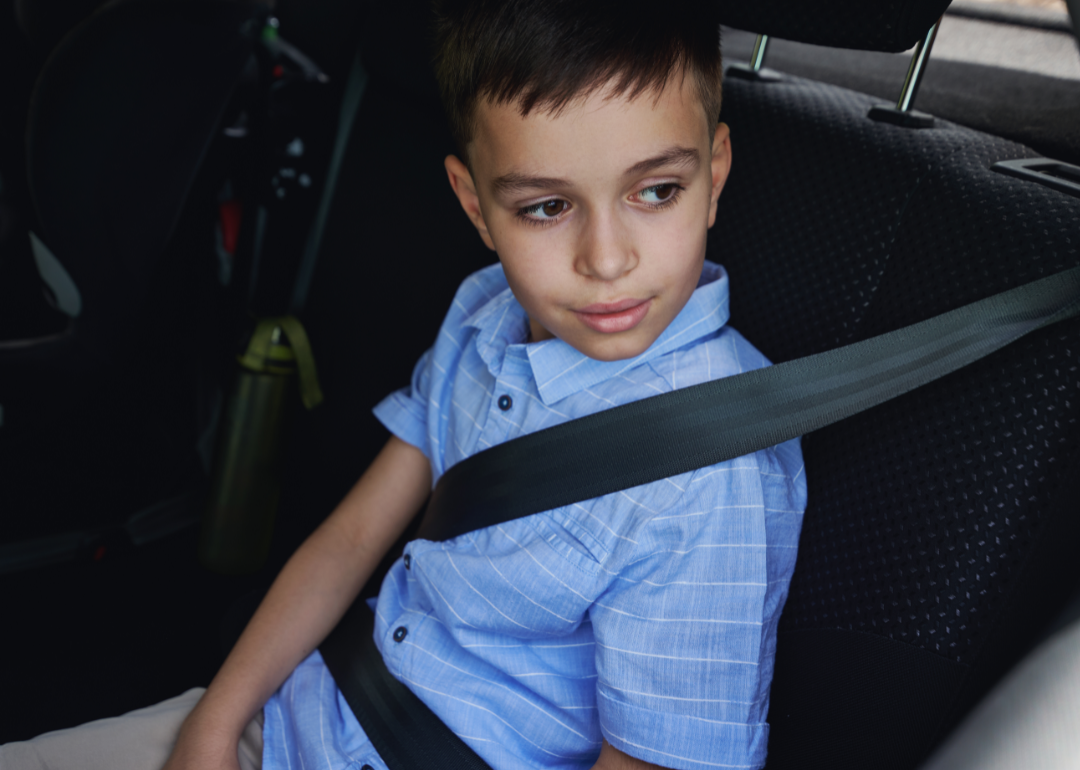
Older children were still unrestrained at a similar rate in 2021 compared to 2019
While there has been progress among some categories in terms of appropriate car restraint usage, others have remained stagnant. In 2021, 13.2% of children 8 to 12 were 鈥攁 slight increase over 2019. However, among other restraint types, compliance improved year-over-year.
The percentage of children under 13 who are 37 to 53 inches tall appropriately fitted into forward-facing car seats increased by 13.9% to 42.9%. Likewise, in 2021, those improperly restrained decreased by more than 9% to 30.4%.
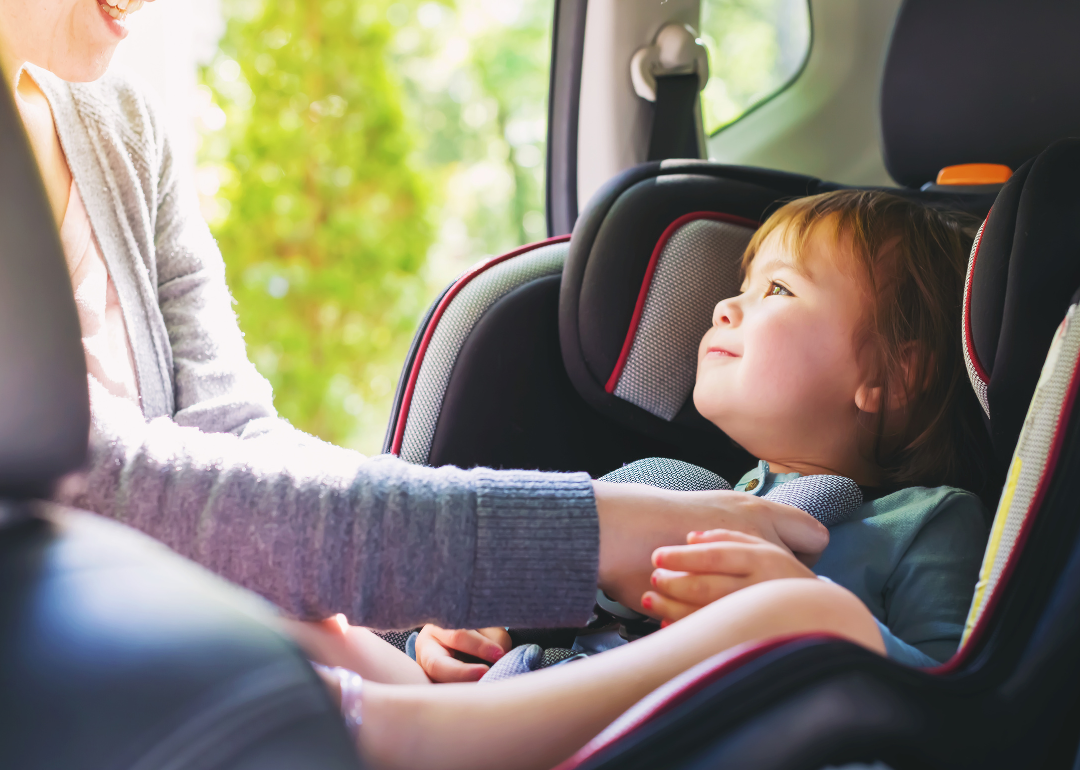
Following the manufacturer's guidelines for car seat use is the best way to ensure children are most protected
Unfortunately, there is no one-size-fits-all approach to selecting the best car restraint device for a child. under 13 remains relatively high at 89.8%, but ensuring their total safety requires carefully selecting the appropriate seat for their height and weight.
The safest car seat for a child is one that is specifically designed to accommodate their size according to the manufacturer's guidelines. Similarly, when transitioning out of car seats,the National Highway Traffic Safety Administration advises guardians to until a child is large enough for a seatbelt to fit properly, in that the belt lies snugly across the upper thighs rather than the stomach.
Additional research by Sam Larson. Story editing by Brian Budzynski. Copy editing by Kristen Wegrzyn. Photo selection by Abigail Renaud.