Provinces with the lowest unemployment in Canada

Written by:
March 13, 2020
Diego Grandi // Shutterstock

Provinces with the lowest unemployment in Canada

The dropped to 5% in 2019 making it look as though the global labor market is strong, but many of those gains were in low-paying industries. In the U.S., North Dakota, South Carolina, Utah, and Vermont hold the at 2.4% each; while in Canada, British Columbia, Manitoba, and Quebec have the slightest rates starting as low as 4.5%.

compiled a list of provinces ranked by January 2020 unemployment rates sourced from to get an idea of what parts of the Great White North have the strongest labor markets. Ties are broken by a higher workforce participation rate, while the Northwest Territories, Nunavut, and Yukon were omitted since the January 2020 rates were unavailable at the time of publication. To close out 2019, however, rates showed and Canada's smallest territory, Yukon, at just 3.6%. The overall participation rate in January was 65.4%.

Âé¶¹Ô­´´ also looked to to report Canada's nationwide unemployment rate of 5.6% in February, which totaled . Ontario, which contains nearly 40% of the country's population, recently in an effort to spur job growth. The cut was part of a newly formed Regional Development Program initiative aimed at saving small businesses more than $5 billion in 2020.

The unemployment rate in Canada was 10.3% for adolescents, while women had a lower unemployment rate than their male counterparts, 4.7% to 4.9%. The industries that produce the most employment in Canada include agriculture, mining, forestry, wholesale and retail trade, health care, and social assistance.

Along with each slide, you'll find information about the top industries in the province, as well as the future potential for the job market and what may spur growth.

Read on to find out which Canadian provinces have the lowest unemployment rates.

1 / 10
Dan Breckwoldt // Shutterstock

#1. British Columbia

- Unemployment rate: 4.5% (0.2% decrease since Jan. 2019)
- Workforce participation rate: 64.4% (#7 highest rate among provinces)

The economic think tank predicts the unemployment rate in British Columbia will remain around current levels, causing job growth and demand to increase wages. While the province's labor pool works hard for the money, the annual pushes business owners to provide even more perks to the workforce. Agriculture, construction, and film and television are driving employment in British Columbia.

2 / 10
Nelepl // Shutterstock

#2. Manitoba

- Unemployment rate: 5.1% (0.4% decrease since Jan. 2019)
- Workforce participation rate: 66.7% (#3 highest rate among provinces)

Directly above North Dakota and Minnesota, Manitoba's moderately robust economy, which largely relies on natural resources, is only , increasing the job market with 167,000 positions by 2024. The demand, mostly due to replacing a retiring workforce, will also increase personal income amount for Manitoba employees by 3.6% annually in the next seven years. As of February, , down half a percent from the 5.6% national average.

3 / 10
Stockphotodesign // Shutterstock

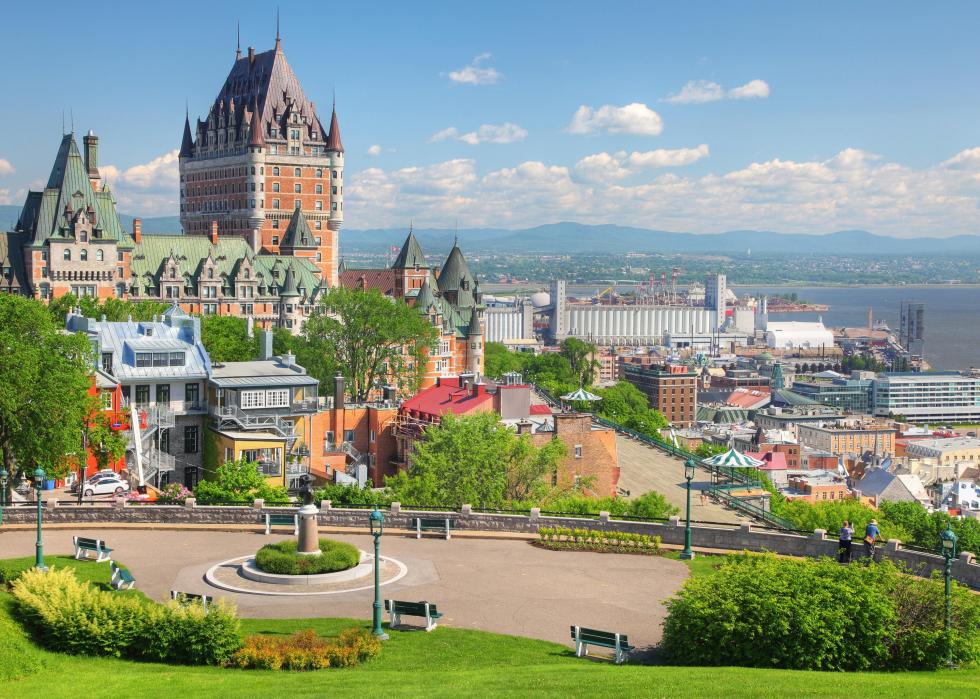
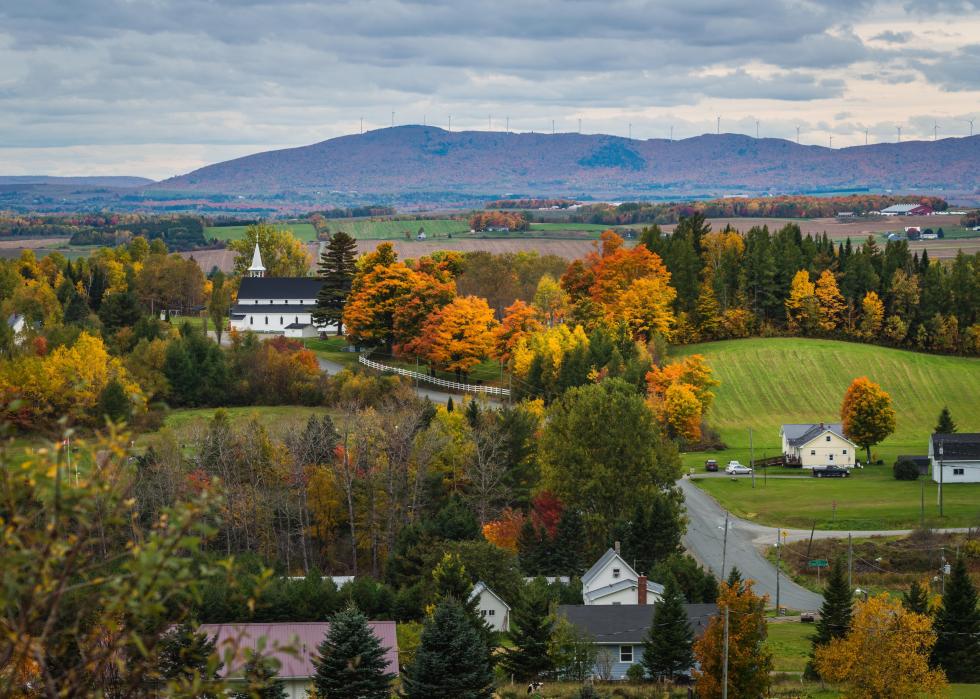
#3. Quebec

- Unemployment rate: 5.1% (0.2% decrease since Jan. 2019)
- Workforce participation rate: 64.8% (#6 highest rate among provinces)

In 2018, the central Canadian province's by dropping below 6%. Based on a 2019 Statistics Canada Labor Force Survey, the the business climate in Quebec has changed and allowed it to vie with British Columbia for job growth. when Quebec added 21,100 jobs during December 2019, dropping the unemployment rate down 0.3% from the previous month.

4 / 10
Joshua Davenport // Shutterstock

#4. Ontario

- Unemployment rate: 5.2% (0.6% decrease since Jan. 2019)
- Workforce participation rate: 65.1% (#5 highest rate among provinces)

With Quebec to the east and Manitoba to the west, stable job growth due to supporting small- to moderate-sized businesses with new equipment and training offered in the Regional Development Program in the province's eastern and southwestern areas. The government also slashed the small business corporate income tax to 3.2% to boost the economy and create more jobs, which are , including automotive manufacturing, forestry, mining, and agriculture.

5 / 10
Russ Heinl // Shutterstock

#5. Saskatchewan

- Unemployment rate: 6% (0.4% increase since Jan. 2019)
- Workforce participation rate: 69.1% (#2 highest rate among provinces)

From 2019 to 2023, the Saskatchewan government foresees up to in the region that borders Montana and North Dakota. In the next three years, in terms of expansion, followed by trade, transport, and equipment operators, then business, finance, and administration. Growing exports, market diversification, and strong trade will help create more job openings in the province, according to

6 / 10
Dolce Vita // Shutterstock

#6. Alberta

- Unemployment rate: 7.3% (0.5% increase since Jan. 2019)
- Workforce participation rate: 70.3% (#1 highest rate among provinces)

There are mixed opinions on Alberta's economic and job market future, with the United Conservative Party predicting a , while areas like the region in February experienced a 1.2% increase in unemployment from January, which was 7.4.%. More jobs are supposed to open in the energy, agriculture, and tourism sectors, according to Oil, Alberta's greatest natural resource, keeps the energy sector employing thousands, but could run the risk of collapse depending on

7 / 10
Russ Heinl // Shutterstock

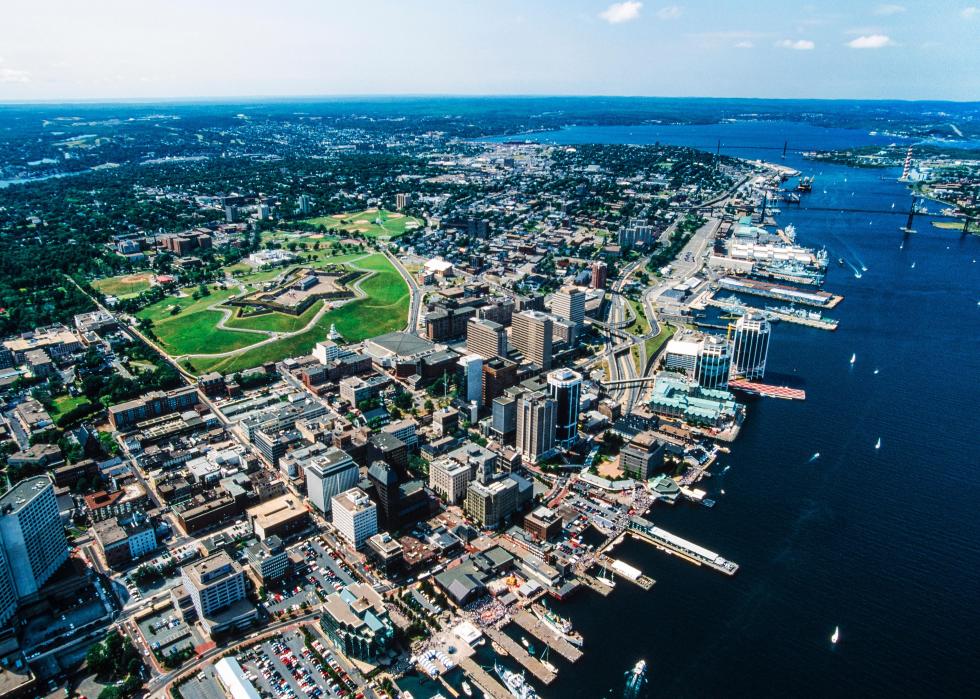
#7. Nova Scotia

- Unemployment rate: 7.4% (0.7% increase since Jan. 2019)
- Workforce participation rate: 62.1% (#8 highest rate among provinces)

Nova Scotia's capital from December 2019 to January 2020 in the area due to an While jobs are , one of the biggest industries, other reliable employment earners in Nova Scotia's southern sector are fishing and mining, which both remain stable. Some of Nova Scotia's keeping the unemployment rate down are Dalhousie University, SigMast Communications Inc., and Web.com Canada.

8 / 10
Darryl Brooks // Shutterstock

#8. Prince Edward Island

- Unemployment rate: 7.5% (2.1% decrease since Jan. 2019)
- Workforce participation rate: 66.7% (#3 highest rate among provinces)

As the , Prince Edward Island (PEI) employs the most adolescents, with PEI boasting the in the country at 8.4% with a national average of 11.1%. Some of the include agriculture, manufacturing, wholesale and retail trade, and health care and social assistance. Along with adolescents, to join the growing tourism industry, proving all ages of employees are welcome on the island.

9 / 10
Joshua Davenport // Shutterstock

#9. New Brunswick

- Unemployment rate: 7.5% (0.6% decrease since Jan. 2019)
- Workforce participation rate: 61.5% (#9 highest rate among provinces)

Reports of unassuming employment gains from 2018–27 for New Brunswick, Canada's slowest-growing region by population, do not foretell a robust economic future. Half of the expected job openings in the of manufacturing, construction, health care and social assistance, and retail and wholesale trade, while natural resources and utility services will see the least employment growth. businesses, including Irving Oil, are considered some of the greater Atlantic Canada employers.

10 / 10
Jarmo Piironen // Shutterstock

#10. Newfoundland and Labrador

- Unemployment rate: 11.9% (0.5% increase since Jan. 2019)
- Workforce participation rate: 57.4% (#10 highest rate among provinces)

Newfoundland and Labrador, Canada's easternmost region, has the highest unemployment rate out of the 10 provinces with the lowest unemployment quota, rounding up to 12% in February, . The and , as a result, devastated the local economy in Newfoundland and Labrador that still struggles to keep jobs in the coastal region. While the reports a "very strong" employment future for the area, it does warn about a needed balance between the retiring population and limited labour supply, especially for skilled workers.

Trending Now