States with the most new small businesses per capita
This story originally appeared on Simply Business and was produced and distributed in partnership with 麻豆原创 Studio.
States with the most new small businesses per capita
The pandemic has wreaked devastation on many small businesses, causing the closure of roughly establishments across the United States. This has not been the only effect on small businesses, however. According to government data, entrepreneurs are starting now than they have in more than a decade. As more people lost their jobs or began working remotely, and some businesses closed, leaving holes in the market, both online and brick-and-mortar businesses started emerging at rates staggering even to who study recessions. Their conclusion? The U.S. economy is undergoing a definitive restructuring due to changes wrought by the coronavirus, and they are likely here to stay.
To find the top 20 states with the most new small businesses per capita, analyzed the Census Bureau鈥檚 from August 2020 to July 2021. The Business Formation Statistics contains data by state for all new business applications, high-propensity business applications, and business applications with planned wages. High-propensity businesses are those that have a high propensity of turning into a business with payroll. ranked the sum of all new business applications divided by thousands of people. Population data was obtained from the 2019 Census .
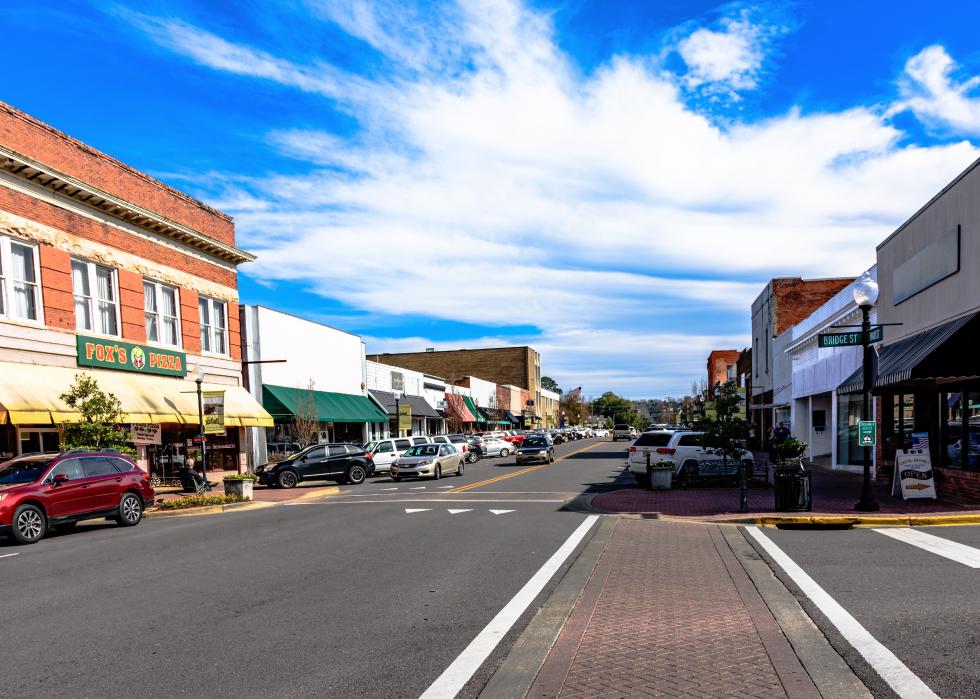
#20. Alabama
- New business applications per 1,000 people: 15.59 (76,036 total)
- High-propensity business applications per 1,000 people: 4.76 (23,219 total)
- Business applications with planned wages per 1,000 people: 1.68 (8,197 total)
In Alabama, small businesses made up a vast and employ 47.5% of its workforce in 2020. When Alabama received of the Coronavirus Aid, Relief, and Economic Security (CARES) Act funding, the state designated up to $300 million to businesses, nonprofits, faith-based organizations, and individuals suffering from financial losses due to the pandemic. The Revive Alabama grant program was established in July 2020 and awarded small businesses that did not qualify for federal assistance up to $15,000. In November, Alabama Gov. Kay Ivey introduced a follow-up grant program, , which would give qualifying small businesses up to $20,000 in assistance funds. In November, ahead of the holiday sales season, Alabama also on limited occupancy in stores, gyms, and entertainment venues in order to generate more business. The success of small businesses and the uptick in new business applications during the pandemic may be attributable to state and federal assistance and lax coronavirus restrictions. These loose restrictions have taken their toll, however: as of August 2021, Alabama hospitals have due to a severe spike in COVID-19 cases in the state.
#19. New York
- New business applications per 1,000 people: 15.67 (306,679 total)
- High-propensity business applications per 1,000 people: 6.80 (133,034 total)
- Business applications with planned wages per 1,000 people: 1.53 (30,034 total)
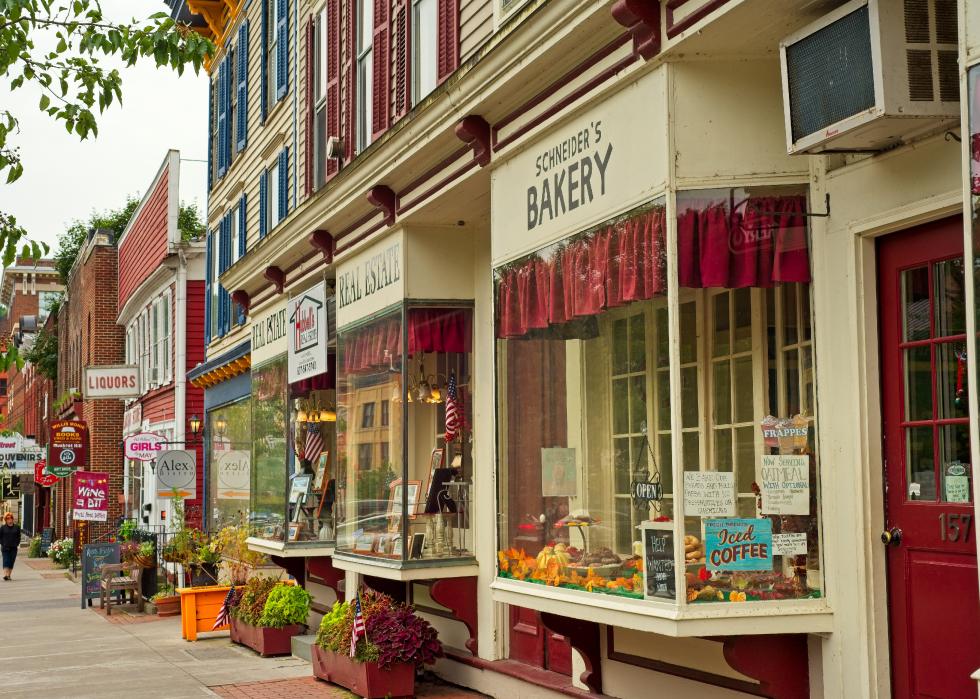
New York State鈥檚 COVID-19 Pandemic Small Business Recovery Grant Program was created to provide aid to small businesses, micro-businesses, and for-profit arts and culture organizations in amounts ranging from per business. The state also created the for small businesses, nonprofits, and small residential landlords who did not qualify for Economic Injury Disaster Loans. Additional programs for , arts organizations, theaters in New York City, and child care providers were also created. In New York State, high-propensity business applications reached a in January 2021. Small businesses comprise in the state, and employ over half of the workforce.
#18. Michigan
- New business applications per 1,000 people: 15.78 (157,281 total)
- High-propensity business applications per 1,000 people: 4.92 (49,038 total)
- Business applications with planned wages per 1,000 people: 1.7 (16,973 total)
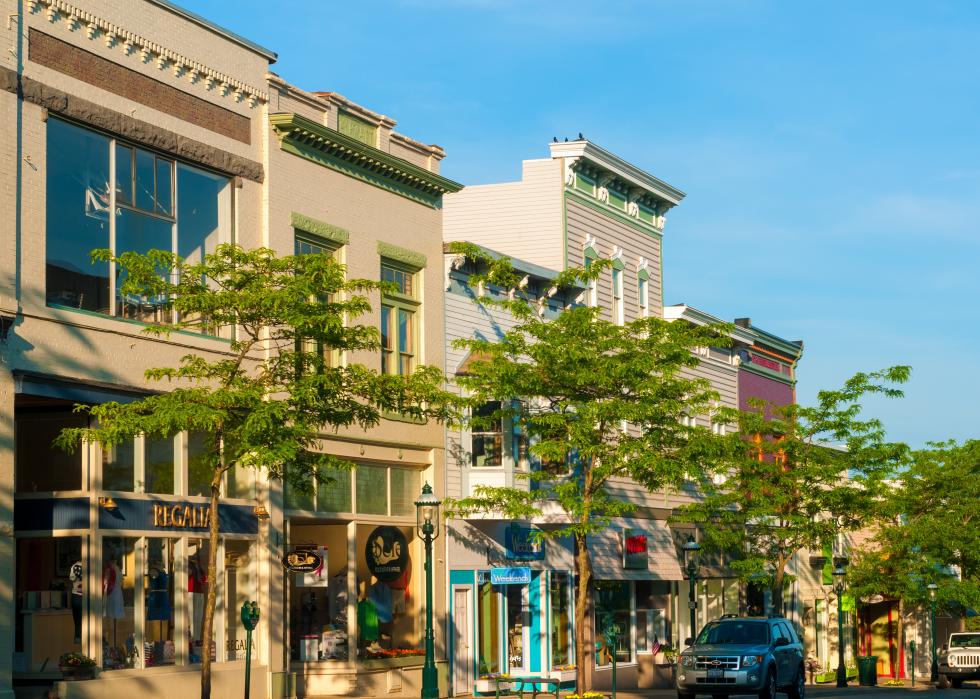
Michigan Gov. Gretchen Whitmer announced a $225 million, for small businesses in January 2021. One program, the Michigan Mainstreet Initiative, is a grant program that aids restaurants and other small businesses. The second program, the Michigan Microenterprise Support Initiative, offers support to businesses with fewer than nine employees. The third program, the Business Accelerator and Resiliency Initiative, extends grants to tech startups. In June, Gov. Whitmer unveiled the Michigan , which would, if it passes, provide small businesses with grants in order to allow them to raise their employees wages to $15 an hour. Additionally, the plan would channel $370 million into expanding access to free or affordable child care, currently a significant obstacle鈥攅specially for women鈥攊n returning to work or starting a business.

#17. Illinois
- New business applications per 1,000 people: 15.95 (203,680 total)
- High-propensity business applications per 1,000 people: 6.16 (78,611 total)
- Business applications with planned wages per 1,000 people: 1.89 (24,159 total)
Illinois created the Small Business Emergency Loan Fund, which offers businesses of up to $50,000. Additionally, the $20 million Downstate Small Business Stabilization Program provides downstate Illinois and rural businesses with the chance to team up with local governments to obtain up to $25,000 grants. The $250 million grant program targets struggling small businesses, particularly restaurants, hotels, and arts and entertainment venues. New businesses seeking funding support have not been forgotten, either. Advancing the Development of Minority Entrepreneurship is an that assists would-be entrepreneurs from under-represented groups to fund their small business or start-up. And Advantage Illinois is a program that incentivizes institutional lending to start or expand businesses.
#16. North Carolina
- New business applications per 1,000 people: 16.49 (169,235 total)
- High-propensity business applications per 1,000 people: 5.17 (53,098 total)
- Business applications with planned wages per 1,000 people: 1.98 (20,283 total)
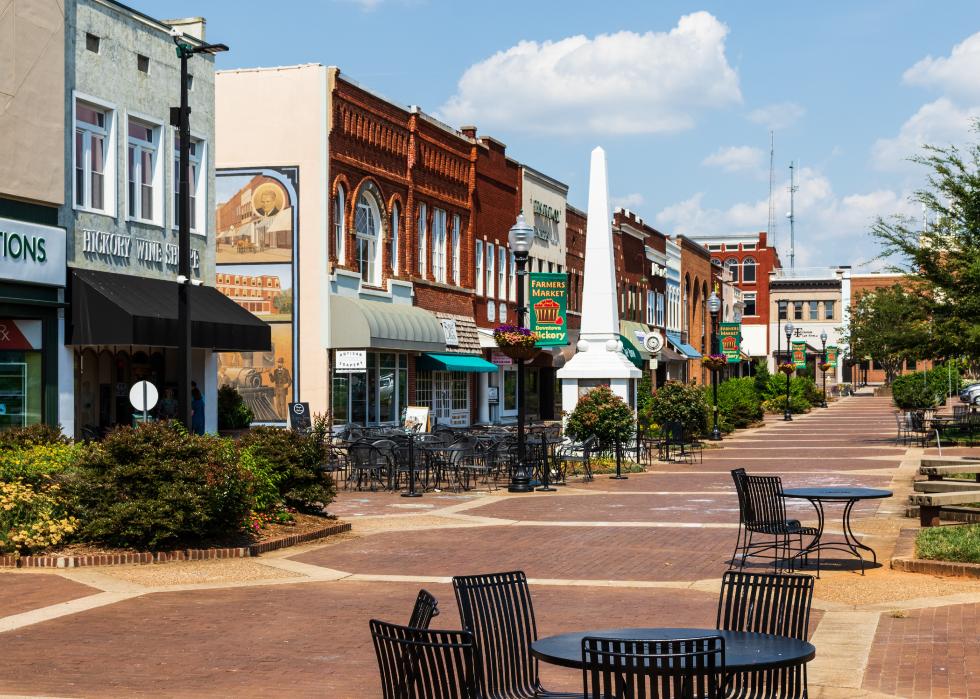
In October 2020, North Carolina made available $12 million in grants through RETOOLNC for that were suffering disproportionately from large financial losses due to the coronavirus. At the announcement of the program, Gov. Roy Cooper said, 鈥淐OVID-19 is shining a spotlight on inequities for communities of color in North Carolina, including in our economy, and this program is a good step forward.鈥� The 鈥嬧�� program, a North Carolina take on the federal Paycheck Protection Program (PPP), awarded businesses that did not participate in the PPP up to $250,000 in grant funds to temporarily cover payroll costs. Explosive new business growth in North Carolina has taken place largely in poorer counties, rather than more resource-dense urban centers, according to North Carolina Secretary of State . Many of these businesses are online and run out of people鈥檚 homes or are brick-and-mortar stores in small towns.

#15. Texas
- New business applications per 1,000 people: 16.90 (477,468 total)
- High-propensity business applications per 1,000 people: 5.46 (154,373 total)
- Business applications with planned wages per 1,000 people: 2.23 (63,129 total)
In early March, and other restrictions, leaving businesses to enforce mask-wearing and social distancing at their own discretion. Gov. Greg Abbott for leaving roughly $2 billion of the state鈥檚 $8 billion total CARES Act funding unspent at the end of 2020, raising questions about how the remaining funds would be allocated and whether it would need to be returned to the Treasury Department. Despite challenges posed by the coronavirus, small businesses opened at record-breaking rates. The Texas Skills Development Fund created a to assist businesses impacted by the pandemic train employees with grant funds.
#14. Montana
- New business applications per 1,000 people: 17.02 (17,885 total)
- High-propensity business applications per 1,000 people: 5.48 (5,757 total)
- Business applications with planned wages per 1,000 people: 2.37 (2,485 total)
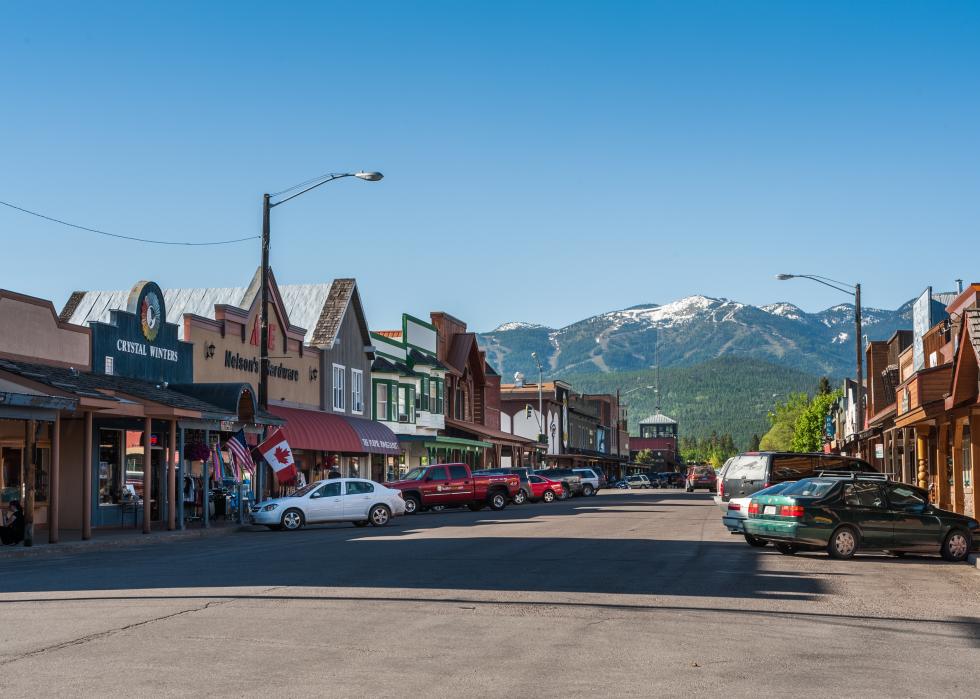
Montana was ranked as the #1 best state to start a small business in 2021, according to . This ranking was based on the state鈥檚 breadth of resources for new business owners, a five-year business survival rate of 53.4%, and a rise in consumer spending in the state, among other factors. In terms of , Montana created the Big Sky Economic Development Trust Fund (BSTF) to reimburse the wages of rehired full-time jobs. The state also formed the Workforce Recovery program, Montana Movie Theater Assistance Grant Program, Montana Business Adaptability Grant Program, Live Entertainment Grant Program, and the Montana Working Capital Program. New businesses are receiving much-needed support as begins to return to the state.
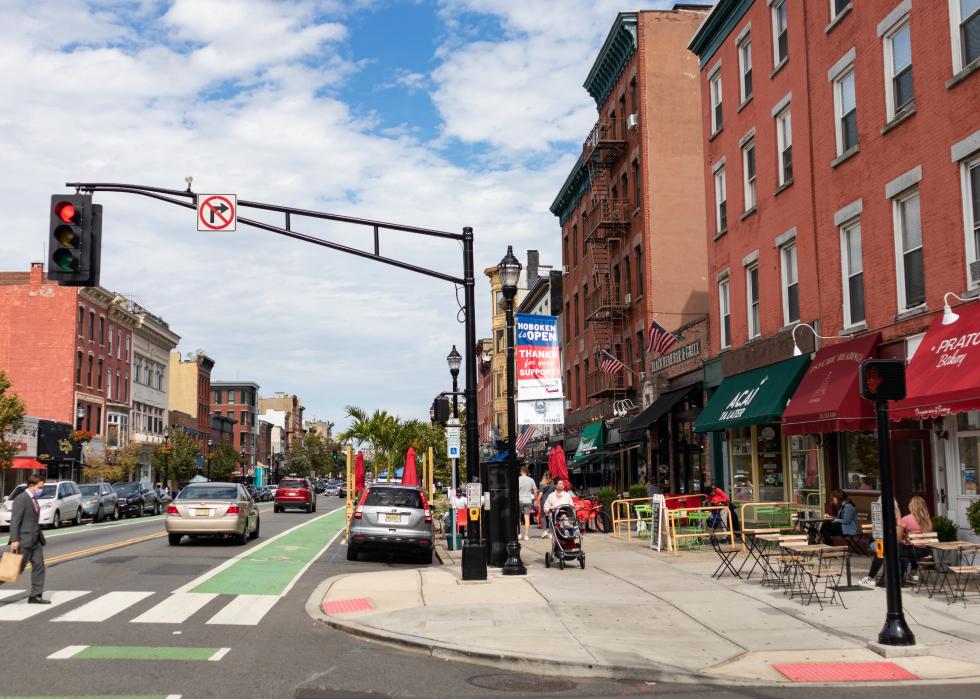
#13. New Jersey
- New business applications per 1,000 people: 18.16 (161,216 total)
- High-propensity business applications per 1,000 people: 5.32 (47,246 total)
- Business applications with planned wages per 1,000 people: 1.83 (16,234 total)
New Jersey is providing businesses and nonprofits with up to in direct-financed loans through its Small Business Emergency Assistance Loan Program. As recently as July 2021, Gov. Phil Murphy signed legislation to provide an additional to small business relief programs. This latest funding will target struggling microbusinesses, bars and restaurants, child care facilities, arts and culture organizations, and some small businesses and nonprofits. The state is also supporting small businesses through educational programming. The African American Chamber of Commerce of New Jersey teamed up with the New Jersey Economic Development Authority to help small businesses鈥攑articularly Black- and brown-owned businesses鈥攇o through the steps necessary to secure .
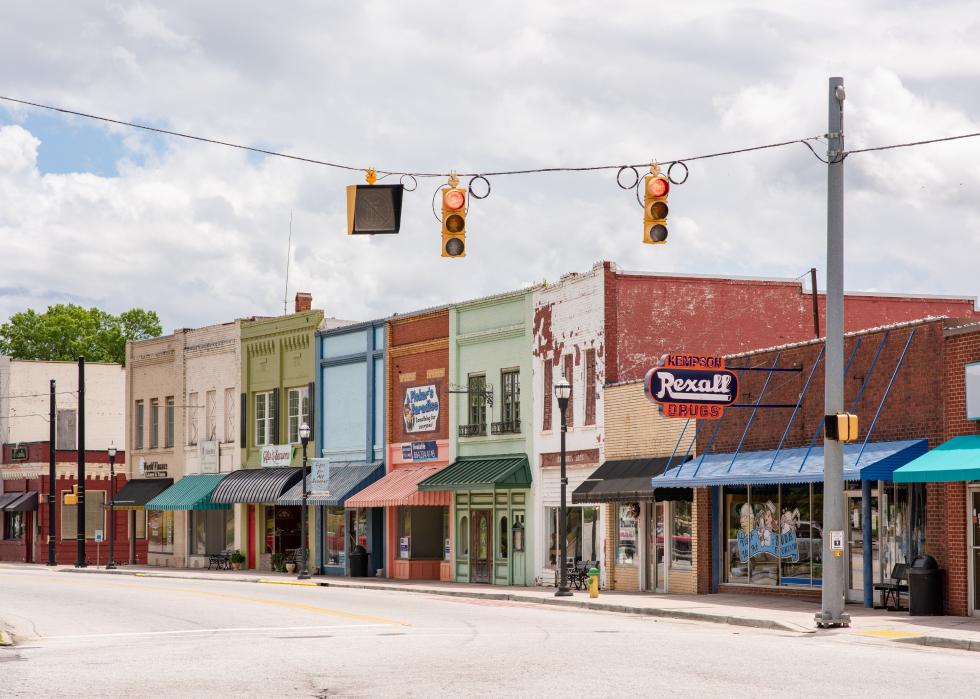
#12. South Carolina
- New business applications per 1,000 people: 18.58 (93,309 total)
- High-propensity business applications per 1,000 people: 5.18 (26,009 total)
- Business applications with planned wages per 1,000 people: 1.98 (9,918 total)
The South Carolina legislature approved in grants to businesses, ranging from $2,500鈥�$25,000 each. Priority for these grants went to minority-owned businesses, which were less likely to have received financial assistance like the PPP. Black-owned businesses have been disproportionately affected by the coronavirus, the pandemic only exacerbating systemic barriers that have historically impeded Black Americans from accessing capital and owning property. According to the House Committee on Small Business, across the United States between February 2020 and April 2020. South Carolina鈥檚 small businesses appear to be on the upswing, recovering more quickly than the . As of February 2021, 75% of South Carolina businesses, 78% of women-owned businesses, and 73% of minority-owned businesses in South Carolina were reported to be operational.
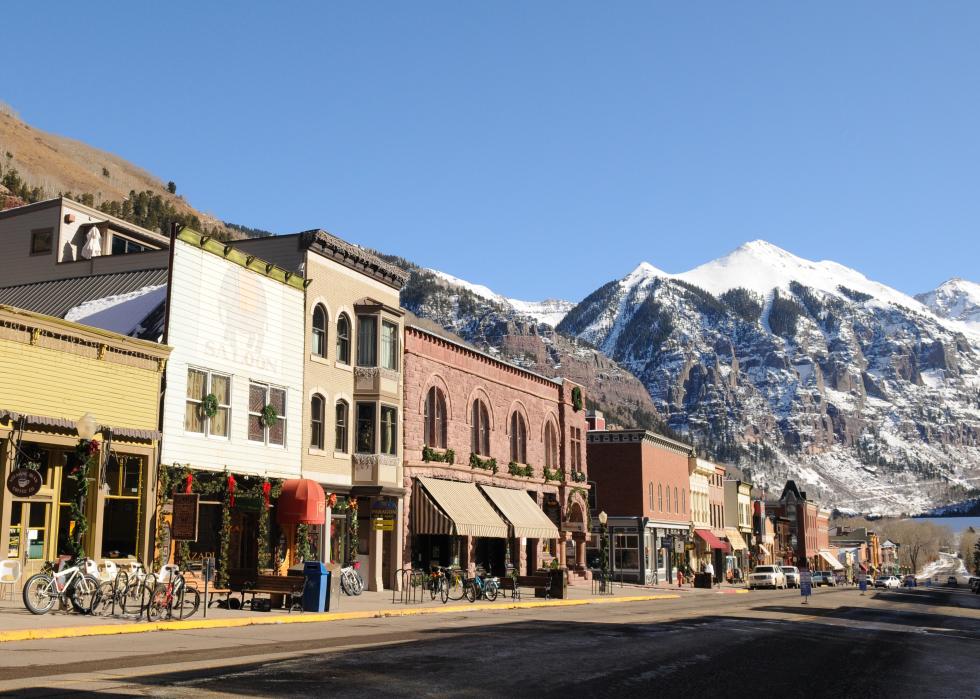
#11. Colorado
- New business applications per 1,000 people: 19.29 (108,206 total)
- High-propensity business applications per 1,000 people: 6.37 (35,757 total)
- Business applications with planned wages per 1,000 people: 2.31 (12,949 total)
According to Forbes, Colorado ranks in the nation for best business climate as of 2018. Some factors that put Colorado at the top of the list were its high rate of highly educated adults, its large number of 25鈥�34 year-olds, and its fast job growth rate. The state also has a fairly high number of high-propensity business applications per capita, signaling that many hopeful entrepreneurs will follow through with their intention to start a business. In addition to a significant number of for small businesses, the Colorado Office of Economic Development and International Trade compiled an of alternative funding resources for small businesses. These resources ranged from grant programs for elder musicians to guidance for Black business owners or future entrepreneurs.
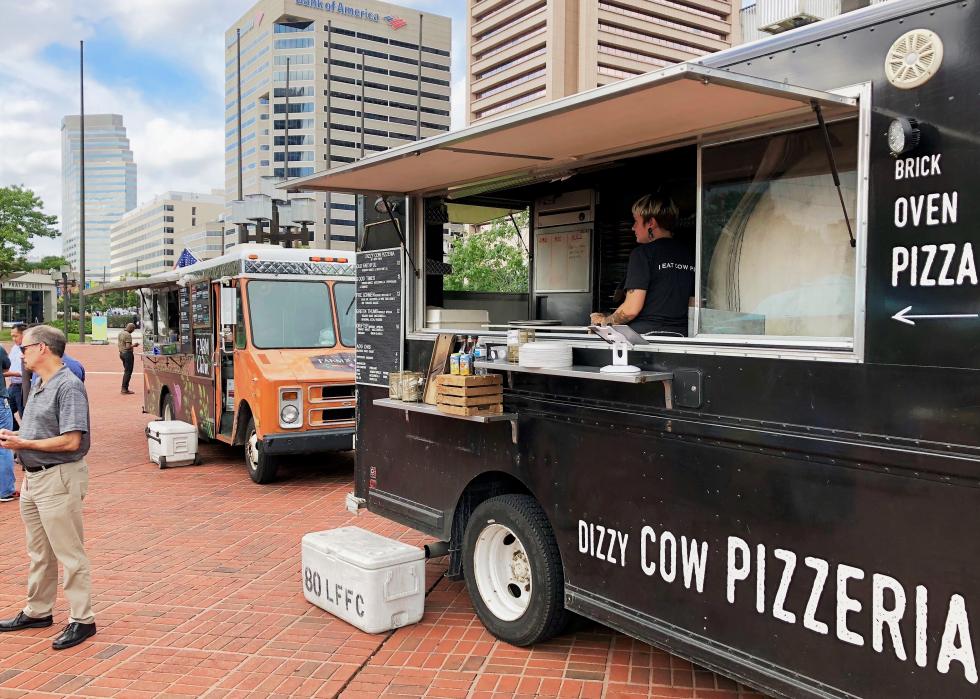
#10. Maryland
- New business applications per 1,000 people: 19.38 (116,626 total)
- High-propensity business applications per 1,000 people: 5.83 (35,075 total)
- Business applications with planned wages per 1,000 people: 2.09 (12,609 total)
惭补谤测濒补苍诲鈥檚 awarded over $10 million to hundreds of small businesses, saving nearly 9,000 jobs. The Small, Minority and Women Owned Business Account COVID-19 RELIEF Program also distributed $10 million to the most financially vulnerable businesses. Maryland was also named the for business in 2021 by CNBC. This is due in large part to the state鈥檚 exceptional broadband service and reliable power grids, which make the state particularly desirable for businesses as in-person work increasingly shifts toward remote, a trend that is expected to outlast the pandemic.
#9. Utah
- New business applications per 1,000 people: 19.41 (60,122 total)
- High-propensity business applications per 1,000 people: 5.7 (17,650 total)
- Business applications with planned wages per 1,000 people: 2.6 (8,042 total)
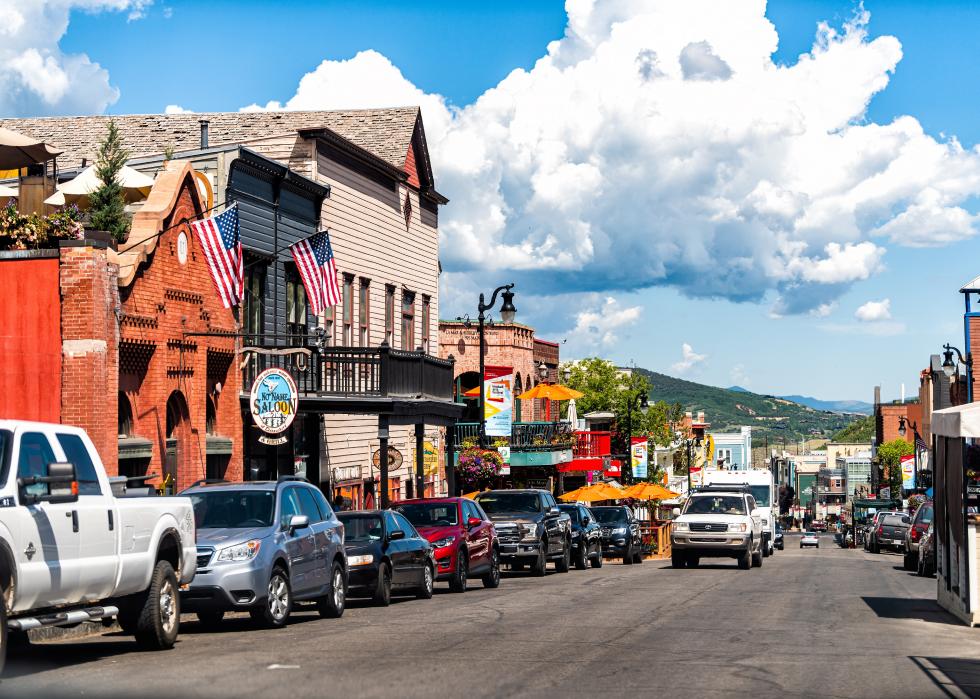
Utah created the $15 million 2021 Impacted Small Business Catalyst Grant to assist qualifying small businesses with up to in grant funds. The state has seen a massive uptick in new businesses during the pandemic, with in 2020 than in 2019. Margaret Woolley-Busse, executive director of the Utah Department of Commerce, suggested the record numbers of new businesses opening in the state show that Utah is making a shift toward being the 鈥渟tart-up state.鈥� Woolley-Busse is not alone in this thinking. In 2019, predicted Utah was becoming a 鈥渕ecca for small business owners鈥� due to its business-friendly regulatory environment and encouraging economic growth prospects, and its burgeoning start-up culture.
#8. Nevada
- New business applications per 1,000 people: 22.12 (65,739 total)
- High-propensity business applications per 1,000 people: 7.14 (21,235 total)
- Business applications with planned wages per 1,000 people: 2.73 (8,112 total)
Despite the coronavirus small-business assistance programs like the , Nevada lost many small businesses during the pandemic, particularly in cities and towns with . Nevada received the from the PPP out of seven states with a similar population size. This was in part due to the fact that the Small Business Association, which distributed the PPP, initially disqualified businesses that generated more than a third of their revenue from gambling, a ubiquitous part of Nevada鈥檚 economy. This did not stop a massive spike in new businesses in the state, as well as a particularly high rate of high-propensity business applications, however. Nevada鈥檚 and favorable tax environment helped small businesses get off the ground, as did the return of tourism to destinations like Las Vegas, where gambling revenue has reached a .

#7. Louisiana
- New business applications per 1,000 people: 22.13 (103,219 total)
- High-propensity business applications per 1,000 people: 6.30 (29,383 total)
- Business applications with planned wages per 1,000 people: 2.03 (9,451 total)
Louisiana鈥檚 Department of Revenue recently began of small business and nonprofit aid in the form of its Nonprofit and Small Business Assistance Program. The state has seen a of new business applications during the pandemic鈥攁pplications increased by almost 240% in July 2020 compared to July 2019. Those promising numbers are endangered, however, by an alarming spike in COVID-19 cases in the state over the months of July and August. Louisiana hospitals have reported that are running dangerously low, and have been forced to quarantine after 299 students and staff members tested positive for COVID-19. In response to the spike, Louisiana became one of the few states, and , to reissue an indoor mask mandate for everyone, regardless of vaccination status.

#6. Mississippi
- New business applications per 1,000 people: 22.52 (67,195 total)
- High-propensity business applications per 1,000 people: 7.2 (21,475 total)
- Business applications with planned wages per 1,000 people: 2.39 (7,144 total)
The Mississippi Small Business Development Center at the University of Mississippi received a in July 2021, which it will use to team up with community colleges through its Rural Development Initiative to aid small businesses throughout the state. Mississippi also administered to small businesses through the Back to Business Mississippi Grant Program. The state started a program called , which helps displaced workers navigate career pivots or locate new jobs through training programs. It also helps employers get matched with newly trained workers.

#5. Washington D.C.
- New business applications per 1,000 people: 24.71 (17,115 total)
- High-propensity business applications per 1,000 people: 7.29 (5,048 total)
- Business applications with planned wages per 1,000 people: 2.59 (1,792 total)
In spite of the closure of more than 375 Washington D.C. businesses over the course of the pandemic, new businesses have opened at record rates to replace them. The rate of new businesses opening between 2019 and 2021. And the rate of high-propensity business applications grew 20% over the past several years. Washington D.C. also rolled out in coronavirus relief funds to local businesses in November 2020. These funds were divided between restaurants, hotels, entertainment businesses, and retailers. The nation鈥檚 capital also distributed $30 million to fund child care and outdoor dining infrastructure.
#4. Florida
- New business applications per 1,000 people: 29.90 (624,894 total)
- High-propensity business applications per 1,000 people: 10.7 (223,615 total)
- Business applications with planned wages per 1,000 people: 2.71 (56,602 total)
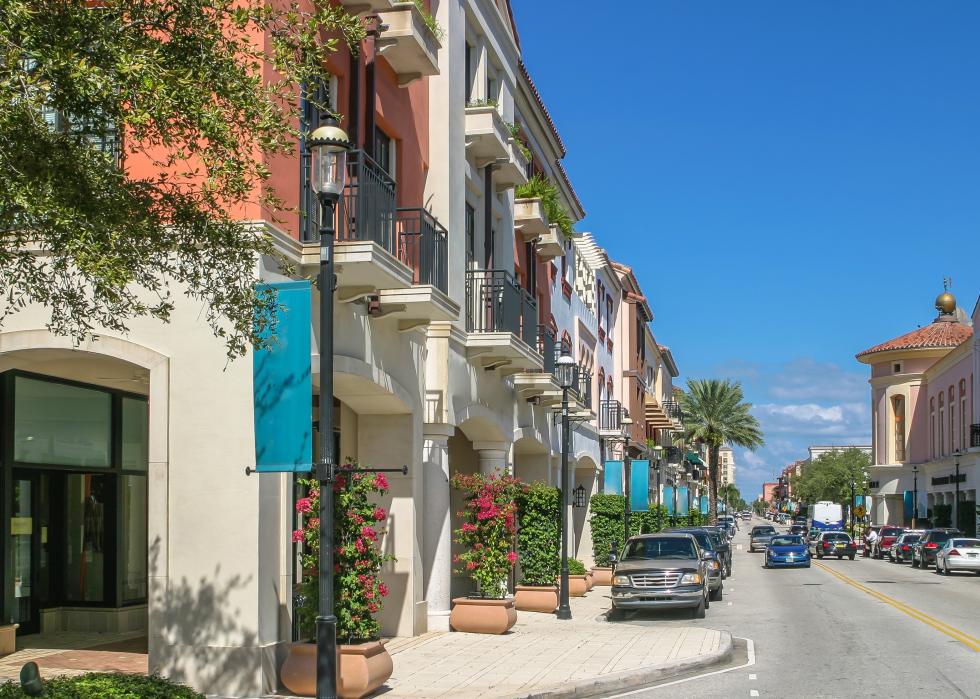
In Florida, of all businesses are small businesses, and small businesses employ 41.6% of the private-sector workforce. While new businesses have opened at record rates, of all Florida small businesses either voluntarily closed or were forced to close during the pandemic. New businesses are having , however, as cases of COVID-19 surge throughout the Gulf Coast states. Meanwhile, Florida Gov. Ron DeSantis has outlawed mask mandates in schools and has said he is 鈥�.鈥� He also accused the media of 鈥渇earmonger[ing].鈥� Florida is experiencing high levels of daily COVID-19 cases.
#3. Georgia
- New business applications per 1,000 people: 32.57 (338,858 total)
- High-propensity business applications per 1,000 people: 9.56 (99,512 total)
- Business applications with planned wages per 1,000 people: 3.32 (34,589 total)
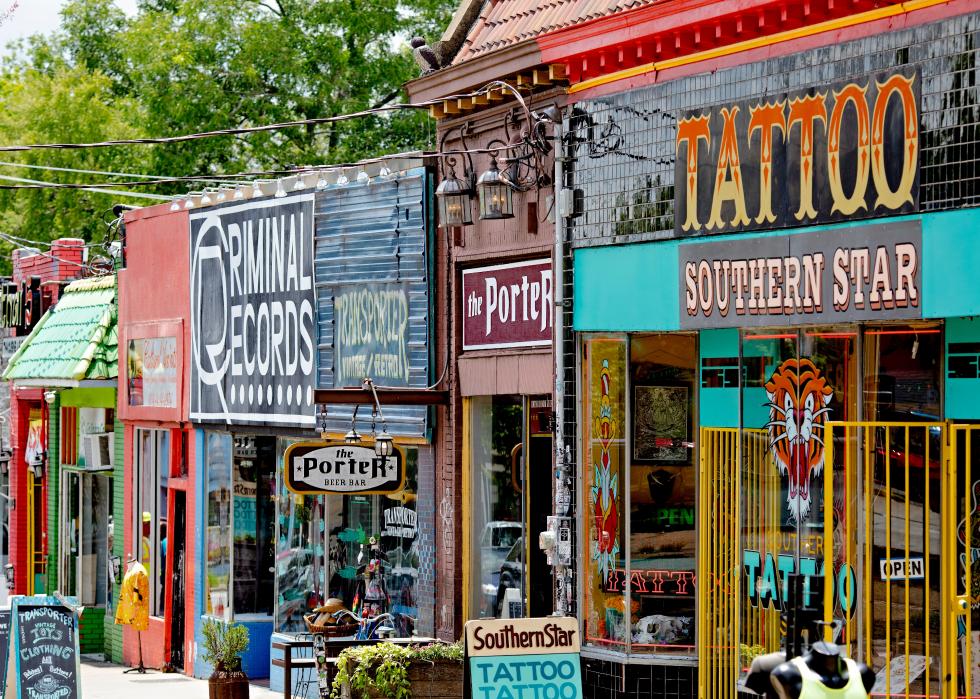
Georgia prides itself on being a business-friendly state. In 2020, it was named the 鈥淭op State for Doing Business鈥� for the seventh consecutive year by . Gov. Brian Kemp cited this as the reason for back in April, against the advice of the Centers for Disease Control and Prevention and President Joe Biden. He stated, 鈥淢any small-business owners are still struggling under the impact COVID-19 has had on our economy 鈥� And we know hard-working Georgians cannot endure another year like the last.鈥� In August, Georgia found itself to be one of the states with the most active COVID-19 cases.

#2. Delaware
- New business applications per 1,000 people: 42.9 (41,067 total)
- High-propensity business applications per 1,000 people: 14.18 (13,578 total)
- Business applications with planned wages per 1,000 people: 3.59 (3,432 total)
It is not surprising that Delaware comes in at the top of the list for most new small businesses per capita, considering it has historically been seen as a . The state even has a court specifically devoted to handling business matters, which was established in 1792. Delaware provided training for unemployed jobseekers during the pandemic through its program . It also distributed $176 million of relief funds to small businesses and nonprofits through the . The state also invested $20 million into increasing its broadband infrastructure, allowing online businesses and remote workers more reliable and less expensive internet access. A further $141 million was allocated to child care centers, enabling more parents to reenter the workforce.
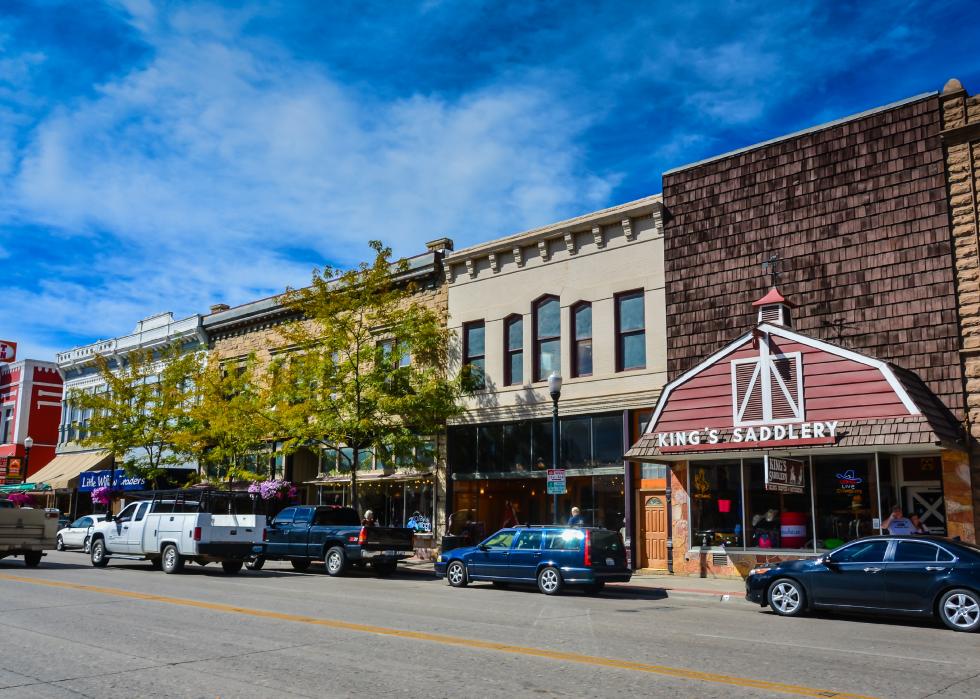
#1. Wyoming
- New business applications per 1,000 people: 52.11 (30,280 total)
- High-propensity business applications per 1,000 people: 14.65 (8,512 total)
- Business applications with planned wages per 1,000 people: 3.91 (2,274 total)
Topping the list as the state with the most new small businesses per capita is Wyoming. Ranked as the most for business in 2019 by 24/7 Wall St., Wyoming saw an influx of purchasing property and moving to the state. This population growth has been accompanied by a wave of entrepreneurship across the state. have also been attracted to the expansive spaces found in Wyoming, particularly at a time where social distancing is a major consideration. According to Wyoming state legislator , Wyomingites seem to be seizing the opportunity to pivot into new pursuits: 鈥淚t鈥檚 incredible to see people who have had an idea for a business say, 鈥極kay. Now鈥檚 the time to jump.鈥欌��