Tracking COVID-19's impact on employment in every state
The COVID-19 pandemic has hit the U.S. economy like a ton of bricks. Between business shutdown orders, supply chain disruptions, travel bans, social distancing orders, and, of course, the health impact of the coronavirus, entire industries across the country have been decimated. Profits have been wiped out, but worse yet, millions of workers have found themselves out of a job—either furloughed or permanently laid off. As a result, almost every state in the nation has seen , and local unemployment benefits agencies have struggled to process the waves of applications they've received over the last few months.
While every state is reeling from the massive losses of employment opportunities caused by the public health crisis, no two areas are having the exact same experience, especially now that state governments are starting to lift their lockdowns. Some states like have seen their unemployment rates start to level off from the sky-high numbers they were seeing a couple of months ago. Other states like California are still enduring new rounds of , making the hope for a recovery feel even more distant. Then there's Hawaii, a state that relies heavily on two industries that have been nearly wiped out by the pandemic: tourism and leisure. Experts from the University of Hawaii Economic Research Organization predict the return to their 2019 levels for another five years. Without travelers to care for, Hawaiians in the tourism and leisure industries may face limited work opportunities for years to come.
In its ongoing effort to track COVID-19's impact on workers, compiled data from the (BLS) on how unemployment rates have changed. States are ranked by their highest rates of unemployment as of May 2020, with ties broken by the biggest change in the unemployment rate from February to May 2020. We also looked at news reports and other government data to zero in on the employment scene in every state.
Want to know how workers in your state have fared during the pandemic? Explore the story to see the latest unemployment rates in all 50 states.
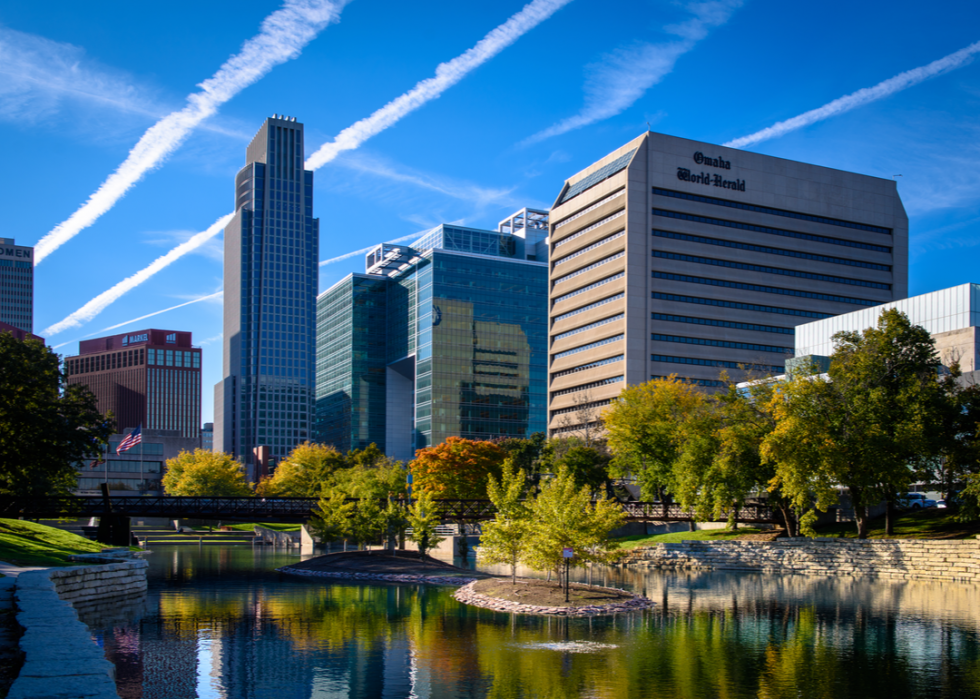
#50. Nebraska
- Unemployment rate (May 2020): 5.2%
- Change in unemployment rate since February 2020: +2.3%
The gradual reopening of Nebraska has helped some previously laid-off workers return to their jobs in early June. The state has already seen from people who work at dental practices and in the beauty industry.
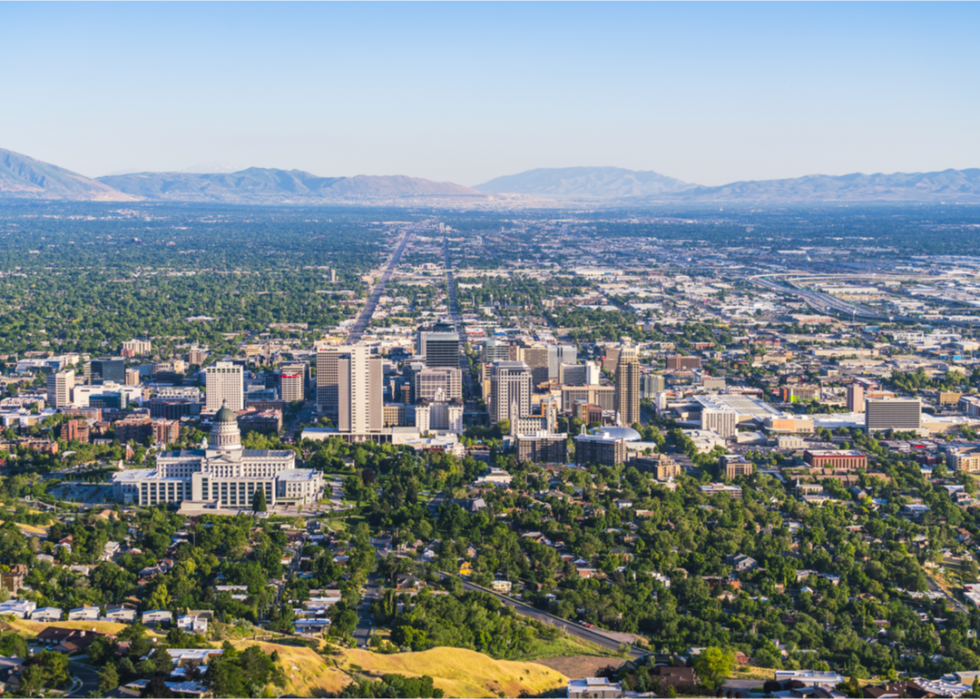
#49. Utah
- Unemployment rate (May 2020): 8.5%
- Change in unemployment rate since February 2020: +6.0%
In early June, from office and administrative support staff, managers, and salespeople, according to David Wells of Fox 13. The state has been seeing thousands of previously-unemployed workers end their request for benefits in recent weeks, indicating that things are slowly getting back to normal.
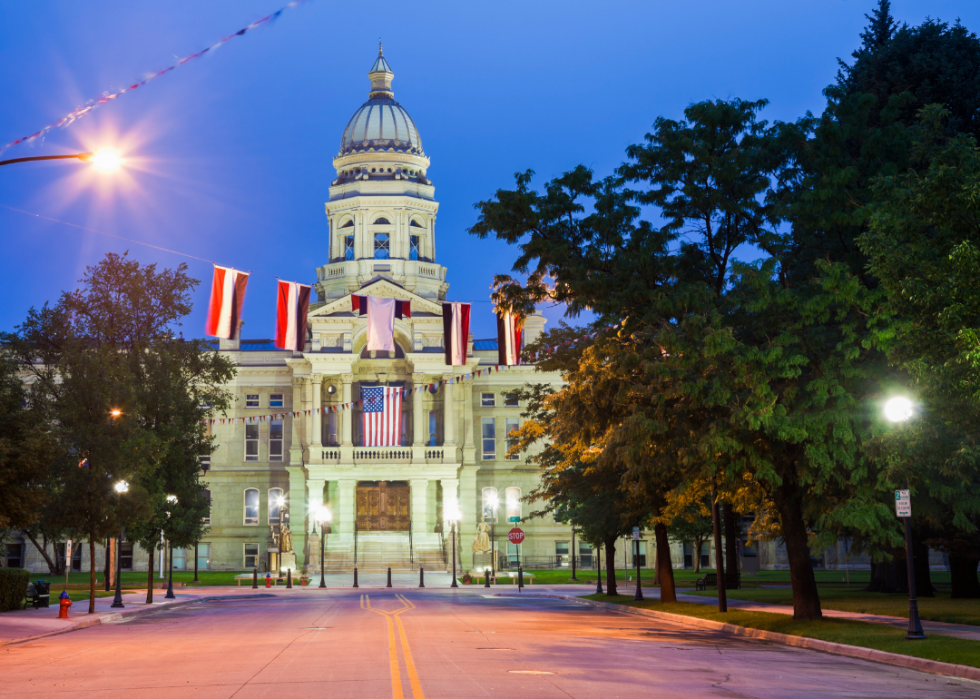
#48. Wyoming
- Unemployment rate (May 2020): 8.8%
- Change in unemployment rate since February 2020: +5.1%
The pandemic has resulted in layoffs in Wyoming’s tourism industry and fossil-fuel extraction businesses. While the state may be on track for a gradual recovery this summer, many people who work at restaurants, lodges, and coal companies were still without a job as of early June, according to the Associated Press.


#47. Arizona

- Unemployment rate (May 2020): 8.9%
- Change in unemployment rate since February 2020: +4.4%
Arizona’s hospitality and food services industries have seen a staggering loss of jobs, dropping to about Other hard-hit industries in the state include retail trade, health care, and professional business services, according to Peter Aleshire of the Payson Roundup.
#46. Idaho
- Unemployment rate (May 2020): 8.9%
- Change in unemployment rate since February 2020: +6.2%
have suffered the biggest job losses during the pandemic, according to the Clearwater Tribune. submitted applications for unemployment insurance between March 15 and May 23, compared with just under 16% of workers age 35 and older. The layoffs of young people can largely be attributed to shutdowns in the leisure, hospitality, and retail industries.
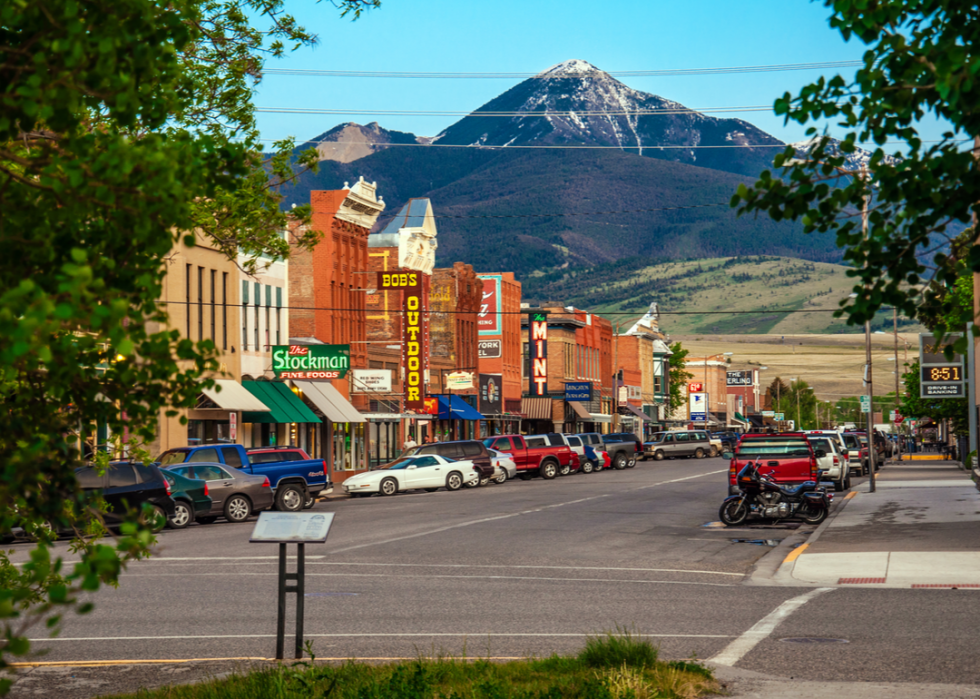
#45. Montana
- Unemployment rate (May 2020): 9.0%
- Change in unemployment rate since February 2020: +5.5%
Montana saw the fall in early June, hinting at a possible recovery, according to the U.S. Employment and Training Administration. The state recently added new identity verification tools to its unemployment benefits application after paying out over $10 million in pandemic unemployment claims that are suspected to be fraudulent.
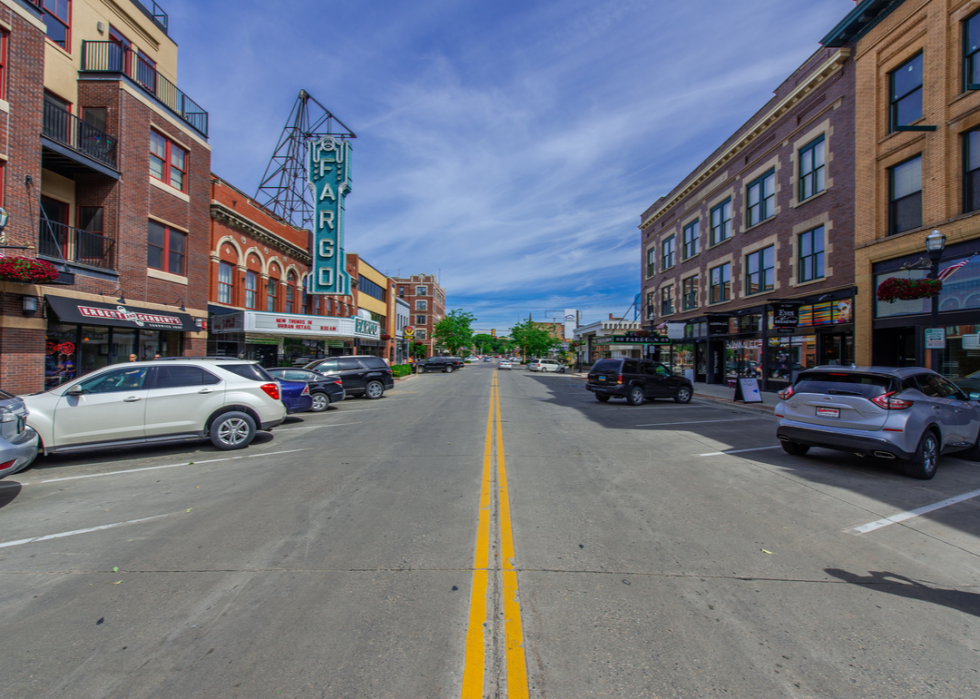
#44. North Dakota
- Unemployment rate (May 2020): 9.1%
- Change in unemployment rate since February 2020: +6.9%
Since the pandemic, North Dakota’s oil and gas industries have been struggling. Around 7,000 of the state’s oil wells shut down between March and mid-May. Layoffs in the mining, oil, and gas businesses have forced more than as of May 22, according to Morgan Benth of KFYR TV.
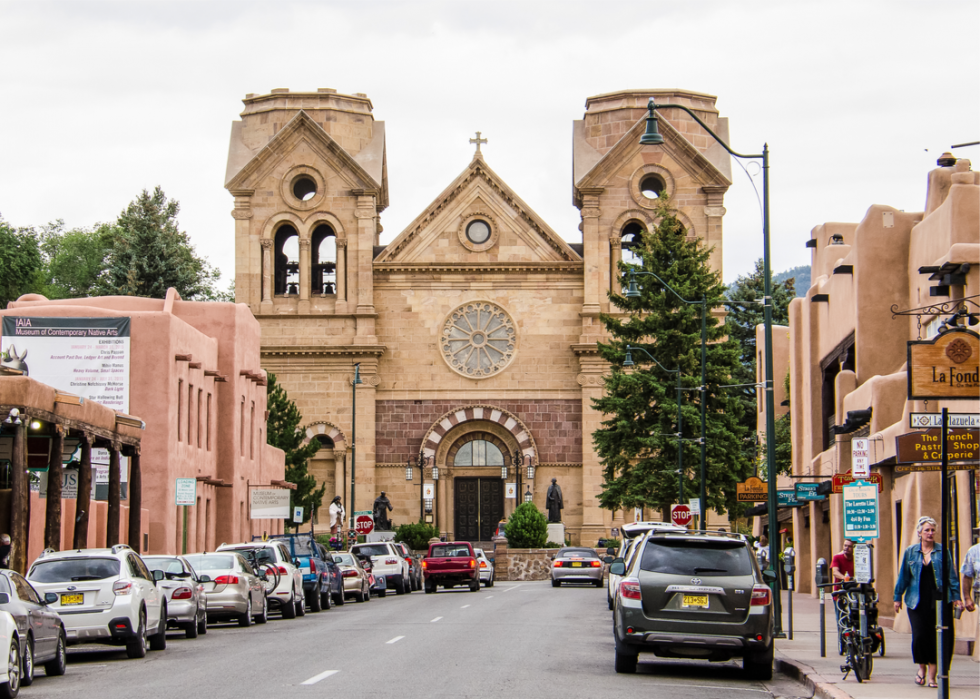
#43. New Mexico
- Unemployment rate (May 2020): 9.2%
- Change in unemployment rate since February 2020: +4.4%
New Mexico’s unemployment rate was than it was three months prior when the pandemic first started, according to Cabinet Secretary Bill McCamley, who heads the state’s Workforce Solutions, quoted in an article by Nancy Laflin of KOAT. As the state has started to reopen, some business owners expressed concern that their if they were earning more money from unemployment benefits, according to Ryan Laughlin of KOB4.
#42. Maine
- Unemployment rate (May 2020): 9.3%
- Change in unemployment rate since February 2020: +6.1%
Unemployment benefits have cost Maine between March 15 and June 11, according to Caitlin Andrews of Bangor Daily News. While much of that money has gone to people who qualify for it, the state has been canceling thousands of claims that have been made through an unemployment fraud scheme.
#41. Connecticut
- Unemployment rate (May 2020): 9.4%
- Change in unemployment rate since February 2020: +5.6%
With the shutdown in place, were laid off from hotels, restaurants, retail stores, and health care businesses, according to Shawn McFarland of the Hartford Courant. As of May 14, the state had already paid $1.3 billion in unemployment benefits, more than half of which came from the Federal Pandemic Unemployment Compensation.
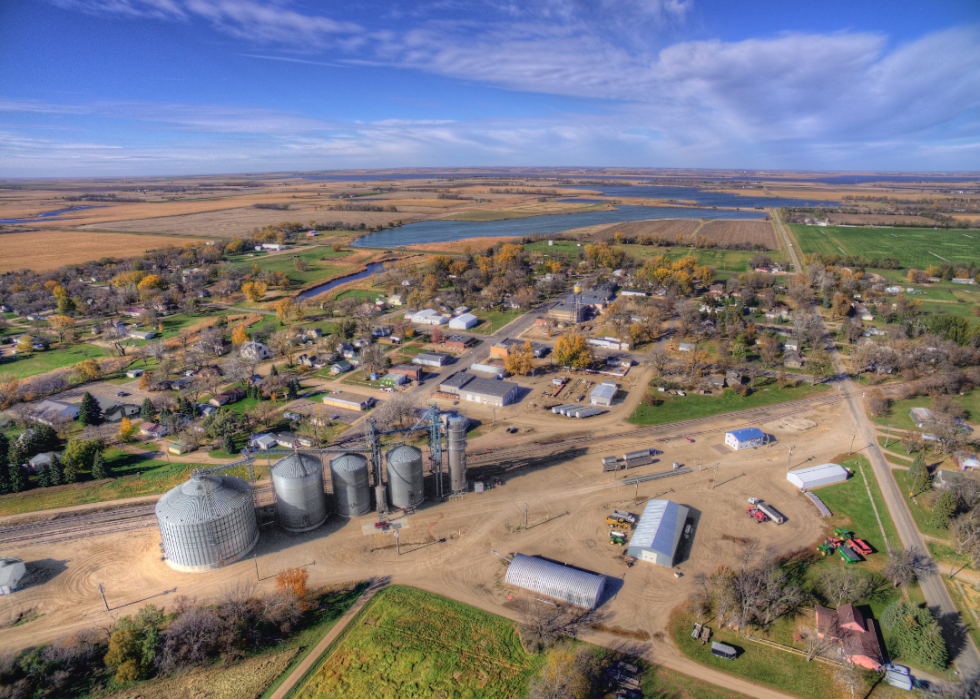
#40. South Dakota
- Unemployment rate (May 2020): 9.4%
- Change in unemployment rate since February 2020: +6.1%
Employment opportunities started to pick up in South Dakota in June. Marcia Hultman, South Dakota’s State Labor and Regulation Secretary, said the SDWORKS job database had more than listed as of June 11, a number that is similar to what the state was seeing prior to the pandemic.
#39. Virginia
- Unemployment rate (May 2020): 9.4%
- Change in unemployment rate since February 2020: +6.8%
Virginia has paid out in unemployment benefits from the start of the pandemic through June 11, according to an announcement from the Virginia Employment Commission. Fairfax County, Prince William County, Richmond, and Virginia Beach were among the localities still seeing high rates of initial unemployment claims in the first week of June, according to Sydney Lake of Virginia Business.
#38. Arkansas
- Unemployment rate (May 2020): 9.5%
- Change in unemployment rate since February 2020: +6.0%
Unemployment during the public health crisis, according to economist Wayne Miller of the University of Arkansas System Division of Agriculture. He said that the areas with the highest rates of unemployment have economies that rely on travel and tourism, industries that have been severely impacted by recent travel restrictions.
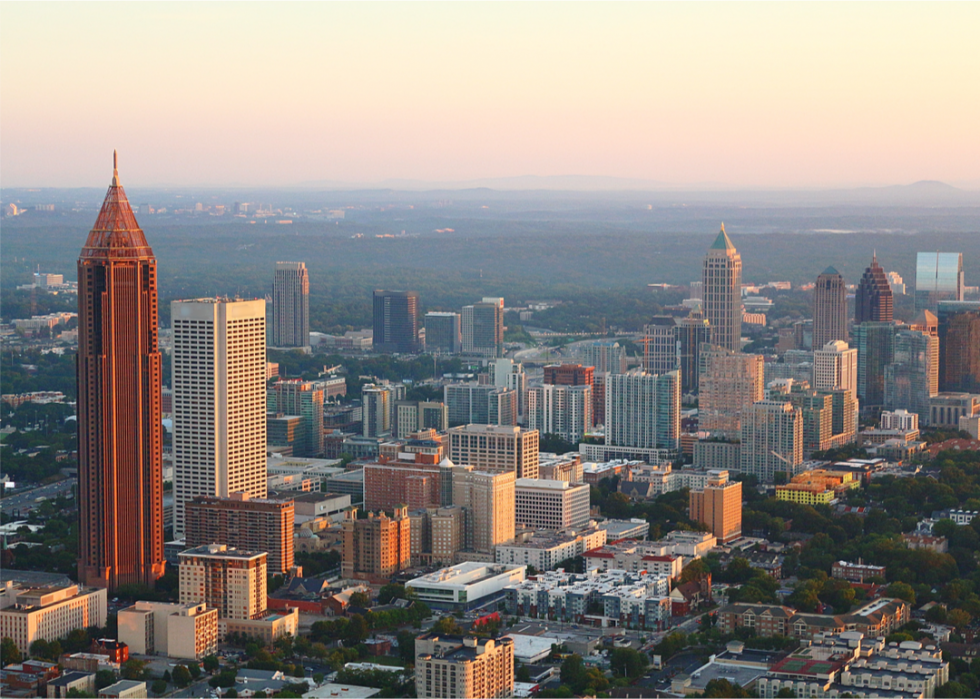
#37. Georgia
- Unemployment rate (May 2020): 9.7%
- Change in unemployment rate since February 2020: +6.6%
The have seen some of the highest rates of layoffs in Georgia, according to Ryan Kruger of 11Alive. Georgia saw its worst-ever unemployment levels in May, according to a report from the state’s Department of Labor from May 28.
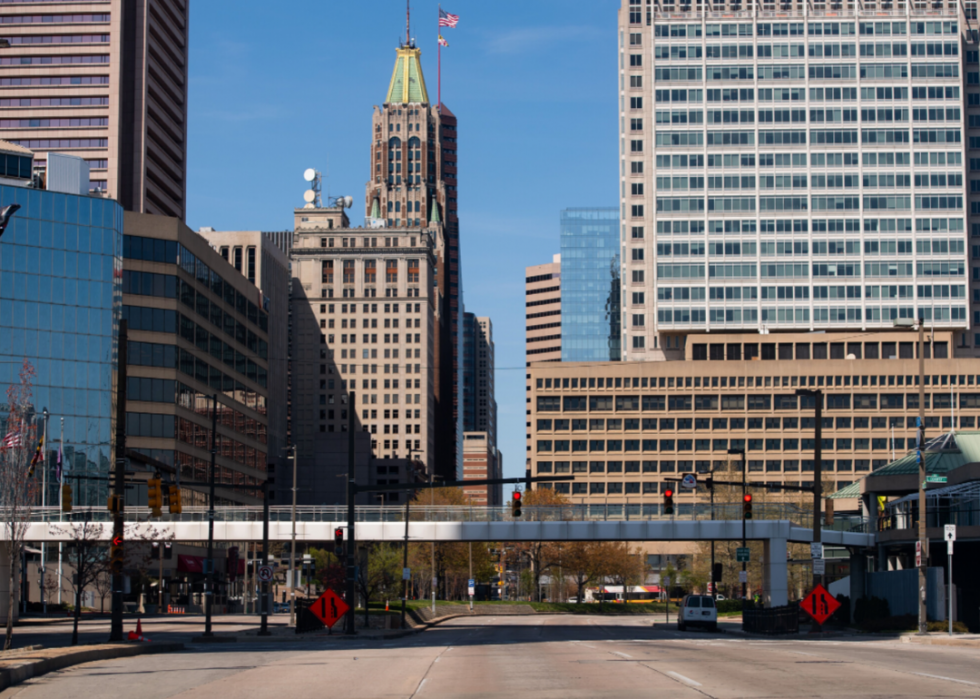
#36. Maryland
- Unemployment rate (May 2020): 9.9%
- Change in unemployment rate since February 2020: +6.6%
Maryland's food service and hospitality industries continued to struggle in early June, with many businesses still unable to, according to Leonardo McClarty, Howard County Chamber of Commerce president. However, retail stores have started to rehire workers, helping them get off unemployment benefits, according to Frederick County Chamber of Commerce President Rick Weldon.
#35. Minnesota
- Unemployment rate (May 2020): 9.9%
- Change in unemployment rate since February 2020: +6.8%
With jobless rates still high, Minnesota Department of Employment and Economic Development Commissioner Steve Grove has expressed concern that the by early July. has been hit hard by layoffs after casinos, which are among the county’s largest employers, were forced to close, according to Louis D. Johnston of Twin Cities Business.
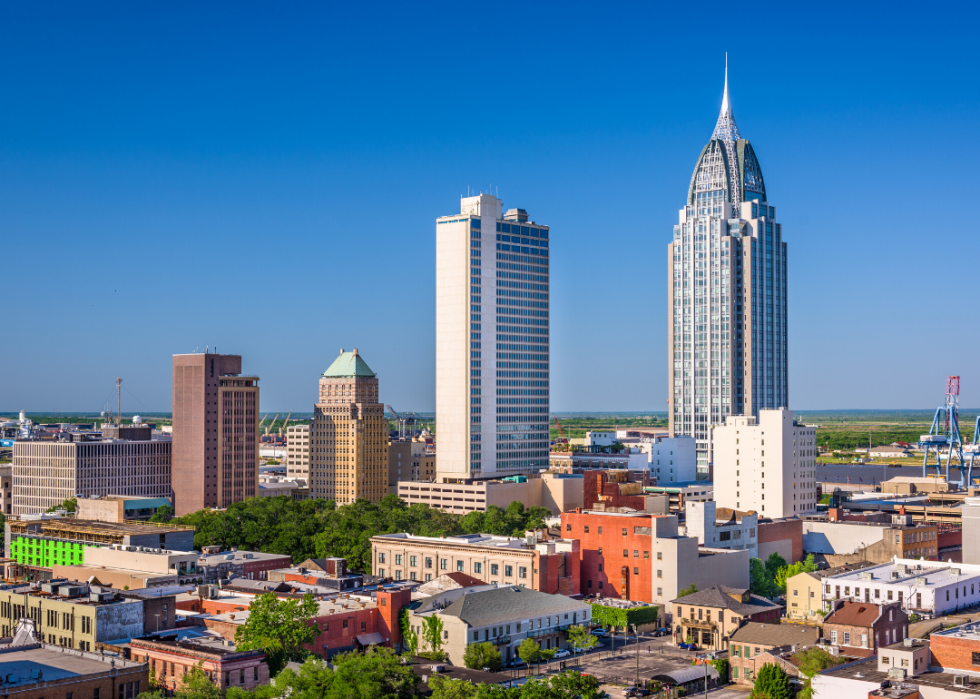
#34. Alabama
- Unemployment rate (May 2020): 9.9%
- Change in unemployment rate since February 2020: +7.2%
Alabama saw in new unemployment claims as of June 11, according to Angel Coker of the Birmingham Business Journal. The industries with the highest numbers of initial claims in early June were administrative and support services, restaurants and bars, transportation equipment manufacturing, and general merchandise stores.
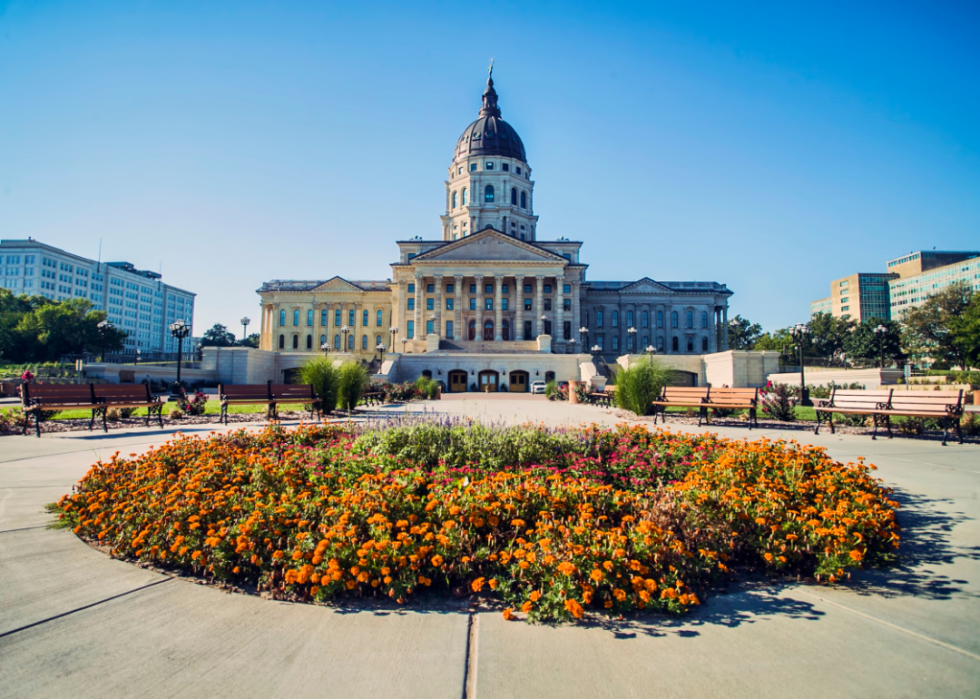
#33. Kansas
- Unemployment rate (May 2020): 10.0%
- Change in unemployment rate since February 2020: +6.9%
Mass layoffs have unemployment system, according to Jonathan Shorman of The Wichita Eagle. Phone lines have been jammed at the state’s labor department, forcing many claimants to wait on hold for hours, call dozens of times, send countless emails, and even mail certified letters to try to get their benefits.
#32. Iowa
- Unemployment rate (May 2020): 10.0%
- Change in unemployment rate since February 2020: +7.2%
While the retail trade had been responsible for most of Iowa’s layoffs during the pandemic, things started to change in early June. The state saw a large number of from the manufacturing sector in recent weeks, followed by self-employed people, according to a June 11 report from Iowa Workforce Development.
#31. Missouri
- Unemployment rate (May 2020): 10.1%
- Change in unemployment rate since February 2020: +6.6%
Missouri's travel industry has been severely impacted by the pandemic, with estimated tourism spending losses estimated at between Feb. 29 and May 9, according to research from Tourism Economics. The situation has put more than 100,000 people who work at hotels, restaurants, and other hospitality and entertainment businesses out of a job, according to Stephen Foutes, the director of the state's Division of Tourism.
#30. Colorado
- Unemployment rate (May 2020): 10.2%
- Change in unemployment rate since February 2020: +7.7%
Colorado’s tourism, retail, food service, and hospitality industries have since the coronavirus outbreak in early March, according to Tamara Chuang of The Colorado Sun. Unemployment benefits have cost the state nearly $805 million so far this year, as of June 6.
#29. Mississippi
- Unemployment rate (May 2020): 10.6%
- Change in unemployment rate since February 2020: +5.2%
have been struggling to keep their jobs during the pandemic. The University of Mississippi Medical Center let go of more than 250 workers in late May amid budget shortfalls, and other hospitals in the state have experienced massive revenue losses that may force them to reduce the size of their workforce, according to Justin Vicory of the Mississippi Clarion Ledger.
#28. Kentucky
- Unemployment rate (May 2020): 11.0%
- Change in unemployment rate since February 2020: +6.8%
Layoffs were still hitting businesses in Kentucky in May and June. Within that time frame, job losses hit and more than.
#27. Tennessee
- Unemployment rate (May 2020): 11.3%
- Change in unemployment rate since February 2020: +7.9%
Around lost in Tennessee between March and April came from the leisure and hospitality business, according to a report from the state’s labor department. The sudden job loss during the pandemic is the has seen in decades.
#26. Wisconsin
- Unemployment rate (May 2020): 12.0%
- Change in unemployment rate since February 2020: +8.5%
Wisconsin has had some of the during the COVID-19 crisis, according to data from the Greater Green Bay Chamber. The vice president of the organization, Kelly Armstrong, credits the state's manufacturing industry, which accounts for more than 20% of the regional economy, as helping to keep the jobless rates relatively low.
#25. Indiana
- Unemployment rate (May 2020): 12.3%
- Change in unemployment rate since February 2020: +9.2%
Howard County has been in terms of unemployment, according to a May 26 article from Alexandria Burris of the Indianapolis Star. Many people in the area were laid off after General Motors, Haynes International, and Fiat Chrysler, the biggest employers in the county, shut down during the pandemic.
#24. South Carolina
- Unemployment rate (May 2020): 12.5%
- Change in unemployment rate since February 2020: +10.0%
After several weeks of decreasing rates of initial unemployment insurance claims, South Carolina started in early June, according to a report from the state’s Department of Employment and Workforce. The industries with most new claims filed for the week ending June 6 include temporary help services, restaurants, tire manufacturing, and fabric mills.
#23. Alaska
- Unemployment rate (May 2020): 12.6%
- Change in unemployment rate since February 2020: +6.8%
Layoffs have hit every industry in Alaska, but the biggest losses during the pandemic have been in the, according to John Thompson of KTVA. Between April 2019 and April 2020, the state lost more than 48% of its leisure and hospitality jobs.
#22. Oklahoma
- Unemployment rate (May 2020): 12.6%
- Change in unemployment rate since February 2020: +9.4%
started to become available in Oklahoma in late May, according to Mckenna Eubank of FOX 25. While companies in some sectors in the state have started to see an uptick in business, uncertainty about where the economy is headed has made them reluctant to bring back permanent staff.
#21. Vermont
- Unemployment rate (May 2020): 12.7%
- Change in unemployment rate since February 2020: +10.3%
Just about in Vermont has seen job losses during the pandemic. Workers at hotels, restaurants, bars, construction companies, retail stores, and private education have been hit particularly hard by high unemployment rates, according to Art Woolf of VT Digger.
#20. West Virginia
- Unemployment rate (May 2020): 12.9%
- Change in unemployment rate since February 2020: +8.0%
Thousands of workers in West Virginia’s coal industry got word in early June that their jobs were going away. Murray Energy Corp. announced it would lay off after it defaulted on a $440 million bankruptcy deal amid financial struggles during the pandemic, according to the Wall Street Journal via The Herald-Dispatch.
#19. North Carolina
- Unemployment rate (May 2020): 12.9%
- Change in unemployment rate since February 2020: +9.3%
While 20- to 64-year-old women account for 37% of North Carolina’s labor force, they have lost their jobs at a disproportionately high rate compared to men during the pandemic, according to state data. Of the state’s 835,000 workers who have filed claims for unemployment insurance, in that age demographic, according to Danielle Chemtob and Gavin Off of The Charlotte Observer.
#18. Texas
- Unemployment rate (May 2020): 13.0%
- Change in unemployment rate since February 2020: +9.5%
Early June marked the first week in which initial unemployment benefit claims in more than eight weeks, according to the state’s Department of Labor. The state had been seeing new weekly claims surpass 300,000 at the end of March and beginning of April, according to Erin Douglas of Chron.
#17. Pennsylvania
- Unemployment rate (May 2020): 13.1%
- Change in unemployment rate since February 2020: +8.4%
of Pennsylvania’s economy in early June, when many areas of the state transitioned into the green phase of the reopening. The state saw fewer job losses in the industries of accommodation and food services; administrative, support, waste management, and remediation services; and health care and social assistance, according to a report from the U.S. Department of Labor.
#16. Louisiana
- Unemployment rate (May 2020): 13.3%
- Change in unemployment rate since February 2020: +8.1%
Gaming facilities in Louisiana have suffered around during pandemic shutdowns, according to William Taylor Potter of the Lafayette Daily Advertiser. As a result, Boyd Gaming Corporation, which runs five casinos across the state, has announced it will let go of more than 1,500 workers starting in July.
#15. Ohio
- Unemployment rate (May 2020): 13.7%
- Change in unemployment rate since February 2020: +9.6%
Appalachian Ohio has seen some of the in the state during the pandemic, according to Kathiann M. Kowalski of Energy News Network. The job losses have largely come from the coal mining industry, in which telecommuting usually isn’t an option.
#14. Oregon
- Unemployment rate (May 2020): 14.2%
- Change in unemployment rate since February 2020: +10.9%
The Oregon unemployment insurance system has buckled under the influx of new applicants throughout the pandemic, causing long delays in processing claims and paying benefits, according to Morgan Romero of KGW8. Around who had filed traditional unemployment applications that had been processed in late May still hadn’t been paid anything as of May 28.
#13. New York
- Unemployment rate (May 2020): 14.5%
- Change in unemployment rate since February 2020: +10.8%
New York began reopening its biggest metros in early June, which has helped the state see in the industries of health care and social assistance, accommodation, food services, and retail trade, according to the state’s Department of Labor. However, two out of every three people in the state who have claimed unemployment benefits were still without a job as of June 11, according to Henry Rosoff of Pix11.
#12. Florida
- Unemployment rate (May 2020): 14.5%
- Change in unemployment rate since February 2020: +11.7%
Workers in Florida’s continued to suffer layoffs in late May, according to David Lyons of the South Florida Sun Sentinel. Early June may have marked the start of a turnaround for the state’s workforce, though. The first week of the month brought a major drop in new applications for unemployment benefits.
#11. New Hampshire
- Unemployment rate (May 2020): 14.5%
- Change in unemployment rate since February 2020: +11.9%
Unemployment rates seemed to be in late May and early June, according to Tony Schinella of Patch. However, thousands of laid-off workers were still filing claims for unemployment insurance benefits during that time.
#10. Washington
- Unemployment rate (May 2020): 15.1%
- Change in unemployment rate since February 2020: +11.3%
Washington’s Economic and Revenue Forecast Council has predicted that the state’s until the end of September, according to a May 28 article by Carolyn Adolph of KUOW. It expects that jobs won’t recover until 2025.
#9. New Jersey
- Unemployment rate (May 2020): 15.2%
- Change in unemployment rate since February 2020: +11.4%
Around were still waiting for their unemployment benefits to kick in or resume in early June, according to News12 New Jersey. A budget crunch may, firefighters, police officers, and health care workers, according to a May 24 announcement from Gov. Phil Murphy.
#8. Illinois
- Unemployment rate (May 2020): 15.2%
- Change in unemployment rate since February 2020: +11.8%
Illinois’ employed population dropped by around, according to a June 11 article by Jon Josko of the Illinois Policy Institute. While the state continued to see high numbers of new unemployment claims filed in late May and early June, they were only a fraction of those seen in late March and early April.
#7. Delaware
- Unemployment rate (May 2020): 15.8%
- Change in unemployment rate since February 2020: +11.9%
The pandemic has created huge budget shortfalls at higher-education institutions in Delaware, forcing them to lay off staff. In mid-May, the University of Delaware in an effort to balance its books, according to Natalia Alamdari of the Delaware News Journal.
#6. California
- Unemployment rate (May 2020): 16.3%
- Change in unemployment rate since February 2020: +12.4%
California businesses continued to condense their workforces in May and June.,,, have all announced layoffs amid the pandemic, according to various news media.
#5. Rhode Island
- Unemployment rate (May 2020): 16.3%
- Change in unemployment rate since February 2020: +12.9%
Wide swaths of the workforce in have been laid off during the pandemic, according to Parker Gavigan of NBC 10 News. Other hard-hit industries in the state include retail and health care.
#4. Massachusetts
- Unemployment rate (May 2020): 16.3%
- Change in unemployment rate since February 2020: +13.5%
The pandemic continued to impact businesses in Massachusetts in early June. New rounds of layoffs and permanent closures of some companies caused a spike in new unemployment claims, with filing an initial claim for benefits in the first week of the month, according to Christina Hager of CBS Boston.
#3. Michigan
- Unemployment rate (May 2020): 21.2%
- Change in unemployment rate since February 2020: +17.6%
have started hiring again, according to the Great Lakes Bay Michigan Works. Its chief operating officer, Kristen Wenzel, told Dan Chalk of Midland Daily News that outdoor companies, construction firms, landscapers, restaurants, and hospitality businesses have opened positions.
#2. Hawaii
- Unemployment rate (May 2020): 22.6%
- Change in unemployment rate since February 2020: +19.9%
Tourism, which accounts for almost shut down in the state once the COVID-19 outbreaks hit the U.S, causing widespread job losses, according to Ryan Finnerty of Hawaii Public Radio. Many people in this industry may not return to work for some time—the University of Hawaii Economic Research Organization released a report in May that will stay below 2019 figures throughout the next five years.
#1. Nevada
- Unemployment rate (May 2020): 25.3%
- Change in unemployment rate since February 2020: +21.7%
, like leisure and hospitality, are making more per week from unemployment benefits than their original jobs had paid, according to April Corbin Girnus of the Nevada Current. These low-paying sectors have also experienced the biggest job losses from the coronavirus shutdowns.