This is what really happens to retail food waste
This story originally appeared on 麻豆原创 and was produced and distributed in partnership with 麻豆原创 Studio.
This is what really happens to retail food waste
Each year, between . This big number corresponds to a big problem鈥攚ith a startling impact. Wasted food can end up in landfills, where it produces methane, a greenhouse gas. The resources that went into growing that wasted food are likewise wasted, including water, labor, processing, packaging, transportation, and storage. Food waste is also a moral concern, particularly in a country where as many as .
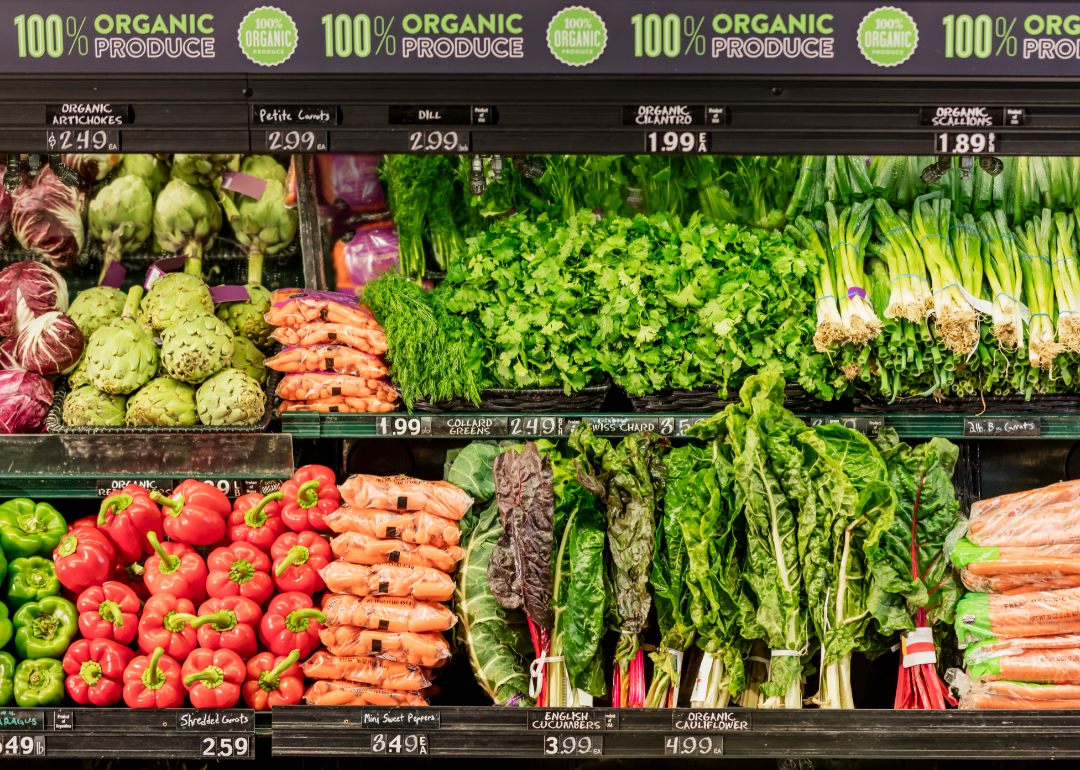
Roughly comes from consumers and retailers. Consumers typically waste food simply by buying too much and throwing it out. The retail sector includes grocers, restaurants, hotels, catering, and other businesses that sell or provide food. They waste food in a variety of ways, from over-ordering to tossing out produce that doesn鈥檛 have a perfect appearance, even if it鈥檚 safe to eat.
analyzed data from the Environmental Protection Agency鈥檚 most recent to better understand where this retail food waste ends up. The EPA鈥檚 wasted food data was compiled from an extensive literature review of numerous academic studies, government reports, and surveys. Together these sources were used to create an estimate for the amount of food waste that came from the retail sector and what happened to it after being tossed. Shelf Engine ranked the most common destinations for retail food waste 鈥 some of which may come as a surprise.
While a substantial percentage of this food waste does go to beneficial use for feeding animals, growing crops, or creating energy, the majority still ends up in landfills, where nutrients are unable to reabsorb into the soil. Instead, the food waste rots and produces methane gas, which is . Keep reading to learn more about where food waste really ends up.
#8. Land application
- Total: 178,070 tons (2.1%)
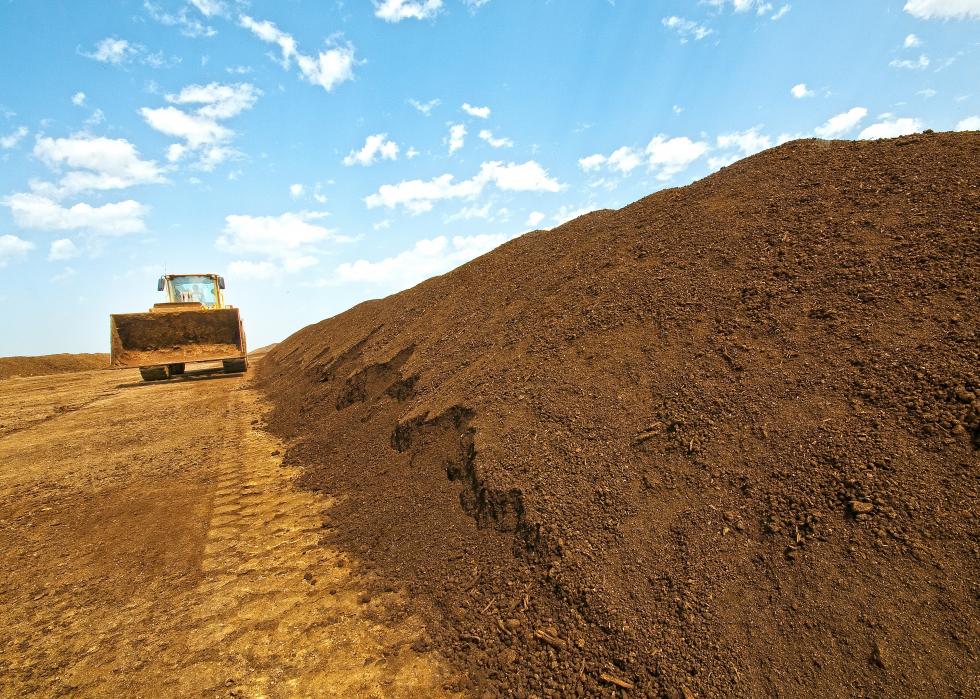
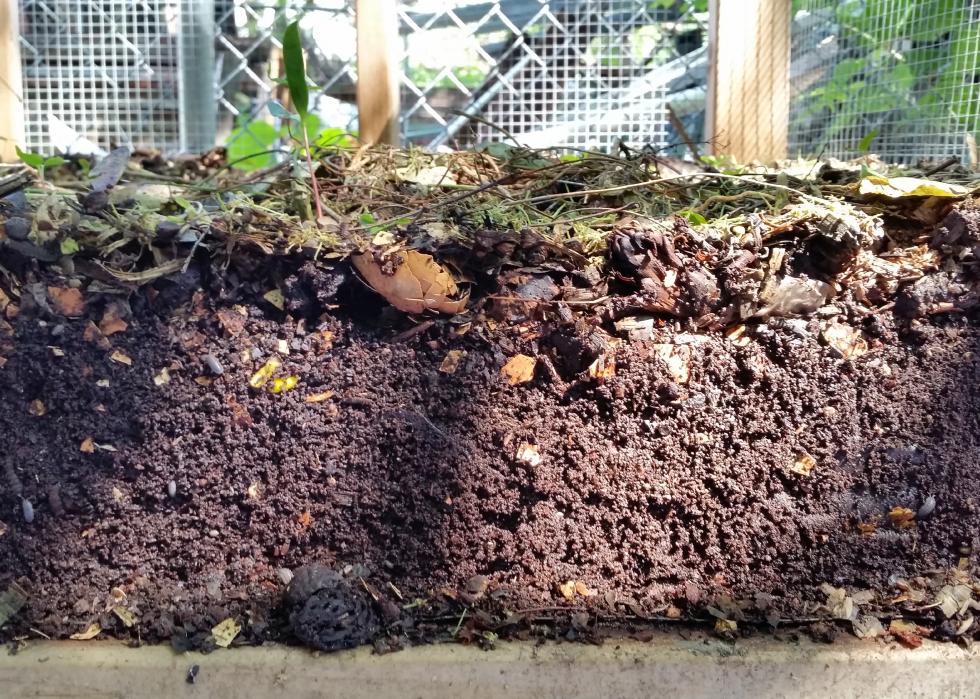
A small percentage of food waste is where the nutrients in the food go into the ground to improve soil quality. Anyone who composts food at home to amend the soil in their garden is familiar with the basic principle of land application. Using food waste in this capacity reduces the need for commercial fertilizers while diverting thousands of tons of organic material from disposal.
The most common types of food waste used for land applications are processing byproducts such as dairy whey, the solid remains of grapes after pressing (aka pomace), and brewery waste.
#7. Controlled combustion
- Total: 250,263 tons (2.9%)
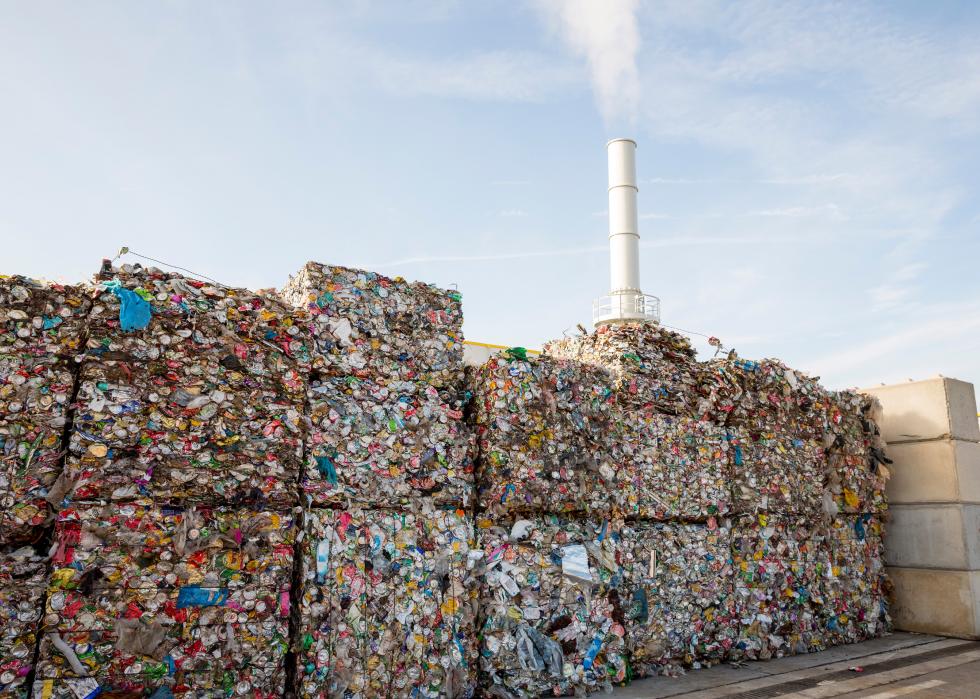
When food waste is used in controlled combustion, it is converted into energy that can be used as heat, fuel, or electricity. This process is also called 鈥.鈥 In the case of controlled combustion, the waste is burned in a confined and controlled manner. This process creates a renewable energy source, reduces the need for energy from fossil fuels, and diverts waste from landfills.
The first waste-to-energy incinerator in the United States was built in 1885 on Governors Island in New York. The original incinerators do not meet modern safety guidelines, however, and most existing facilities have been shut down or retrofitted with air pollution control systems.
#6. Bio-based materials/biochemical processing
- Total: 382,054 tons (4.4%)
Some food waste is used in bio-based materials and biochemical processing. A is a product that mainly consists of a substance or substances derived from biomass. Bio-based materials are mostly . For example, plastic packaging can be synthetically created from food materials, such as corn.
Turning food waste into plastic packaging is especially promising, as it could replace traditional ways of producing plastic that are reliant on oil-based materials. Biochemists continue to discover new processes to convert food waste biomass into bio-based materials, and new use cases for these materials.
#5. Composting/aerobic processes
- Total: 797,591 tons (9.2%)
In 2018, 797,591 tons of retail food waste were used for compost/aerobic processes. Composting is the process of recycling organic matter, such as food scraps, into fertilizer. These food scraps would decompose eventually, but compost is rich in nutrients and ideal for gardening, agriculture, and horticulture.
Food waste that is not removed from the waste stream for compost ends up in landfills. There, waste is packed so tightly together that it renders aerobic decomposition鈥攁nd improvements to the soil鈥攊mpossible.
#4. Codigestion/anaerobic digestion
- Total: 1.2 million tons (13.6%)
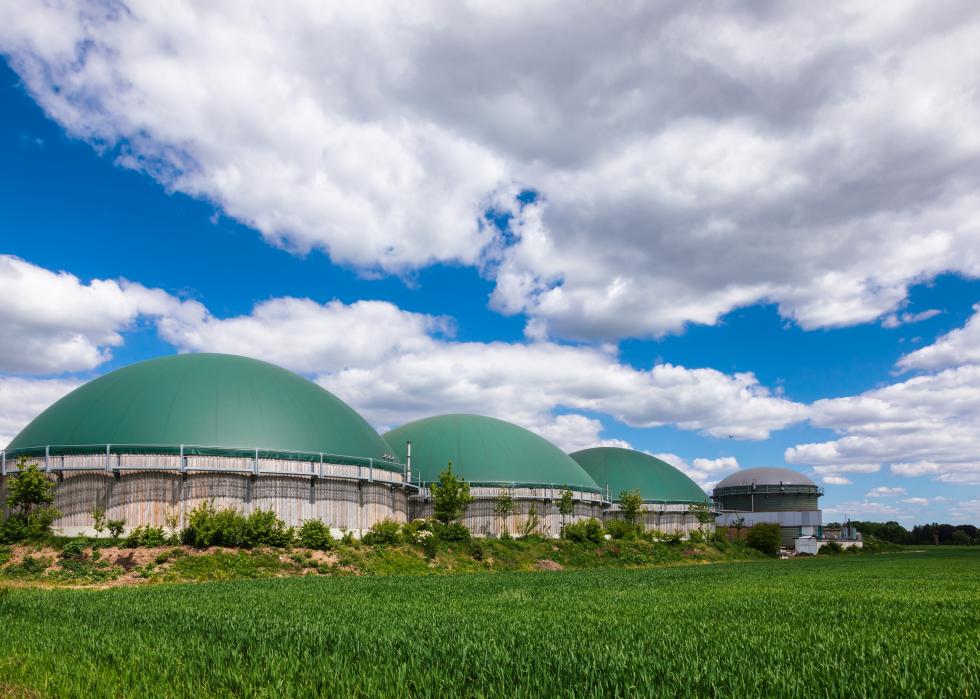
where organic materials such as food scraps, along with fats, oils, and grease, are added to wastewater or dairy digesters that have excess capacity. The benefit of this process is that it uses existing infrastructure to divert food waste and produces biogas, a type of renewable fuel.
In California, there are nearly 140 wastewater treatment plants that use anaerobic digesters. This process diverts food waste, especially high-energy food known for its higher methane potential, from going to landfills and producing dangerous methane.
#3. Animal feed
- Total: 1.2 million tons (14.3%)
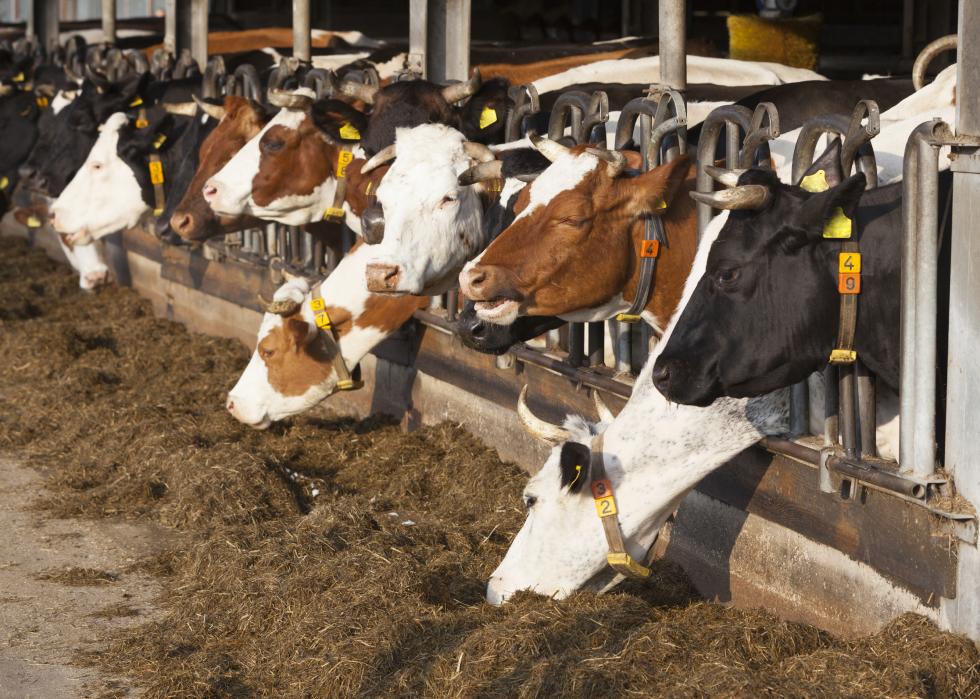
A sizable percentage of retail food waste is 鈥 something farmers have been doing for centuries. It is a way of providing food to animals, and it is often even less expensive than taking the waste to a landfill.
Along with donating to farms, companies may donate extra food to zoos or producers of pet food. Regulations for this vary by state. In fact, some states ban food donation for animal feed. Other states simply regulate what can and cannot be donated; for example, some prohibit dairy or meat donations. In general, businesses cannot donate foods that are high in salt or include coffee grounds because these foods can harm animals.
#2. Food donation
- Total: 1.8 million tons (20.6%)
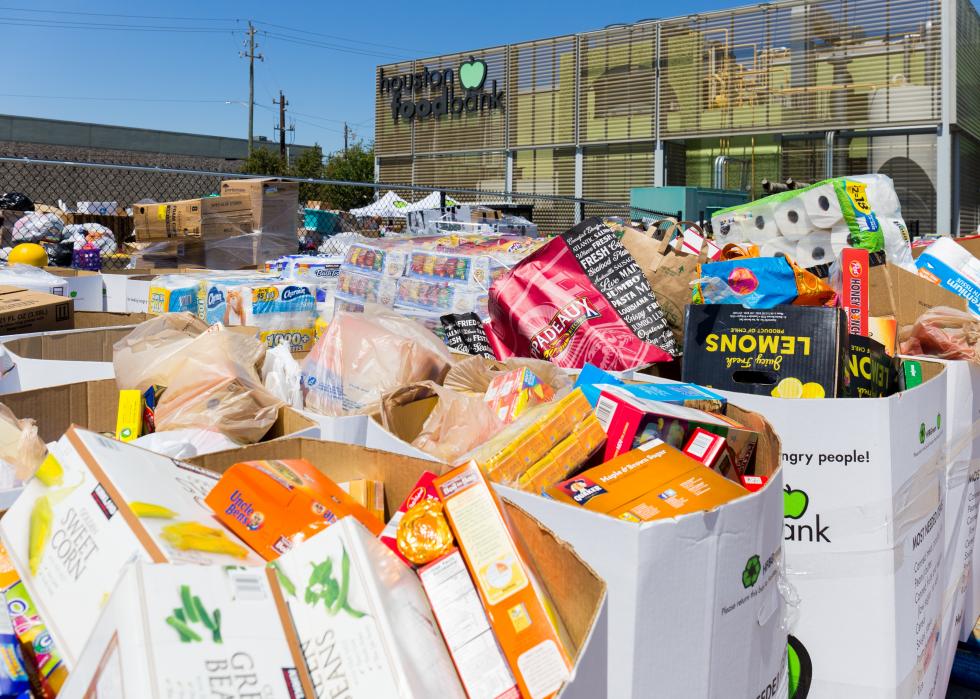
Retailers also donate around one-fifth of their food waste to food banks. This helps divert otherwise landfill-bound waste and feed hungry people. Many food banks and food rescue organizations will collect food donations for free.
The states that as long as the donor had not acted with negligence or intentional misconduct, the retailer is not liable for damage incurred as the result of illness. In other words, companies are not put at legal risk when they donate food. This makes food donation a practical option for retailers that also creates an attractive opportunity to benefit the communities in which they operate.
#1. Landfill
- Total: 2.9 million tons (32.9%)
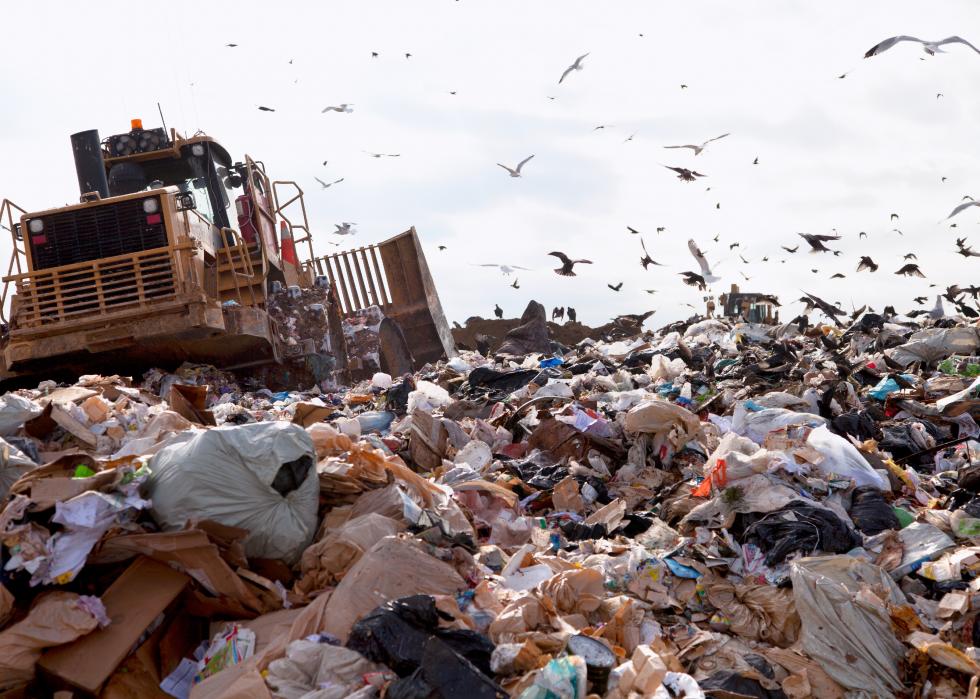
The majority of retail food waste, unfortunately, still ends up in landfills despite diversion innovations. When food goes to a landfill, it is similar to . The nutrients are not able to return to the soil and the wasted food rots and produces methane. This is a problem because methane is a potent greenhouse gas and a key contributor to climate change. In fact, landfills are among the United States鈥 .
Ultimately, there is no silver lining to the startling amount of food waste in the retail sector but there is a way forward. Companies can look past traditional food retail practices and welcome innovative technology designed to curb waste.
This story originally appeared on and was produced and distributed in partnership with 麻豆原创 Studio.