Most and least educated states in America
Each year, around 50 million young Americans attend public elementary and secondary schools, according to the , making the country's educational system one of the farthest-reaching and most impactful government services. That said, enrollment has recently seen a slight decline鈥攔oughly enrolled in pre-K through 12th grade in the fall of 2023, a 0.2% decrease from the year before.
These numbers may drop even further in the coming years. Newly instated President Donald Trump has long been vocal about his the Department of Education. This federal governing body provides additional funding and oversight of all forms of education across the 50 states. As of August 2025, those plans have hit a major roadblock in the Senate, where lawmakers from both parties to cut back on funding for K-12 education and limit the Department of Education. Though it remains to be seen whether Trump can actually eliminate the department altogether, the potential effects could be devastating for marginalized students鈥攖hose who are low-income, LGBTQ+, or of color.
Because education is handled at the state level鈥攆rom curricula and budgets to graduation requirements鈥攁 standard American education is somewhat hard to define. Formal academic education is one way children and young adults obtain the information needed to seek individual enrichment. Moreover, the social interaction inherent in public educational settings helps young people develop the traits and skills needed to thrive in diverse social environments.
To what extent education influences a person's ability to achieve a satisfactory level of well-being has been a among psychologists, sociologists, educators, and philosophers ever since the time of Socrates; however, there is greater consensus about . Education has a causal relationship with income, housing, public policy, lifestyle, and health care. According to April 2025 data from the Bureau of Labor Statistics, the for someone with a bachelor's degree or higher reached $1,754 in the first quarter of 2025, compared to the median weekly earnings of $743 for those without a high school diploma. Meanwhile, a February 2025 report from the National Association of Colleges and Employers predicted that new college grads will earn an of $68,680 in 2025.
To help understand exactly how these numbers play out across the U.S., 麻豆原创 used data from the Census Bureau's , released in 2022, to determine areas with the highest educational attainment. This index evaluates each state's population across seven educational tiers, ranging from those uneducated past eighth grade to those with graduate or professional degrees. States are ranked by the percentage of the population with a graduate degree. Ties are broken by the percentage with a bachelor's degree or higher.
How does your state stack up? Read on to discover which states are the most educated in the U.S.
#52. Puerto Rico
Highest level of education completed:
- Less than 9th grade: 14.1%
- 9th to 12th grade, no diploma: 7.6%
- High school graduate (includes equivalency): 28.0%
- Some college, no degree: 11.9%
- Associate's degree: 11.0%
- Bachelor's degree: 19.6%
- Graduate or professional degree: 7.8%
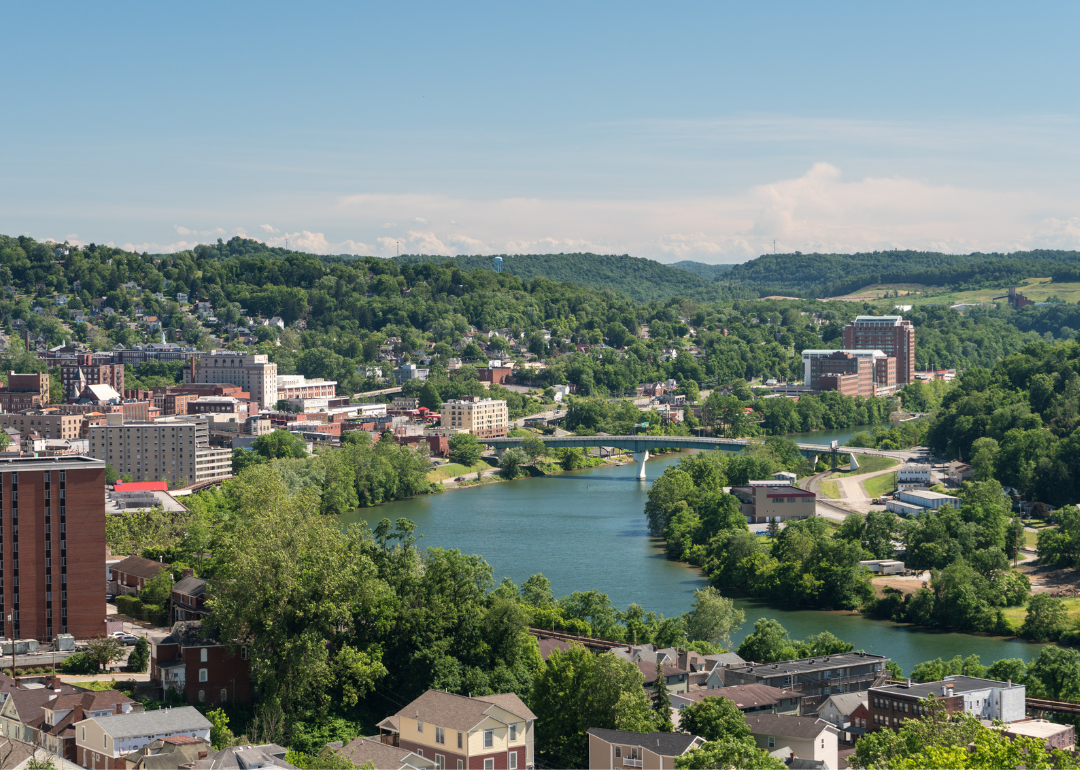
#51. West Virginia
Highest level of education completed:
- Less than 9th grade: 3.8%
- 9th to 12th grade, no diploma: 8.1%
- High school graduate (includes equivalency): 40.1%
- Some college, no degree: 18.5%
- Associate's degree: 7.7%
- Bachelor's degree: 13.0%
- Graduate or professional degree: 8.8%
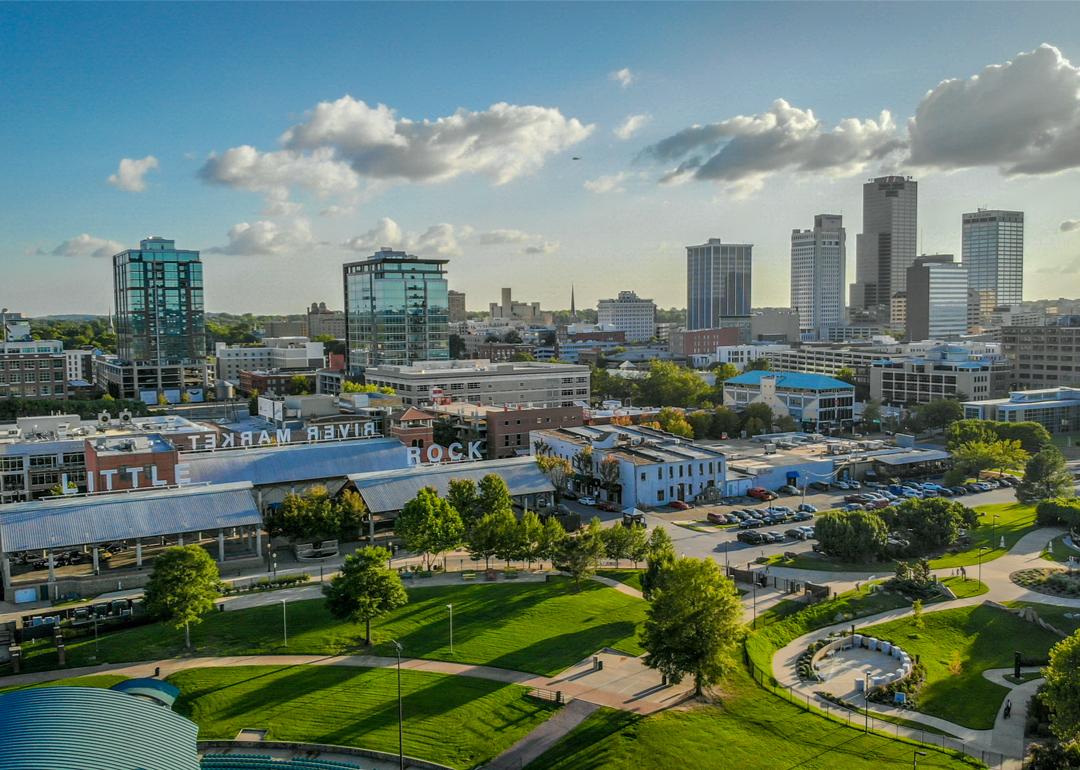
#50. Arkansas
Highest level of education completed:
- Less than 9th grade: 4.6%
- 9th to 12th grade, no diploma: 7.7%
- High school graduate (includes equivalency): 34.1%
- Some college, no degree: 21.7%
- Associate's degree: 7.7%
- Bachelor's degree: 15.5%
- Graduate or professional degree: 8.8%
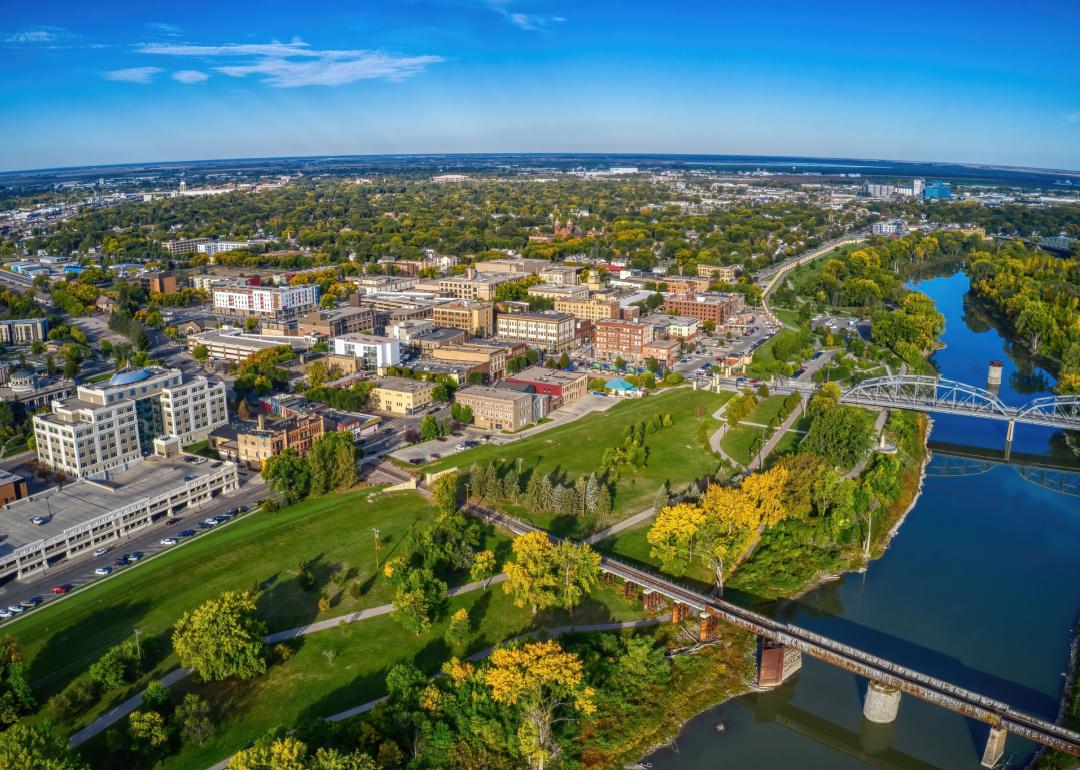
#49. North Dakota
Highest level of education completed:
- Less than 9th grade: 2.6%
- 9th to 12th grade, no diploma: 4.1%
- High school graduate (includes equivalency): 26.1%
- Some college, no degree: 22.0%
- Associate's degree: 14.1%
- Bachelor's degree: 22.2%
- Graduate or professional degree: 8.9%
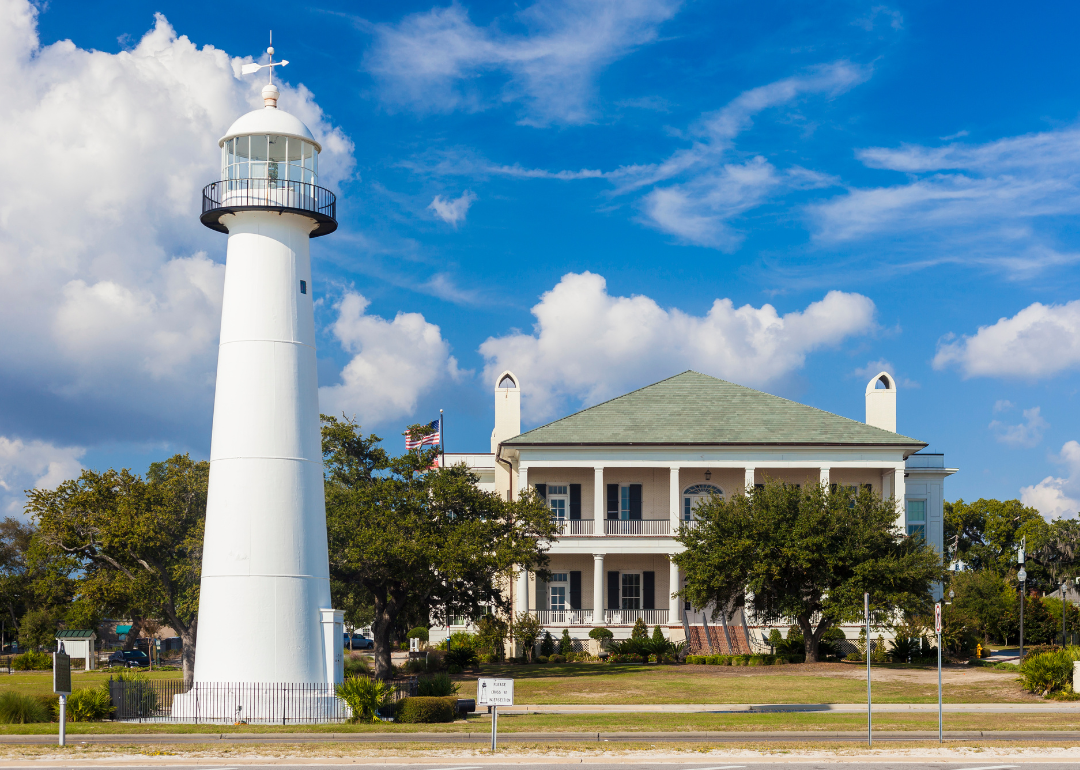
#48. Mississippi
Highest level of education completed:
- Less than 9th grade: 4.7%
- 9th to 12th grade, no diploma: 9.7%
- High school graduate (includes equivalency): 29.8%
- Some college, no degree: 22.1%
- Associate's degree: 10.5%
- Bachelor's degree: 14.2%
- Graduate or professional degree: 9.0%
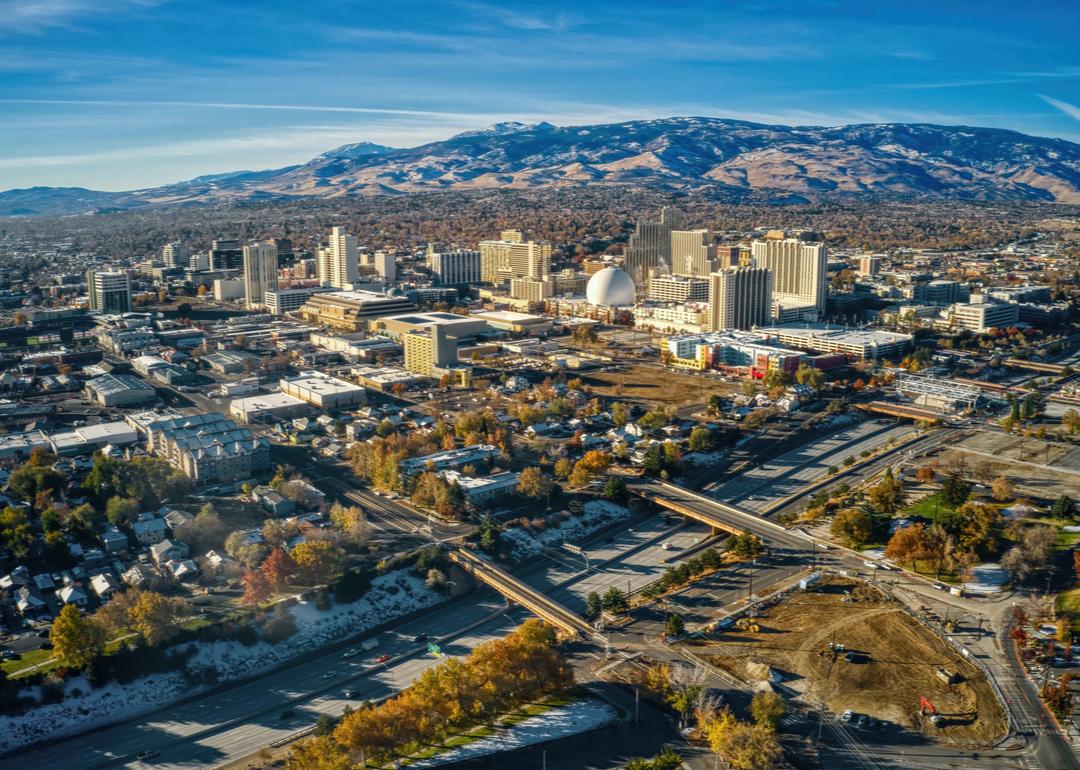
#47. Nevada
Highest level of education completed:
- Less than 9th grade: 5.3%
- 9th to 12th grade, no diploma: 7.6%
- High school graduate (includes equivalency): 27.8%
- Some college, no degree: 24.6%
- Associate's degree: 8.6%
- Bachelor's degree: 17.0%
- Graduate or professional degree: 9.1%
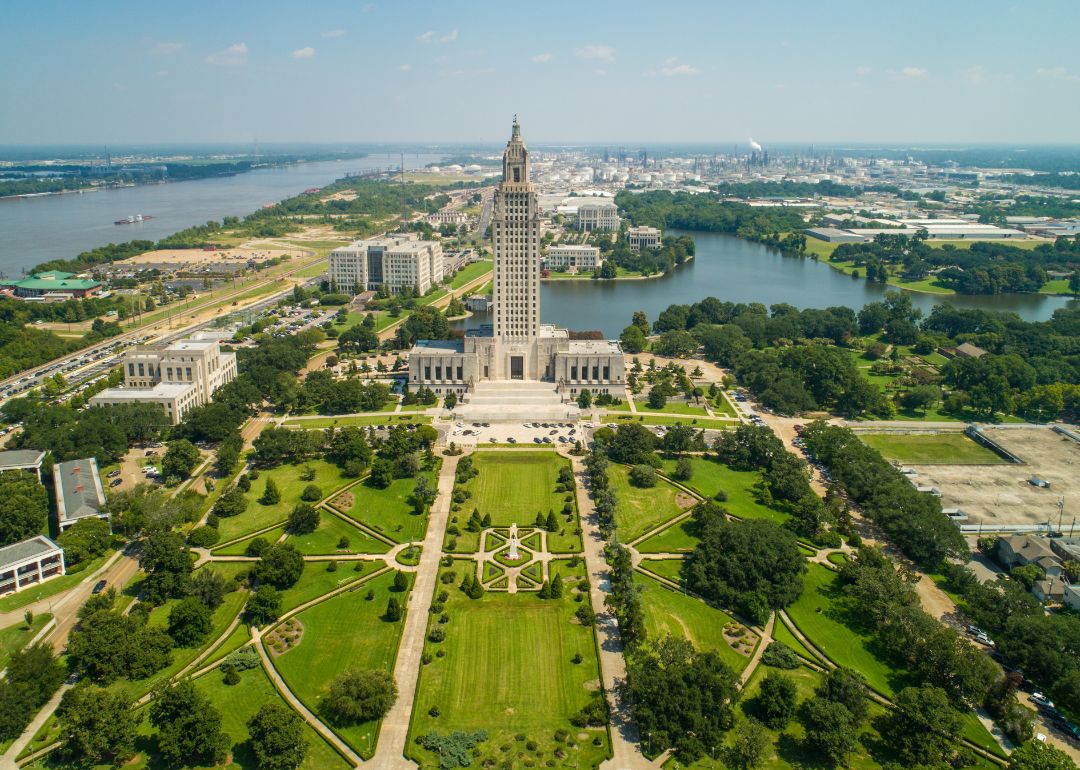
#46. Louisiana
Highest level of education completed:
- Less than 9th grade: 4.6%
- 9th to 12th grade, no diploma: 9.2%
- High school graduate (includes equivalency): 33.1%
- Some college, no degree: 20.9%
- Associate's degree: 6.7%
- Bachelor's degree: 16.3%
- Graduate or professional degree: 9.2%
#45. Oklahoma
Highest level of education completed:
- Less than 9th grade: 3.8%
- 9th to 12th grade, no diploma: 7.4%
- High school graduate (includes equivalency): 30.8%
- Some college, no degree: 22.9%
- Associate's degree: 8.2%
- Bachelor's degree: 17.5%
- Graduate or professional degree: 9.3%
#44. South Dakota
Highest level of education completed:
- Less than 9th grade: 2.7%
- 9th to 12th grade, no diploma: 4.8%
- High school graduate (includes equivalency): 30.1%
- Some college, no degree: 20.7%
- Associate's degree: 11.8%
- Bachelor's degree: 20.6%
- Graduate or professional degree: 9.4%
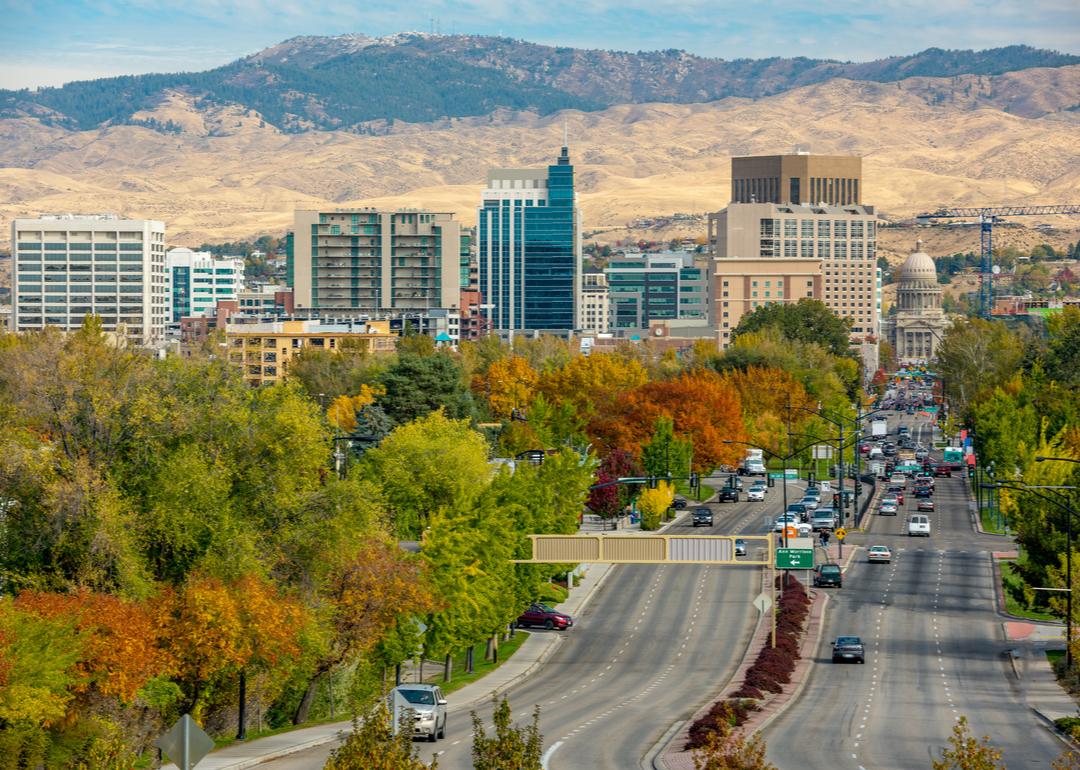
#43. Idaho
Highest level of education completed:
- Less than 9th grade: 3.2%
- 9th to 12th grade, no diploma: 5.6%
- High school graduate (includes equivalency): 26.5%
- Some college, no degree: 25.6%
- Associate's degree: 9.9%
- Bachelor's degree: 19.5%
- Graduate or professional degree: 9.6%
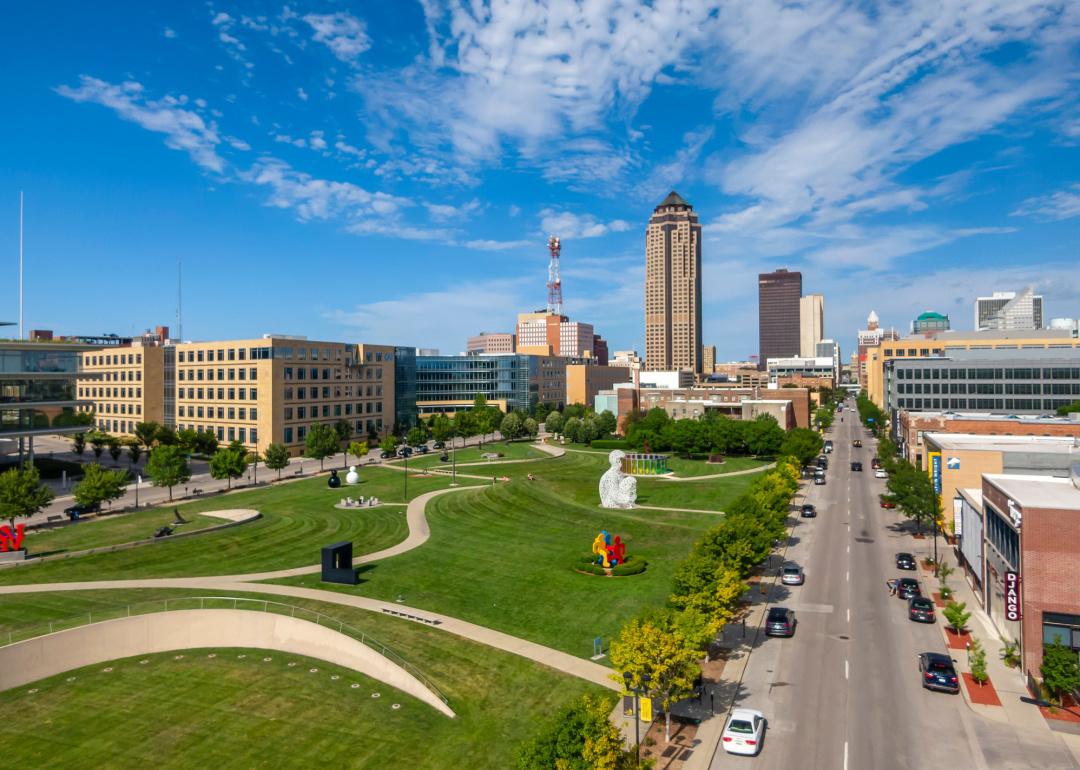
#42. Iowa
Highest level of education completed:
- Less than 9th grade: 2.8%
- 9th to 12th grade, no diploma: 4.4%
- High school graduate (includes equivalency): 30.6%
- Some college, no degree: 20.5%
- Associate's degree: 12.0%
- Bachelor's degree: 20.0%
- Graduate or professional degree: 9.7%
#41. Indiana
Highest level of education completed:
- Less than 9th grade: 3.5%
- 9th to 12th grade, no diploma: 6.7%
- High school graduate (includes equivalency): 33.0%
- Some college, no degree: 19.9%
- Associate's degree: 9.0%
- Bachelor's degree: 17.7%
- Graduate or professional degree: 10.1%
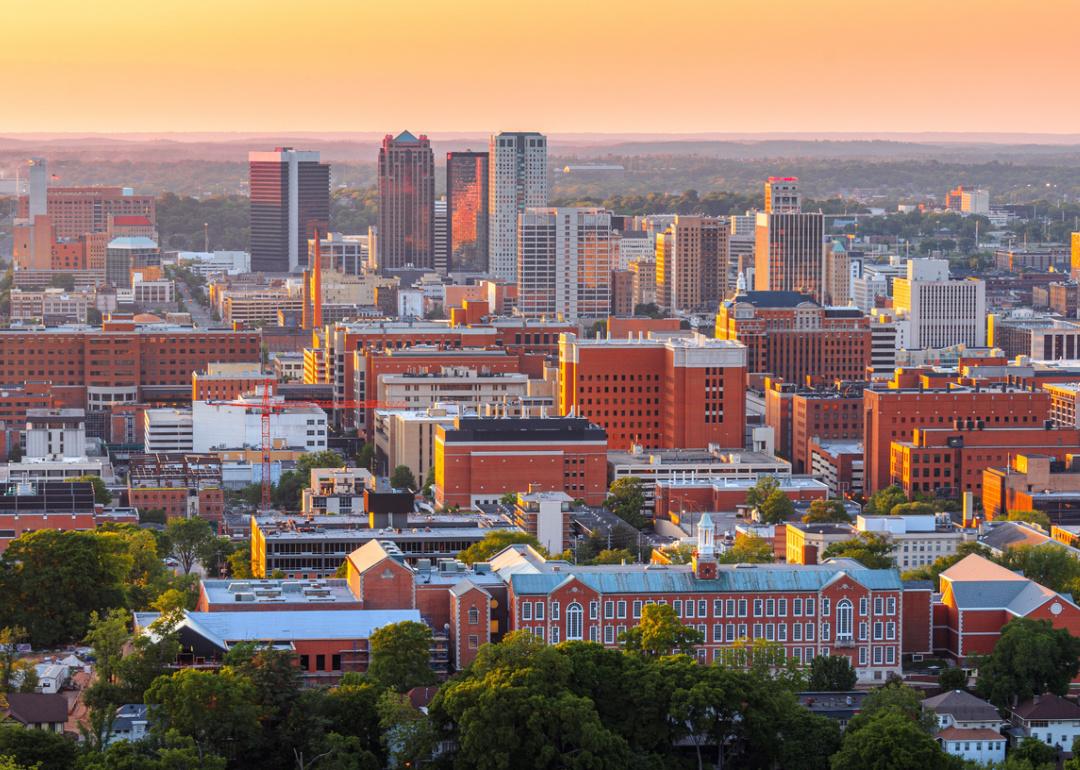
#40. Alabama
Highest level of education completed:
- Less than 9th grade: 3.8%
- 9th to 12th grade, no diploma: 8.8%
- High school graduate (includes equivalency): 30.5%
- Some college, no degree: 21.3%
- Associate's degree: 8.9%
- Bachelor's degree: 16.5%
- Graduate or professional degree: 10.2%
#39. Kentucky
Highest level of education completed:
- Less than 9th grade: 4.8%
- 9th to 12th grade, no diploma: 7.6%
- High school graduate (includes equivalency): 32.8%
- Some college, no degree: 20.6%
- Associate's degree: 8.6%
- Bachelor's degree: 15.1%
- Graduate or professional degree: 10.6%
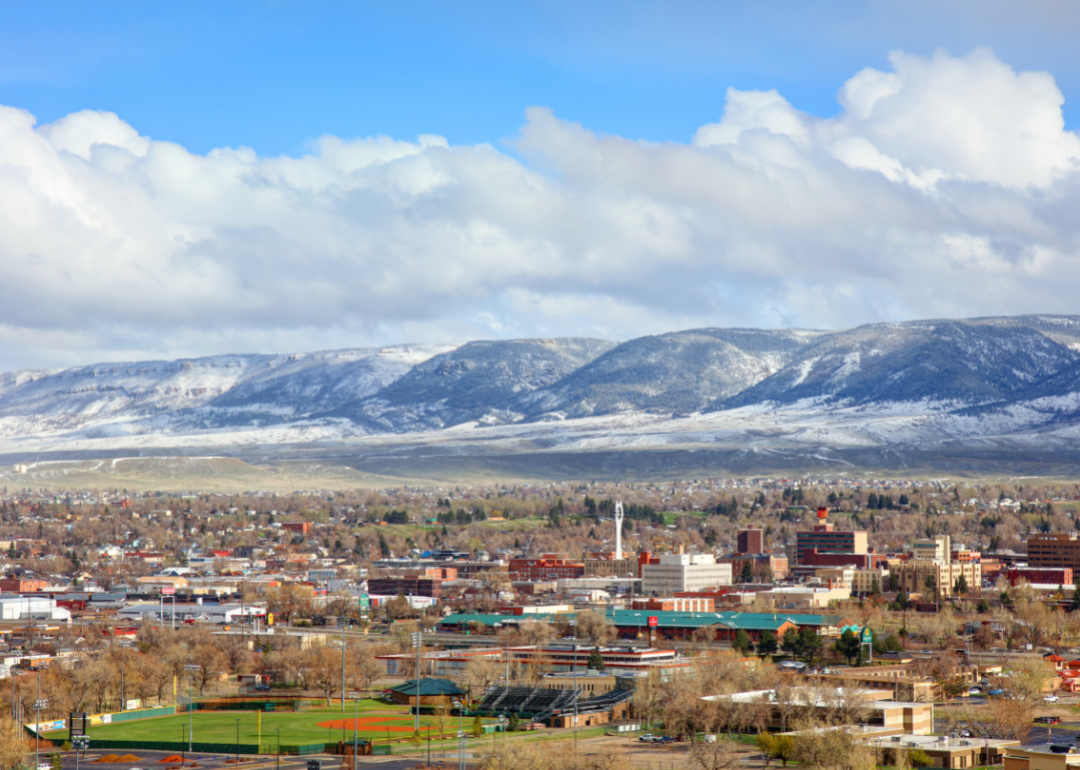
#38. Wyoming
Highest level of education completed:
- Less than 9th grade: 1.8%
- 9th to 12th grade, no diploma: 4.5%
- High school graduate (includes equivalency): 28.4%
- Some college, no degree: 25.2%
- Associate's degree: 11.6%
- Bachelor's degree: 17.9%
- Graduate or professional degree: 10.6%
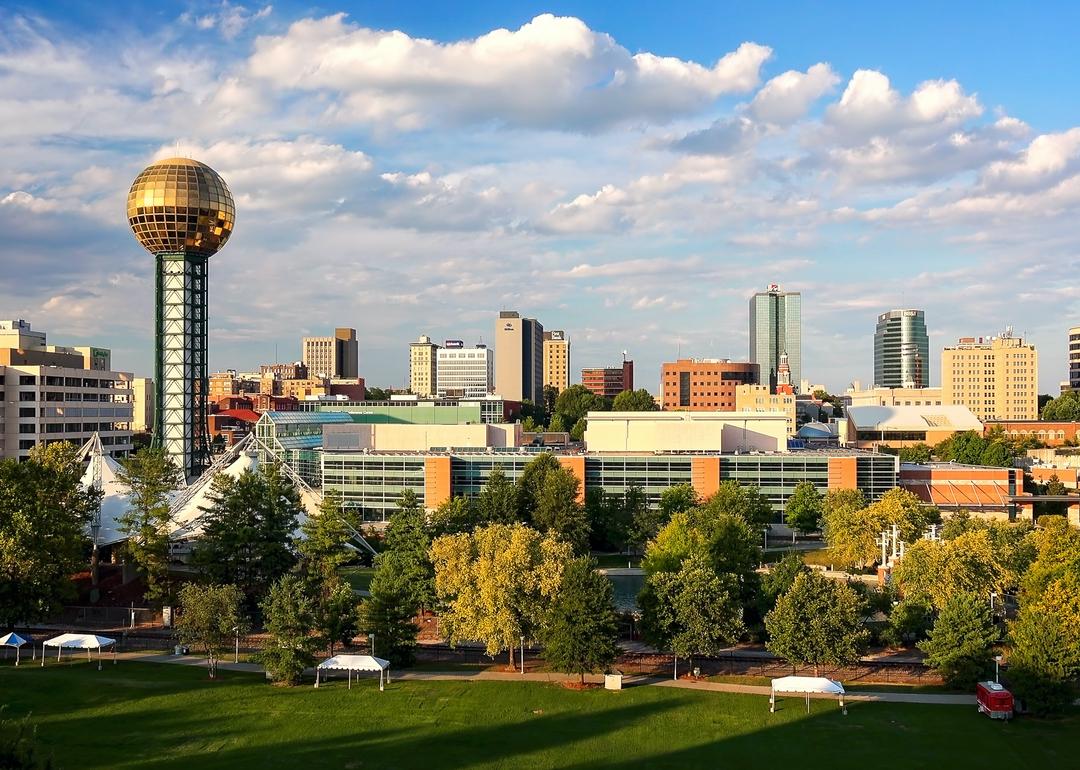
#37. Tennessee
Highest level of education completed:
- Less than 9th grade: 4.0%
- 9th to 12th grade, no diploma: 7.2%
- High school graduate (includes equivalency): 31.6%
- Some college, no degree: 20.6%
- Associate's degree: 7.6%
- Bachelor's degree: 18.2%
- Graduate or professional degree: 10.8%
#36. Wisconsin
Highest level of education completed:
- Less than 9th grade: 2.4%
- 9th to 12th grade, no diploma: 4.7%
- High school graduate (includes equivalency): 30.0%
- Some college, no degree: 20.2%
- Associate's degree: 11.2%
- Bachelor's degree: 20.7%
- Graduate or professional degree: 10.8%
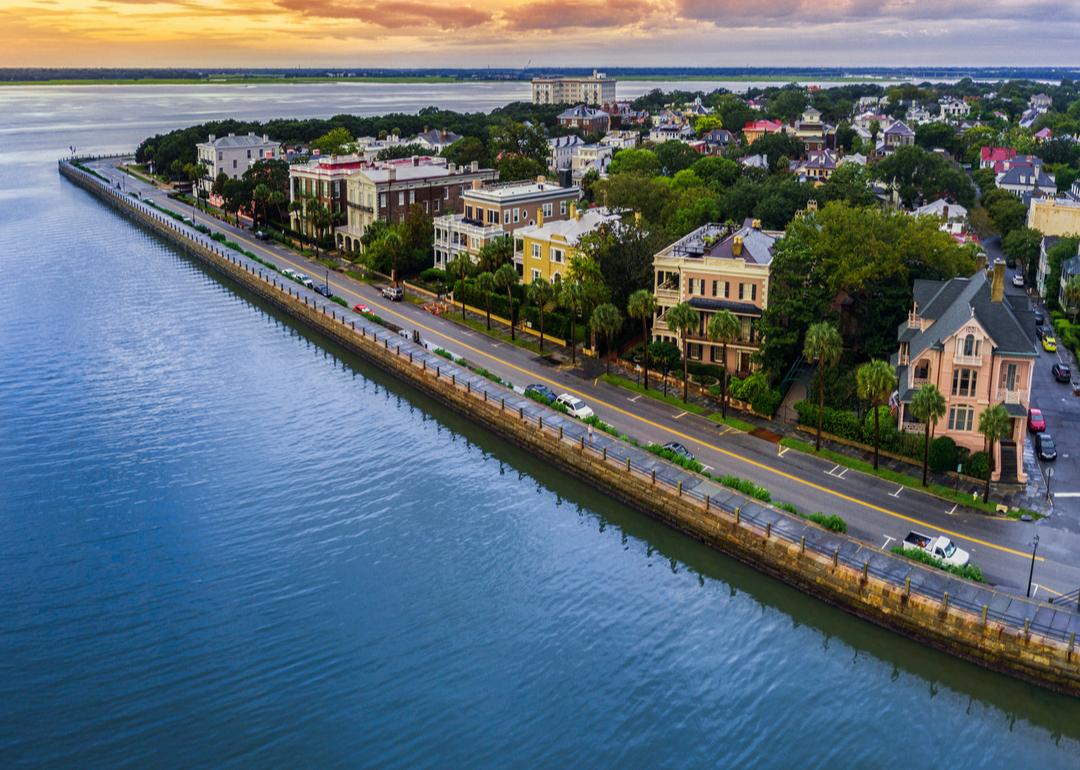
#35. South Carolina
Highest level of education completed:
- Less than 9th grade: 3.5%
- 9th to 12th grade, no diploma: 7.7%
- High school graduate (includes equivalency): 28.7%
- Some college, no degree: 20.2%
- Associate's degree: 10.0%
- Bachelor's degree: 18.6%
- Graduate or professional degree: 11.2%
#34. Texas
Highest level of education completed:
- Less than 9th grade: 7.6%
- 9th to 12th grade, no diploma: 7.5%
- High school graduate (includes equivalency): 24.5%
- Some college, no degree: 21.2%
- Associate's degree: 7.5%
- Bachelor's degree: 20.4%
- Graduate or professional degree: 11.2%
#33. Ohio
Highest level of education completed:
- Less than 9th grade: 2.7%
- 9th to 12th grade, no diploma: 6.2%
- High school graduate (includes equivalency): 32.6%
- Some college, no degree: 20.0%
- Associate's degree: 8.8%
- Bachelor's degree: 18.4%
- Graduate or professional degree: 11.3%
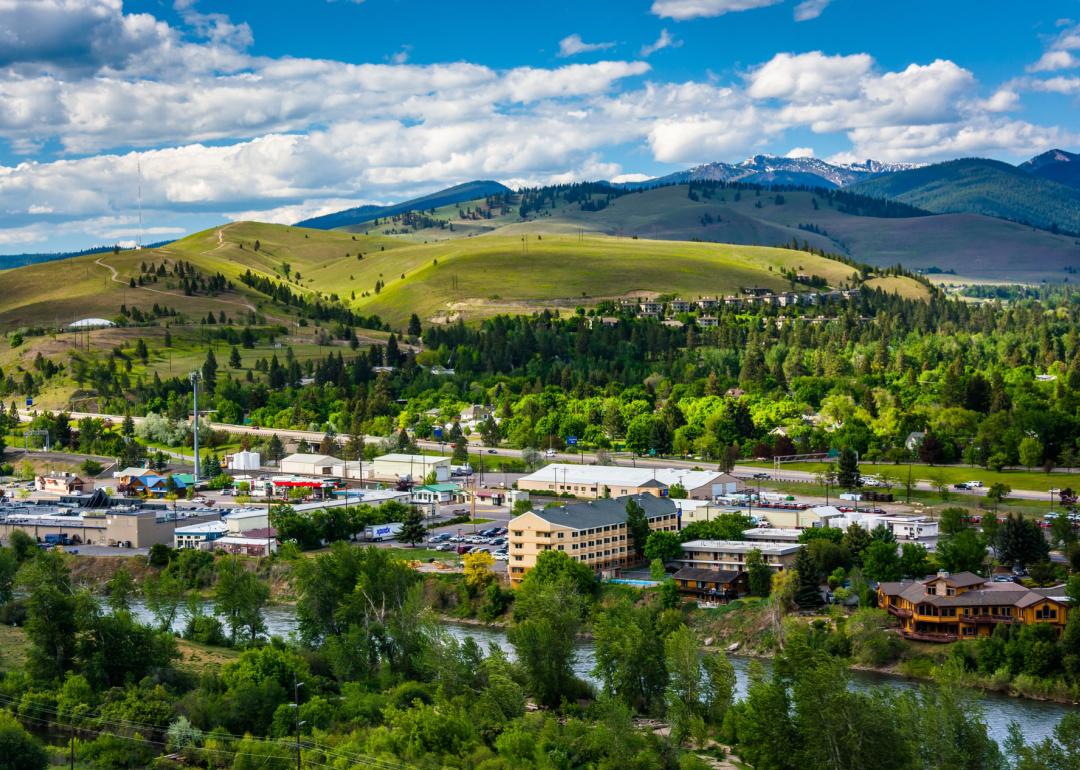
#32. Montana
Highest level of education completed:
- Less than 9th grade: 1.6%
- 9th to 12th grade, no diploma: 4.1%
- High school graduate (includes equivalency): 27.8%
- Some college, no degree: 23.4%
- Associate's degree: 9.5%
- Bachelor's degree: 22.3%
- Graduate or professional degree: 11.3%
#31. Nebraska
Highest level of education completed:
- Less than 9th grade: 3.8%
- 9th to 12th grade, no diploma: 4.5%
- High school graduate (includes equivalency): 25.6%
- Some college, no degree: 22.5%
- Associate's degree: 10.7%
- Bachelor's degree: 21.5%
- Graduate or professional degree: 11.4%
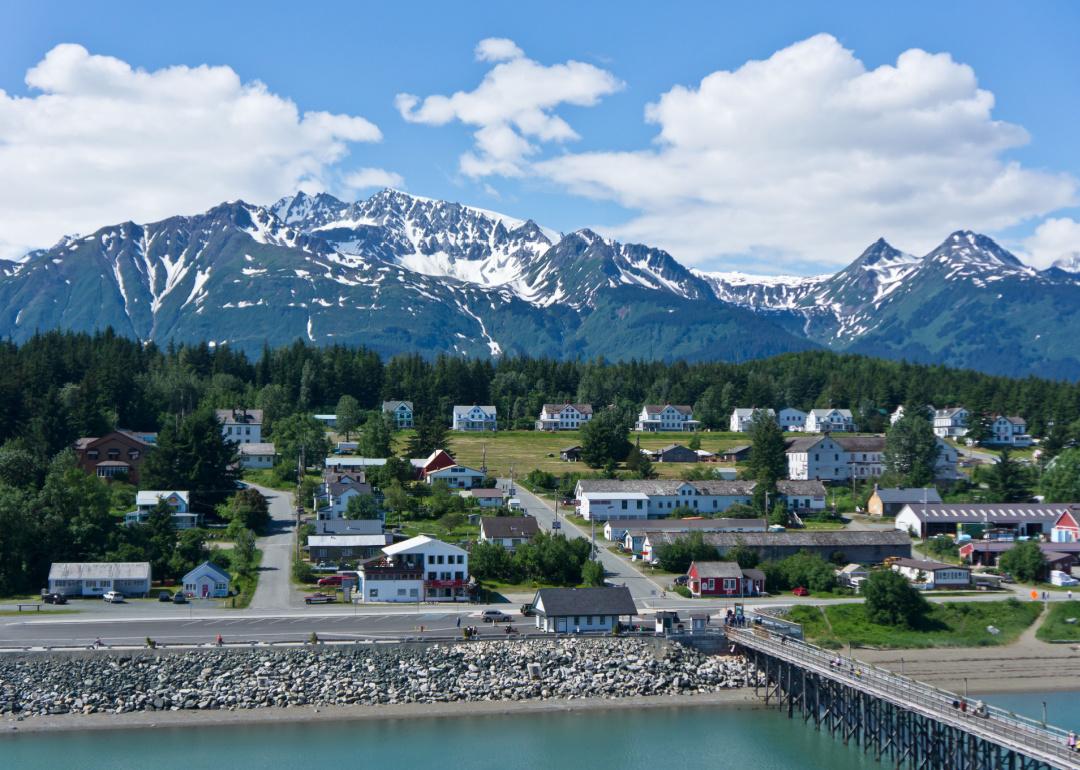
#30. Alaska
Highest level of education completed:
- Less than 9th grade: 2.3%
- 9th to 12th grade, no diploma: 4.5%
- High school graduate (includes equivalency): 28.5%
- Some college, no degree: 25.6%
- Associate's degree: 8.6%
- Bachelor's degree: 19.1%
- Graduate or professional degree: 11.5%
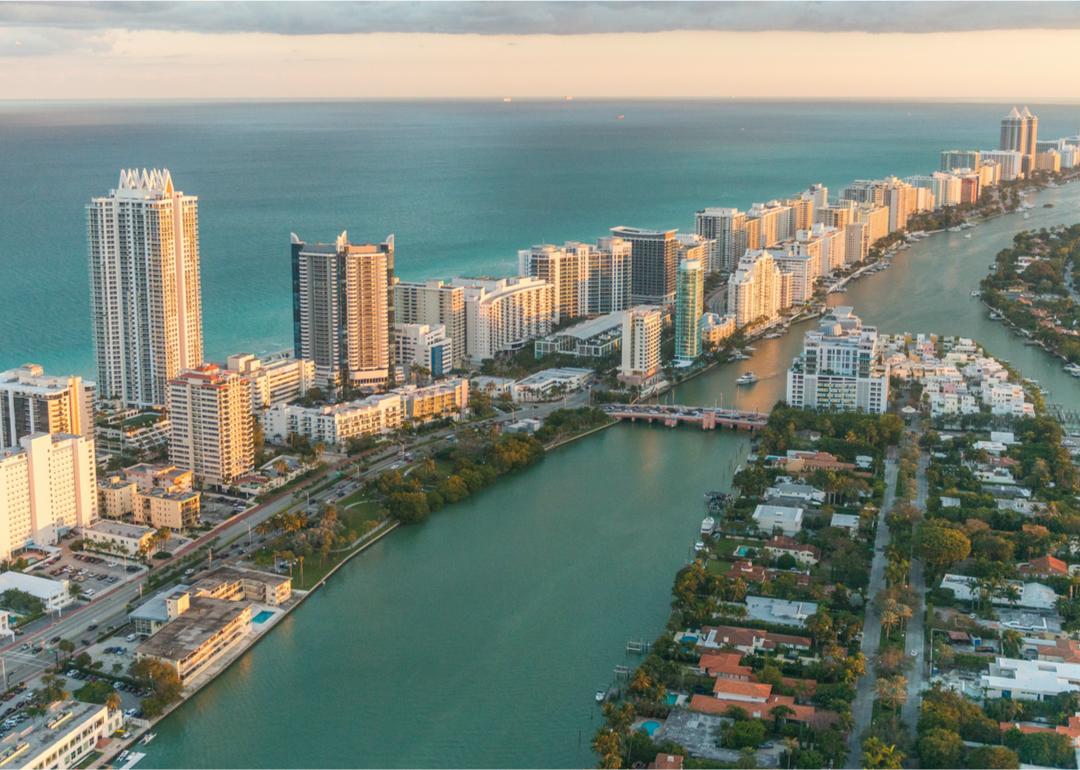
#29. Florida
Highest level of education completed:
- Less than 9th grade: 4.4%
- 9th to 12th grade, no diploma: 6.6%
- High school graduate (includes equivalency): 27.9%
- Some college, no degree: 19.5%
- Associate's degree: 10.1%
- Bachelor's degree: 19.8%
- Graduate or professional degree: 11.7%
#28. Missouri
Highest level of education completed:
- Less than 9th grade: 2.8%
- 9th to 12th grade, no diploma: 6.3%
- High school graduate (includes equivalency): 30.5%
- Some college, no degree: 21.6%
- Associate's degree: 8.2%
- Bachelor's degree: 18.9%
- Graduate or professional degree: 11.8%
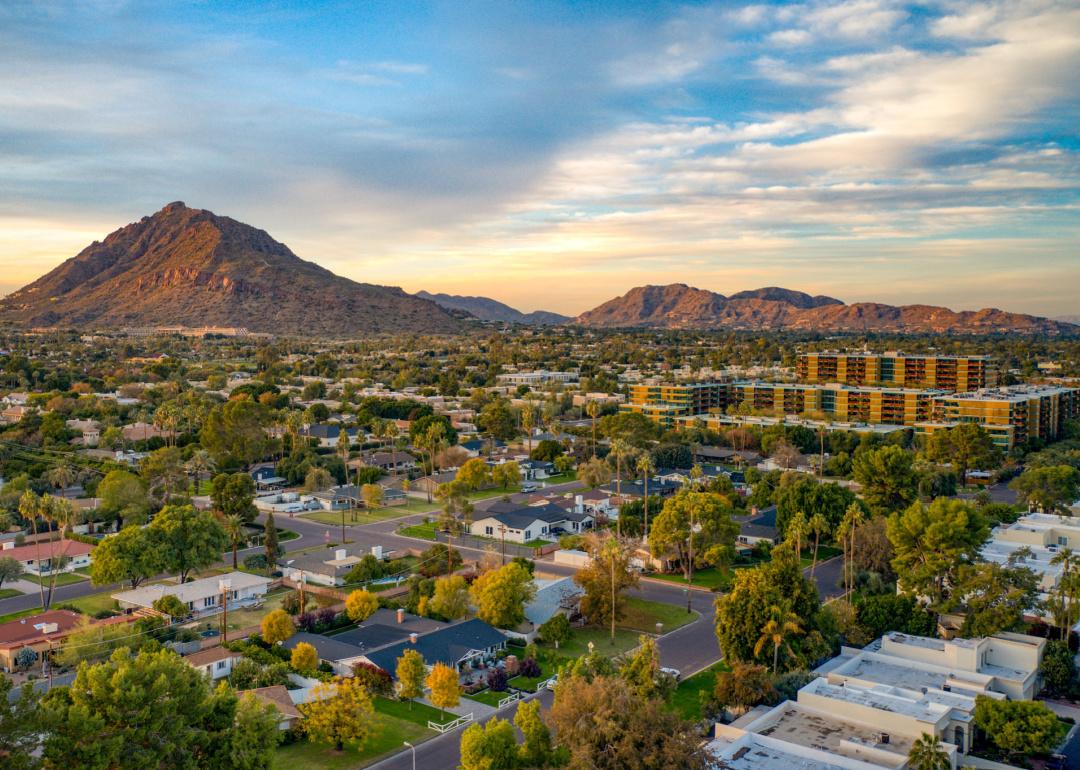
#27. Arizona
Highest level of education completed:
- Less than 9th grade: 4.9%
- 9th to 12th grade, no diploma: 6.8%
- High school graduate (includes equivalency): 23.5%
- Some college, no degree: 24.6%
- Associate's degree: 9.0%
- Bachelor's degree: 19.3%
- Graduate or professional degree: 11.9%
#26. Michigan
Highest level of education completed:
- Less than 9th grade: 2.6%
- 9th to 12th grade, no diploma: 5.8%
- High school graduate (includes equivalency): 28.5%
- Some college, no degree: 22.8%
- Associate's degree: 9.7%
- Bachelor's degree: 18.6%
- Graduate or professional degree: 12.0%
#25. Utah
Highest level of education completed:
- Less than 9th grade: 2.5%
- 9th to 12th grade, no diploma: 4.4%
- High school graduate (includes equivalency): 22.7%
- Some college, no degree: 25.1%
- Associate's degree: 9.9%
- Bachelor's degree: 23.5%
- Graduate or professional degree: 12.0%
#24. North Carolina
Highest level of education completed:
- Less than 9th grade: 4.1%
- 9th to 12th grade, no diploma: 6.8%
- High school graduate (includes equivalency): 25.2%
- Some college, no degree: 20.8%
- Associate's degree: 10.0%
- Bachelor's degree: 20.9%
- Graduate or professional degree: 12.1%
#23. Hawaii
Highest level of education completed:
- Less than 9th grade: 3.4%
- 9th to 12th grade, no diploma: 3.9%
- High school graduate (includes equivalency): 26.8%
- Some college, no degree: 20.5%
- Associate's degree: 11.0%
- Bachelor's degree: 22.2%
- Graduate or professional degree: 12.2%
#22. Maine
Highest level of education completed:
- Less than 9th grade: 2.1%
- 9th to 12th grade, no diploma: 4.2%
- High school graduate (includes equivalency): 30.9%
- Some college, no degree: 18.9%
- Associate's degree: 10.3%
- Bachelor's degree: 21.0%
- Graduate or professional degree: 12.6%
#21. New Mexico
Highest level of education completed:
- Less than 9th grade: 5.4%
- 9th to 12th grade, no diploma: 7.8%
- High school graduate (includes equivalency): 26.0%
- Some college, no degree: 23.3%
- Associate's degree: 8.9%
- Bachelor's degree: 15.8%
- Graduate or professional degree: 12.7%
#20. Georgia
Highest level of education completed:
- Less than 9th grade: 4.4%
- 9th to 12th grade, no diploma: 7.4%
- High school graduate (includes equivalency): 27.2%
- Some college, no degree: 19.9%
- Associate's degree: 8.2%
- Bachelor's degree: 20.2%
- Graduate or professional degree: 12.8%
#19. Kansas
Highest level of education completed:
- Less than 9th grade: 3.5%
- 9th to 12th grade, no diploma: 4.9%
- High school graduate (includes equivalency): 25.7%
- Some college, no degree: 22.7%
- Associate's degree: 8.9%
- Bachelor's degree: 21.6%
- Graduate or professional degree: 12.8%
#18. Minnesota
Highest level of education completed:
- Less than 9th grade: 2.7%
- 9th to 12th grade, no diploma: 3.7%
- High school graduate (includes equivalency): 23.9%
- Some college, no degree: 20.5%
- Associate's degree: 11.6%
- Bachelor's degree: 24.6%
- Graduate or professional degree: 13.0%
#17. Pennsylvania
Highest level of education completed:
- Less than 9th grade: 3.0%
- 9th to 12th grade, no diploma: 5.6%
- High school graduate (includes equivalency): 33.8%
- Some college, no degree: 15.7%
- Associate's degree: 8.7%
- Bachelor's degree: 19.9%
- Graduate or professional degree: 13.2%
#16. Oregon
Highest level of education completed:
- Less than 9th grade: 3.3%
- 9th to 12th grade, no diploma: 5.2%
- High school graduate (includes equivalency): 22.5%
- Some college, no degree: 24.9%
- Associate's degree: 9.1%
- Bachelor's degree: 21.7%
- Graduate or professional degree: 13.3%
#15. California
Highest level of education completed:
- Less than 9th grade: 8.7%
- 9th to 12th grade, no diploma: 7.1%
- High school graduate (includes equivalency): 20.4%
- Some college, no degree: 20.5%
- Associate's degree: 8.0%
- Bachelor's degree: 21.9%
- Graduate or professional degree: 13.4%
#14. Delaware
Highest level of education completed:
- Less than 9th grade: 3.2%
- 9th to 12th grade, no diploma: 5.7%
- High school graduate (includes equivalency): 30.4%
- Some college, no degree: 18.8%
- Associate's degree: 8.2%
- Bachelor's degree: 19.4%
- Graduate or professional degree: 14.2%
#13. Washington
Highest level of education completed:
- Less than 9th grade: 3.5%
- 9th to 12th grade, no diploma: 4.6%
- High school graduate (includes equivalency): 21.8%
- Some college, no degree: 22.7%
- Associate's degree: 10.2%
- Bachelor's degree: 23.1%
- Graduate or professional degree: 14.2%
#12. Rhode Island
Highest level of education completed:
- Less than 9th grade: 4.7%
- 9th to 12th grade, no diploma: 6.2%
- High school graduate (includes equivalency): 27.9%
- Some college, no degree: 17.7%
- Associate's degree: 8.2%
- Bachelor's degree: 20.9%
- Graduate or professional degree: 14.4%
#11. Illinois
Highest level of education completed:
- Less than 9th grade: 4.6%
- 9th to 12th grade, no diploma: 5.6%
- High school graduate (includes equivalency): 25.4%
- Some college, no degree: 20.1%
- Associate's degree: 8.2%
- Bachelor's degree: 21.8%
- Graduate or professional degree: 14.4%
#10. New Hampshire
Highest level of education completed:
- Less than 9th grade: 2.1%
- 9th to 12th grade, no diploma: 4.3%
- High school graduate (includes equivalency): 27.3%
- Some college, no degree: 17.8%
- Associate's degree: 10.3%
- Bachelor's degree: 23.4%
- Graduate or professional degree: 14.9%
#9. Colorado
Highest level of education completed:
- Less than 9th grade: 3.2%
- 9th to 12th grade, no diploma: 4.4%
- High school graduate (includes equivalency): 20.6%
- Some college, no degree: 20.5%
- Associate's degree: 8.5%
- Bachelor's degree: 26.7%
- Graduate or professional degree: 16.1%
#8. New Jersey
Highest level of education completed:
- Less than 9th grade: 4.6%
- 9th to 12th grade, no diploma: 4.9%
- High school graduate (includes equivalency): 26.4%
- Some college, no degree: 15.9%
- Associate's degree: 6.7%
- Bachelor's degree: 25.1%
- Graduate or professional degree: 16.4%
#7. Vermont
Highest level of education completed:
- Less than 9th grade: 1.8%
- 9th to 12th grade, no diploma: 4.3%
- High school graduate (includes equivalency): 28.0%
- Some college, no degree: 16.5%
- Associate's degree: 8.6%
- Bachelor's degree: 24.2%
- Graduate or professional degree: 16.7%
#6. New York
Highest level of education completed:
- Less than 9th grade: 6.0%
- 9th to 12th grade, no diploma: 6.6%
- High school graduate (includes equivalency): 25.2%
- Some college, no degree: 15.2%
- Associate's degree: 8.9%
- Bachelor's degree: 21.3%
- Graduate or professional degree: 16.8%
#5. Virginia
Highest level of education completed:
- Less than 9th grade: 3.7%
- 9th to 12th grade, no diploma: 5.5%
- High school graduate (includes equivalency): 23.8%
- Some college, no degree: 18.7%
- Associate's degree: 7.9%
- Bachelor's degree: 22.8%
- Graduate or professional degree: 17.6%
#4. Connecticut
Highest level of education completed:
- Less than 9th grade: 4.0%
- 9th to 12th grade, no diploma: 4.9%
- High school graduate (includes equivalency): 26.1%
- Some college, no degree: 16.6%
- Associate's degree: 7.8%
- Bachelor's degree: 22.3%
- Graduate or professional degree: 18.2%
#3. Maryland
Highest level of education completed:
- Less than 9th grade: 3.8%
- 9th to 12th grade, no diploma: 5.4%
- High school graduate (includes equivalency): 23.9%
- Some college, no degree: 18.4%
- Associate's degree: 6.9%
- Bachelor's degree: 22.0%
- Graduate or professional degree: 19.5%
#2. Massachusetts
Highest level of education completed:
- Less than 9th grade: 4.2%
- 9th to 12th grade, no diploma: 4.6%
- High school graduate (includes equivalency): 23.2%
- Some college, no degree: 15.1%
- Associate's degree: 7.7%
- Bachelor's degree: 24.8%
- Graduate or professional degree: 20.4%
#1. Washington D.C.
Highest level of education completed:
- Less than 9th grade: 3.2%
- 9th to 12th grade, no diploma: 4.5%
- High school graduate (includes equivalency): 15.5%
- Some college, no degree: 12.4%
- Associate's degree: 3.0%
- Bachelor's degree: 25.5%
- Graduate or professional degree: 35.9%