States with the best internet access for online learning

Written by:
July 30, 2021
Canva

This story originally appeared on 麻豆原创 and was produced and distributed in partnership with 麻豆原创 Studio.

States with the best internet access for online learning

Around the United States, school districts and their supervisors have scrambled to get millions of students online for virtual learning during the COVID-19 pandemic. In many states, this has taken the form of funding from the CARES Act, a massive federal funding package that helped to allocate funds at states鈥 discretion. With that money, states are able to invest in bulk buys of Wi-Fi hotspots, for example. These can be loaned out to students as needed or used to help whole sections of communities to access Wi-Fi.

In addition, many internet service providers made deals to offer free or discounted services for anywhere from a month to, well, indefinitely. That鈥檚 true around the country, with some operating on simple lists of students in need that are sent over by schools. In other places, students qualify by receiving SNAP or other benefits, free or discounted school lunches, or Medicaid benefits. These students are then able to log onto virtual lessons over costly bandwidth services like Zoom, which seems to have cornered the market for educational meetings.

used the most recent data from the U.S. Census Bureau鈥檚 , released on May 5, 2021, to rank the states according to which ones have the best internet access. The 50 states and Washington D.C. are ranked by the percentage of households that responded as 鈥渁lways鈥 having internet availability for education purposes. Ties are broken by the percentage of households that responded as 鈥渦sually鈥 having internet availability for education purposes.

Each state also includes information on general computer availability in the household, as well as who pays for the internet and whether internet services are available in the home. Note that households that said they 鈥渞arely鈥 or 鈥渘ever鈥 have internet or computer availability were not included in this article, but they are part of the total percentage of households surveyed.


1 / 51
Canva

#51. Montana

- Internet availability for education purposes:
--- Always: 60.7%; Usually: 22.5%; Sometimes: 11.3%
- Computer availability for education purposes:
--- Always: 63.3%, Usually: 18.1%, Sometimes: 14.2%
- Who pays for education-related internet service:
--- Household or family: 93.5%; Child鈥檚 school or school district: data not available; Another source: 4.3%; Internet services not available in home: data not available

In March 2020, Montana鈥檚 Sen. Jon Tester to help guarantee home internet access to children whose schools went virtual. Particularly in rural, or even remote, areas of the state, households deal with spotty service. 

2 / 51
Canva

#50. Nebraska

- Internet availability for education purposes:
--- Always: 67.2%; Usually: 21.9%; Sometimes: 7.2%
- Computer availability for education purposes:
--- Always: 66.1%, Usually: 20.2%, Sometimes: 5.5%
- Who pays for education-related internet service:
--- Household or family: 96.4%; Child鈥檚 school or school district: 1.5%; Another source: 0.9%; Internet services not available in home: data not available

One Nebraska communications official described the state鈥檚 broadband access as 鈥渓ike a checkerboard鈥 in on Nebraska internet access. The state also has different access levels on Native American reservations.

3 / 51
Canva

#49. Alaska

- Internet availability for education purposes:
--- Always: 67.3%; Usually: 20.4%; Sometimes: 3.5%
- Computer availability for education purposes:
--- Always: 74.4%, Usually: 15.4%, Sometimes: 3.8%
- Who pays for education-related internet service:
--- Household or family: 89.1%; Child鈥檚 school or school district: 5.5%; Another source: 1.5%; Internet services not available in home: 1.7%

The majority of Alaska鈥檚 school districts are considered , meaning children in these districts have experienced even more growing pains during pandemic virtual schooling. The state鈥檚 largest provider, GCI, in May 2021.

4 / 51
Canva

#48. Arkansas

- Internet availability for education purposes:
--- Always: 68.7%; Usually: 23.6%; Sometimes: 1.5%
- Computer availability for education purposes:
--- Always: 78.9%, Usually: 17.2%, Sometimes: 0.5%
- Who pays for education-related internet service:
--- Household or family: 90.8%; Child鈥檚 school or school district: 1.0%; Another source: 0.7%; Internet services not available in home: 0.1%

In August 2020, Arkansas Gov. Asa Hutchinson to increase students鈥 internet access for remote schooling. Just 1.5% of those surveyed said they only have the internet sometimes available at home for educational purposes.

5 / 51
myboys.me // Shutterstock

#47. Alabama

- Internet availability for education purposes:
--- Always: 70.2%; Usually: 14.8%; Sometimes: 7.3%
- Computer availability for education purposes:
--- Always: 70.3%, Usually: 19.7%, Sometimes: 5.7%
- Who pays for education-related internet service:
--- Household or family: 88.1%; Child鈥檚 school or school district: 5.6%; Another source: 2.5%; Internet services not available in home: 3.1%

The program is helping to provide broadband access to students through the end of June 2021. After that, the state of Alabama recommends the national Emergency Broadband Benefit program, which gives a discount for affected people.

6 / 51
Canva

#46. West Virginia

- Internet availability for education purposes:
--- Always: 70.5%; Usually: 16.3%; Sometimes: 3.7%
- Computer availability for education purposes:
--- Always: 75.2%, Usually: 12.4%, Sometimes: 4.8%
- Who pays for education-related internet service:
--- Household or family: 88.6%; Child鈥檚 school or school district: 0.4%; Another source: data not available; Internet services not available in home: 1.1%

West Virginia has a high proportion of children in rural school districts. Gov. Jim Justice announced a designed to help students get online for remote schooling beginning in August 2020.

7 / 51
pio3 // Shutterstock

#45. Florida

- Internet availability for education purposes:
--- Always: 72.2%; Usually: 15.8%; Sometimes: 8.0%
- Computer availability for education purposes:
--- Always: 76.1%, Usually: 15.0%, Sometimes: 3.0%
- Who pays for education-related internet service:
--- Household or family: 88.8%; Child鈥檚 school or school district: 2.0%; Another source: 1.8%; Internet services not available in home: 2.7%

In Florida, many offered free months of service or extension from service cutoff dates for affected customers. One school superintendent there negotiated lower cost in his district.

8 / 51
Canva

#44. Illinois

- Internet availability for education purposes:
--- Always: 72.8%; Usually: 15.8%; Sometimes: 8.7%
- Computer availability for education purposes:
--- Always: 81.3%, Usually: 14.2%, Sometimes: 3.4%
- Who pays for education-related internet service:
--- Household or family: 95.6%; Child鈥檚 school or school district: 3.9%; Another source: 1.0%; Internet services not available in home: 0.3%

Much of Illinois is rural and made of small school districts. An analysis by the Chicago Tribune and ProPublica (based on 2017 data) found  throughout Illinois, made even more apparent during the pandemic. A dozen providers around Illinois collaborated to offer in response to COVID-19.

9 / 51
Kate Kultsevych // Shutterstock

#43. North Carolina

- Internet availability for education purposes:
--- Always: 73.9%; Usually: 19.4%; Sometimes: 2.0%
- Computer availability for education purposes:
--- Always: 81.6%, Usually: 12.7%, Sometimes: 3.9%
- Who pays for education-related internet service:
--- Household or family: 94.2%; Child鈥檚 school or school district: 0.4%; Another source: 0.6%; Internet services not available in home: data not available

In March 2020, Spectrum for the following two months to all North Carolina residents. In September 2020, the state to help more students get online.

10 / 51
chaylek // Shutterstock

#42. Kansas

- Internet availability for education purposes:
--- Always: 74.1%; Usually: 17.2%; Sometimes: 7.8%
- Computer availability for education purposes:
--- Always: 81.0%, Usually: 11.7%, Sometimes: 6.1%
- Who pays for education-related internet service:
--- Household or family: 95.1%; Child鈥檚 school or school district: 0.7%; Another source: 1.0%; Internet services not available in home: 1.6%

Some of Kansas鈥檚 many rural school districts by using funds from the CARES act. These hotspots only allow school-approved sites and are available from 7 a.m. to 4 p.m. each day.

11 / 51
Canva

#41. Wisconsin

- Internet availability for education purposes:
--- Always: 74.5%; Usually: 14.7%; Sometimes: 2.6%
- Computer availability for education purposes:
--- Always: 75.2%, Usually: 18.8%, Sometimes: 0.3%
- Who pays for education-related internet service:
--- Household or family: 88.3%; Child鈥檚 school or school district: 2.3%; Another source: 2.5%; Internet services not available in home: 0.3%

In March 2020, Spectrum to any home with students affected by school closures in Wisconsin. Many of Wisconsin鈥檚 school districts are rural, especially in the northern part of the state.

12 / 51
Canva

#40. Nevada

- Internet availability for education purposes:
--- Always: 75.4%; Usually: 15.6%; Sometimes: 5.8%
- Computer availability for education purposes:
--- Always: 89.0%, Usually: 8.1%, Sometimes: 1.9%
- Who pays for education-related internet service:
--- Household or family: 95.2%; Child鈥檚 school or school district: 2.8%; Another source: 1.1%; Internet services not available in home: 0.3%

Nevada that it reached the astonishing goal of having internet access and computers at home for all students in the state. This was the result of hard work by the Connecting Kids Nevada coalition in the state.

13 / 51
insta_photos // Shutterstock

#39. Ohio

- Internet availability for education purposes:
--- Always: 75.8%; Usually: 16.1%; Sometimes: 3.7%
- Computer availability for education purposes:
--- Always: 78.2%, Usually: 14.5%, Sometimes: 2.4%
- Who pays for education-related internet service:
--- Household or family: 87.9%; Child鈥檚 school or school district: 8.3%; Another source: 0.2%; Internet services not available in home: 2.6%

Ohio on expanding internet access for the state鈥檚 school children. The Ohio House of Representatives also passed legislation asking for improved broadband access around the state.

14 / 51
Canva

#38. Mississippi

- Internet availability for education purposes:
--- Always: 76.3%; Usually: 17.3%; Sometimes: 5.6%
- Computer availability for education purposes:
--- Always: 77.5%, Usually: 15.0%, Sometimes: 1.7%
- Who pays for education-related internet service:
--- Household or family: 88.1%; Child鈥檚 school or school district: 0.9%; Another source: 3.1%; Internet services not available in home: 6.1%

With many rural students, Mississippi has to get students online during the pandemic. That said, just 5.6% of those surveyed said they only have the internet sometimes available for educational purposes.

15 / 51
Canva

#37. Utah

- Internet availability for education purposes:
--- Always: 76.4%; Usually: 16.9%; Sometimes: 3.8%
- Computer availability for education purposes:
--- Always: 70.8%, Usually: 20.7%, Sometimes: 5.4%
- Who pays for education-related internet service:
--- Household or family: 95.0%; Child鈥檚 school or school district: 0.9%; Another source: 2.3%; Internet services not available in home: 1.0%

Murray, Utah鈥檚 school district when it unveiled a first of its kind, specially made LTE internet network for its students. All Murray students can access the network for free.

16 / 51
Jonatan Hornos Perez // Shutterstock

#36. New Mexico

- Internet availability for education purposes:
--- Always: 76.8%; Usually: 16.1%; Sometimes: 6.0%
- Computer availability for education purposes:
--- Always: 86.7%, Usually: 10.9%, Sometimes: 1.3%
- Who pays for education-related internet service:
--- Household or family: 93.6%; Child鈥檚 school or school district: 6.7%; Another source: 3.8%; Internet services not available in home: data not available

New Mexico鈥檚 to get and stay online during the pandemic. One district offered USB-equipped slap bracelets that students could use to download lessons from hotspots before taking them home to complete on school computers.

17 / 51
Canva

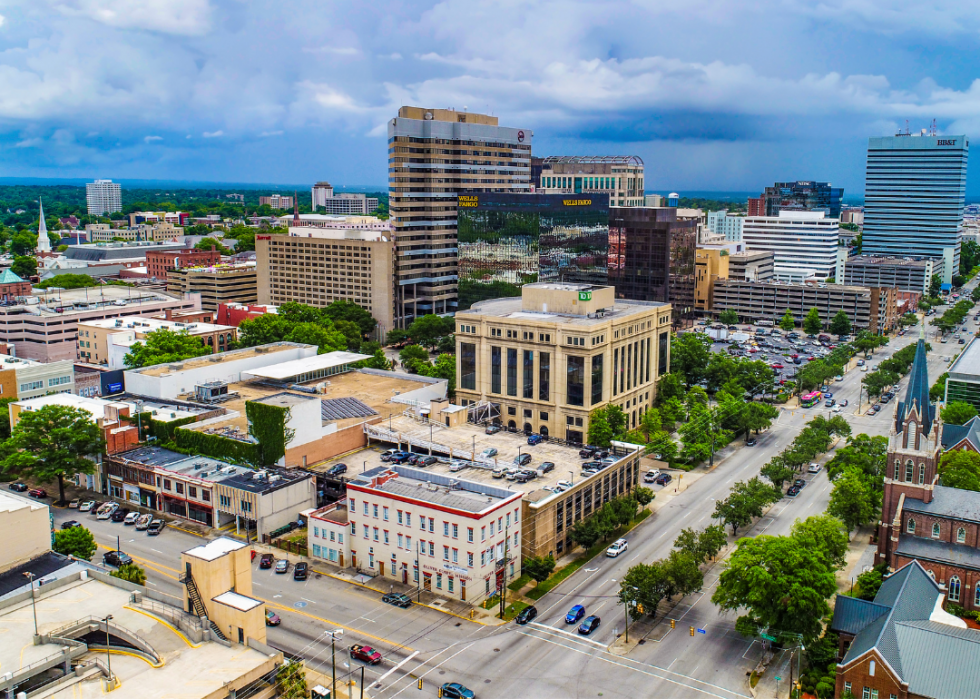
#35. Colorado

- Internet availability for education purposes:
--- Always: 77.1%; Usually: 15.9%; Sometimes: 3.8%
- Computer availability for education purposes:
--- Always: 80.4%, Usually: 10.3%, Sometimes: 6.3%
- Who pays for education-related internet service:
--- Household or family: 96.2%; Child鈥檚 school or school district: 4.3%; Another source: 0.1%; Internet services not available in home: data not available

Colorado in a special fund for getting students online, called the Connecting Colorado Students Grant. State officials said that racial and socioeconomic disparities were represented in the state鈥檚 percentages of students with internet access.

18 / 51
Canva

#34. New York

- Internet availability for education purposes:
--- Always: 77.7%; Usually: 16.2%; Sometimes: 4.6%
- Computer availability for education purposes:
--- Always: 76.7%, Usually: 15.1%, Sometimes: 3.7%
- Who pays for education-related internet service:
--- Household or family: 90.5%; Child鈥檚 school or school district: 10.0%; Another source: 2.4%; Internet services not available in home: 3.0%

In April 2021, New York Gov. Andrew Cuomo announced a that all internet providers offer low-cost options for New York residents with limited income. The new law caps the cost of internet access at just $15 a month.

19 / 51
pio3 // Shutterstock

#33. California

- Internet availability for education purposes:
--- Always: 78.4%; Usually: 14.7%; Sometimes: 1.9%
- Computer availability for education purposes:
--- Always: 82.8%, Usually: 10.8%, Sometimes: 1.6%
- Who pays for education-related internet service:
--- Household or family: 92.4%; Child鈥檚 school or school district: 1.9%; Another source: 3.3%; Internet services not available in home: 0.2%

In April 2020, Google bolster children鈥檚 internet access for remote schooling. California鈥檚 population of about 40 million people is spread out, from dense urban areas to remote and rural locations with little access.

20 / 51
Canva

#32. Kentucky

- Internet availability for education purposes:
--- Always: 79.0%; Usually: 14.2%; Sometimes: 4.7%
- Computer availability for education purposes:
--- Always: 72.2%, Usually: 20.4%, Sometimes: 5.8%
- Who pays for education-related internet service:
--- Household or family: 96.0%; Child鈥檚 school or school district: 0.6%; Another source: 0.3%; Internet services not available in home: 0.5%

Kentucky to help introduce a cap on internet costs to just $10 a month for low-income families. Many of Kentucky鈥檚 students live in rural districts with lower access to the internet overall.

21 / 51
Canva

#31. Pennsylvania

- Internet availability for education purposes:
--- Always: 79.5%; Usually: 10.7%; Sometimes: 2.8%
- Computer availability for education purposes:
--- Always: 83.6%, Usually: 12.3%, Sometimes: 1.2%
- Who pays for education-related internet service:
--- Household or family: 90.1%; Child鈥檚 school or school district: 0.9%; Another source: 1.1%; Internet services not available in home: data not available

Pennsylvania鈥檚 500 school districts opted to at the beginning of the pandemic. They ran into trouble when plans to install hotspots ran into shortages and other problems.

22 / 51
Julia_Martyniuk // Shutterstock

#30. Minnesota

- Internet availability for education purposes:
--- Always: 79.6%; Usually: 17.4%; Sometimes: 0.1%
- Computer availability for education purposes:
--- Always: 84.4%, Usually: 12.4%, Sometimes: 0.8%
- Who pays for education-related internet service:
--- Household or family: 96.6%; Child鈥檚 school or school district: 0.3%; Another source: 0.6%; Internet services not available in home: 0.5%

About 3% of Minnesota鈥檚 students when schools went online in spring 2020. That number increases to 17% of families in rural communities around the state.

23 / 51
Canva

#29. Hawaii

- Internet availability for education purposes:
--- Always: 79.8%; Usually: 16.4%; Sometimes: 1.2%
- Computer availability for education purposes:
--- Always: 75.1%, Usually: 18.1%, Sometimes: 4.1%
- Who pays for education-related internet service:
--- Household or family: 95.0%; Child鈥檚 school or school district: 0.6%; Another source: 0.5%; Internet services not available in home: 2.1%

Hawaii鈥檚 population is split between more affluent , with more reliable internet, and those in less funded school districts. A group called Hawaii Kids Can used buses as portable hotspots to park in areas hardest hit by lack of internet service.

24 / 51
Canva

#28. Connecticut

- Internet availability for education purposes:
--- Always: 80.0%; Usually: 14.4%; Sometimes: 2.6%
- Computer availability for education purposes:
--- Always: 91.3%, Usually: 3.7%, Sometimes: 1.4%
- Who pays for education-related internet service:
--- Household or family: 95.7%; Child鈥檚 school or school district: 1.1%; Another source: 0.6%; Internet services not available in home: data not available

Connecticut brought by October 2020, with virtually every student having a laptop and high-speed internet access for remote learning. This was with the help of CARES as well as private nonprofit funding.

25 / 51
Canva

#27. Idaho

- Internet availability for education purposes:
--- Always: 80.1%; Usually: 17.1%; Sometimes: 1.5%
- Computer availability for education purposes:
--- Always: 70.7%, Usually: 22.5%, Sometimes: 4.9%
- Who pays for education-related internet service:
--- Household or family: 93.8%; Child鈥檚 school or school district: 2.8%; Another source: 0.9%; Internet services not available in home: 1.7%

In spring 2020, Idaho school officials to assess everyone鈥檚 internet access. The Boise district alone has 25,000 students who had to be contacted and assessed.
26 / 51
fizkes // Shutterstock

#26. Vermont

- Internet availability for education purposes:
--- Always: 80.7%; Usually: 9.2%; Sometimes: 2.0%
- Computer availability for education purposes:
--- Always: 81.2%, Usually: 9.0%, Sometimes: 2.4%
- Who pays for education-related internet service:
--- Household or family: 91.8%; Child鈥檚 school or school district: data not available; Another source: 0.5%; Internet services not available in home: 2.0%

In Vermont, like free Wi-Fi and no late fees to help the state鈥檚 residents stay online for schooling. About don鈥檛 have access to broadband.

27 / 51
Canva

#25. Michigan

- Internet availability for education purposes:
--- Always: 80.7%; Usually: 10.7%; Sometimes: 4.2%
- Computer availability for education purposes:
--- Always: 87.3%, Usually: 5.8%, Sometimes: 3.4%
- Who pays for education-related internet service:
--- Household or family: 94.6%; Child鈥檚 school or school district: 1.5%; Another source: data not available; Internet services not available in home: 3.2%

As part of a deal struck with AT&T, 4,000 at risk students in Michigan in April 2021. Providers in Michigan offer for as low as $15 or $10 to low-income families.

28 / 51
Canva

#24. Arizona

- Internet availability for education purposes:
--- Always: 80.8%; Usually: 10.8%; Sometimes: 4.3%
- Computer availability for education purposes:
--- Always: 76.2%, Usually: 11.7%, Sometimes: 5.7%
- Who pays for education-related internet service:
--- Household or family: 92.7%; Child鈥檚 school or school district: 3.9%; Another source: 1.7%; Internet services not available in home: 0.2%

Arizona worked with a group of organizations to blanket the state with in response to the pandemic. About 30% of Arizona students don鈥檛 have internet access at home.

29 / 51
Kdonmuang // Shutterstock

#23. Oklahoma

- Internet availability for education purposes:
--- Always: 81.2%; Usually: 10.6%; Sometimes: 5.1%
- Computer availability for education purposes:
--- Always: 80.1%, Usually: 11.8%, Sometimes: 4.5%
- Who pays for education-related internet service:
--- Household or family: 91.2%; Child鈥檚 school or school district: 3.1%; Another source: 2.5%; Internet services not available in home: 2.0%

Oklahoma has many rural school districts where students are more likely to lack internet access. In July 2020, the state announced that to purchase internet access and devices for their students.

30 / 51
Canva

#22. Massachusetts

- Internet availability for education purposes:
--- Always: 81.3%; Usually: 13.8%; Sometimes: 1.6%
- Computer availability for education purposes:
--- Always: 86.8%, Usually: 11.5%, Sometimes: data not available
- Who pays for education-related internet service:
--- Household or family: 95.2%; Child鈥檚 school or school district: 0.2%; Another source: 0.7%; Internet services not available in home: data not available

About didn鈥檛 have home internet access and 15% didn鈥檛 have their own computing device as of July 2020, when the Massachusetts Department of Elementary and Secondary Education released guidance on remote learning expectations. Districts were encouraged to make sure students would have reliable access to internet and adequate devices for the 2020鈥21 school year. School districts were offered $25 million through Remote Learning Technology grants.

31 / 51
insta_photos // Shutterstock

#21. Texas

- Internet availability for education purposes:
--- Always: 81.5%; Usually: 14.1%; Sometimes: 2.6%
- Computer availability for education purposes:
--- Always: 80.9%, Usually: 11.3%, Sometimes: 3.2%
- Who pays for education-related internet service:
--- Household or family: 92.7%; Child鈥檚 school or school district: 2.0%; Another source: 0.8%; Internet services not available in home: 1.4%

Texas reported that didn鈥檛 have regular home internet access before a $250 million initiative completed by organizations and companies in the state. Even that huge amount of money was only expected to bring 80% to 90% of the students total online.

32 / 51
Canva

#20. South Carolina

- Internet availability for education purposes:
--- Always: 82.1%; Usually: 10.8%; Sometimes: 3.2%
- Computer availability for education purposes:
--- Always: 85.1%, Usually: 9.2%, Sometimes: 1.9%
- Who pays for education-related internet service:
--- Household or family: 92.4%; Child鈥檚 school or school district: 2.6%; Another source: 2.3%; Internet services not available in home: data not available

South Carolina reported about 650,000 residents without broadband internet access in August 2020, when for broadband assistance with the state. Its school districts are a mix of rural and urban schools with very different needs.

33 / 51
Canva

#19. Washington DC

- Internet availability for education purposes:
--- Always: 82.6%; Usually: 11.1%; Sometimes: data not available
- Computer availability for education purposes:
--- Always: 93.2%, Usually: 1.3%, Sometimes: data not available
- Who pays for education-related internet service:
--- Household or family: 88.1%; Child鈥檚 school or school district: 3.9%; Another source: 0.3%; Internet services not available in home: data not available

Washington D.C. spent $3.3 million to for free in time for online schooling in the fall 2020. The was unable to reach more than 2% of its 45,000 students to assess their internet.

34 / 51
Daria Nipot // Shutterstock

#18. Missouri

- Internet availability for education purposes:
--- Always: 83.0%; Usually: 9.7%; Sometimes: 2.8%
- Computer availability for education purposes:
--- Always: 88.2%, Usually: 9.2%, Sometimes: 1.7%
- Who pays for education-related internet service:
--- Household or family: 90.1%; Child鈥檚 school or school district: 3.1%; Another source: data not available; Internet services not available in home: 4.3%

Some schools in Missouri joined Utah in to try to bring more students online for remote learning. Pittsburg, Missouri, brought 500 more families online by installing a public fiber network.

35 / 51
Canva

#17. Maine

- Internet availability for education purposes:
--- Always: 83.4%; Usually: 6.7%; Sometimes: 9.5%
- Computer availability for education purposes:
--- Always: 86.6%, Usually: 10.8%, Sometimes: 2.2%
- Who pays for education-related internet service:
--- Household or family: 99.0%; Child鈥檚 school or school district: data not available; Another source: 0.6%; Internet services not available in home: data not available

Maine was served by the national Keep Americans Connected Pledge, which many companies signed to stop shutoffs for Americans who couldn鈥檛 make payments. Service providers also offered for some amount of time for Maine residents.

36 / 51
Canva

#16. Louisiana

- Internet availability for education purposes:
--- Always: 83.5%; Usually: 12.9%; Sometimes: 2.8%
- Computer availability for education purposes:
--- Always: 76.2%, Usually: 18.2%, Sometimes: 4.1%
- Who pays for education-related internet service:
--- Household or family: 97.8%; Child鈥檚 school or school district: 4.3%; Another source: 0.7%; Internet services not available in home: 0.5%

In August 2020, about 25% of Louisiana students to be able to participate in remote learning. The state has a broad mix of urban and rural students with a variety of needs.

37 / 51
mangpor2004 // Shutterstock

#15. Tennessee

- Internet availability for education purposes:
--- Always: 83.6%; Usually: 10.0%; Sometimes: 2.7%
- Computer availability for education purposes:
--- Always: 75.4%, Usually: 21.5%, Sometimes: 2.4%
- Who pays for education-related internet service:
--- Household or family: 91.6%; Child鈥檚 school or school district: 4.7%; Another source: 0.1%; Internet services not available in home: 2.3%

Students in Chattanooga had internet provided to them by , who offered up to 100 megabytes per second to students who also qualified for reduced cost lunch. The project was funded by a coalition of local organizations.

38 / 51
Canva

#14. Rhode Island

- Internet availability for education purposes:
--- Always: 83.6%; Usually: 11.0%; Sometimes: 4.6%
- Computer availability for education purposes:
--- Always: 79.2%, Usually: 12.2%, Sometimes: 5.8%
- Who pays for education-related internet service:
--- Household or family: 95.1%; Child鈥檚 school or school district: data not available; Another source: data not available; Internet services not available in home: data not available

Rhode Island arranged for students to receive a if schools sent in lists of those without internet access at home. Other services to low-income families in the state.

39 / 51
Canva

#13. Iowa

- Internet availability for education purposes:
--- Always: 84.3%; Usually: 8.3%; Sometimes: 6.6%
- Computer availability for education purposes:
--- Always: 86.9%, Usually: 9.0%, Sometimes: 2.5%
- Who pays for education-related internet service:
--- Household or family: 97.5%; Child鈥檚 school or school district: 5.3%; Another source: 0.6%; Internet services not available in home: 0.5%

In Iowa鈥檚 Sioux City district, between 20% and 30% of students to do remote learning. A school drove Wi-Fi-equipped buses into vulnerable neighborhoods to help users get online through hotspots.

40 / 51
Monkey Business Images // Shutterstock

#12. New Jersey

- Internet availability for education purposes:
--- Always: 84.5%; Usually: 11.4%; Sometimes: 1.8%
- Computer availability for education purposes:
--- Always: 86.0%, Usually: 9.8%, Sometimes: 1.9%
- Who pays for education-related internet service:
--- Household or family: 94.5%; Child鈥檚 school or school district: 1.2%; Another source: 0.8%; Internet services not available in home: 1.5%

In March 2021, New Jersey announced that it for remote learning. That follows a $54 million grant in July 2020 to help close the digital divide for those without internet access or devices.

41 / 51
Canva

#11. Georgia

- Internet availability for education purposes:
--- Always: 84.6%; Usually: 9.9%; Sometimes: 1.5%
- Computer availability for education purposes:
--- Always: 81.2%, Usually: 13.8%, Sometimes: 3.0%
- Who pays for education-related internet service:
--- Household or family: 92.7%; Child鈥檚 school or school district: 2.3%; Another source: data not available; Internet services not available in home: 2.2%

AT&T to 36 Georgia school districts to help get more students online for remote learning. Georgia has many rural districts where internet access is even lower than for the rest of the population.

42 / 51
Canva

#10. Indiana

- Internet availability for education purposes:
--- Always: 85.0%; Usually: 7.3%; Sometimes: 4.3%
- Computer availability for education purposes:
--- Always: 84.1%, Usually: 10.0%, Sometimes: 3.9%
- Who pays for education-related internet service:
--- Household or family: 95.9%; Child鈥檚 school or school district: 0.3%; Another source: data not available; Internet services not available in home: 0.9%

In August 2020, Indiana that 84,000 students didn鈥檛 have internet access at home. reported having spotty internet that didn鈥檛 support remote learning technology.

43 / 51
WiP-Studio // Shutterstock

#9. Maryland

- Internet availability for education purposes:
--- Always: 85.1%; Usually: 12.5%; Sometimes: 0.4%
- Computer availability for education purposes:
--- Always: 90.1%, Usually: 6.6%, Sometimes: 1.3%
- Who pays for education-related internet service:
--- Household or family: 97.1%; Child鈥檚 school or school district: 1.6%; Another source: 0.1%; Internet services not available in home: data not available

Maryland reported in August 2020 that didn't have access to high-speed internet, leaving students in a jam for remote learning. The state plans to build a futuristic Wi-Fi network to reach all students, but it won鈥檛 be completed until at least late in 2021.

44 / 51
Canva

#8. New Hampshire

- Internet availability for education purposes:
--- Always: 85.4%; Usually: 10.8%; Sometimes: 0.8%
- Computer availability for education purposes:
--- Always: 85.7%, Usually: 10.7%, Sometimes: 0.5%
- Who pays for education-related internet service:
--- Household or family: 92.3%; Child鈥檚 school or school district: 1.9%; Another source: 0.2%; Internet services not available in home: data not available

New Hampshire received $16 million in CARES funding to that will bring 5,500 households and businesses online with high speed internet. New Hampshire has many students in rural or remote locations with higher percentages of those without internet access.

45 / 51
Canva

#7. Wyoming

- Internet availability for education purposes:
--- Always: 85.5%; Usually: 10.6%; Sometimes: 0.4%
- Computer availability for education purposes:
--- Always: 69.5%, Usually: 19.8%, Sometimes: 0.9%
- Who pays for education-related internet service:
--- Household or family: 97.3%; Child鈥檚 school or school district: data not available; Another source: data not available; Internet services not available in home: 1.0%

In May 2020, Wyoming to give residents $50 off their internet bill. Eligible residents include those who receive SNAP benefits, reduced or free school lunch, or Medicaid benefits, for example.

46 / 51
insta_photos // Shutterstock

#6. Washington

- Internet availability for education purposes:
--- Always: 85.8%; Usually: 10.3%; Sometimes: 1.4%
- Computer availability for education purposes:
--- Always: 93.4%, Usually: 3.5%, Sometimes: 0.6%
- Who pays for education-related internet service:
--- Household or family: 94.4%; Child鈥檚 school or school district: 3.8%; Another source: 0.9%; Internet services not available in home: 0.2%

Washington state has many students in rural districts. In , representatives from 20 of these districts said that less than half their students have internet access required for remote learning.

47 / 51
Canva

#5. Virginia

- Internet availability for education purposes:
--- Always: 86.1%; Usually: 9.7%; Sometimes: 2.0%
- Computer availability for education purposes:
--- Always: 90.6%, Usually: 4.5%, Sometimes: 2.6%
- Who pays for education-related internet service:
--- Household or family: 95.4%; Child鈥檚 school or school district: 2.3%; Another source: 0.6%; Internet services not available in home: 0.4%

A majority of Virginia鈥檚 public schools that 20% of their students didn鈥檛 have internet access at home. One Virginia county as free hotspots for families who can drive up for internet access.

48 / 51
Canva

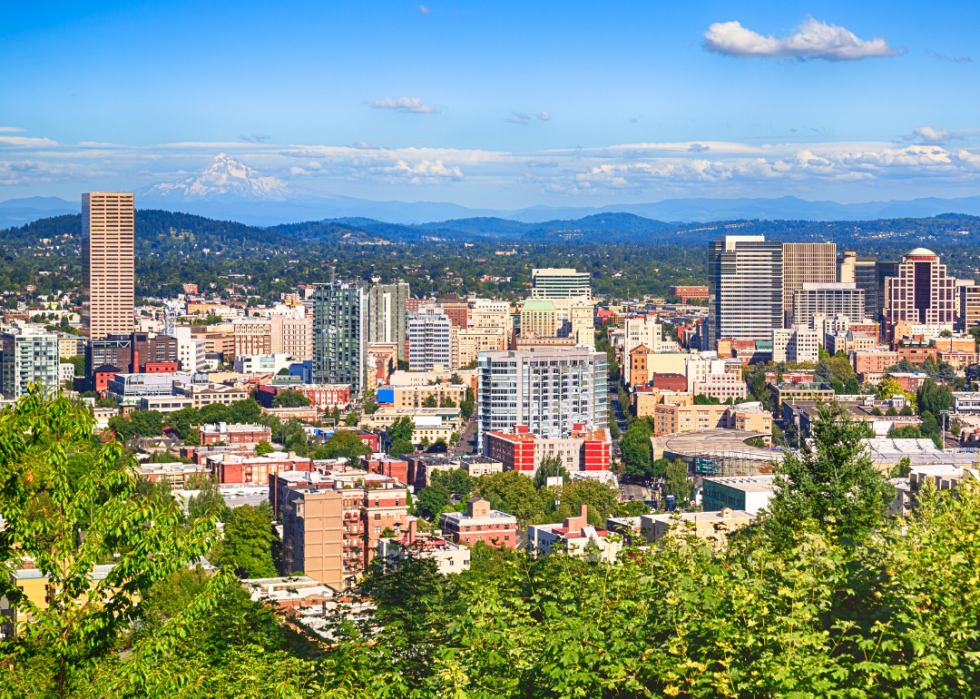
#4. Oregon

- Internet availability for education purposes:
--- Always: 86.8%; Usually: 7.4%; Sometimes: 1.8%
- Computer availability for education purposes:
--- Always: 87.8%, Usually: 7.8%, Sometimes: 0.8%
- Who pays for education-related internet service:
--- Household or family: 92.4%; Child鈥檚 school or school district: 3.0%; Another source: 1.6%; Internet services not available in home: 1.0%

Oregon has many students in rural districts with lower rates of internet access. In rural Sandy, the local internet service provider all around town in August 2020, including in the closed school.

49 / 51
Canva

#3. South Dakota

- Internet availability for education purposes:
--- Always: 88.6%; Usually: 6.7%; Sometimes: 2.2%
- Computer availability for education purposes:
--- Always: 60.5%, Usually: 28.5%, Sometimes: 8.5%
- Who pays for education-related internet service:
--- Household or family: 98.3%; Child鈥檚 school or school district: data not available; Another source: data not available; Internet services not available in home: data not available

South Dakota reported in November 2020 that all qualifying K-12 students would for the rest of the school year. To qualify, students need to also qualify for free or reduced school lunch and not have an existing internet service provider.

50 / 51
Hananeko_Studio // Shutterstock

#2. Delaware

- Internet availability for education purposes:
--- Always: 91.1%; Usually: 5.8%; Sometimes: 2.1%
- Computer availability for education purposes:
--- Always: 92.3%, Usually: 4.6%, Sometimes: 2.1%
- Who pays for education-related internet service:
--- Household or family: 96.1%; Child鈥檚 school or school district: 1.4%; Another source: 1.9%; Internet services not available in home: 0.7%

Delaware to help get more students online for the 2020-2021 school year. Delaware鈥檚 two more rural lower counties received 15 new broadband towers that were finished in 2020.

51 / 51
Nata Runa // Shutterstock

#1. North Dakota

- Internet availability for education purposes:
--- Always: 93.8%; Usually: 4.0%; Sometimes: 0.7%
- Computer availability for education purposes:
--- Always: 91.5%, Usually: 4.3%, Sometimes: 2.3%
- Who pays for education-related internet service:
--- Household or family: 95.7%; Child鈥檚 school or school district: 0.8%; Another source: 2.0%; Internet services not available in home: data not available

North Dakota鈥檚 Native American reservations have a lower rate of internet access than surrounding communities. In April 2021, the state reported that the Standing Rock Sioux Tribe has to get 15,000 tribal members online.

This story was produced and distributed in partnership with 麻豆原创 Studio.

Trending Now