Students want schools to incorporate AI in learning, but express some fears
Students want schools to incorporate AI in learning, but express some fears
As more students utilize artificial intelligence inside and outside the classroom, they are outpacing schools in the adoption of generative AI tools for learning, according to a new survey by , a national nonprofit that researches technology and innovations in education.
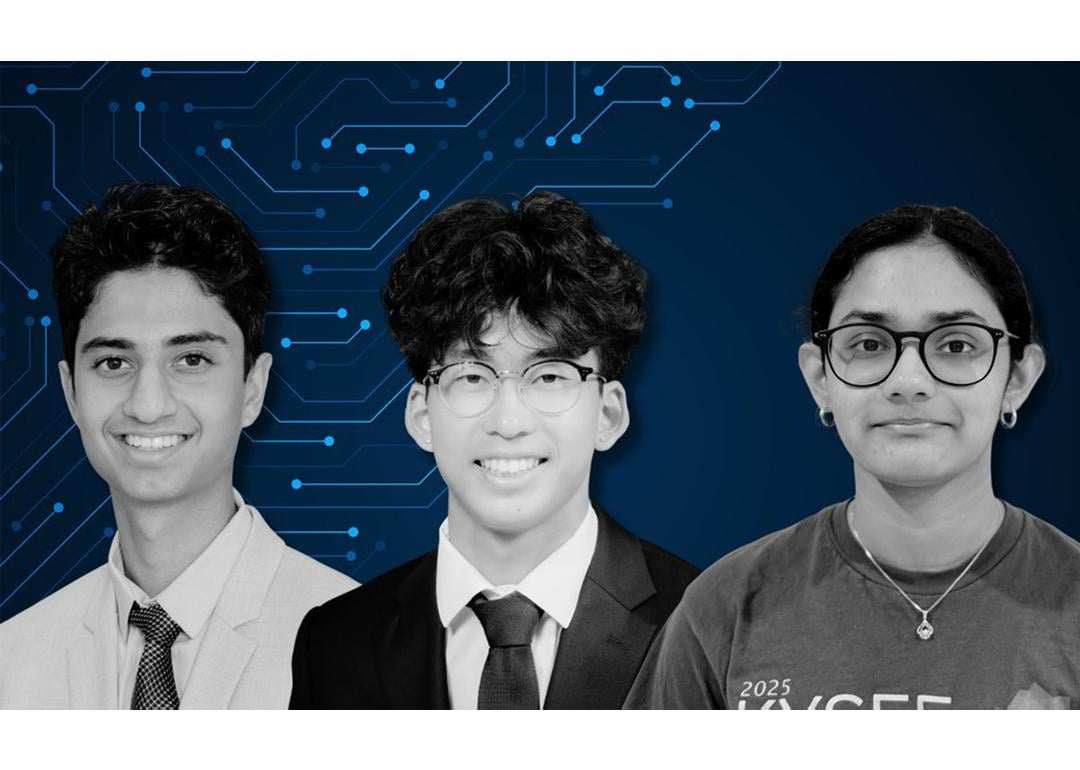
The report, published Oct. 23, was paired with an online panel discussion featuring Robin Lake, director of the , and a group of high school students who shared their perspectives on generative AI. They recommended that schools create policies around generative AI and incorporate it into their everyday learning while being aware of the challenges that come with it.
Schools have to decide whether to take the leap and invest in these tools or risk missing opportunities to improve instruction, said Lake.
“Whether we like it or not, AI is our future, and our young people will be inheriting it,” she said. “So we need to act. The question is really whether our education systems will prepare them to shape that future, or be shaped by it — that’s why we think it’s so important that we look at the data carefully and think very intentionally about how we need to make” next steps.
For 22 years, Project Tomorrow has published its Speak Up National Report about technology in education. This year’s polled 29,461 middle and high school students, 5,025 parents, 7,127 teachers and 3,495 administrators about AI.
Here, shares three takeaways from the report and briefing, which included student panelists Ian Son, a senior at Redondo Union High School in California; Neha Palla, a senior at Paul Laurence Dunbar High School in Kentucky; and Arnav Hingorani, a junior at Desert Mountain High School in Arizona.
Students think generative AI tools should play a central role in their everyday learning
Today’s students already consider AI part of their education, said Julie Evans, Project Tomorrow’s CEO and moderator of the panel.
“They don’t see it as a bystander, as [something] on the side,” she said. “This isn’t like a project we’re going to do with AI today but you’re not allowed to use it for other things. The students actually see it as part of their entire learning process. We need to catch up and think about what makes sense.”
The report found that 68% of students are familiar with different types of generative AI tools. Two-thirds of middle schoolers and 73% of high schoolers said they should have access to these tools in school, while 61% of parents and 58% of teachers agreed.
Palla said she has used generative AI this year to help her understand linear algebra.
“Having [Google] Gemini or ChatGPT provide explanations behind those linear concepts is really useful because a lot of those conceptual explanations are not present whenever you do a Google search,” she said.
The top ways students want to use generative AI for school include brainstorming ideas about assignments, analyzing notes, getting feedback on writing, accessing tutoring outside of school and summarizing text, according to the report.
About two-thirds of students said AI use in the classroom exposes them to new ideas. Other benefits cited include preparing students for college and future careers, making learning more efficient and saving time.
“For example, if I’m in a physics class and I just really don’t understand a concept, I could talk to ChatGPT,” Son said. “I could talk basically anything through generative AI, because it could imitate and it could role-play anyone. So just using it in those different ways has just been super helpful, because it’s almost like talking to any type of expert at any time during the day.”
Students are aware of concerns about incorporating AI in the classroom
The report found that when using AI at school, students are most concerned about misinformation, people using it to harm others, false accusations of cheating and data privacy.
“If I’m at school and I’m pulling out ChatGPT, for example, I’m automatically going to be accused of cheating or trying to cheat around my work or being lazy,” Son said. “But I think a lot of the time when I’m using AI, I’m using it to enhance my learning. Most of us aren’t trying to cheat, but we’re actually trying to use AI to help us.”
More than 40% of high school students and 80% of parents said the possibility of false cheating accusations was a serious concern for them, according to the survey. Nearly 90% of teachers are worried about their students cheating when using AI.
Hingorani said that when he tries to use AI for school, he’s cautious about the misinterpretations the tools can give when producing information.
“AI will make up data. It’ll make up a math problem and how to do it,” he said. “I think [when] using AI all the time and seeing how it works, you start to get an idea of the right way to use artificial intelligence to enhance your learning rather than just getting an answer or perhaps even getting a wrong answer.”
One of Palla’s top concerns is overusing generative AI while doing schoolwork and losing key skills in the process.
“I’m scared that I’ll rely more on AI than my own thinking,” she said. “I feel like critical thinking is something that AI could replace. I feel like every single time I encounter a problem, I’ll just automatically go to AI and see if they have an answer, rather than thinking for myself.”
Schools are lagging with implementation and guidelines
Among schools that have adopted systemic AI use, most use it only for small, isolated tasks instead of expanding it to classroom activities or lessons, according to a July 2025 CRPE .
“Schools are focusing really narrowly on plagiarism detection or saving teachers a few minutes of grading time,” Lake said. “Not to diminish the importance of that, but what we’re seeing as a missed opportunity is that they’re not able to focus on the possibilities for using AI to truly transform learning.”
Project Tomorrow’s report found that teachers’ lack of familiarity with generative AI causes them to avoid using the tools in class. More than half of teachers said they haven’t had any discussions with their students about AI, and only 13% are very confident in using the tools for their own productivity or to advance student learning.
Hingorani said that in his school district, Scottsdale United, teachers don’t know how to address questions about AI because administrators and policymakers haven’t created guidelines around its use.
“So many teachers are like, ‘I don’t know what the current policy is,’” he said. “I think that’s the fundamental issue a lot of districts are facing right now.”
Only 15% of teachers in the report said their school districts provide enough professional development for effective use of AI in the classroom. About 61% of students were unsure whether their school has AI policies.
“I think teachers are automatically compelled to have a stigma toward it,” Palla said. “I think providing resources to allow teachers to learn about it will make them more willing to integrate those tools into a classroom.”
was produced by and reviewed and distributed by Â鶹ԭ´´.