How gas stations can become the best place to charge your EV
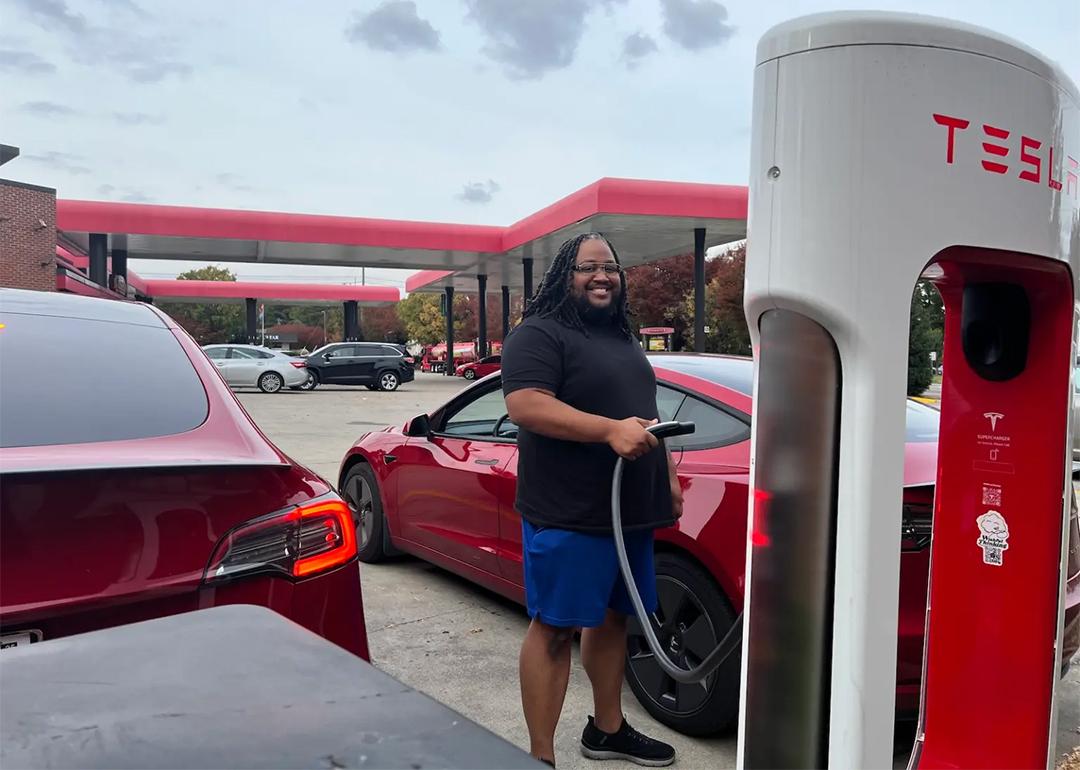
Phillip Stafford has been converted. After two years driving a Tesla, he says there’s no going back to gasoline — the money he saves on fuel alone makes that clear. And since his work as a crisis counselor takes him all over Richmond, Virginia, he charges often.
That’s made him picky about where he buys electrons. On a crisp fall afternoon last month, Stafford had his Model 3 plugged in at a Sheetz. A red and white Wawa sandwich wrapper on the seat hinted at where his heart lies in that convenience store rivalry. Still, brand loyalty only goes so far when the battery is running low. Given a choice between the two, Sheetz wins. “It has more watts, so it charges a little faster,” he told .
The seemingly small question of where to spend 20 or so minutes topping off a battery reveals the transformation taking hold among fuel retailers. For more than 50 years, chains like Wawa, Sheetz, and Love’s Travel Stops have defined when and where people refuel. As EVs reshape mobility, they are among the retailers embracing charging.
Their challenge goes beyond providing power to turning the time drivers spend plugged in into profitable foot traffic. Selling electricity alone won’t pay the bills; the real money lies in selling snacks. Making that work requires reimagining what a pit stop looks and feels like, even as costly infrastructure upgrades and shifting federal policies complicate the transition.
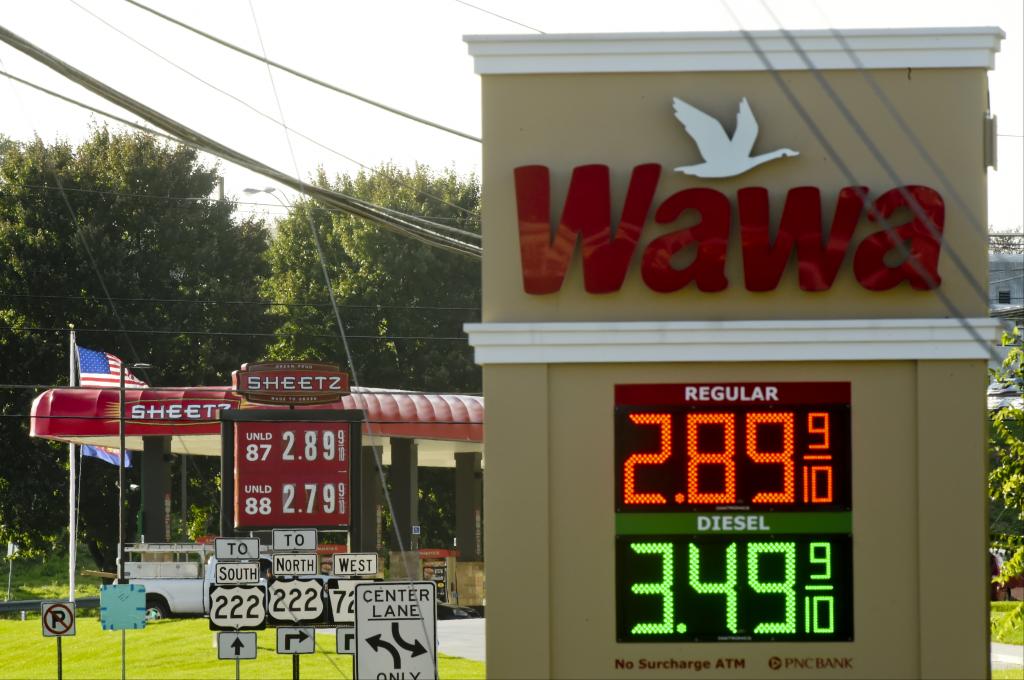
Wawa and Sheetz are among the furthest along. The Pennsylvania-based companies have built out hundreds of chargers and enjoy fervent fanbases that make them in the country. Their made-to-order sandwiches, vast array of snacks, and clean restrooms have made them regular stops for road trippers and commuters alike — and now, for EV drivers looking to recharge their cars and, often, themselves.
They offer a glimpse of the road ahead. As electric vehicles move ever further from niche toward norm, the focus for retailers like these could shift from who offers the cheapest fuel to who can make waiting for the car to fill up the best experience.
“The problem with a lot of current gas stations is [they’re] not that nice of a place to spend 15, 20, or 30 minutes,” said Scott Hardman of the Institute of Transportation Studies at the University of California, Davis. “Hopefully in the future, we’ll see more of them turn into coffee shops, cafes — places you actually want to be.”
That future is slowly coming into focus. Retailers like Wawa and Sheetz have spent the past few years exploring what the transition from selling gasoline to selling electricity might look like. Even with the headwinds EVs face, at least could be electric by 2035, and some projections suggest they could account for 65% of all sales by 2050.
The two chains offer a place to plug in at . Wawa has installed , while Sheetz provides at 95 locations that have logged . Clean amenities and expansive menus with offerings like Wawa’s turkey-stuffed Gobbler and Sheetz’s deep-fried Big Mozz have placed them .
Both say embracing cars with cords builds on what already attracts customers. as an extension of its “one-stop” model for food and fuel. Its competitor “a seamless extension of the Sheetz experience.” The language differs, but the message is the same: Selling electricity works if it brings people like John Baiano inside.
The New York resident owns two Tesla Model Ys and travels throughout the northeast for his two businesses, a Bitcoin consultancy and a horse racing operation. He plugs in at Wawa because the stores are clean, offer plenty of amenities, and provide a comfortable place to check in with clients. “I use the bathroom, maybe get a snack,” he said. (He prefers the turkey pinwheel.) “I was a little nervous about the charging aspect of things. Once I started experiencing this, it was seamless.”
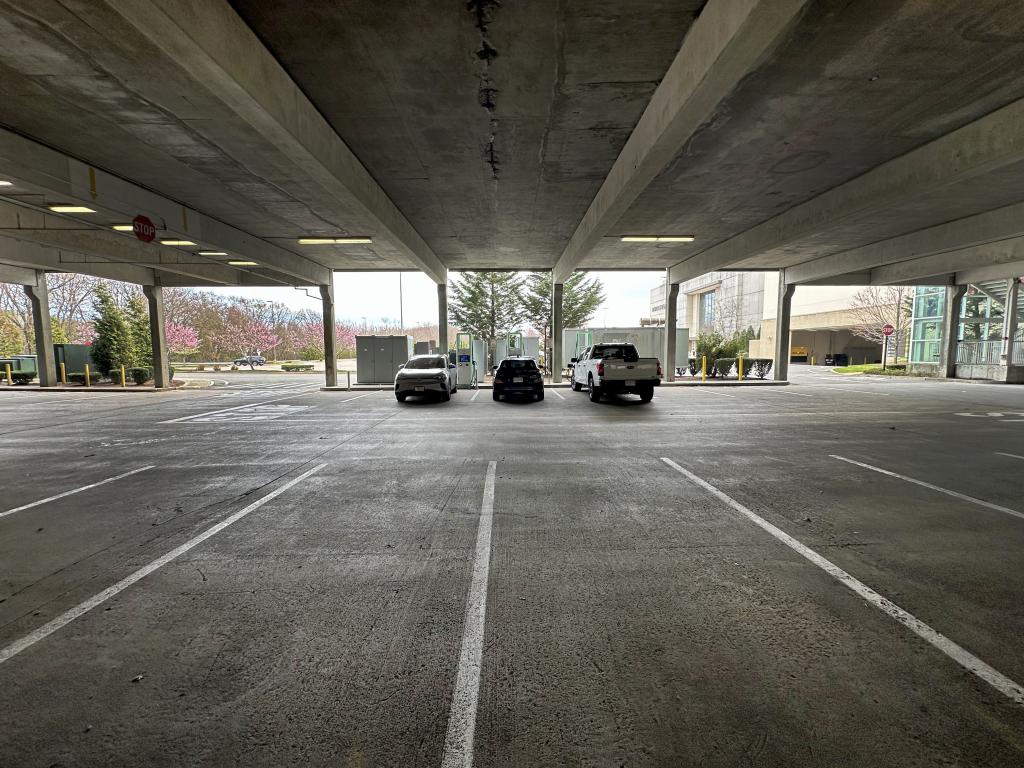
At the moment, most public quick chargers are tucked away in the far corners of shopping centers, inside parking garages, and other functional but hardly inviting places to spend 20 minutes. They’re fine when you’re out and about running errands, but not terribly appealing at night and not particularly conducive to a road trip.
Tesla dominates the space with its Supercharger network, which provides , with Electrify America, EVGo, and ChargePoint together accounting for to . Retailers like Love’s Travel Stops, Pilot Flying J, and Buc-ee’s are joining Sheetz and Wawa in working with those networks and others to add chargers alongside gas pumps. Their efforts signal how a system built for gasoline is starting to evolve for electricity.
Everything Stafford and Baiano like about plugging in at a convenience store reflects an Electric Vehicle Council that ranked security, lighting, and 24/7 access as three things drivers most want in a charging station. Another found that 80% of them will go out of their way to get it. Reliability is another concern — and a frequent complaint with the nation’s current charging infrastructure. As EVs become more common, drivers are going to be less willing to put up with malfunctioning or broken chargers than the early adopters were.
Ryan McKinnon of the Charge Ahead Partnership, which pushes for a comprehensive charging network, sees fuel retailers as a logical place to build out such a system because they already have the right locations and amenities. “What EV charging needs is a competitive and lucrative marketplace where folks can actually make money selling EV charging,” he said.
Therein lies the challenge. Buying and installing a quick charger . Beyond that lie fluctuating prices from utility companies, which one leading charging provider said is a key factor in deciding where to locate the devices. Retailers won’t recover that by selling electrons alone, given that the machines might generate just $10,000 in revenue each year, Hardman said. EVGo noted in its that it earned just under $12,000 per stall.
Making this work for retailers requires getting people out of their cars and into the stores. Just as gas retailers selling sandwiches, snacks, and sodas, those selling electricity can expect to do the same. Researchers at the Massachusetts Institute of Technology found that installing an EV charger , which would cover 11% of the cost of installing the charger. (Other studies have found ; Tesla Superchargers can boost revenue by 4%.)
For some retailers, chargers are a loss leader meant to pull customers into stores, said Karl Doenges of the National Association of Convenience Stores. Others see them as a way to secure increasingly scarce electrical capacity while it’s available. Some are moving “forward on a charging station, even though they don’t think [the market is] 100% ready,” he said.
Even the strongest business cases for installing the devices depended on Washington’s help to pencil out. Incentives the Biden administration created through the Inflation Reduction Act and the Bipartisan Infrastructure Law provided billions in grants, tax credits, and matching funds to help expand the fueling infrastructure of tomorrow, particularly in rural and low-income communities that a free market might overlook.
When Donald Trump won the 2024 presidential election, there was little doubt federal support for this ambitious effort would change. Yet the upheaval was more dramatic than expected. In February, the Trump administration paused the $5 billion National Electric Vehicle Infrastructure, or NEVI, program, the backbone of Washington’s effort to build a nationwide charging network. Fuel retailers, which have been some of the effort’s , .
The administration reluctantly reinstated NEVI, which had installed by the time Trump won his second term, in August. “If Congress is requiring the federal government to support charging stations, let’s cut the waste and do it right,” Transportation Secretary Sean Duffy . But with most of the funding allocated, the program will likely expire in 2026.
When it revived NEVI, the Trump administration updated recommendations for states, which administer the funds, in a way that seems to favor a national network run by big chains with highway operations. The Federal Highway Administration’s guidance building charging infrastructure near fuel retailers.
Nonetheless, at least some of those companies see this as a difficult moment for EV charging. Joe Sheetz, executive vice chairman of the family-owned company, has momentum is slowing because much of the funding has come from the government and big players like Tesla. Some smaller chains are backing away, but Sheetz said his company will keep at it.
Even as EV adoption grows, most people will continue to plug in largely at home. About , and some providers, like It’s Electric, are skipping partnerships with fuel retailers, focusing instead on slower and cheaper level 2 chargers that are convenient for apartments or homes without garages and do the job in four to 10 hours.
Charles Gerena, a lead organizer of the advocacy organization Drive Electric RVA, rarely visits a public charger in his Chevy Bolt. But on longer trips, he’s noticed more opportunities to plug in, especially in rural areas where fast charging was once scarce. On a recent road trip to Virginia Beach in his wife’s Ford Mustang Mach-E, he took advantage of the car’s ability to tap the Tesla Supercharger network and used the PlugShare app to find a reliable station — at a Wawa.
“I like Wawa’s food better than Sheetz,” he said. “I think I’m in the minority. My daughter actually likes Sheetz better.” Still, for Gerena, reliability trumps loyalty. “If it gets a lousy rating, I’d be wary of going to it, regardless of which gas station it was.”
Despite customer loyalty that can sometimes divide households, retailers are learning that sandwiches and snacks aren’t enough. Success will depend on providing plenty of opportunities to plug in, and making sure the hardware works when drivers need it.
was produced by and reviewed and distributed by Â鶹ԭ´´.