10 toxic cleaning products and their natural alternatives

Written by:
October 21, 2021
Deman // Shutterstock

10 toxic cleaning products and their natural alternatives

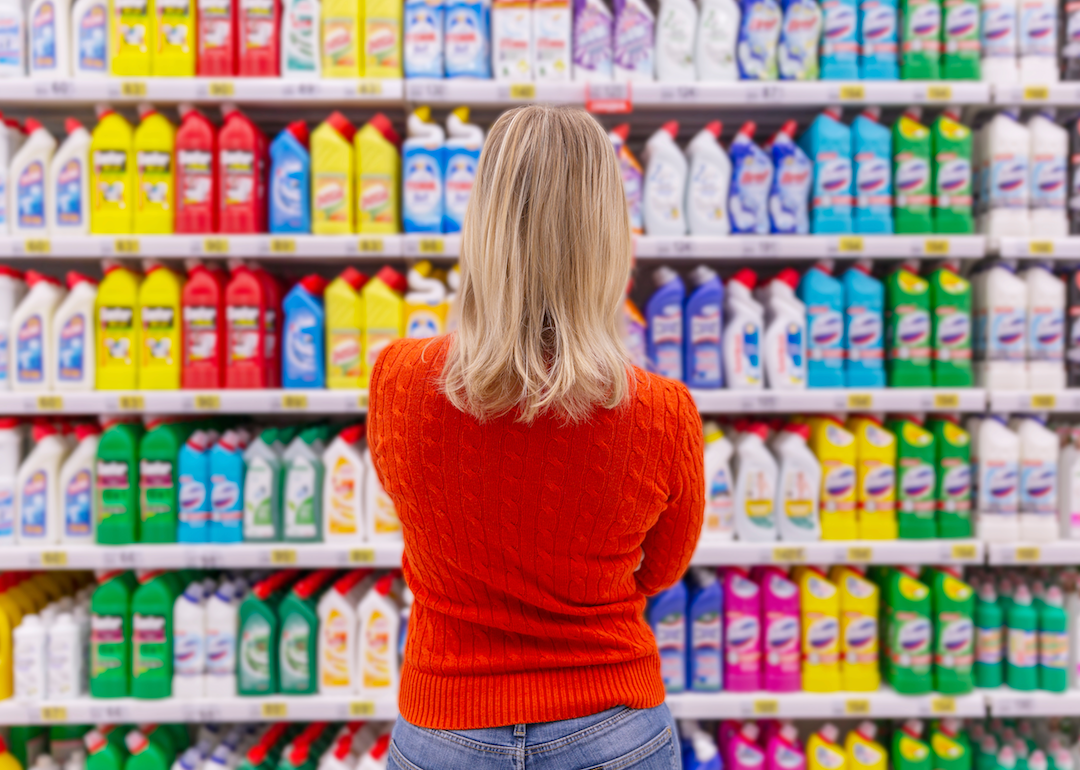
The smells of cleaning products, disinfectants, and laundry soaps for many people are hallmarks of a clean home. While the overpowering aroma of furniture polish or laundry soap may evoke certain pleasant associations or childhood memories, those familiar scents are mostly toxic. They are comprised of everything from reproductive disruptors to phthalates and allergens. Air fresheners alone release more than 100 chemicals and create adverse health effects in an estimated one-fifth of the U.S. population. Lysol aerosol sprays that can cause developmental problems, harm vision, and pollute waterways.

The sodium hydroxide in most commercial drain cleaners eats through the very pipes it's intended to clear while burning all organic matter along the way. And a found the toxins in household cleaners can lead to childhood obesity. Nevertheless, toxic cleaning chemicals are ubiquitous in supermarket aisles and big box stores鈥攁nd people keep buying them. Environmental Protection Agency (EPA) standards are known for being lax, and greenwashing or subpar "green" products has left consumers with limited options.

Using ratings from the Environmental Working Group (EWG), scientific studies, and other authoritative sources, 麻豆原创 compiled a gallery of 10 toxic cleaning products and their natural alternatives. All the natural items listed are highly accessible and utilize as little waste as possible, keeping in mind that many containers for cleaning products don't get reused or recycled. Furthermore, plastic waste ending up in landfills does not biodegrade.

Keep reading to learn more about 10 toxic cleaning products, their natural alternatives, and how people can make their own cleaning products that are safe for their home, family, and backyard.

You may also like:

1 / 20
calimedia // Shutterstock

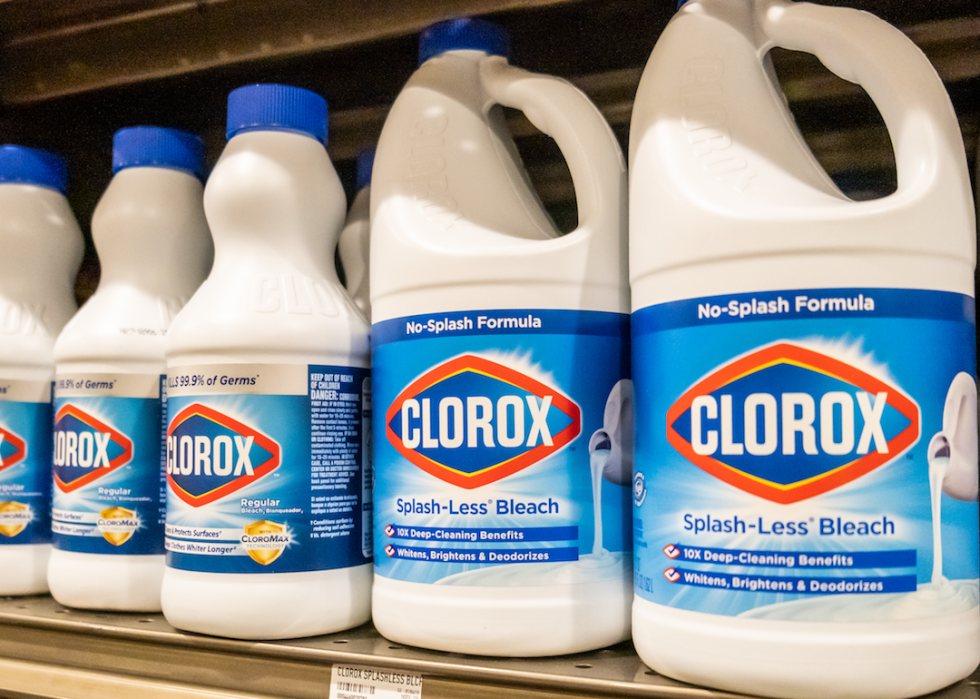
Toxic product: Bleach

Chlorine was discovered in 1774 by Swedish-German chemist Carl Wilhelm Scheele; a year later, chlorine-based bleaches were released throughout Europe for whitening fabrics. Bleach was being used as a disinfectant and deodorizer by the 1820s, leading to its widespread use for sanitizing and cleaning.

Despite its uses for cleaning and disinfecting, bleach can become toxic very quickly. Inhaling bleach odors can harm the respiratory system, particularly so in those with allergies or other respiratory conditions. Bleach that winds up in soil or waterways raises pH levels significantly and can kill plant and animal life. The cleaning agent is also corrosive, capable of burning skin or eating away at stainless steel or fabric. Bleach rarely causes any significant issues if used in well-ventilated areas and in small doses. However, frequent use of bleach (like cleaning the bathroom with it every day), inhaling it, , or disposing of bleach by pouring it down a drain or on the lawn outside can cause extensive physical and environmental damage.

2 / 20
Alexander Oganezov // Shutterstock

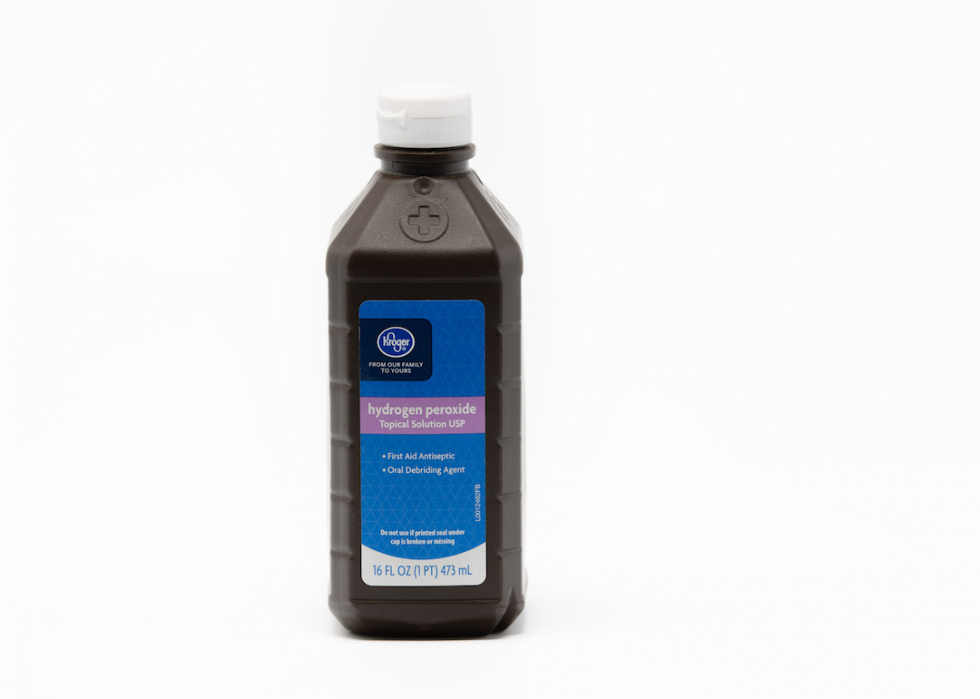
Natural alternative: 3% hydrogen peroxide

Since its discovery in 1818, hydrogen peroxide has been used widely around the world as a natural disinfectant and bleach. Its first commercial use . Mixed with vinegar or used on its own, household-strength (3%) hydrogen peroxide makes for a powerful, all-purpose cleaner. It can clean glass without streaking. It can be mixed with hot water for cleaning floors (one gallon hot water, one cup peroxide), and it can be used on its own to clean toilet bowls, bathtubs, showers, and countertops.

Where to buy: Amazon, from 

3 / 20
Canva

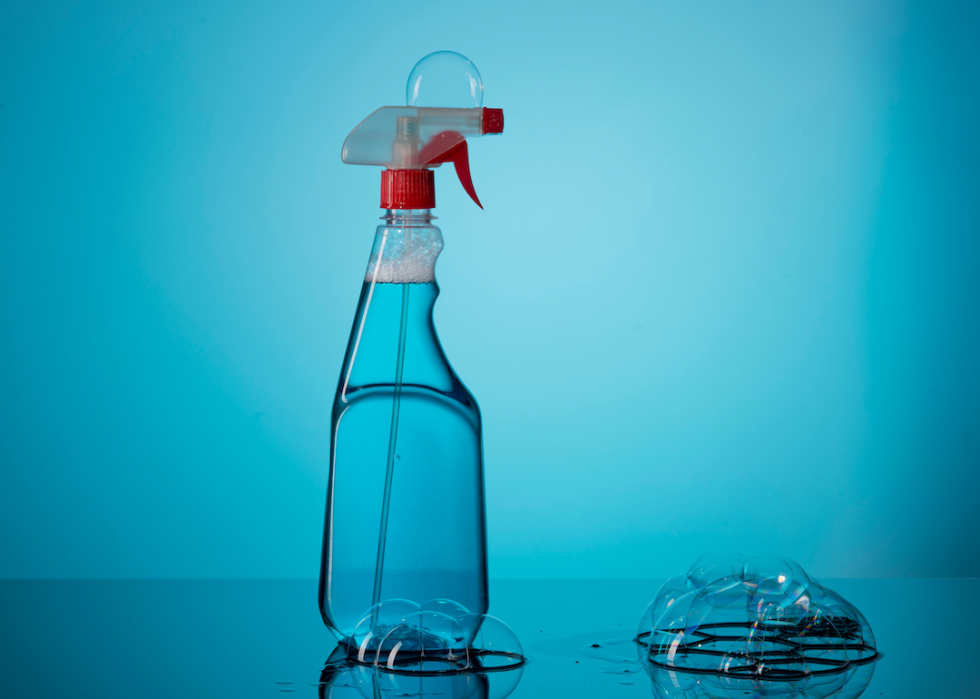
Toxic product: Glass cleaner

Most commercial glass and surface cleaners contain a solvent called butyl cellosolve, a hazardous substance that, as a carcinogen, is not safe for humans in any amount. Products such as Windex also .

4 / 20
anythings // Shutterstock

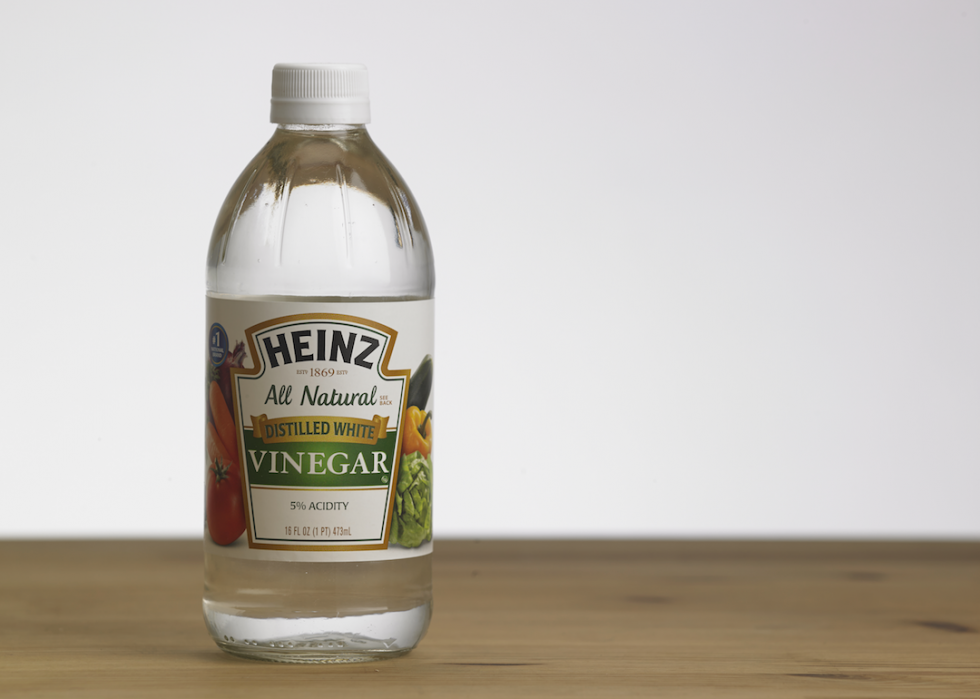
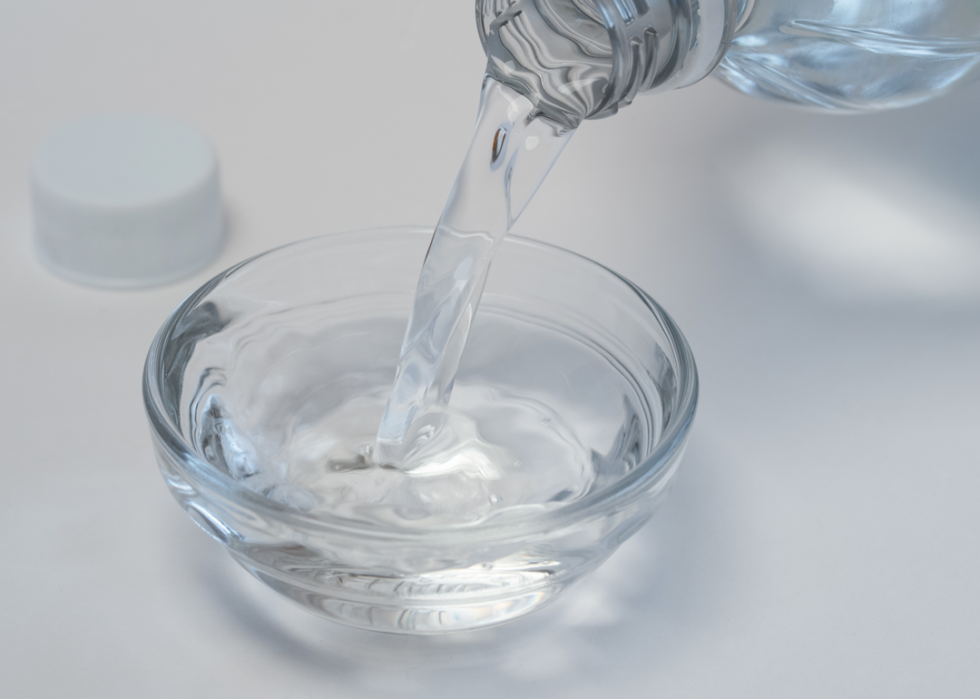
Natural alternative: Vinegar

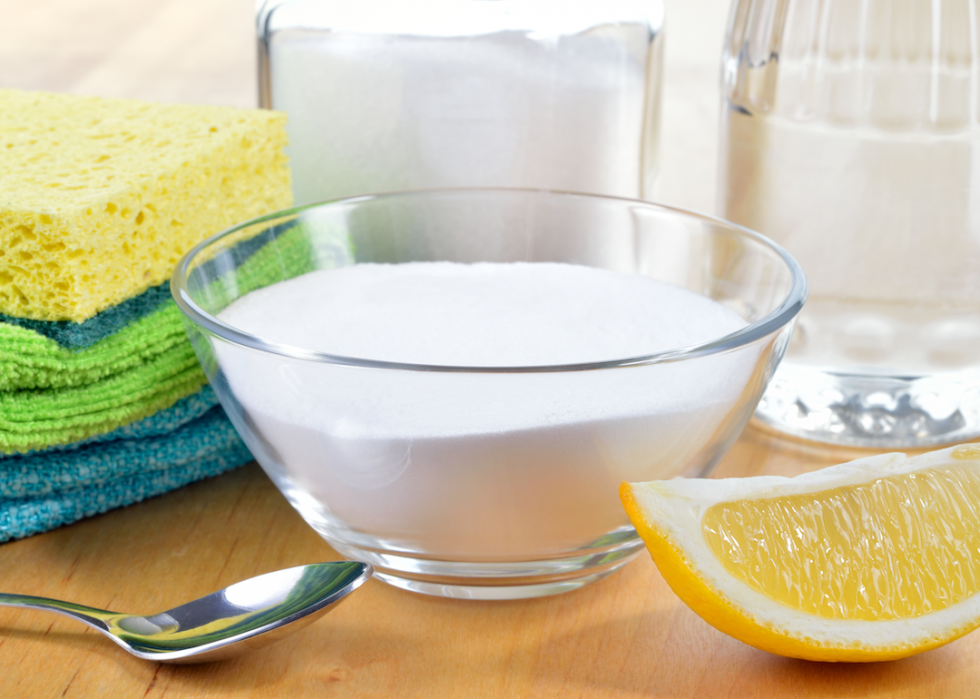
Vinegar is nothing more than an acetic acid solution derived from diluted alcohol (whether from beer, rice, or wine, among other products). The acetic acid is what gives vinegar its taste and smell鈥攁nd also what . It can be used alone or spruced up with essential oils. Vinegar works equally well on just about any cleaning job, save five. Never use vinegar on stone, ceramics, pearls, computers, or phones鈥攁nd don鈥檛 mix vinegar with bleach (the combination creates a toxic, chlorine gas).

Where to buy: WebstaurantStore, from 鈥攐r find out how to .

5 / 20
Canva

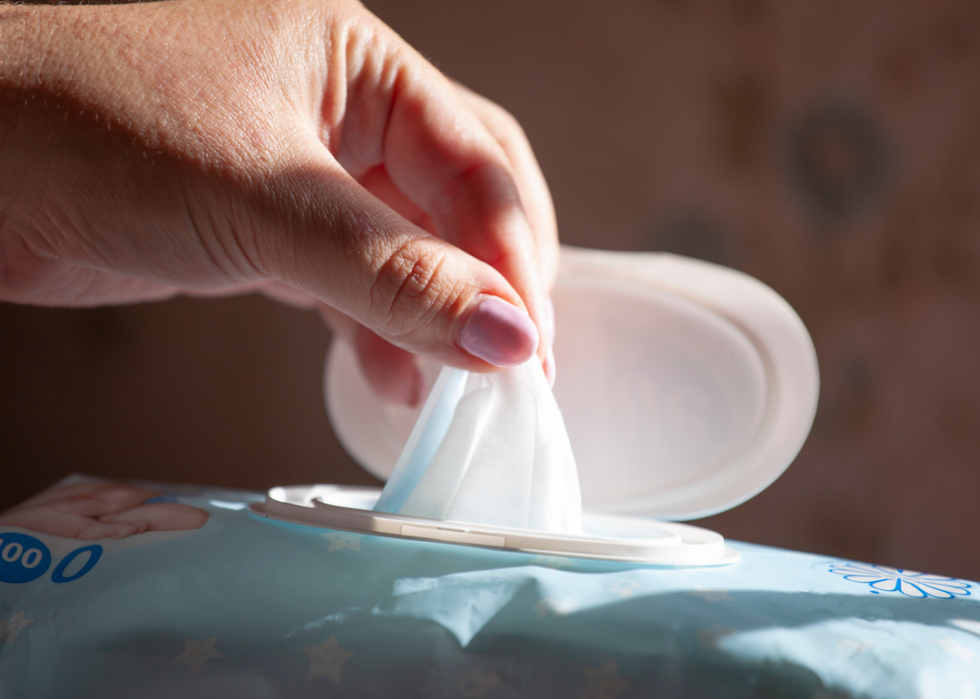
Toxic product: Cleaning wipes

Most popular, disinfectant cleaning wipes contain quaternary ammonium compounds ("quats"), which can irritate the respiratory tracks, harm the skin, and have been linked to cases of asthma, reproductive issues, birth defects, and antimicrobial resistance. Cleaning wipes and can cost more鈥攁nd be less effective鈥攖han their alternatives.

6 / 20
Inna Tarnavska // Shutterstock

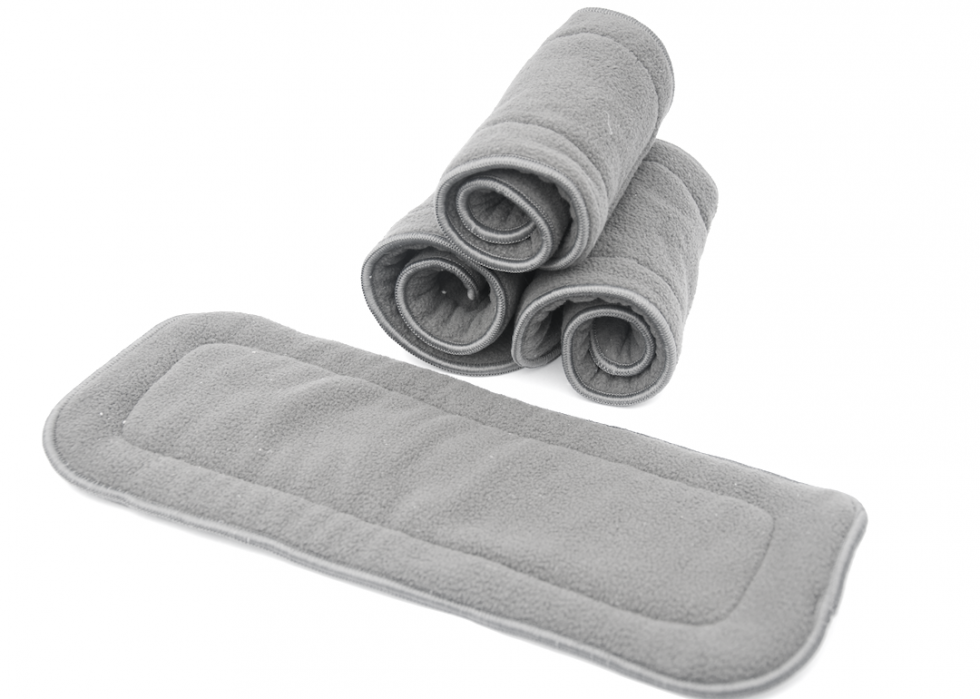
Natural alternative: Cloth diaper inserts

Microfiber cloths do as well as wipes for buffing out smudges, general cleaning, and disinfecting, and they don鈥檛 smudge glass. But ultimately, microfiber cloths are made from (hopefully recycled) plastic, which means they鈥檙e ultimately not biodegradable even if they save water throughout their use.

Cloth diaper inserts are eco-friendly, highly absorbent, and can withstand years of use. They can also be tossed in with any regular load of laundry, saving cash and water throughout their use. To use, spray the area with vinegar or 3% hydrogen peroxide, and wipe clean. For those who would rather , it鈥檚 easy to do with some isopropyl rubbing alcohol, essential oil, vinegar, and old towels.

Where to buy: Amazon, from 

7 / 20
Daniel Jedzura // Shutterstock

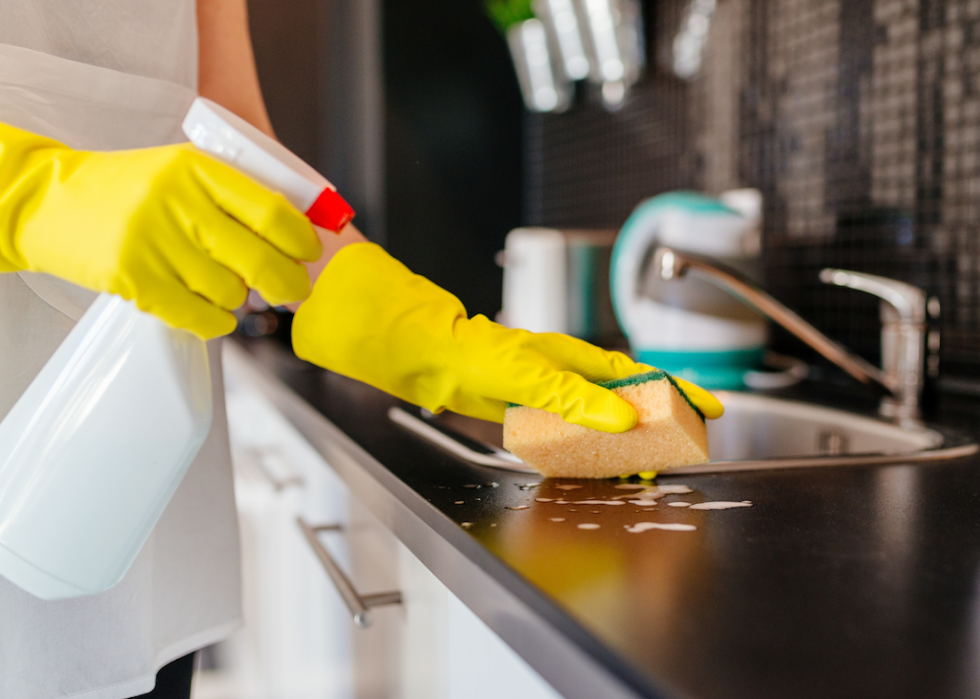
Toxic product: Surface cleaners

The fragrance chemical galaxolide present in many surface cleaners such as Pledge, Windex, and Scrubbing Bubbles has been found to be a contaminant in waterways as well as an endocrine disruptor. A 2015 study published by the Journal of Hazardous Materials caused cellular, tissue, and genetic damage to zebra mussels. SC Johnson, purveyor of the aforementioned brand names as well as Glade, Shout, and OFF!, in 2018 set a three-year window to phase galaxolide out of its products.

Sudsing agents diethanolamine (DEA) and triethanolamine (TEA) are skin-penetrating toxins also present in many cleaning agents.

8 / 20
Michelle Lee Photography // Shutterstock

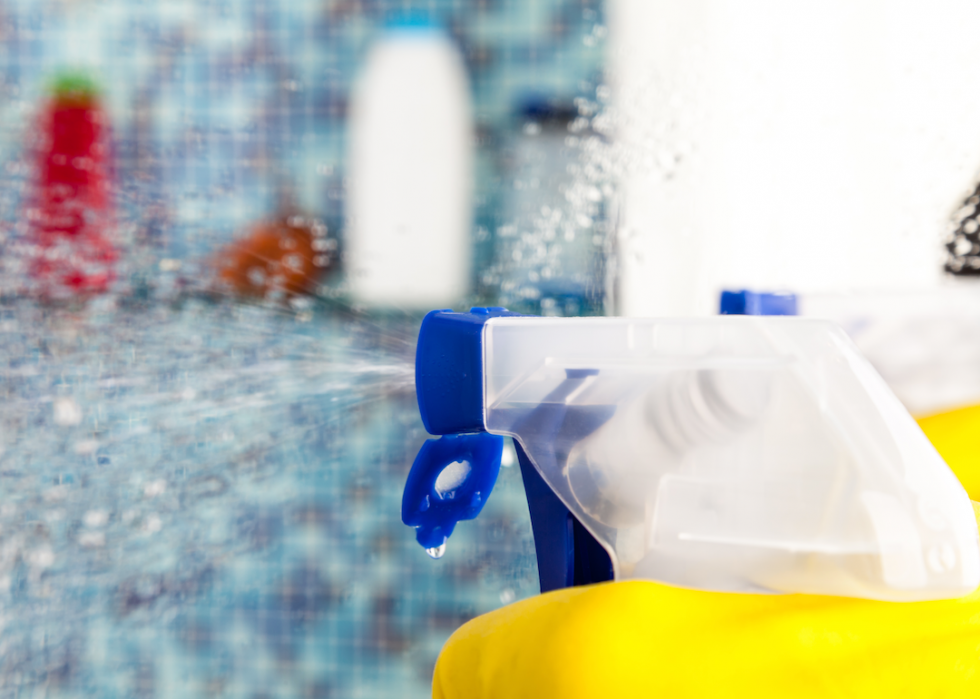
Natural alternative: DIY all-purpose cleaner

Distilled water, vinegar, and sprigs of fresh herbs or drops of citrus-scented essential oils are all it takes to make your own, nearly free, . Store the solution in a vessel from a used-up cleaning bottle (or buy a glass jar with a sprayer that you can use over and over). Just remember鈥攏ever spray marble or granite with vinegar.

Where to buy: Amazon, from 

9 / 20
Canva

Toxic product: Toilet bowl cleaner

Toilet bowl cleaners . Many name brands contain eye and lung irritants (phosphoric acid, sulfates) and are highly corrosive. Because these products go directly down the drain, they are also highly contaminating for groundwater, soil, and highly toxic for plants and animals. Nutrients from cleaners like this can also wash into water bodies, contributing to toxic algal blooms.

10 / 20
Alexander Ruiz Acevedo // Shutterstock

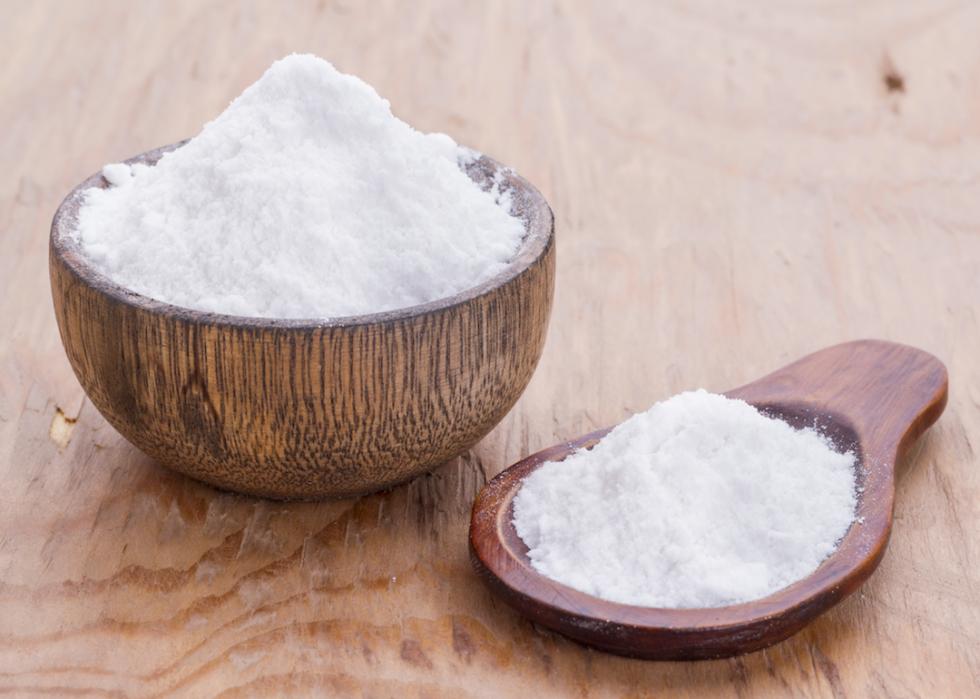
Natural alternative: Baking soda

To with practically zero elbow grease and at almost no financial cost, sprinkle baking soda into the bowl, add vinegar, close the lid, and walk away for 30 minutes. After half an hour has passed, use a toilet brush to scrub away stains.

Where to buy: Amazon, from 

11 / 20
Canva

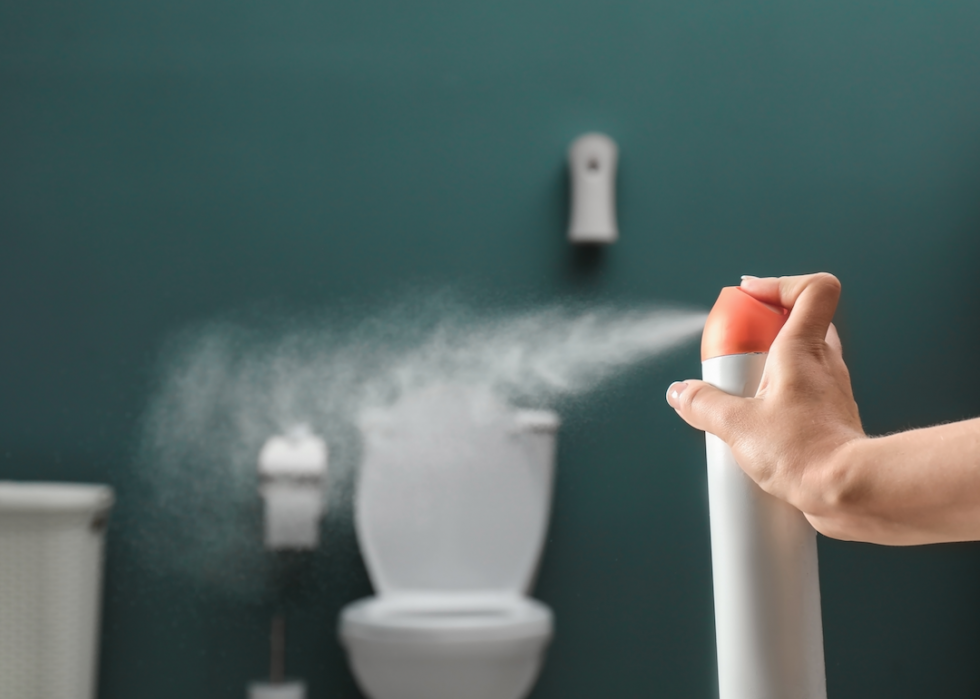
Toxic product: Air freshener

Air fresheners far and away top the list of toxic home cleaners. One reason for this is ingredients like 鈥渇ragrance鈥 can mean virtually anything, as companies are not required to provide every fragrance ingredient on labels. Fragrances can trigger allergies and act as hormone disruptors鈥攏ot to mention their harsh effects on waterways, skin, and organic matter. Even the EPA acknowledges that the majority of air fresheners .

The global air freshener market by 2023 is expected to reach $12 billion, according to a 2018 report by Allied Market Research.

12 / 20
Nanako Yamanaka // Shutterstock

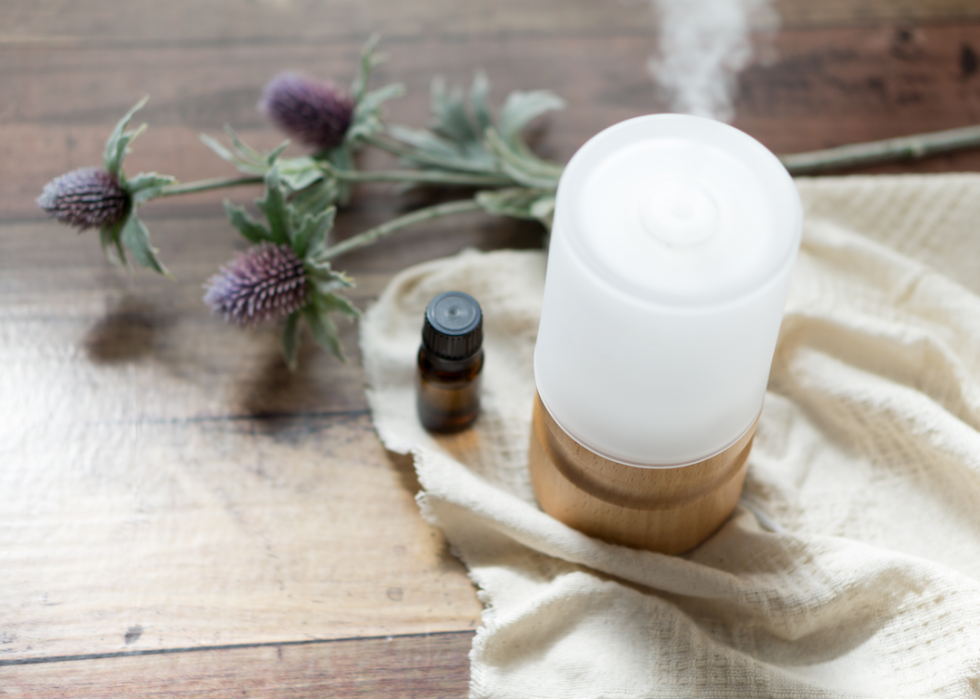
Natural alternative: Essential oil diffuser

If houseplants aren鈥檛 doing the trick, an essential oil diffuser will work the same way as an air freshener plug-in but without the harmful chemicals. It鈥檚 important to use 100% essential oils or oil blends to ensure the diffuser doesn鈥檛 get clogged.

Alternatively, leaving out baking soda or dry coffee grounds will absorb smells from the air rather than mask them the way most air fresheners do. For an air-freshening spray, combine half a cup of distilled water with 30 drops of your favorite essential oils.

Where to buy: Amazon,

13 / 20
Canva

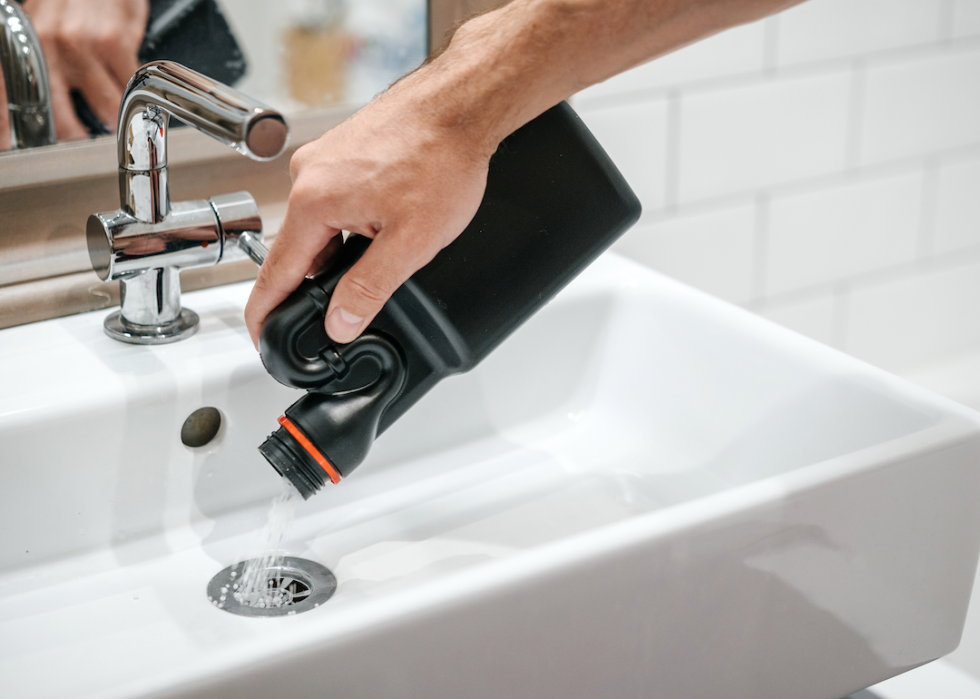
Toxic product: Drain cleaner

Many drain cleaners by design contain sodium hydroxide, a highly corrosive chemical that can burn and permanently injure human flesh and other organic compounds in addition to opening up stubborn clogs. These cleaners can ruin the drain itself if left in a drain long enough, and they can also damage anything it comes in contact with downstream.

14 / 20
nito // Shutterstock

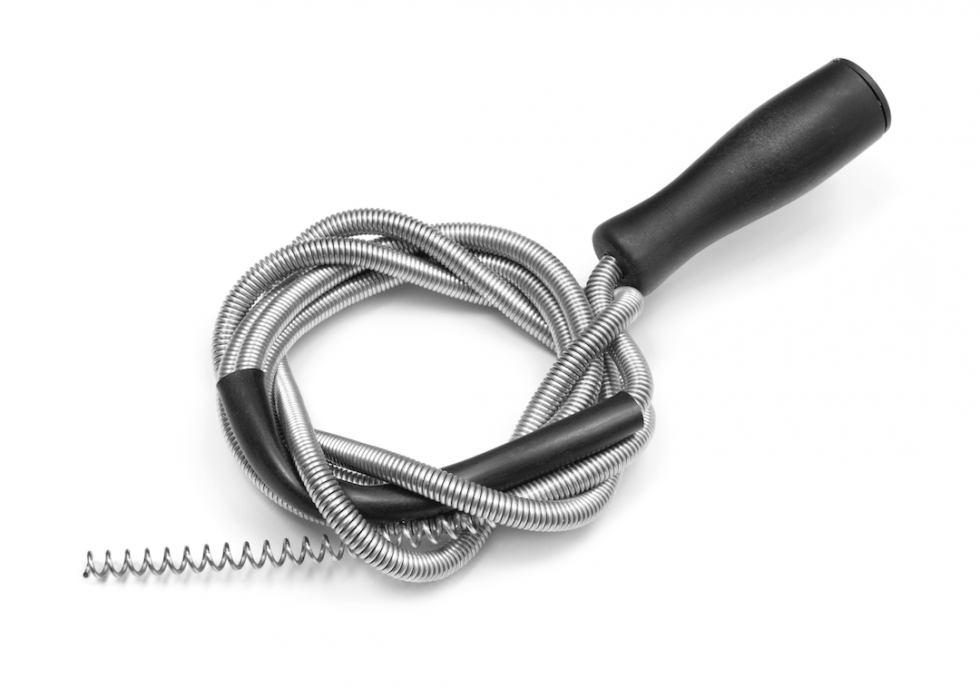
Natural alternative: Drain snake

A reusable drain snake is a simple way to unclog drains. For plugs further down the pipes, try a mix of half a cup of baking soda followed by half a cup of vinegar.

Where to buy: Amazon,

15 / 20
Dmitry Naumov // Shutterstock

Toxic product: Kitchen and bath cleaner

Soft Scrub with Bleach Cleanser gets a solid F rating from the EWG for its corrosive properties, toxicity for water bodies, and irritants to the skin and respiratory systems. Meanwhile, ; known chemicals in many powdered cleaners are formaldehyde, benzene, and chloroform.

16 / 20
Geo-grafika // Shutterstock

Natural alternative: DIY cream cleaner for kitchen and bath

People quite easily with baking soda, liquid castile soap, vegetable glycerin, and a few drops of their favorite essential oil (the last ingredient is optional of course). For a dry version, mix baking soda, salt, and drops of essential oil to add fragrance.

Where to buy: Amazon, from 

17 / 20
OLEH SLEPCHENKO // Shutterstock

Toxic product: Laundry detergent

The synthetic scents in laundry detergent are often derived from petroleum and widely rank as the most toxic chemicals in any cleaning product. A 2008 study from the University of Washington found , and many of those ingredients are still present in laundry soap today.

Laundry soap, like drain cleaner, goes directly into waterways, whether septics, sewers, streams, lakes, or oceans, making them one of the chief contributors to harmful algal blooms that result from an overload of nutrients in the water.

18 / 20
iva // Shutterstock

Natural alternative: Easy homemade powdered detergent

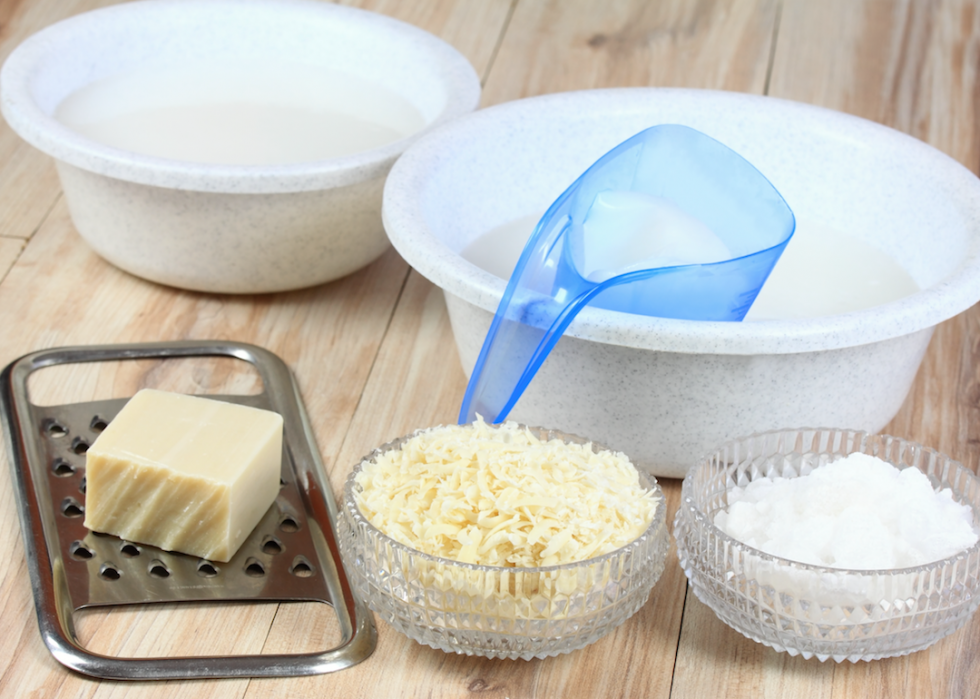
To make homemade powdered laundry detergent, all it takes is one grated bar of soap (Fels-Naptha, or Dr. Bronner鈥檚 for a vegan version), two cups of Borax, and two cups of washing soda. Mix the ingredients (along with half a cup of OxiClean for brightening and stain removal, if desired). Use one or two tablespoons for each load of laundry. A box of washing soda, two bars of grated soap, and a box of Borax will cost less than $25 and last most households a year or more.

Where to buy: Amazon

-
-
-

19 / 20
Stokkete // Shutterstock

Toxic product: Furniture polish

Lemon-scented Old English Furniture Polish  because of the harm it does to the respiratory system, skin, and environment. It has also been linked to increased cancer risks. Ingredients like petroleum gases, mineral spirits, unknown fragrance sources, silicone fluid, and kerosene are known for their threat to soil, waterways, and all other organic matter.

20 / 20
carballo // Shutterstock

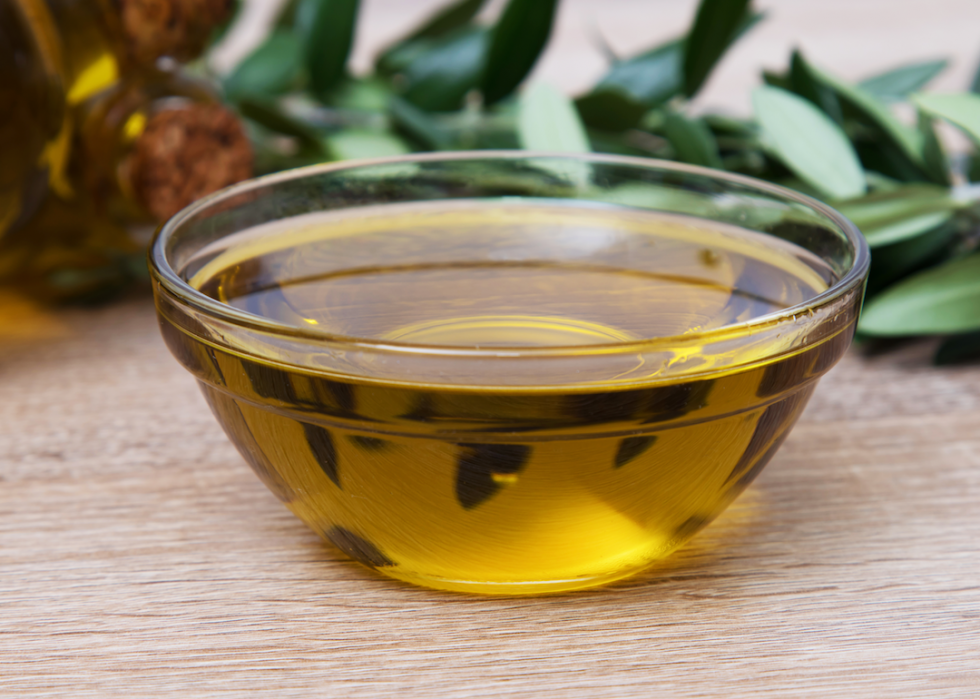
Natural alternative: Olive oil and vinegar furniture polish

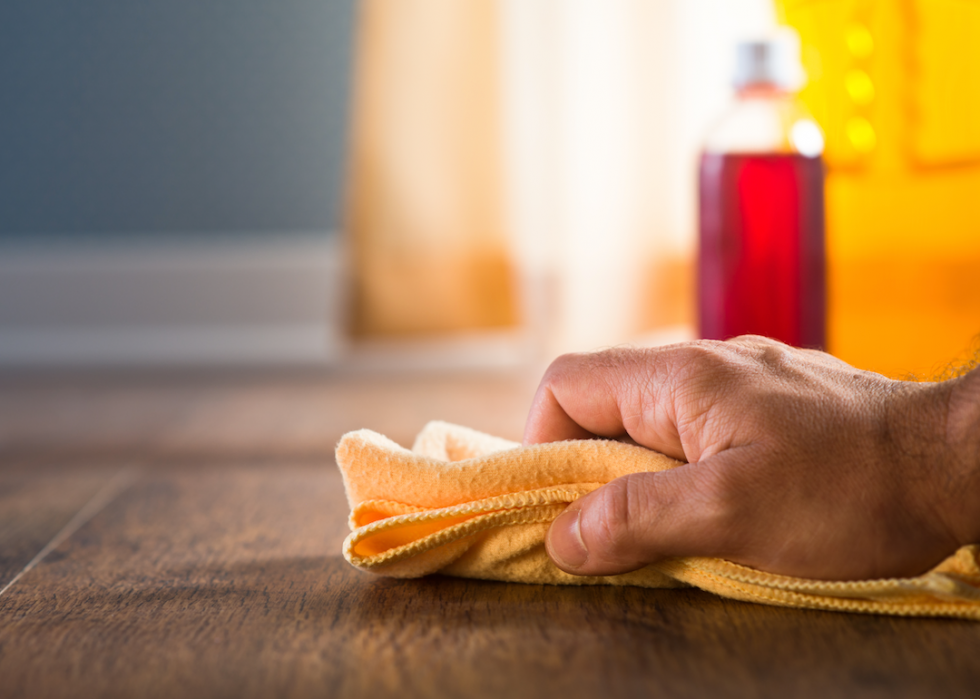
Equal parts vinegar and olive oil (and, optionally, a few drops of essential oil) are all it takes to make your own all-natural furniture polish. Combine the ingredients in a jar, close the lid, and shake well before applying to furniture with a clean, dry cloth.

Where to buy: Amazon,

Trending Now