The environmental impact of disposable diapers
This story originally appeared on Nicki鈥檚 Diapers and was produced and distributed in partnership with 麻豆原创 Studio.
The environmental impact of disposable diapers
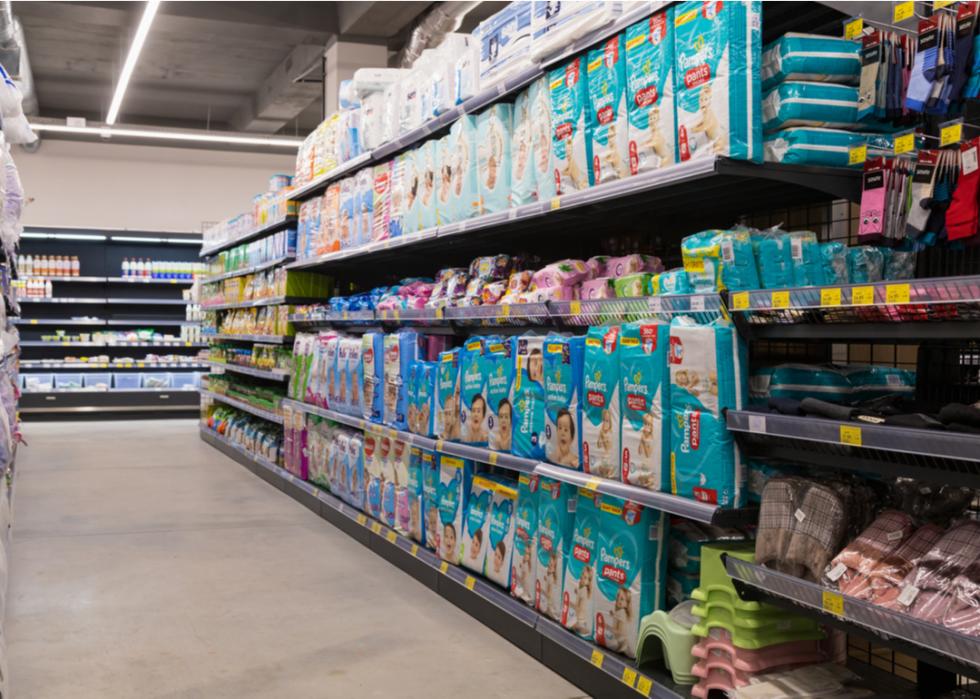
One baby uses roughly each year, and can go through around 8,000 before being potty trained. Not only does this cost a lot of money鈥斺攂ut it creates numerous negative environmental impacts.
To better understand the ways that disposable diapers can harm the environment, looked at data from a variety of news sources, governmental reports, parenting organizations, blogs, and websites about diapers and the environment.
Disposable diapers do not only harm the environment in obvious ways, such as by filling up landfills, but in other ways as well. For example, disposable diapers introduce , and they also contribute to the problem of oil drilling, as they are made from plastic, a .
While reusable cloth diapers are also 鈥攂ecause cotton takes a lot of water to grow and washing the diapers also uses significant amounts of water鈥攖he fact is that babies need to be diapered. On the whole, disposable diapers introduce many serious problems and their use negatively impacts the environment.
Transportation emissions as disposable diapers get to stores
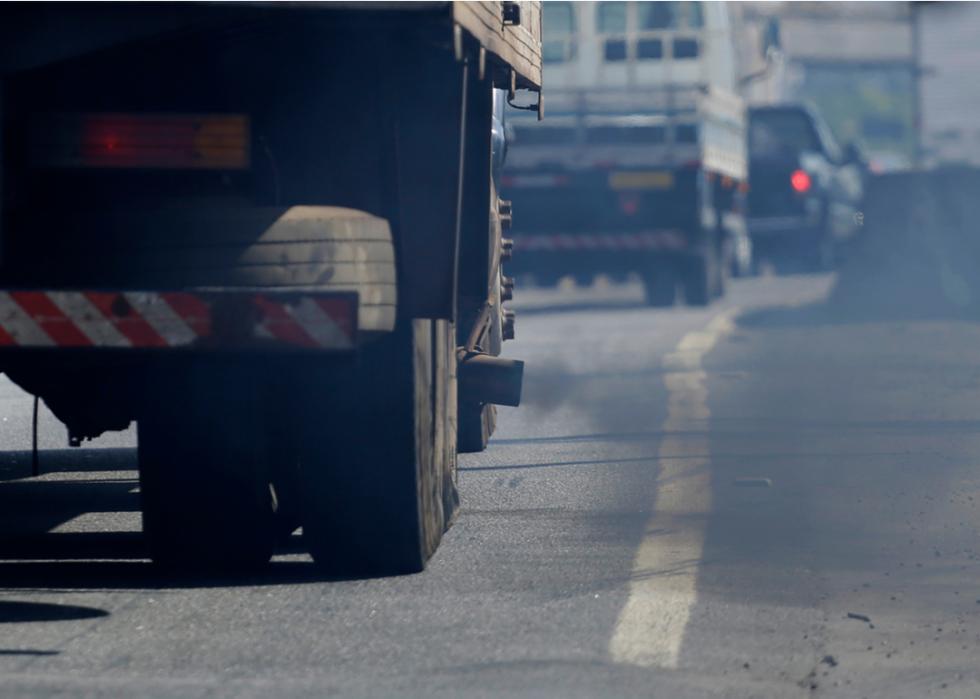
Like every consumer product, disposable diapers need to get from the manufacturer all the way to the local store. accounts for up to 4% of all human-caused carbon emissions, a number that could go as high as 17% by 2050. In the United States, trucks account for . While disposable diapers are just one of many types of consumer goods that are moved nationally and internationally, the fact is that disposable products are the ones that need to be constantly replaced, which means more trucking and shipping, leading to more greenhouse gas emissions. And as one baby can go through in a year, that鈥檚 a lot of diapers that need to be replaced.
Use of nonrecyclable plastic
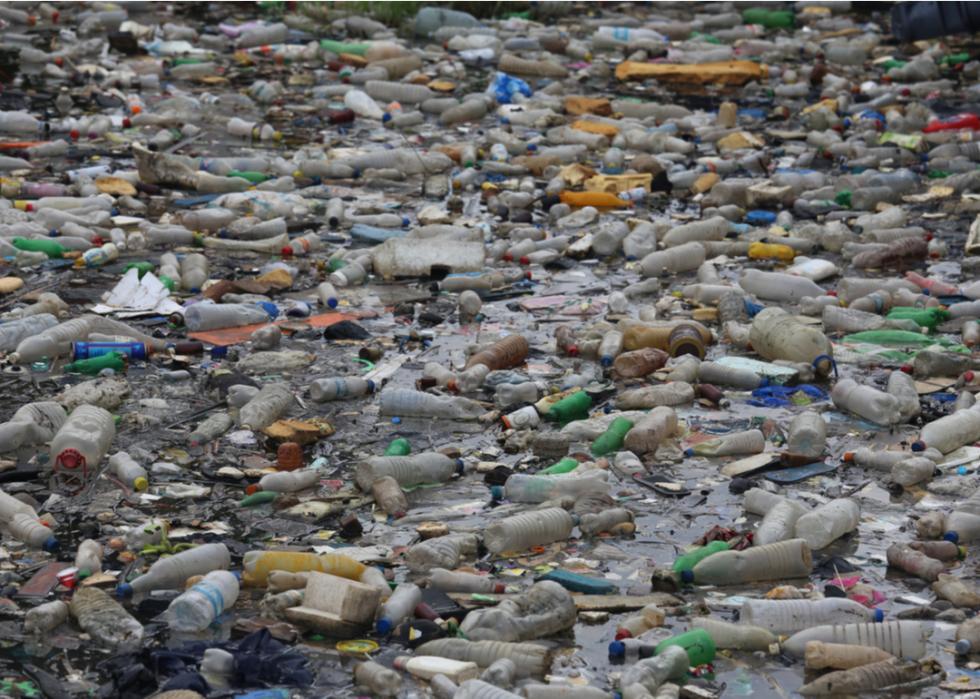
Disposable diapers are made primarily out of the used in grocery bags, product packaging, and household products. Plastic is bad for the environment. It both on land and in the sea. In addition, the kind of plastic used for diapers is not recyclable, meaning that it just sits in landfills and is not used for anything else when the diaper is thrown away after use.
Diapers are petroleum products
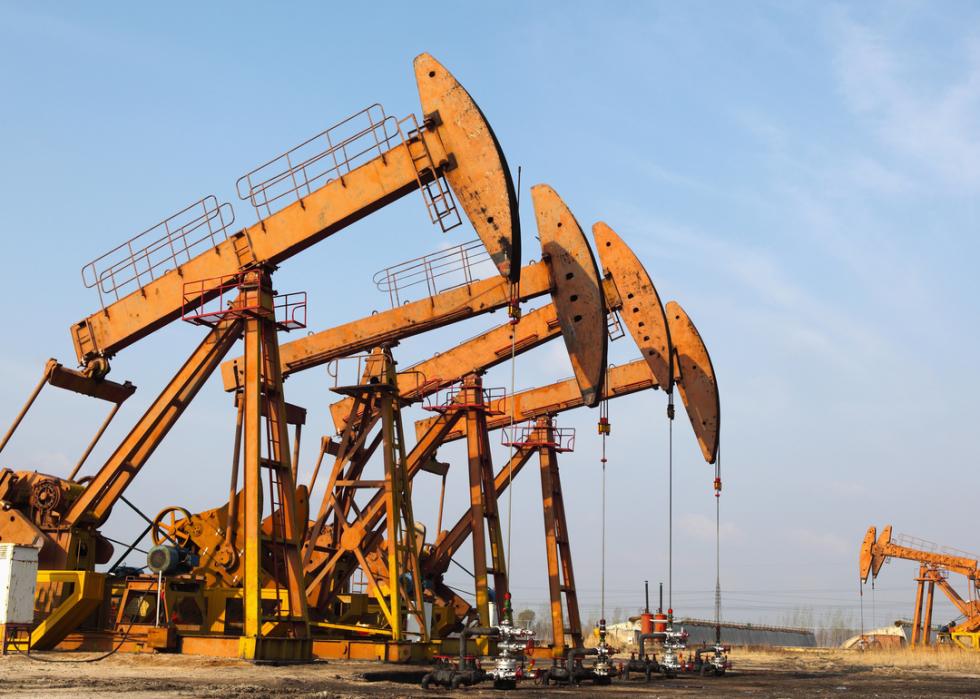
In addition, . This means that oil is used to make plastic and therefore, disposable diapers. So for all the plastic needed to make disposable diapers, more oil has to be brought up from the ground. And oil drilling has a on the natural environment. Drilling projects generate pollution, fuel climate change, and disrupt wildlife and public lands. While cotton, which is used for disposable diapers, does use to grow, its environmental impact is still less than that of plastic.
Uses harmful chemicals
Disposable diapers contain numerous that are used in their manufacturing. These chemicals come from adhesives, synthetic dyes, and perfumes used in diapers. They include volatile organic compounds like dipentene, ethylbenzene, toluene, and xylene. These chemicals are released into the air when exposed to heat. They also contain , which are dangerous. have shown phthalates to be linked to reproductive health problems and early puberty. In humans, they problems with brain development in children.
Fills up landfills
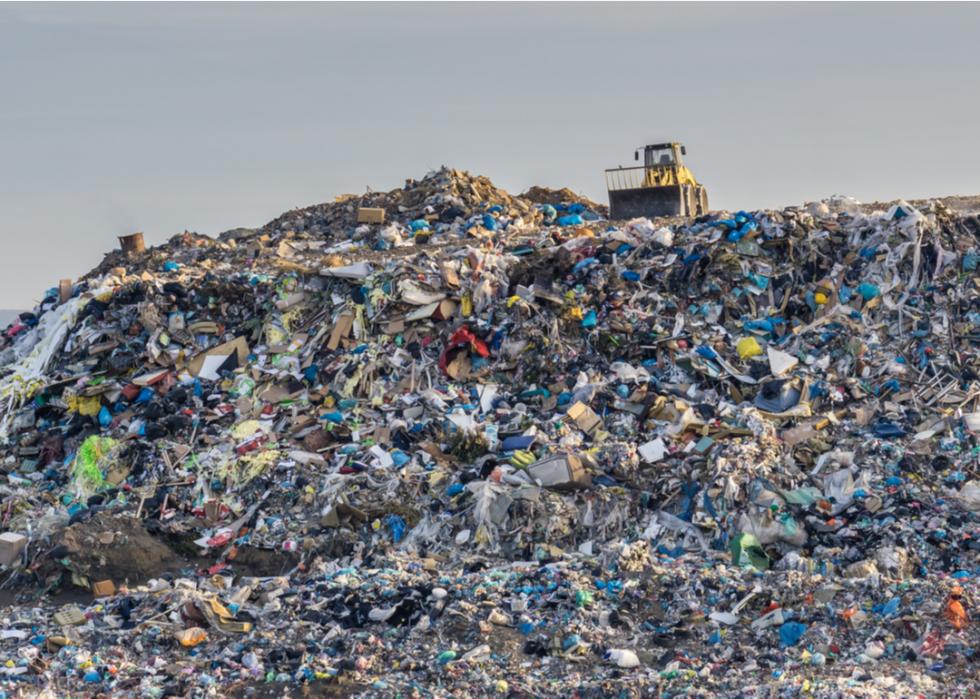
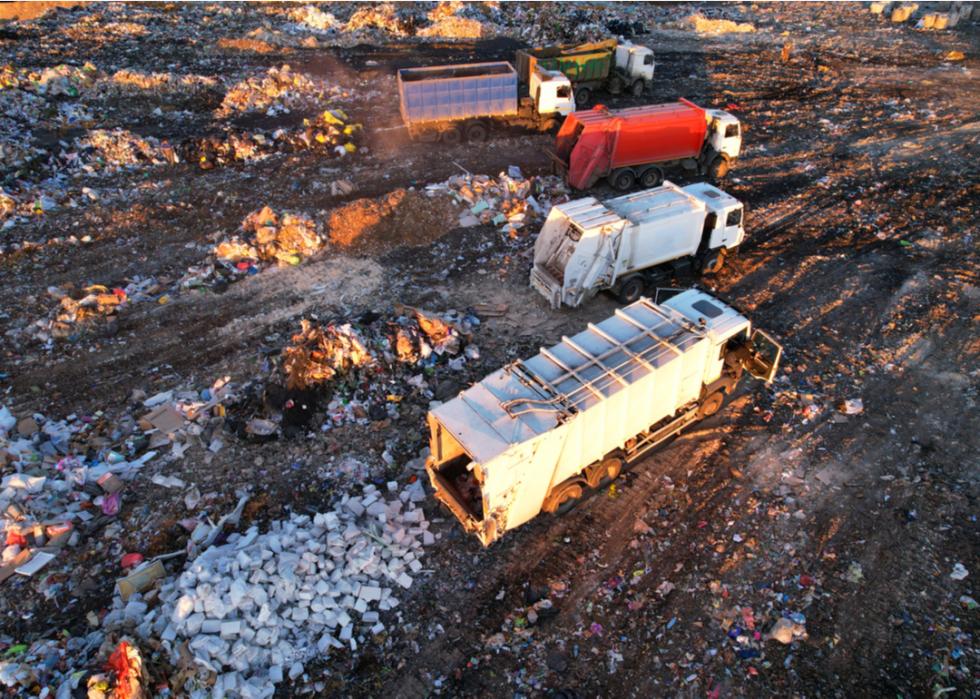
With 4 million babies born each year in the United States, who could need up to 3,000 diapers per year for two to three years, each baby is likely to use up to . In 2012, Americans threw nearly 3.6 million tons of disposable diapers in the garbage. This garbage ends up in landfills, where it sits for hundreds of years.
Releases greenhouse gases in landfills
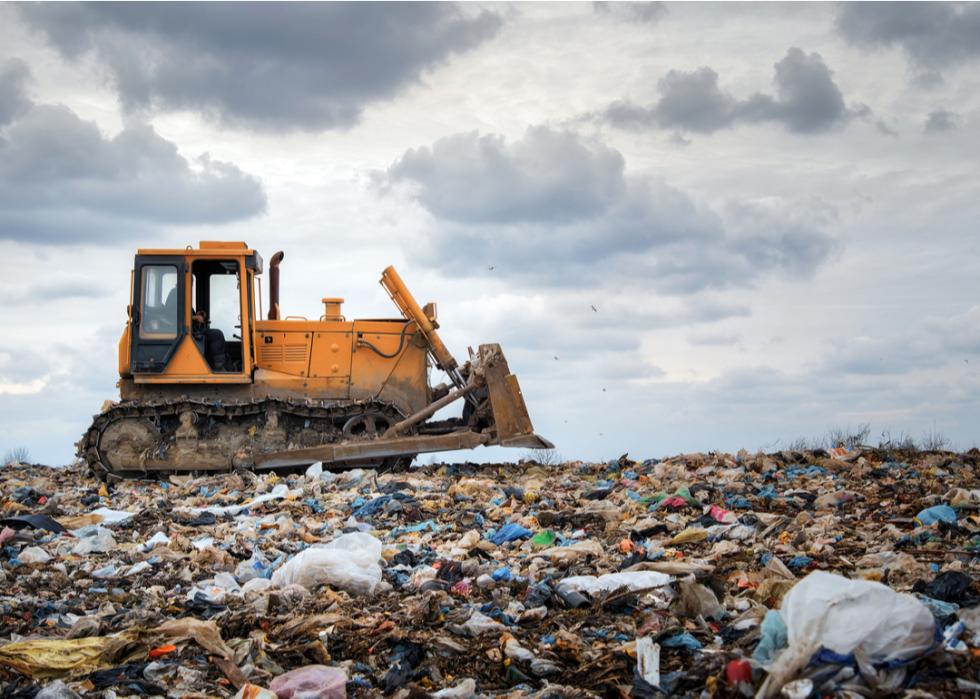
When these disposable diapers get to the landfills, they don鈥檛 just take up valuable space. They also emit methane, a greenhouse gas that is 20 times more potent than carbon dioxide. This is especially important as the world struggles to slow down climate change, as methane has accounted for around since pre-industrial times. There are disposable brands that sell compostable diapers and claim they can stay out of landfills and thereby avoid this outcome. However, since most parents don鈥檛 actually compost them, they have the same effect when they inevitably end up in landfills.
Introduces human feces to groundwater
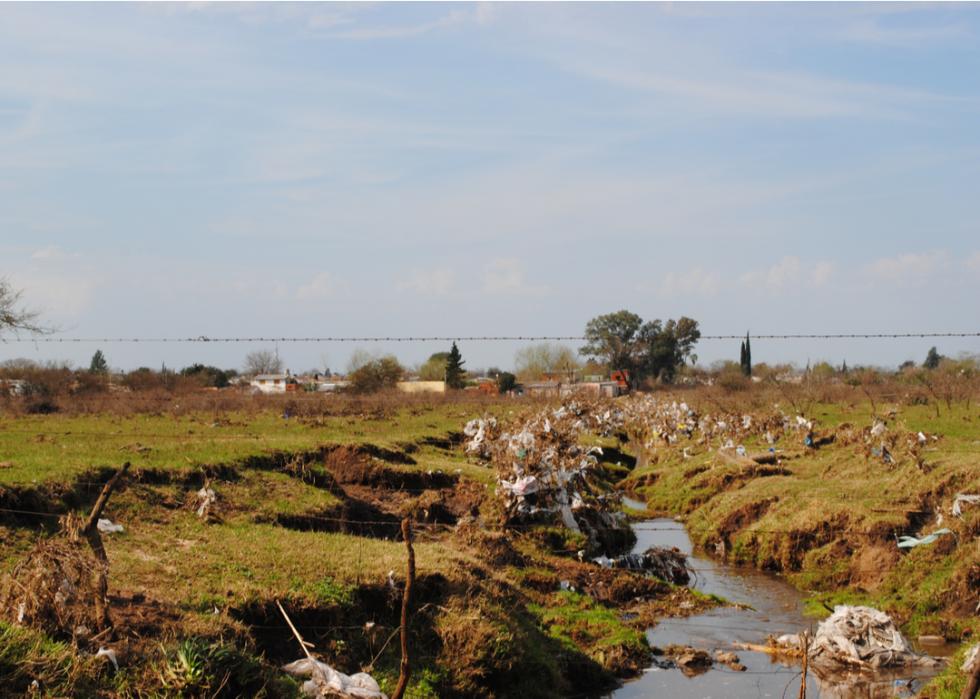
Of course, disposable diapers that go to landfills aren鈥檛 clean diapers. They are dirty鈥攆illed with human baby feces. While disposable diaper packages often tell parents to wash the feces out of the diapers before throwing them away, many parents do not do this. Therefore, when these diapers end up in landfills, the can leach out into groundwater, which is dangerous for the environment. This is especially true at older landfills. On the other hand, fecal waste from cloth diapers gets flushed down the toilet and goes through sewage treatment facilities.
Takes hundreds of years to decompose
Disposable diapers account for around in the United States. Because they are made of plastics, they decompose very slowly. In fact, it can take up to 500 years for a disposable diaper to decompose. This means that diapers used at the beginning of this century won鈥檛 actually go away until . And that鈥檚 just an estimate. Since disposable diapers only began being sold in 1948, no one actually knows how long it will take because we haven鈥檛 been around long enough.
Deplete the ozone layer
Disposable diapers also release when they are in the landfill. The ozone is the : It absorbs a portion of the sun鈥檚 radiation and prevents it from reaching the earth鈥檚 surface. It also absorbs UVB rays, which have been linked to skin cancers, cataracts, and can harm some crops and marine life. Unfortunately, the more disposable diapers that are thrown away into landfills, the more harm it poses to the ozone layer.
Use of carcinogens in manufacturing
Disposable diapers are made with some chemicals that are actually carcinogenic. In 2019, France鈥檚 national health agency found the presence of numerous chemicals, including low levels of in disposable diapers. Glyphosate is an herbicide that the World Health Organization classifies as 鈥減robably carcinogenic.鈥 In addition, diapers contain dioxin, which the 鈥渋s highly toxic and can cause cancer.鈥