States with the biggest solar economies
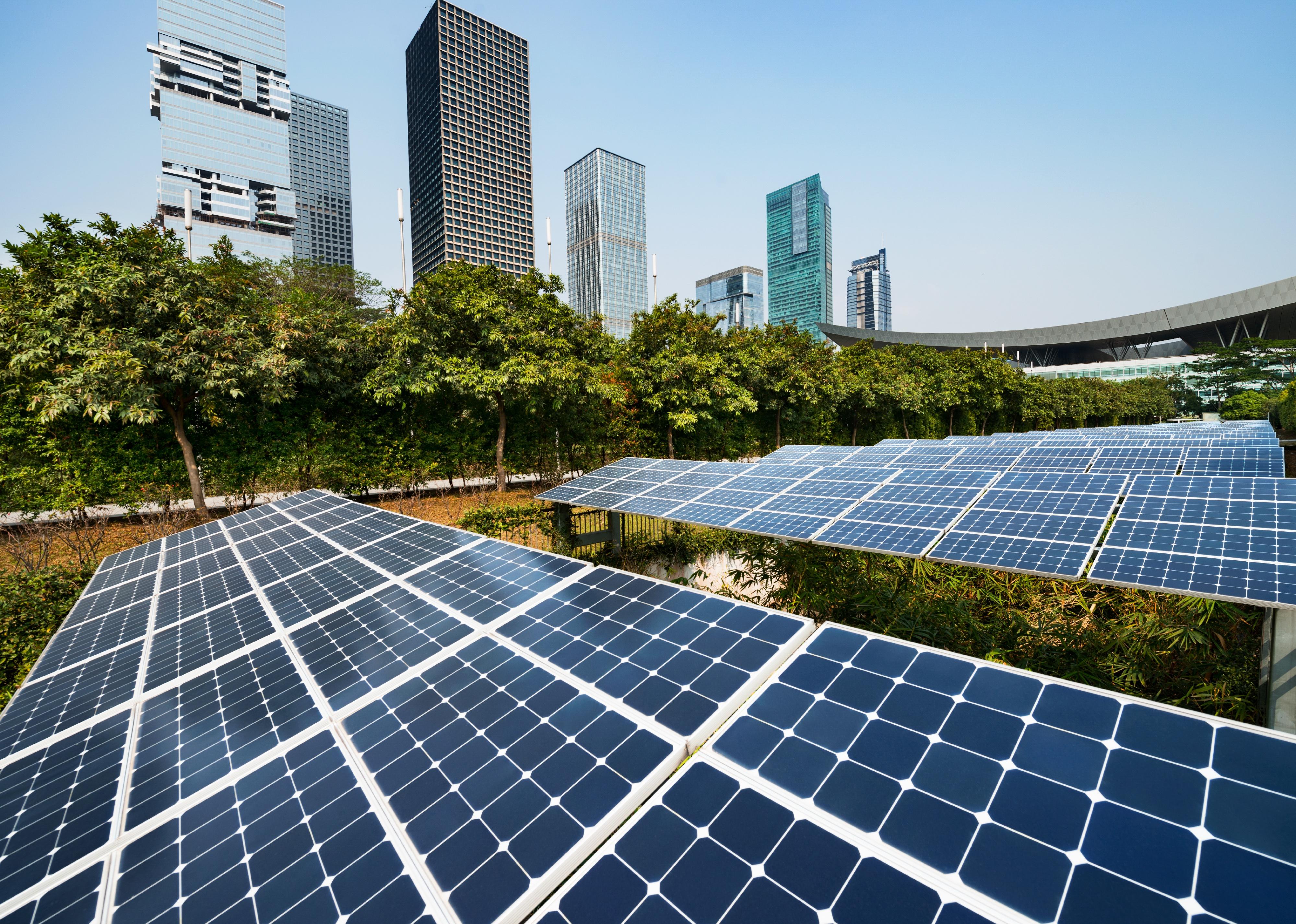
Solar panels have become normalized among landscapes, spotted everywhere from the open spaces of deserts to rooflines of dense residential areas. Installed on covered carports, parking lots, open fields, and even closed landfills, solar accounted for 3% of America's electricity in 2020, according to the (EIA). That number may seem small now鈥攂ut the figure is projected to climb to 20% by 2050.
麻豆原创 analyzed which states have the largest solar economies by analyzing data collected by the (SEIA). To adjust for population, states are ranked by the number of solar jobs per 1,000 in the non-farm sector, according to data from the .
The Bureau of Land Management requested in December 2021 that land be nominated for in Colorado, New Mexico, and Nevada鈥攁ll states on the forthcoming list. This comes amid , including plans to optimize existing clean energy projects and construct new transmission lines to deploy that energy.
Nationwide, installations are encouraged by incentives such as a ranging from 22% to 30% of the system's cost. State incentives exist as well, such as tax credits and net metering programs that compensate owners for the excess electricity they produce.
Keep reading to discover which states have the biggest solar economies.
#10. Rhode Island
- Solar jobs per 1,000 non-farm jobs: 2.1 (1,010 total jobs)
- Total megawatts installed: 449.0 (#29 nationwide)
- Number of installations: 10,006
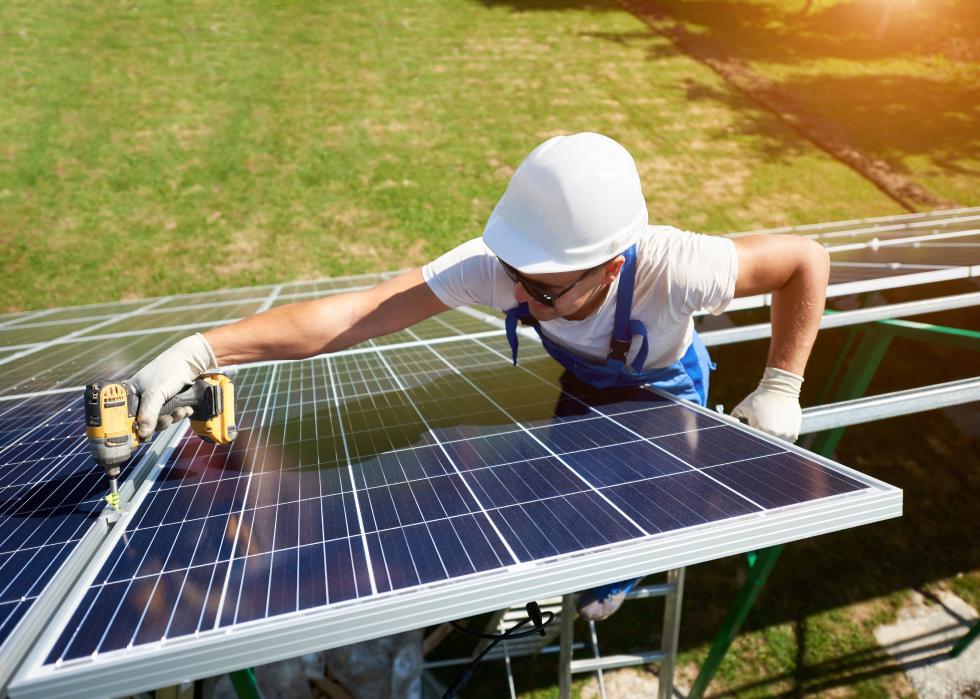
Solar power production quadrupled between 2018 and 2020 in Rhode Island, according to the . In 2020, then-Gov. Gina Raimondo signed an executive order setting a goal for by 2030. That year, for 6% of the state鈥檚 power. Rhode Island even launched a in 2019 for residents to learn more about and participate in .
The state could also potentially outpace its energy consumption with solar arrays on landfills, gravel pits, parking lots and more, according to a report from that was commissioned by the state's Office of Energy Resources.
#9. New Mexico
- Solar jobs per 1,000 non-farm jobs: 2.3 (1,880 total jobs)
- Total megawatts installed: 1,252.5 (#19 nationwide)
- Number of installations: 35,262
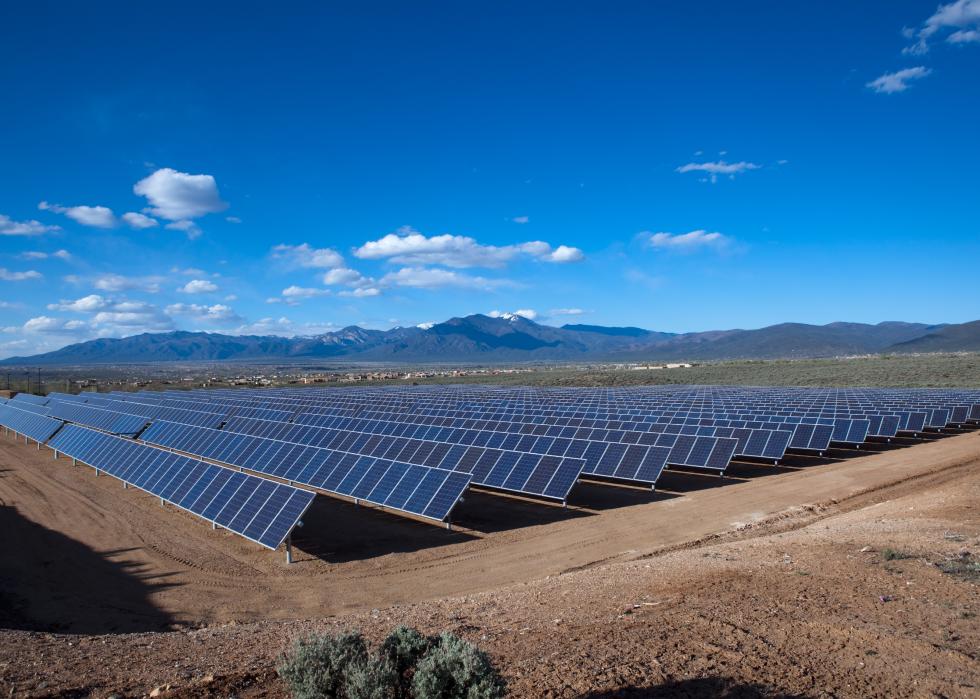
New Mexico has become a hub for solar energy, with 2022's American Solar Energy Society (ASES) being held in Albuquerque this June. The state in April 2021 became the first to pass where multiple people buy into a facility and receive credit on their electricity bills in return. Community initiatives like these aim to make renewable energy more accessible by eliminating barriers like the initial costs of setting up solar panels.
One community solar project in the works is at , a housing facility for those facing homelessness and mental illness. , a nonprofit advocating for renewable energy, had raised $54,000 for the project at Casa Milagro as of October 2021, with another $18,000 to go, the reported. The organization has also raised enough money for about a dozen other community solar projects in the state.
#8. Colorado
- Solar jobs per 1,000 non-farm jobs: 2.5 (6,771 total jobs)
- Total megawatts installed: 2,130.9 (#13 nationwide)
- Number of installations: 89,831
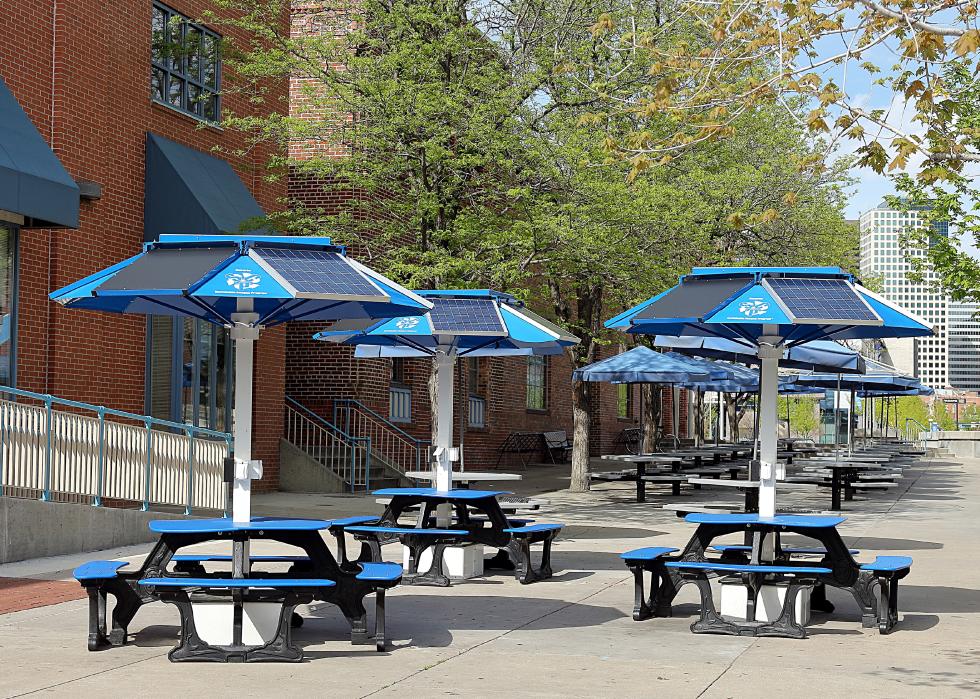
Like Rhode Island, 鈥攂ut with a slightly longer timeline. The governor鈥檚 January 2021 鈥淕reenhouse Gas Pollution Reduction Roadmap鈥� aimed to plan out how the state could reduce 2005 emissions levels by 90% by 2050. An intermediary goal is to reduce emissions levels by 80% by 2030. In areas affected by a declining coal industry, like North Fork Valley, some hope that bolstering solar energy will create more jobs, according to reporting from .
#7. Arizona
- Solar jobs per 1,000 non-farm jobs: 2.5 (7,346 total jobs)
- Total megawatts installed: 5,549.2 (#5 nationwide)
- Number of installations: 200,506
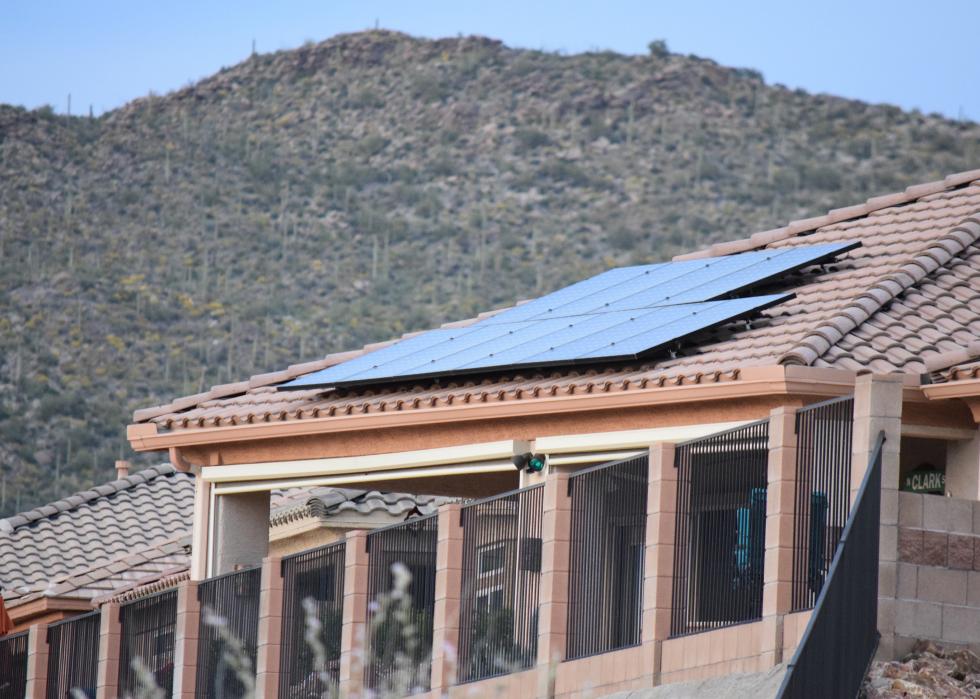
Solar energy in Arizona has created more than 7,300 jobs and enough electricity to power over 950,000 houses as of the third quarter of 2021, according to the . Some large retailers in the state like , which owns Albertsons, Safeway and other supermarkets, have opted to use solar to power stores. As of 2019, solar panels on nine Albertsons Arizona stores generated over four million kilowatt-hours of energy each year, according to the water and energy company .
#6. Massachusetts
- Solar jobs per 1,000 non-farm jobs: 2.7 (9,495 total jobs)
- Total megawatts installed: 3,486.3 (#8 nationwide)
- Number of installations: 121,515
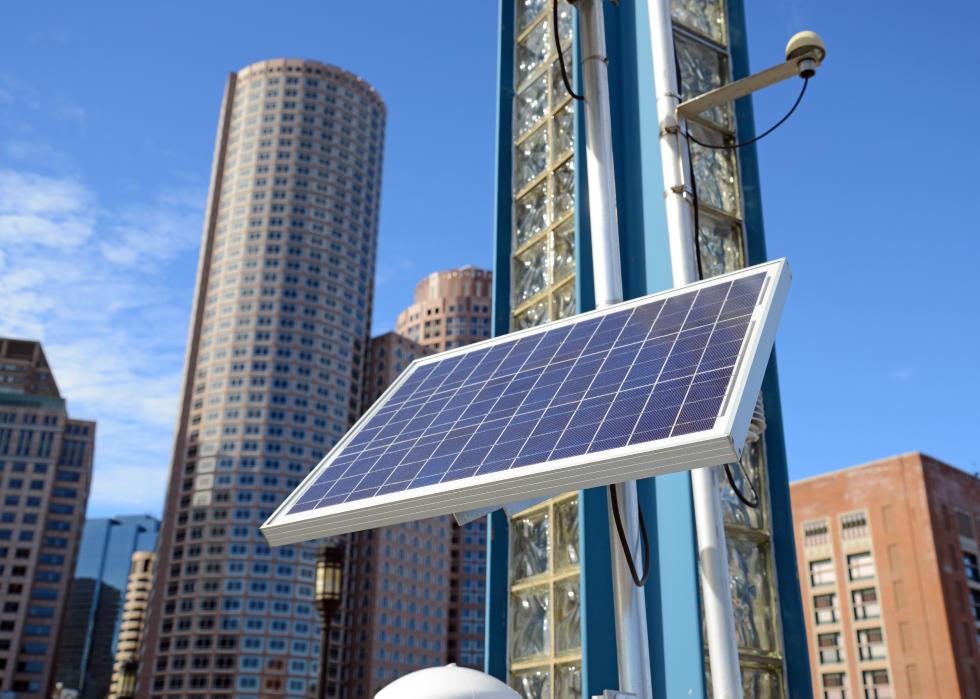
Massachusetts in 2018 established the to incentivize solar development in the state. Two years later, the state's Department of Energy Resources expanded the program from 1,600 to 3,200 megawatts in response to a drop in solar installations. But the Department of Public Utilities took more than a year and a half to actually implement those changes, which went into effect on Jan. 14, 2022. The new order will further the state's goal of bringing greenhouse gas emissions to 45% of its 1990 levels by 2030.
#5. Vermont
- Solar jobs per 1,000 non-farm jobs: 3.5 (1,046 total jobs)
- Total megawatts installed: 389.8 (#32 nationwide)
- Number of installations: 9,306
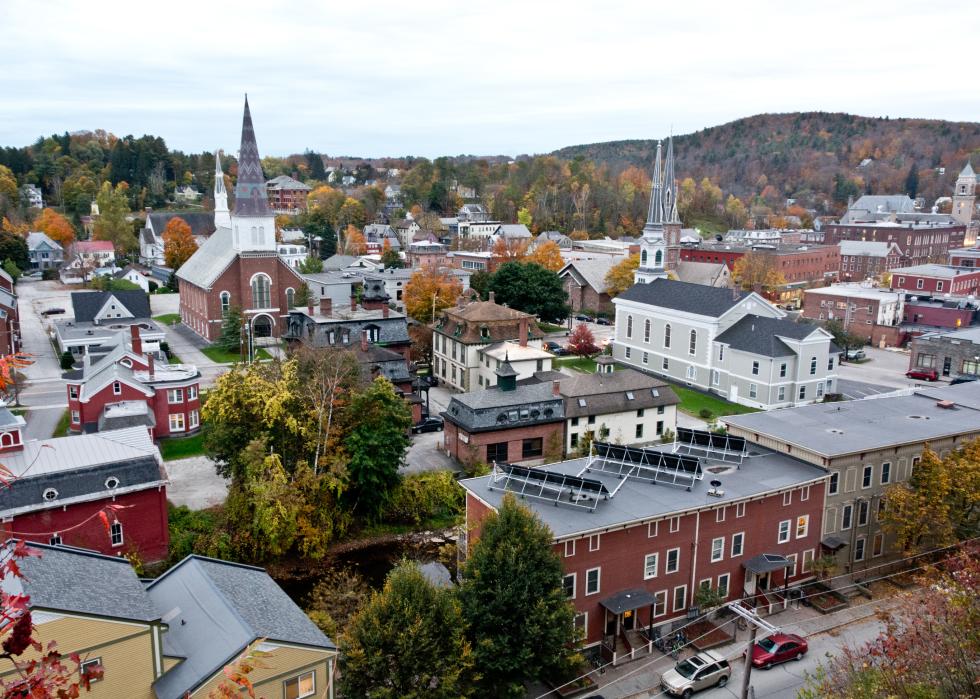
Vermont is a small state and accordingly doesn鈥檛 rank highly nationwide when it comes to total megawatts鈥攂ut it produces more than 14% of its power using solar, according to the and . The rapid growth of solar in Vermont was driven in part by state net metering policies that give solar users credit back for the electricity they generate, as well as other federal incentives. But in late 2020, the state鈥檚 public utilities commission lowered the net metering rates and prompted about solar鈥檚 continued expansion in the state.
#4. Hawaii
- Solar jobs per 1,000 non-farm jobs: 4.1 (2,365 total jobs)
- Total megawatts installed: 1,455.3 (#16 nationwide)
- Number of installations: 95,435
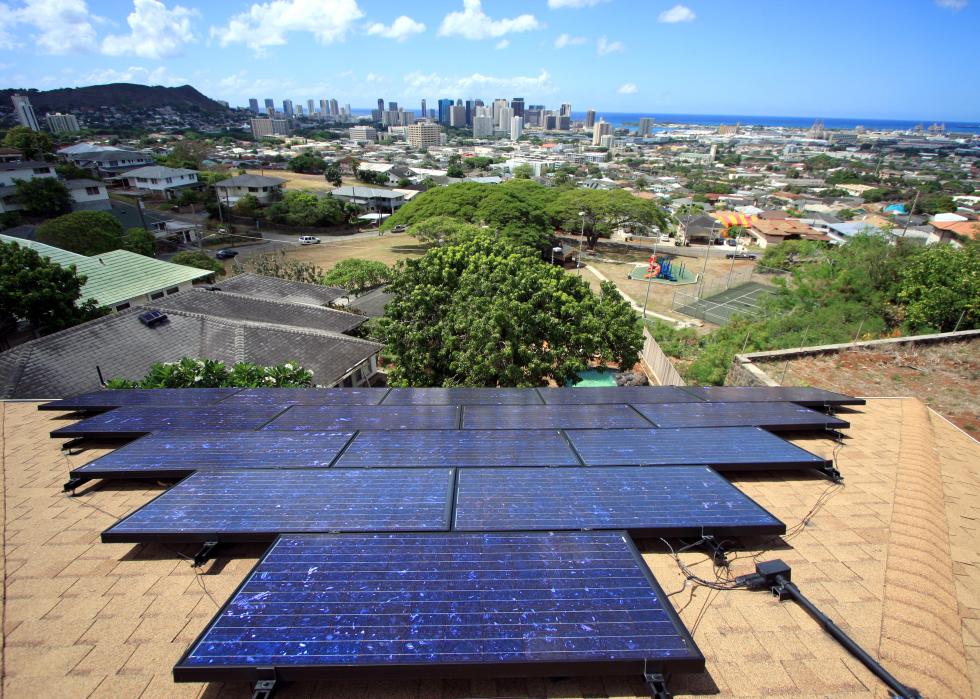
Hawaii has long bolstered its solar economy with incentives like a 35% . The incentive, first enacted in 1976, applies to both individuals and corporations: The 35% credit maxes out at $2,250 for single-family properties and $250,000 for commercial ones.
Real estate company Real Estate and Living Hawaii estimated that a could reduce electric bills by as much as $300 a month. In 2020, 35% of the 鈥攚hich powers of the state鈥檚 residents鈥攚as renewable. Nearly half of that renewable energy came from solar. The state stopped net metering in 2015, which dropped the number of active solar companies and residential permits for solar installation. Still, solar continues to grow in Hawaii. Installations of increased by 55% from 2019 to 2020.
#3. California
- Solar jobs per 1,000 non-farm jobs: 4.1 (68,677 total jobs)
- Total megawatts installed: 33,208.6 (#1 nationwide)
- Number of installations: 1,390,240
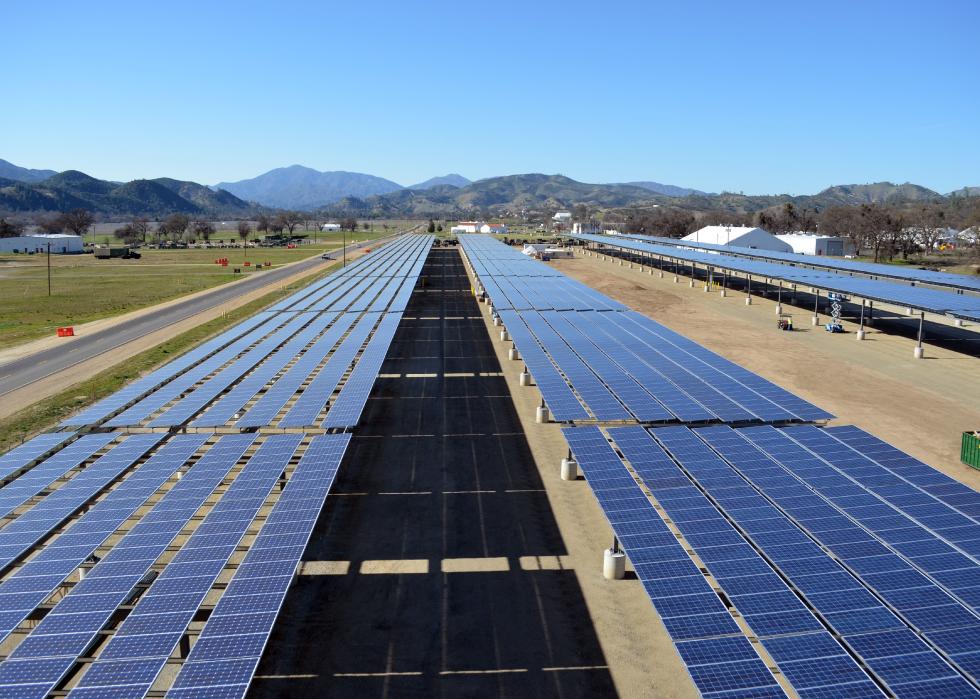
Although outpaced by two other states, California is the longtime nationwide leader in solar power. In 2015, the state was the first to have installed. The state continues to be at the forefront of solar, having on many of its newly constructed buildings. In December 2021, the Bureau of Land Management approved two , which would generate up to 465 watts鈥攅nough to power roughly 132,000 homes.
The future of solar in California may be affected if the state鈥檚 Public Utilities Commission passes legislation to remove net metering as soon as Jan. 27, 2022, the reported.
#2. Utah
- Solar jobs per 1,000 non-farm jobs: 4.3 (6,926 total jobs)
- Total megawatts installed: 2,461.5 (#12 nationwide)
- Number of installations: 54,826
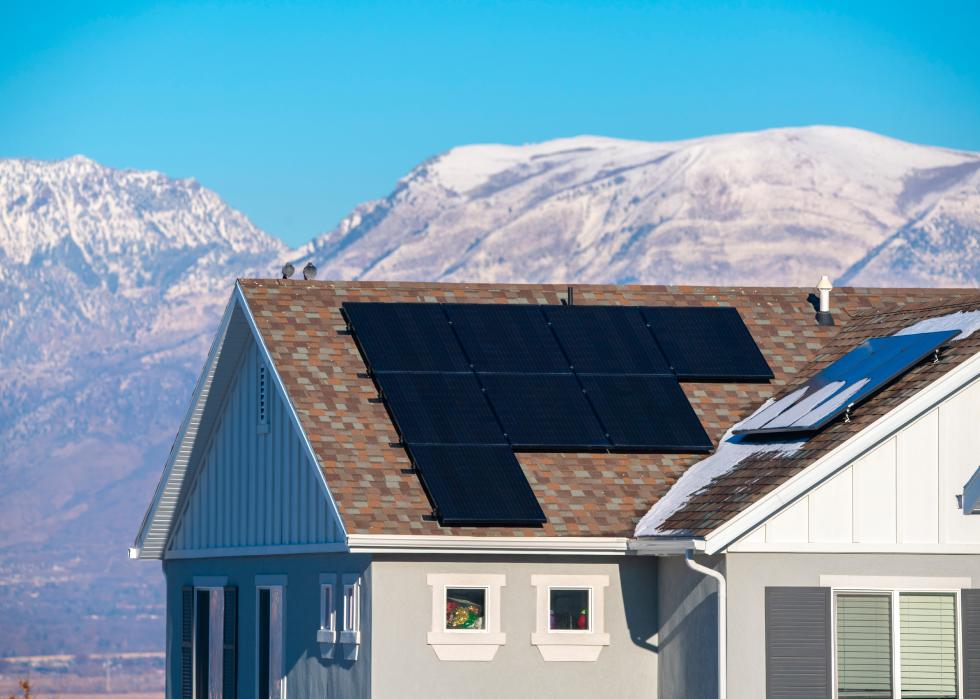
rapidly increased midway through the last decade, with rooftop solar going from one megawatt in 2009 to 130 in 2016. The state鈥檚 solar growth is driven by several initiatives.
A requires that investor-owned and municipal utilities, as well as electric co-ops, use renewables to account for 20% of their adjusted electricity sales by 2025鈥攂ut only if it is cost-effective for the company to do so. The state also has net metering and tax credits for commercial solar systems. The residential tax credit in Utah expired as of Dec. 31, 2021. Even with the rise of solar, Utah still has a booming . The Biden administration鈥檚 policies鈥攍ike last year鈥檚 temporary ban on drilling and the bipartisan infrastructure deal's clean-energy plan鈥攈ave raised concerns from those in the state鈥檚 industry about job loss.
#1. Nevada
- Solar jobs per 1,000 non-farm jobs: 4.5 (6,174 total jobs)
- Total megawatts installed: 4,244.9 (#6 nationwide)
- Number of installations: 75,379
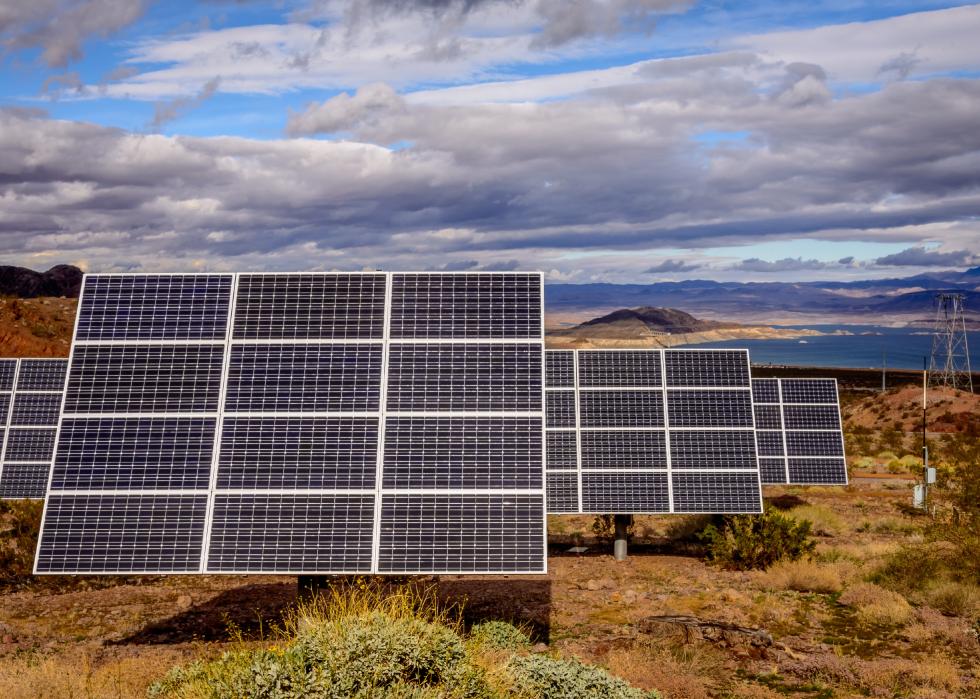
In 2010, Nevada's Silver State North Solar Project became the . The state, with its vast and sunny deserts, has been a hub for solar energy鈥攖hough not without hiccups.
Nevada's Public Utilities Commission dramatically changed its net metering policies in 2015, leading to higher fees and less credit back for generated solar power. There was immediate backlash, with three solar companies saying they would leave the state鈥攁 major blow to the state's solar economy. After lots of back and forth, today's allow solar users to receive 75% of the retail rate for the extra electricity their solar system generates.
Solar will almost certainly continue to expand in Nevada, as the Bureau of Land Management considers three that would power 520,000 homes. But this expansion has prompted pushback from , who support clean energy but worry that new construction threatens Nevada's tribal lands and deserts.