Going back to school isn’t just stressful for kids, parents feel it too
Going back to school isn’t just stressful for kids, parents feel it too
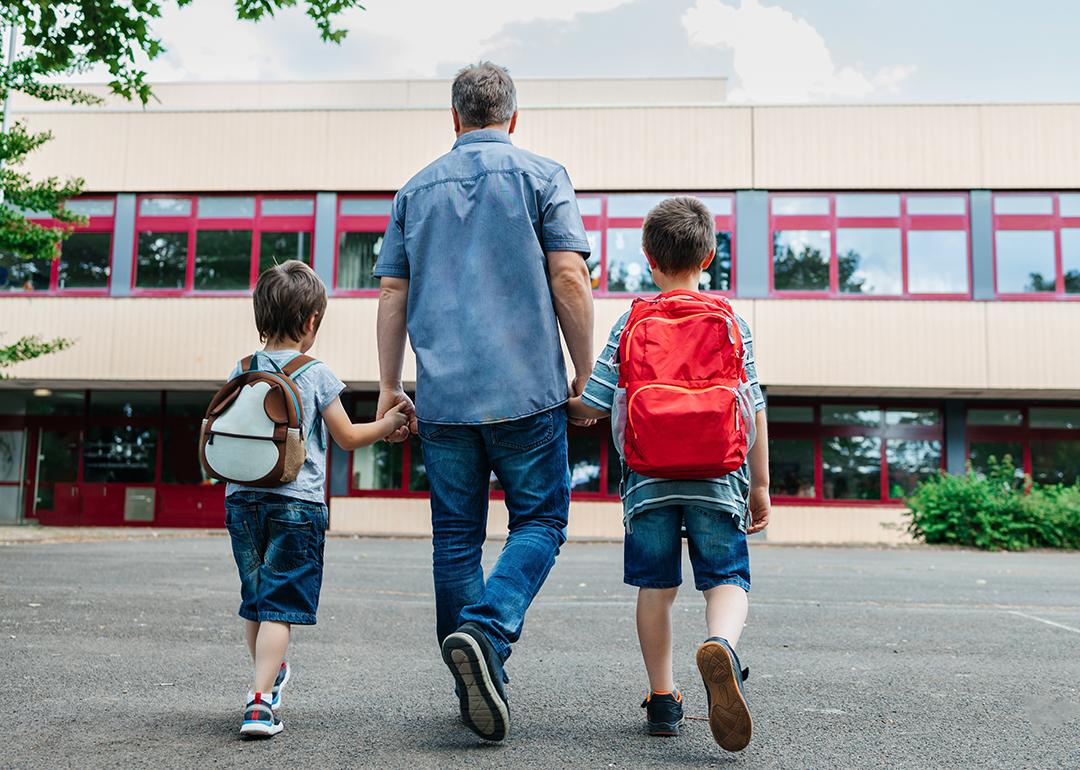
The backpacks are packed, the alarm clocks are back on, and the group chats are buzzing about class schedules and lunchbox ideas. On the surface, it looks like your kid is going back to school. But quietly, so are you.
For many parents, the start of the school year triggers emotional whiplash. You go from summer’s loose rhythms to the tight choreography of morning routines, homework battles, bus schedules, and the looming question behind it all: Is my kid okay?
Turns out, you're not the only one asking. Vivian Chung Easton, a mental health clinician at , a therapist-enablement technology platform takes a closer look into ways to manage back-to-school worry and anxiety.
The Emotional Whiplash of School Restart
A 2023 Pew Research Center poll found that 40% of parents are “extremely” or “very” worried about their children struggling with anxiety or depression. That number is not surprising if you’ve spent any time watching your kid try to make friends, handle school stress, or navigate a world that feels increasingly volatile.
Since the COVID-19 pandemic began, around half of parents say they’ve noticed a new or worsening mental health issue in their teen, according to a 2021 poll published in Mental Health Weekly. This isn’t just a seasonal wobble — it’s an ongoing concern that spikes when school resumes and routines change. That shift from summer to fall looks like backpacks and pencil cases. But for many families, it also brings sleep disruption, short tempers, and a low level of stress that buzzes under every school-night dinner.
What Parents Are Actually Worried About
What parents are worried about goes far beyond grades, notably including:
- Social dynamics, like will they have friends this year? Are they being left out?
- Bullying, both online and offline.
- Academic pressure and whether your kid is “keeping up.”
- Emotional regulation, like are those tantrums normal, or something deeper?
- Safety, which 74% of parents cited as a top concern (U.S. Surgeon General, 2024).
The tricky part is that many parents say they don’t feel equipped to tell the difference between everyday stress and a warning sign. The 2024 U.S. Surgeon General’s advisory on the Mental Health and Well-being of Parents found that 58% of parents feel unprepared to support their child’s mental health needs. The support isn’t always there from schools or pediatricians. And when a kid shrugs off every question with “fine,” it can be hard to know where to start.
When Concern Crosses Into Anxiety
Wanting your child to be okay is normal. But there’s a difference between concern and catastrophizing, and the latter can create more problems than it prevents. An article published by the therapy practice of Self Space Seattle indicated that children of highly anxious parents are significantly more likely to develop anxiety disorders themselves. Not because of genes alone, but because they’re watching how you react to things in everyday life. When your anxiety tells you to protect, you might jump in to smooth every path – avoid conflict, rescue them from hard emotions, or micromanage their social life. It’s understandable, but it’s also counterproductive.
A study in the “Journal of the American Academy for Adolescent Psychiatry” found that parental accommodation (modifying life to help a child avoid stressors) reduces resilience and can actually reinforce anxiety.
Here’s the central tension: You want to help, but your help has to include letting your child feel discomfort sometimes. That’s how they learn to handle it.
What Helps: for Both Parents and Kids
You don’t have to be a therapist, but you do need to stay in the game. Mental health clinician Vivian Chung Easton shared a few helpful things that are helpful here:
- Psychoeducation for parents. While there is a lot of advice on social media, not all of it is rooted in science and clinically sound — but there are a lot of resources available to help learn basic tools about how anxiety presents, and how to respond without escalating it. For example, anxiety can manifest as a stomachache in children than it does for adults — which isn’t the first thing you might think of. Knowing what these symptoms could look like can be helpful.
- Modeling calm. Your kid is always watching how you react to stress. Knowing how to manage your own internal struggles and understanding why and when these feelings come up is important. Oftentimes, we’re not actually mad at an issue happening — we’re triggered because of something else entirely. Acknowledge that you aren’t mad about the particular issue at hand, but at something else. Having that insight is valuable for both of you to have, and model to your child.
- Family routines. Predictable mornings, consistent bedtimes, and clear boundaries (especially around screens) regulate nervous systems for both of you. Have the conversations about family routines early, and have children agree to them. Much like how their teachers set down ground rules at the beginning of the school year, you can do the same thing at home. Have your children each come up with some rules, and stick to them — focusing on things that you can control. For example, if you know you won’t be able to make bedtime at 8 p.m. every night, don’t set it as a rule (as much as you’d like that to happen). This is all about what works best for you and your family.
- Outside support. Despite the stigma around it, there is no shame in seeking help, and intervening early when issues do arise. If your child’s behavior is significantly different than usual, like being withdrawn, aggressive, overwhelmed, it’s worth checking in with some kind of support. That support doesn’t have to be therapy — most people just need a coach for mental health support. Depending on where you live, there are free resources available — for example, California offers free parenting coaching through a company called Brightline.
That said, it’s important to not assume that “support” means something dramatic. Sometimes it’s just playing video games with them, and then pivoting to asking how everything is. Sometimes it’s just some 1:1 time with your kids if you have multiple children. Seek connection first — really take the time to communicate and talk, even if they don’t want to talk, do something that they want to do and go from there.
The Pressure Parents Feel Is Real. But It’s Manageable.
Let’s be clear: This anxiety isn’t coming from nowhere.
We’re living through a time when kids are growing up faster, facing more pressure, and getting less support. You’re also likely juggling work, caregiving, financial stress, and trying to parent through systems — schools, healthcare, even online platforms — that can often fall short. So worrying, in that context, makes sense. But it can’t be the only thing you do. Chronic worry without action burns out your energy and doesn’t help your kid either. Try this instead:
- Shift your focus from protecting them from everything to helping them learn how to cope.
- Let go of perfect parenting. Prioritize connection over control.
- Check your own mental health. If you’re depleted, anxious, or avoiding things, they’re noticing. It’s okay to get help for yourself too.
Parenting in this era is hard. And back-to-school season often brings that into sharper focus. But it also gives you a chance to reset: to create structure, have new conversations, and take steps (small ones count) that support both your kid’s emotional well-being and your own.
You don’t need to be fearless. You just need to stay present, stay curious, and act when something doesn’t feel right. That’s how you show your kid what it looks like to care without losing yourself in fear.
was produced by and reviewed and distributed by Â鶹ԭ´´.