Infant sleep safety: 8 tips every parent should follow
Infant sleep safety: 8 tips every parent should follow
Sleep is precious – for you and your baby. But while those quiet hours are essential for rest and growth, they also come with risks many parents aren’t fully aware of. The good news? A few simple safe sleep practices can make all the difference.
tapped the expertise of Alison Jacobson, executive director of First Candle and a leading voice in infant safe sleep education, to share the most important guidelines every parent should know – simple steps that can make a life-saving difference.
The Top Things to Remember About Safe Sleep for Your Baby
If there’s one thing all parents have in common, it’s exhaustion. Between late-night feedings, diaper changes and trying to sneak in a little sleep yourself, it’s easy to understand why shortcuts happen. But when it comes to your baby’s sleep, following safe sleep guidelines every single time truly saves lives.
Every year in the U.S., about 3,700 babies die suddenly and unexpectedly during sleep from sudden unexpected infant death (SUID) and SIDS, . Many of these tragedies can be prevented with a few simple steps. Here’s what to keep in mind:
1. Always Place Your Baby on Their Back
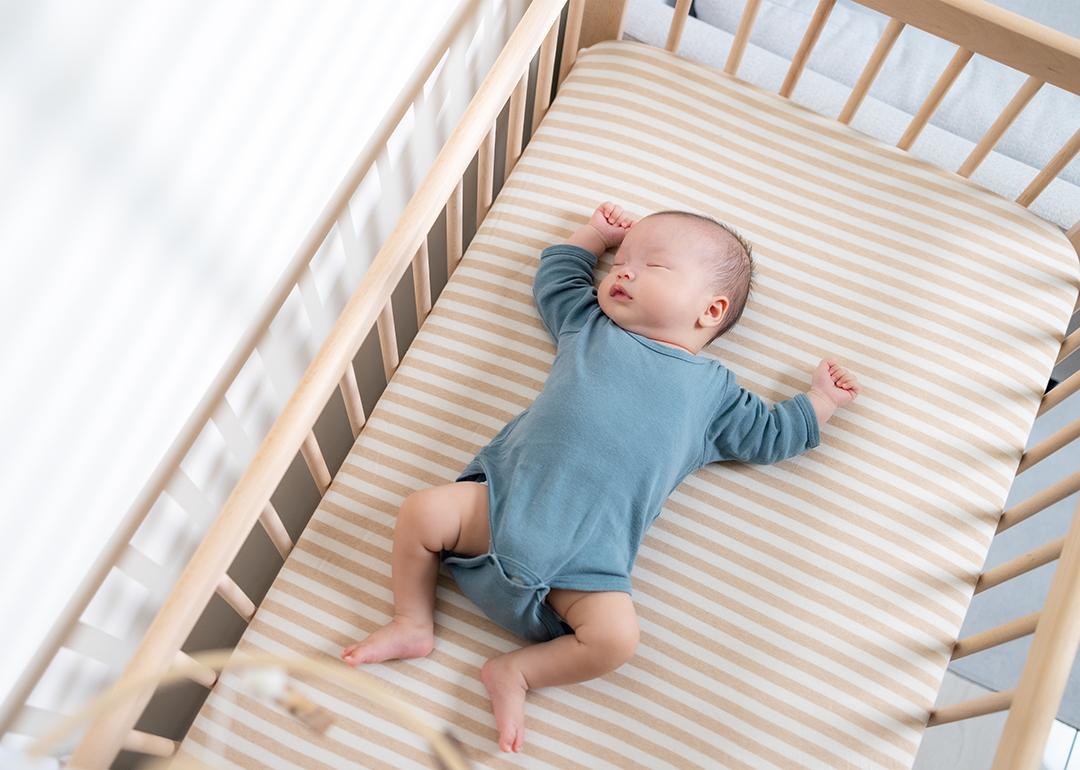
You might think putting your baby on their tummy is safer in case they spit up, but here’s the truth: Babies are actually better able to clear spit-up when on their backs. If they’re face-down, spit-up can block their airway. for every nap and nighttime sleep until your baby is strong enough to roll on their own.
2. Use a Firm, Flat Sleep Surface
Your baby should sleep in a safety-approved crib, or portable play yard with a and fitted sheet. Avoid car seats, swings, couches or adult beds for sleep – these surfaces can put your baby in a dangerous position where they can’t breathe properly.
3. Keep the Crib Clear
We get it. Cute blankets, pillows and stuffed animals feel comforting, especially when you’re trying to make the nursery cozy. But here’s the thing: Babies don’t need them, and they can be dangerous.
You might think your baby is too young to move much, but it only takes one wiggle or squirm for them to end up with a blanket over their head, with their face pressed against a pillow or snuggled into a stuffed animal where they can’t breathe. That’s why the safest crib is a simple one: just a firm mattress with a . Your baby’s sleep space should always be clear and uncluttered.
4. Room-Share, Don’t Bed-Share
We know how tempting it is, especially when you’re exhausted, to keep your baby in bed with you. But the safest place for your baby is in their own crib or bassinet, close to your bed. The for at least the first six months of your infant’s life.
Room-sharing makes nighttime care so much easier, especially for nursing parents. Once you’re done feeding, you can gently move your baby back into their safe sleep space right next to you. That way, you get peace of mind knowing your baby is close, while also giving them the safest sleep possible.
5. Be Mindful of Dozing Off With Your Baby
It happens all the time: You’re lying on the couch with your baby on your chest, and you both start to drift off. The problem? Your baby could roll onto the cushions or get pressed against your body, making it hard to breathe. If you feel yourself getting sleepy, immediately place your baby in their crib or bassinet.
6. Keep Baby Comfortable, Not Overheated
Overheating is , so it’s important to pay attention to how warm your baby’s sleep environment is. Babies can’t regulate their body temperature as easily as adults, which means they may become overheated without showing obvious signs. Instead of blankets, dress your baby in a wearable blanket or sleep sack that keeps them warm without the risk of covering their face. A can also help.
The ideal room temperature is one that feels comfortable to a lightly dressed adult, typically .
7. Pacifiers Can Help
Offering a pacifier at nap time and bedtime . Experts believe pacifiers can help by keeping a baby’s airway open and encouraging a lighter stage of sleep, making it easier for them to wake if needed. If your baby is breastfeeding, it’s usually best to wait until feeding is well established (around 3-4 weeks) before introducing a pacifier, to avoid any potential nipple confusion.
If your baby doesn’t want it, that’s okay – never force it. And don’t worry if it falls out once they’re asleep (you don’t need to replace it). For safety, always offer a one-piece pacifier designed for infants, and never attach it with cords, clips or stuffed animals in the crib.
8. Stay Smoke-Free
Smoking around babies is . And it’s not just about the smoke you see.
- Secondhand smoke is what your baby breathes in when someone smokes nearby.
- Thirdhand smoke is the invisible residue that clings to clothes, hair, furniture and even car seats long after a cigarette is put out. Babies can breathe in these or absorb them through their skin.
Both are harmful, and both raise your baby’s risk of breathing problems and SIDS. If someone in your household smokes:
- Make sure they always smoke outside.
- Have them wear a separate “smoking jacket” that they take off before coming inside or holding the baby.
- Wash hands and face before handling the baby after smoking.
These small steps can make a huge difference in protecting your little one.
Remember: Every Sleep Counts
Whether it’s a nap at daycare, a quick snooze at Grandma’s or in their crib at home, practicing infant safe sleep guidelines every single time is what keeps babies safest.
You’re tired, you’re juggling a lot and you’re doing an amazing job. Taking a few extra seconds to set your baby down safely gives both of you the gift of rest – and peace of mind.
was produced by and reviewed and distributed by Â鶹ԭ´´.