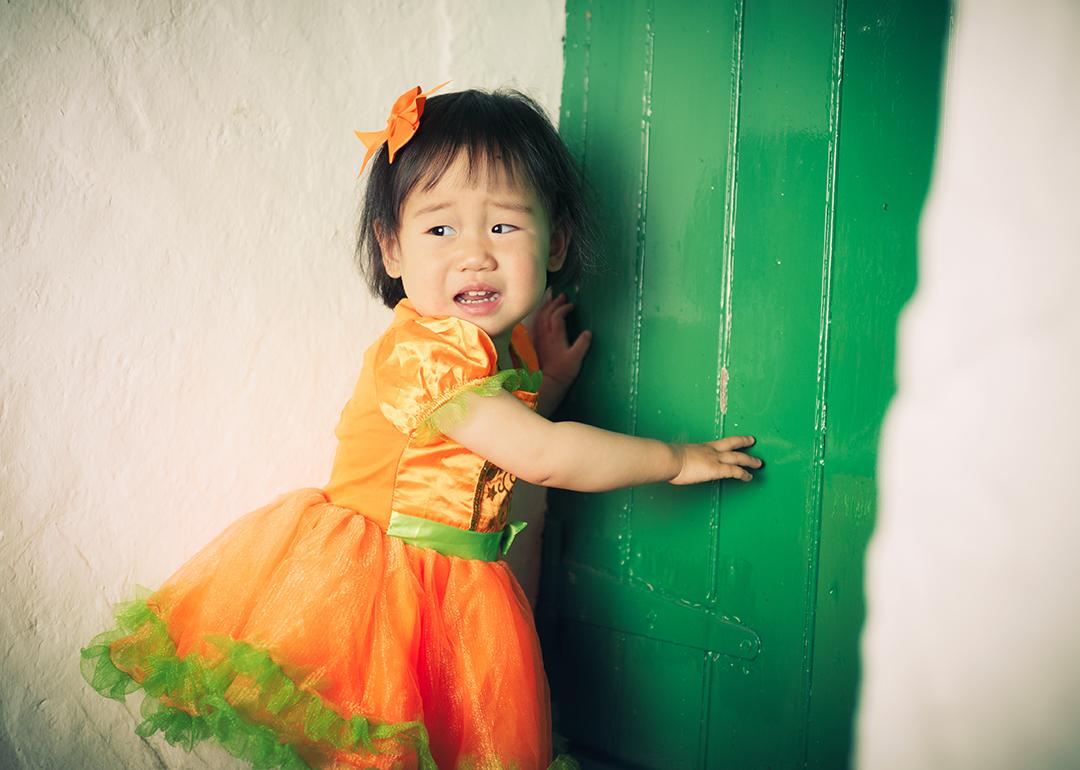
When Halloween is too scary: How parents can help kids cope
When Halloween is too scary: How parents can help kids cope
Halloween is everywhere in October: from front yards lined with skulls, to haunted attractions, to jump scares and crowded events. For some kids, it’s not fun at all. The spooky sights and sounds can feel overwhelming, leading to refusals to go out or sudden meltdowns when they’re confronted with something that feels too frightening.
If you’ve ever had a child cling to your leg at the sight of a fake zombie, you’re not alone. Fear at Halloween is common, and in many cases, it’s a normal stage of child development. But when that fear turns into stress or anxiety, parents often wonder: Should I push my child to face it, or should I shield them completely? The answer usually lies somewhere in between.
We chatted with Vivian Chung Easton, a mental health clinician at , a therapist-enablement technology platform, for ways to make this spooky season safe and fun for the whole family.
Why Halloween Fear Happens
What looks festive to adults can feel terrifying to kids. Younger children, especially between ages three and seven, are still learning to separate pretend from reality. A yard filled with fake blood or a neighbor in a monster mask may feel like genuine danger.
supports this: Developmentally, kids at this age often can’t tell the difference between fantasy and reality in a stressful moment. And with going trick-or-treating, most kids will inevitably come face-to-face with something frightening.
The key is remembering that fear itself isn’t bad. In fact, it’s a protective instinct. The challenge is helping kids learn to manage it without feeling ashamed or pressured.
Recognizing When It’s Too Much
A little bit of fear is expected at Halloween, in fact, sometimes it’s part of the fun. But how do you know when it’s becoming overwhelming?
Look for patterns. Kids who feel truly anxious often refuse to leave the house, complain of stomachaches, or cling to parents. Some develop nightmares leading up to Halloween night. Others act out with anger when they’re too close to a spooky decoration. These behaviors suggest the fear is no longer just a passing reaction: it’s interfering with their ability to participate in the holiday, as well as everyday activities like after-school programs or driving on certain streets.
notes that kids may not always say “I’m scared.” Instead, they might avoid activities altogether or lash out at siblings. As a parent, paying attention to behavior shifts gives you better insight than only listening to their words.
If your child resists trick-or-treating or acts uneasy around certain houses, take it seriously. A simple, open-ended question, like “What about that house feels scary to you?” often reveals more insight into how kids are feeling and why they’re feeling that way. It’s also helpful to share something that scares you, which can validate that it’s ok to feel scared.
Setting Limits Without Shame
A temptation for parents can be to encourage kids to “face their fears” by pushing through. But forcing a child into a haunted house or past a gory display can backfire. Dismissing fear with comments like “It’s not real” may make kids feel ashamed, which only .
Instead, try reframing. Limits aren’t punishments; they’re family choices about what feels safe. If one street has gore and jump scares, skip it and head toward blocks with pumpkins and friendly lights. If your child says no to a haunted house, respect that boundary. Have the conversation with them about what the boundary is specifically (is it not going in a haunted house, but it’s ok to wait outside while siblings go through?).
It can also be helpful to set expectations, provide tactics for them to use if they feel scared, and practice them before the big day. For example, taking a walk by some scary decorations during the daytime, or re-enacting how trick-or-treating works and what to say. When kids know what to expect, it can help take away the element of surprise that can be so frightening.
Additionally, fear of costumed characters (even clowns or mascots) is so common that it has its own term: “maskaphobia.” Most kids grow out of it with time. In the meantime, gentle boundaries can help, including:
- Stick to well-lit, familiar areas
- Avoid houses with especially graphic decorations
- Give kids permission to opt out without judgment
By treating their limits with respect, you give them a sense of control, which in the long run.
Balancing Siblings’ Needs
Halloween often gets complicated when siblings want different experiences. An older child may be begging to go to the scariest house on the block while their younger sibling refuses to leave the driveway.
This tension is quite common. Nearly 89% of parents report their kids join some Halloween activity (Safe Kids Worldwide), but those activities don’t look the same for every child. One may crave thrills, while another needs comfort. There are ways to meet in the middle:
- Split the night. If you have another adult around, one can take the older kids out later for scarier fun, while the other stays home or does quieter activities with younger ones.
- Use family codes. A phrase or hand squeeze can signal, “I need a break,” without embarrassment.
- Create special roles. Kids feeling more anxious can hand out candy, control the playlist, or choose decorations. These roles help them feel included without direct exposure to frightening scenes.
Having the discussion around differing needs helps siblings learn early on what it means to compromise, and understand that each others’ preferences and boundaries are valid and important. Balancing needs isn’t always seamless, but showing kids that everyone’s feelings matter helps reduce conflict and stress, and in the long run, strengthen the bond among siblings as well.
Finding Safe and Fun Alternatives
Not every Halloween celebration has to involve horror. There are plenty of ways for kids to join the fun without being terrified. Many communities now host family-friendly events that focus on costumes and candy rather than scares. Try seeking out:
- Daytime events like school parades, library parties, or community “trunk-or-treats”
- Home activities such as pumpkin decorating, baking themed treats, or making costumes
- Movie nights with age-appropriate films like “It’s the Great Pumpkin, Charlie Brown” or “Room on the Broom”
- Theme-based fun tied to your child’s interests, whether superheroes, animals, or storybook characters
These alternatives allow kids to enjoy the season while still feeling safe and in control.
Enjoy Spooky Season Your Way
Halloween fear is normal, especially for younger kids. What matters is how you, as a parent, respond. By recognizing when fear is too much, having open conversations and validating your child’s feelings, setting thoughtful limits, and finding alternatives, you turn Halloween from a stressor into a safe, enjoyable holiday.
Not every child will love the scary side of October, and that’s okay. The goal isn’t to eliminate fear completely but to help kids learn they can trust you to listen and protect them. And when children feel supported, they’re more likely to grow into confident teens and adults who can handle (and maybe even enjoy) a little fright.
was produced by and reviewed and distributed by Â鶹ԭ´´.