
15 foods to skip if you want to slice your sugar intake
This story originally appeared on Ro and was produced and distributed in partnership with Â鶹ԭ´´ Studio.
15 foods to skip if you want to slice your sugar intake
Sugar consumption has become an epidemic in the United States. As of 2019, the average adult in this country consumed about 20 teaspoons, or 80 grams, of sugar each day, which is well above the upper limit of 12 teaspoons per day (or 10% of total daily calorie intake) for adults.
The thing is, most people aren’t getting all this sugar from explicitly sweet foods like ice cream, cake, or candy. Rather, the sugar is hidden inside unexpected foods like bread, yogurt, or “healthy” snacks. Elevated sugar consumption can lead to long-term, chronic conditions like Type 2 diabetes and heart disease, and can even shorten your lifespan. It’s vital that we get our sugar consumption under control. But how?
compiled a list of the top foods and beverages people cut from their diets to reduce their sugar intake. Using data from a , Ro ranked the top 15 foods that are most commonly cut out to reduce sugar. From dairy substitutes to soft drinks, we take a closer look at these foods to determine how helpful elimination actually is in lowering overall sugar consumption levels.
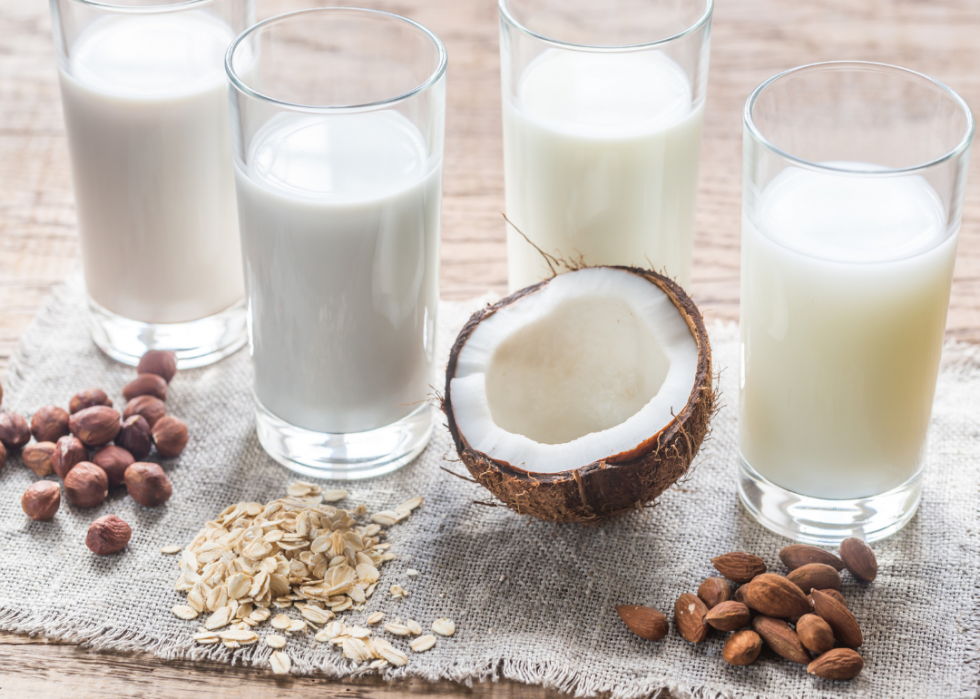
#15. Dairy substitutes
- Share of respondents who eliminated it from their diet: 4.5%
Non-dairy milks have dramatically increased in popularity over the past several years, as a growing number of people look to cut back on the number of animal products they consume or choose to follow an entirely vegan diet. Others simply pick milks made from oats, almonds, or soybeans because they think they’re healthier options. Unfortunately, many people don’t realize these dairy substitutes (and additives) than cow’s milk.
Cow’s milk contains a naturally occurring sugar called lactose, which gives it that slightly sweet taste even when it’s consumed plain. In order to obtain an equally sweet flavor profile, many nut and soy milks add alternative sweeteners like fructose, glucose, or sucrose, which offer no nutritional value but significantly boost the calorie count. Flavored dairy substitutes contain even more sugar than their plain versions. When looking for dairy alternatives, try to opt for milks that contain no added sugar. Reading the ingredients list for any sugar additives can be helpful, too.
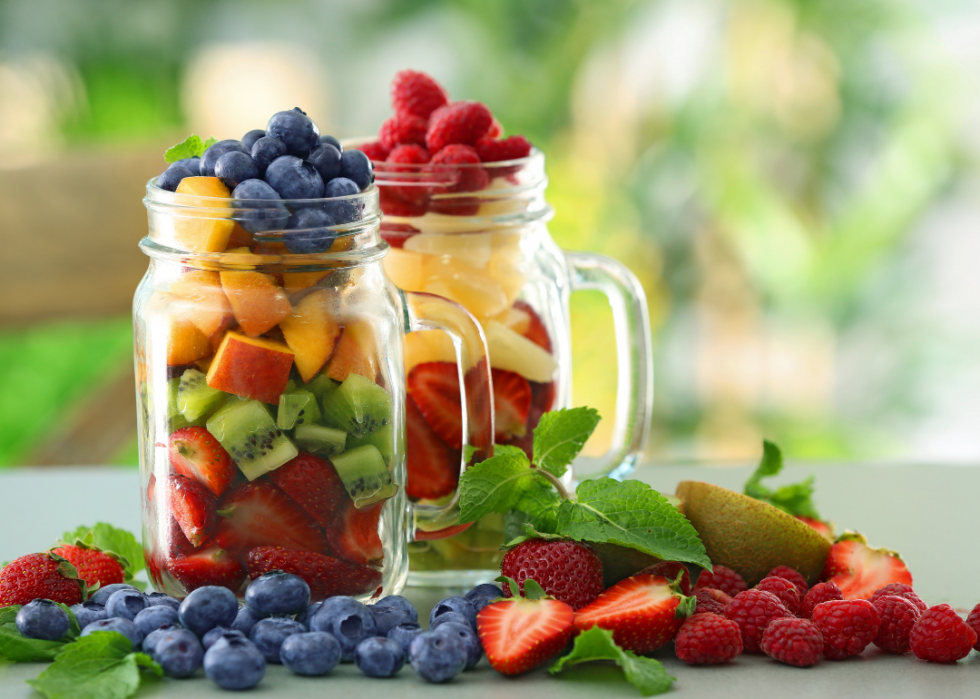
#14. Fruits
- Share of respondents who eliminated it from their diet: 5%
As far as sugars go, the type found in fruit—called fructose—is the least harmful option. A Google search may lead you to believe that you should consider eliminating fruit from your diet completely—thanks to its levels of fructose sugar (which is broken down by the liver and can be damaging in large quantities)—but, in fact, the CDC says that and that we could benefit from eating more, not less, of it.
That being said, . Some fruits, like bananas and mangoes, have particularly high levels of sugar, while others, like strawberries and blackberries, contain much lower levels. Canned or prepackaged fruits typically have added sugars, like sucrose, which can outweigh all the nutritional benefits of the fruit, like the fiber, vitamins, and minerals it contains. Steer clear of dried fruits as your go-to snack since the low water content means they aren’t as filling as their fresh counterparts and the drying process can involve adding extra sugar.

#13. Sauces and condiments
- Share of respondents who eliminated it from their diet: 5%
Unlike more explicitly sugary foods—like candy, cookies, and cakes—condiments aren’t something most of us really consider eliminating when it comes to eating healthier. How much of the sweet stuff could they really contain anyways? .
Barbecue sauce contains about 5 grams of sugar per teaspoon. Honey mustard has about 3 grams per teaspoon. And light or fat-free dressings are among the worst offenders, going up to 6 grams of sugar per 2 teaspoons. When you consider that most folks eat well more than a serving size in a single sitting, the sugar levels add up quickly. When opting to use condiments, double check the ingredients list for added sugars or try to be more mindful about how much you use. Also, keeping olive oil and fresh lemons or vinegar on hand can offer a healthy alternative to processed salad dressings and keep the calorie count down.
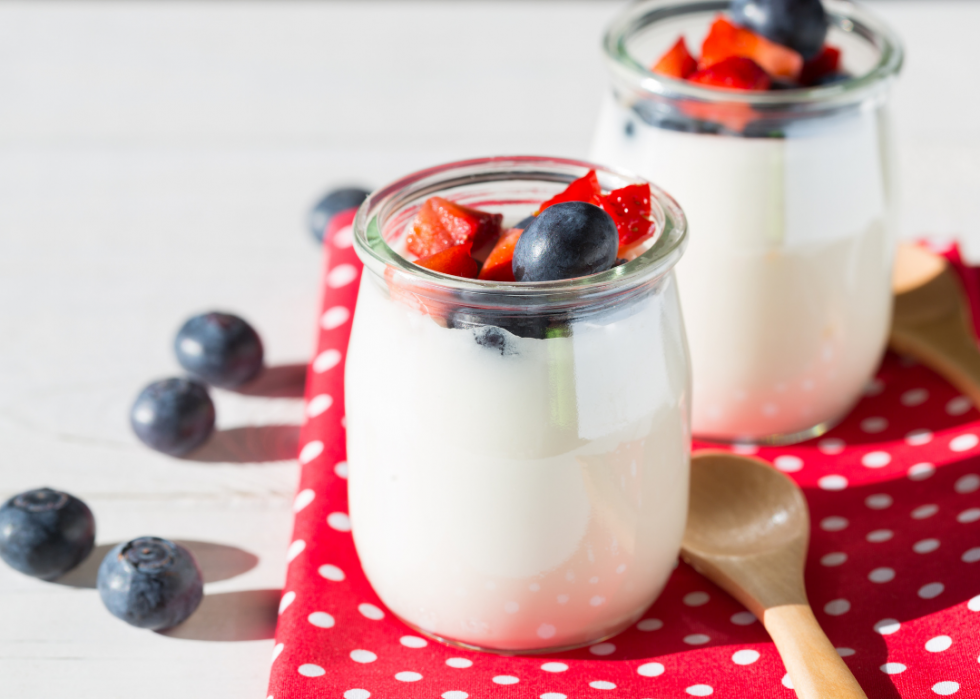
#12. Yogurt
- Share of respondents who eliminated it from their diet: 6.5%
Yogurt is typically marketed as a healthy food, which can make the amount of sugar it contains surprising for many. conducted in the U.K. found that, on average, yogurts have about 10 grams of sugar per each 100-gram serving. This means that the majority of calories found in each carton come from sugar.
Don’t let sugar content convince you that you need to go and throw out all the yogurt in your fridge, though. The dairy snack contains probiotics, protein, calcium, and vitamin B12, which are all essential components of a healthy diet. Additionally, suggest that certain types of probiotics may help those with obesity lose weight. While those studies didn't specifically look at yogurt, it's possible the probiotics in yogurt could help with weight loss.
Just be sure to opt for lower-sugar varieties at the grocery store. Picking a low fat option isn’t always a good choice, since manufacturers often to improve the taste. Instead, you can pick plain, unsweetened yogurt and add fresh fruit, unsweetened coconut flakes, cinnamon powder, or some tree nuts to get that same satisfying treat with fewer calories.
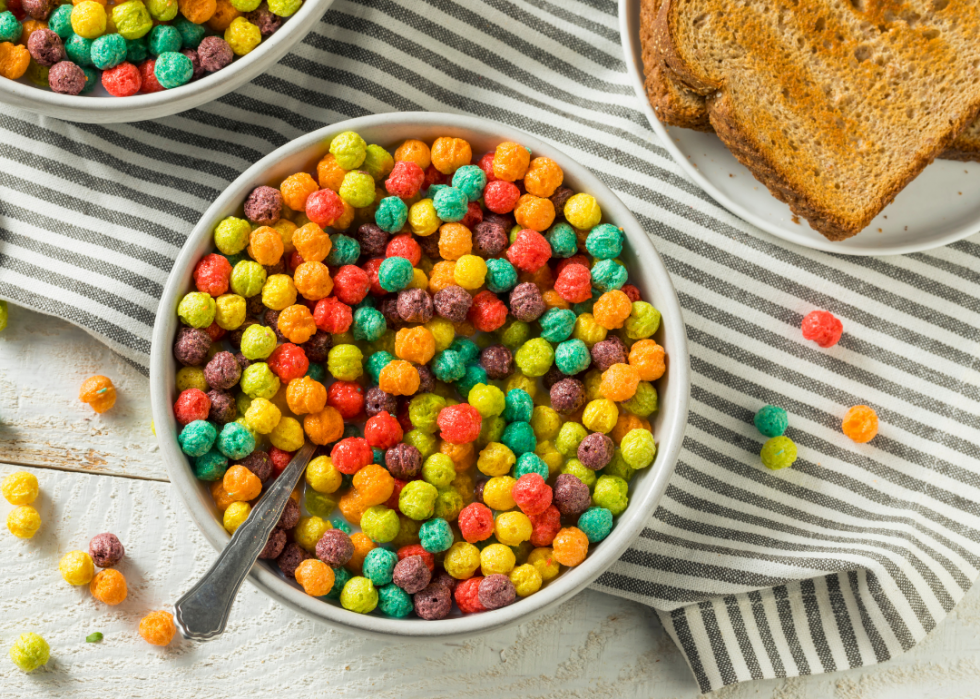
#11. Breakfast cereal
- Share of respondents who eliminated it from their diet: 6.5%
A breakfast staple, most of us have eaten more bowls of cereal than we could reasonably count. While we’re all aware that some versions of the quick breakfast are better than others—like a “healthy” cereal vs. those loaded with sugar—many folks would still likely be surprised to find out how much sugar their favorite cereals actually contain. Case in point: that the average box of cereal contains 19.8 grams of sugar per 100-gram serving (a “healthy” cereal should have less than 10 grams).
Next time you’re perusing your options, look for cereals that are , as they will often have less sugar than their counterparts.
#10. Fruit juice
- Share of respondents who eliminated it from their diet: 10%
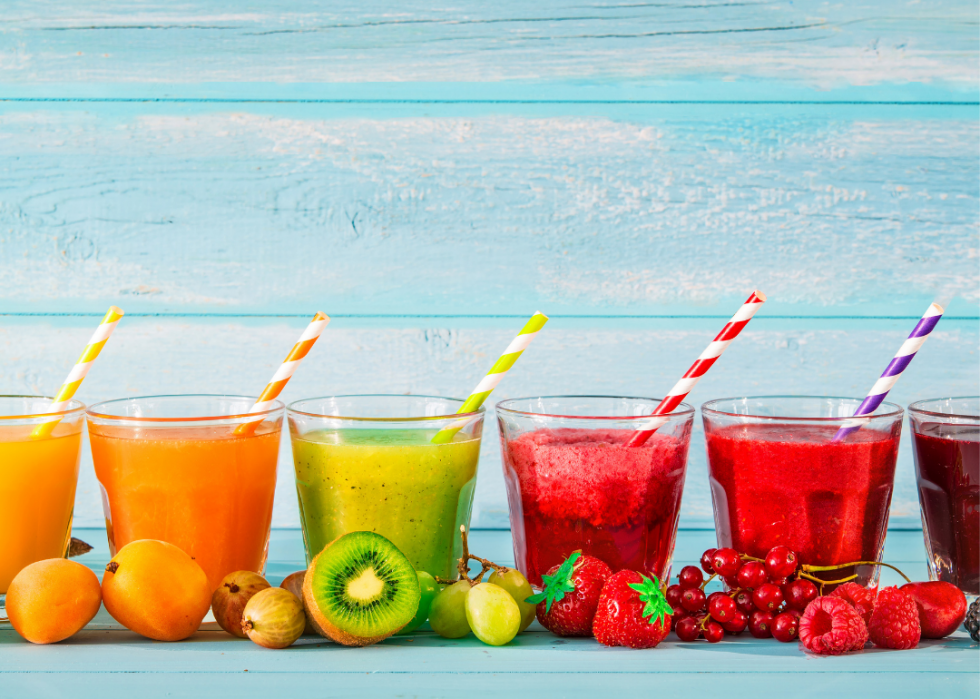
While whole fruit is a part of a healthy diet, fruit juices, unfortunately, are not. On average, a serving of fruit juice or the equivalent of 8 teaspoons. Even worse, most juices have less or none of the most nutritious parts of the fruit—the skin and pulp—which contain the fiber and vitamins our bodies need.
On top of that, fruit juices are high in calories. This leads many experts to believe they are a , as folks aren’t conscious of the number of liquid calories they’re consuming and therefore don’t compensate for them by consuming fewer calories from solid foods. When looking for alternatives to wean off of juice, consider iced teas or coffees without the sugar, or—for a bit of a fun flair—give flavored sparkling water a try.
#9. Energy drinks
- Share of respondents who eliminated it from their diet: 12%
Many people count on canned energy drinks to keep them going throughout long and busy days. While the caffeine levels may keep their minds sharp, the sugar levels found in the drinks could be wreaking havoc on their bodies. that after water, sugar is the second main ingredient in popular energy drinks. On average, there are 41 grams of the sweet stuff in each 12-ounce serving.
Making matters worse, the FDA doesn’t regulate energy drinks, choosing instead to classify them as a supplement, allowing them to deviate from the normal caffeine limits on products like soft drinks. The levels of caffeine in energy drinks can contribute to other including dehydration and even ramp up underlying anxiety or raise your blood pressure in the short term. Instead of energy drinks, hot or iced unsweetened coffees and teas can provide an alternative source of caffeine without the sugar. Skip the pre-packaged options and opt for homemade when possible to avoid extra sugar.
#8. Sweet snacks
- Share of respondents who eliminated it from their diet: 14.5%
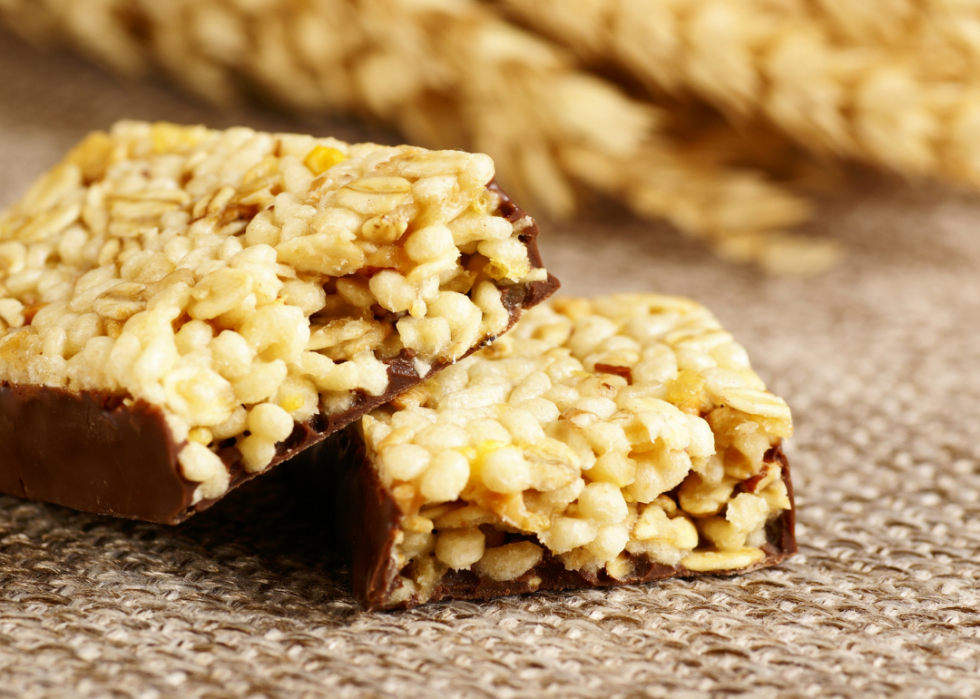
There are a number of snack foods on grocery store shelves that market themselves as healthy but are actually sneaky sugar bombs. Granola bars and trail mix are examples of some of the worst offenders.
These sweet snacks are often highly processed as well. They contain ingredients like vegetable oil, preservatives, and artificial flavors, which can wreak havoc on your digestive system. Still, there are . Making homemade granola bars is another option since it's easy to control exactly how much sugar goes into each snack.
#7. Bread
- Share of respondents who eliminated it from their diet: 14.5%
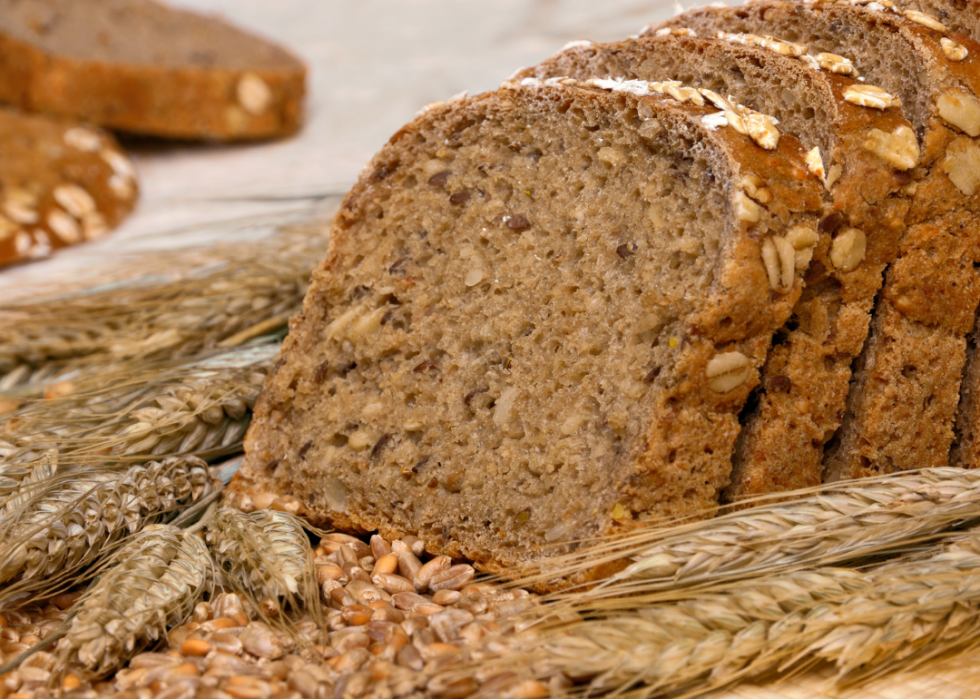
Sugar plays , providing food for the yeast that causes the bread to rise. However, many brands add far more sugar than necessary to their recipes in an effort to increase the flavor profile and keep it shelf-stable for longer. This means that, in some cases, two slices of bread can than some of your favorite sweets.
For example, eating two pieces of cinnamon-raisin potato bread means consuming 14 grams of sugar, or the equivalent of a bubblegum lollipop. And one serving of oatmeal bread has 8 grams of sugar, the equivalent of one peanut butter cup. If you’re going to have that toast for breakfast or sandwich for lunch, look for whole wheat or sprouted bread, which usually contain fewer added sugars and preservatives.

#6. Sweetened teas and coffees
- Share of respondents who eliminated it from their diet: 19.5%
Sweet tea is a cornerstone of a Southern diet and the perfect pick-me-up on a hot summer day. Unfortunately, as the name implies, it also contains massive amounts of sugar. that a gallon of homemade sweet tea has, at minimum, 1 full cup of sugar. This means that each 16-ounce glass is loaded with 25 grams.
Switching to unsweetened options leads to benefits beyond just less sugar consumption. Specifically, plain tea has higher levels of antioxidants that act as anti-inflammatories and decreases levels of periodontal bacteria.
#5. Juice-flavored drinks
- Share of respondents who eliminated it from their diet: 20%
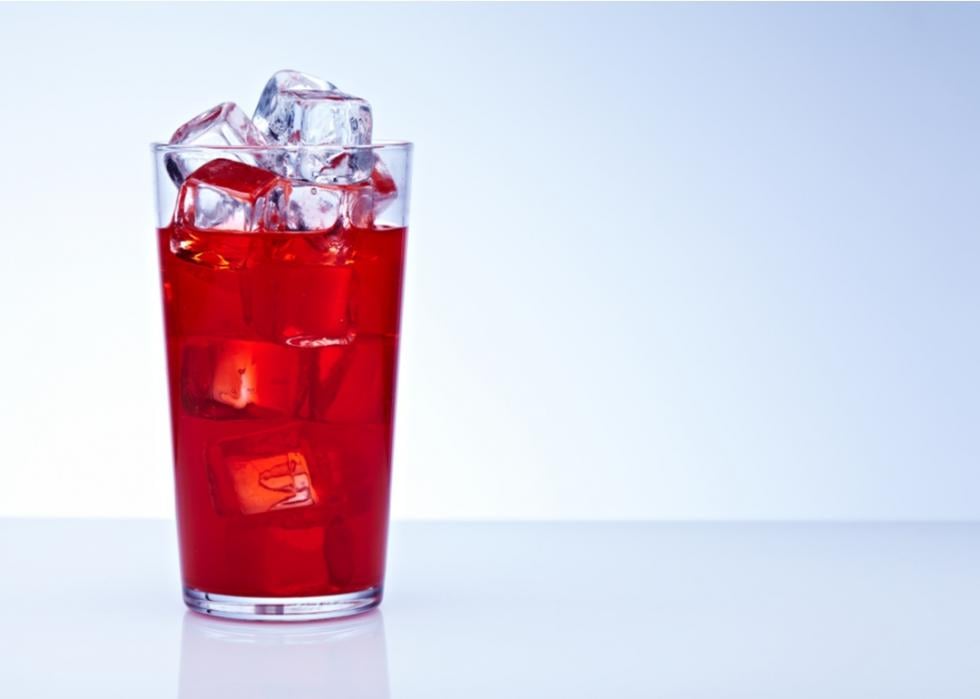
A childhood staple, juice-flavored drinks, like fruit punch, as an alternative to beer. Chock full of sugar from the beginning, these beverages have only increased in sweetness over the intervening centuries. In the 2020s, an 8-ounce glass of fruit punch contains .
Perhaps unsurprisingly, juice-flavored drinks . One of the most popular fruit punch drinks is only —the rest is water and high fructose corn syrup (a particularly problematic form of sugar). Kids should stick with water. Spice it up on special occasions with a squeeze of fresh orange, but avoiding sugary drinks early in life can create good habits that last for years.

#4. Frozen desserts
- Share of respondents who eliminated it from their diet: 25%
Rare is the person who doesn’t enjoy a scoop of ice cream on a hot summer afternoon or after an emotionally devastating day. While many of us aren’t deluded enough to think that the frozen treat is actually healthy for us, we also probably aren’t aware of just how much sugar that single scoop actually contains. So here it goes: most brands pack around 14 grams of sugar in a half-cup serving. And we all know none of us are stopping at a single serving.
In spite of its high sugar content, ice cream can still fit into a healthy diet when eaten in moderation. Especially if you’re picking up low-sugar pints.

#3. Baked goods (cookies, cakes, pastries)
- Share of respondents who eliminated it from their diet: 35.5%
In 2020, reported eating store-bought or pre-packaged cookies, making baked goods one of the country’s favorite indulgences. Like with ice cream, we all know that cookies, cakes, and other pastries should be consumed in moderation, since they contain quite a bit of sugar. But just how much sugar are we talking?
Pre-packaged sugar cookies contain about per ounce. One popular brand has , which is three cookies. Eating any one of these would likely cause you to surpass the CDC’s guidelines for added sugar consumption.
#2. Candy
- Share of respondents who eliminated it from their diet: 49%
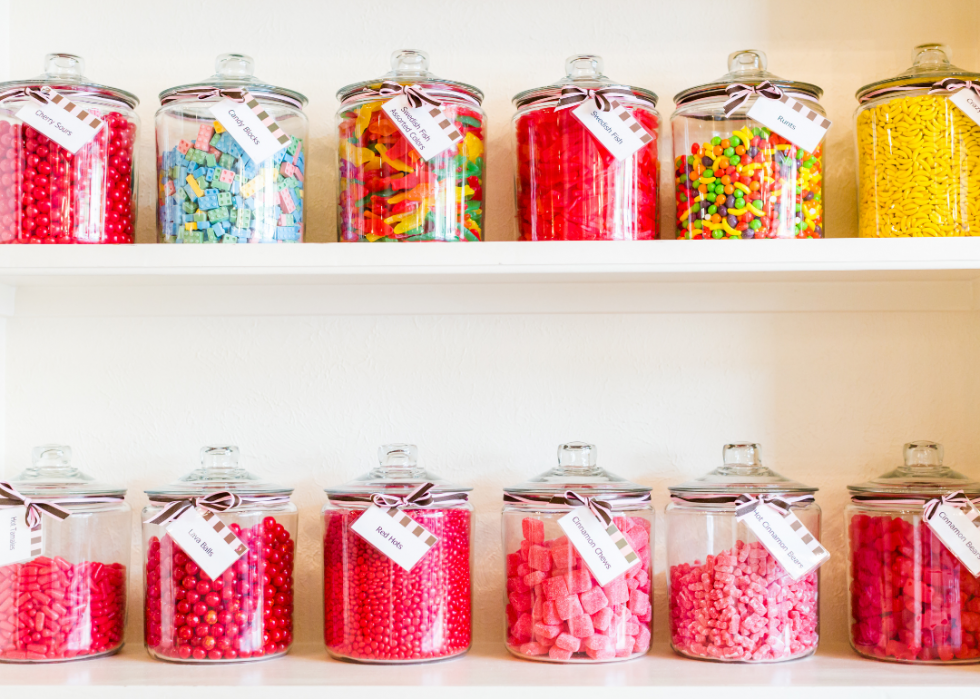
A piece of candy delivers almost . Whether it’s a chocolate bar or a sour gummy worm, candies are full of empty calories, artificial colors and flavors, massive amounts of sugar, and troubling levels of saturated fats. You’d be better off eating almost anything else on our list, even dried fruits or flavored yogurts.
But if a bite or two of candy is what you need to satisfy your sweet tooth and stay on track with your nutrition plan, there are sensible ways to do it. For example, is full of disease-fighting antioxidants, which means that when it’s eaten in moderation, it’s a better option than, say, gummy worms. Steer clear of low sugar options that contain sugar alternatives like aspartame and maltitol. While they might trick your brain into thinking you’re eating the real deal, they can cause all kinds of unfortunate problems down the line.

#1. Soft drinks
- Share of respondents who eliminated it from their diet: 51.5%
Soft drinks are the single largest source of sugar and added calories in the American diet, . The average American drinks each year. The calories in these gallons of soda come almost entirely from added sugar, which reach as high as, depending on the type and brand.
The same Harvard University study reported that drinking one soft drink a day, and not cutting calories elsewhere, could lead you to gain up to 5 pounds per year. It would also drastically increase your risk of Type 2 diabetes, heart disease, and premature death. So whether or not sugar is your primary dietary concern, there is a lot to gain from cutting sodas from your diet completely. Flavored sparkling waters are a good alternative to consider when trying to cut back on soda consumption. Putting slices of fresh fruit—such as lemons and strawberries—in water can be another satisfying option.