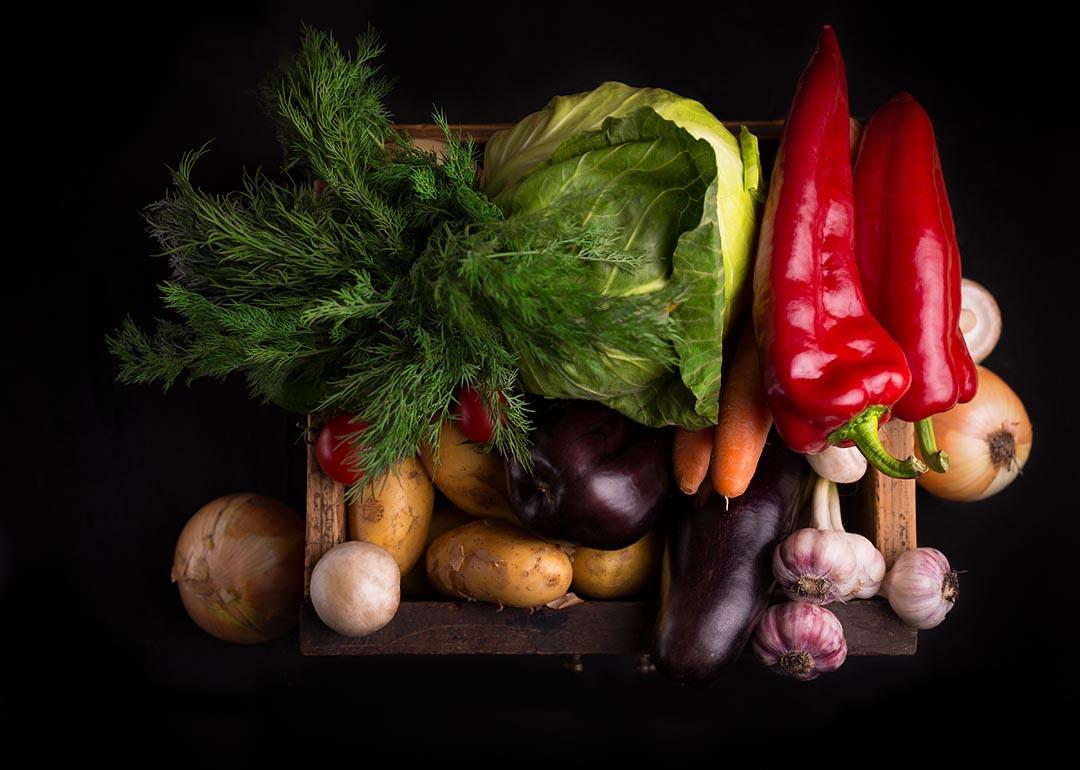
What to eat to save the planet
It’s impossible to solve climate change without fixing the . Between for farmland, the methane in , and fuming from fertilizer and animal waste, the food system is nearly with electricity as the most climate-polluting sector in the world.
That shouldn’t be surprising given the scale at which food has shaped our planet. is used for agriculture—most of that for livestock—and of all greenhouse gas emissions can be attributed, directly or indirectly, to food. Mitigating food’s climate impact should be near the top of any package of climate solutions, yet it rarely receives the limelight that other issues, such as renewable energy, are awarded.
For those of us who are fortunate enough to have affordable options, we make every day in deciding what to eat, where to shop, and whether to toss leftovers in the garbage. Individual actions may seem inconsequential compared with the planetary scale of climate change, but according to the climate solutions group Project Drawdown, individual actions can account for of the emissions reductions needed to avoid 1.5 degrees Celsius of warming—and changes to our eating practices are the most powerful and immediate climate actions we can take.
If you want to remove some of the greenhouse gases from your diet, shares some tips to help you get started.
How does the food system contribute to the emission of greenhouse gases?
Our food system is complicit in driving climate change in part because of the greenhouse gas emissions it releases. In short, the output is enormous. Meat and dairy account for around 14.5% of all global greenhouse gas emissions, .
The main culprit is deforestation, particularly in tropical regions, where forests are cleared to grow crops like soybeans for animal feed, to create grazing land for cattle, and to establish oil palm plantations. Deforestation is an urgent climate justice issue within the food system, not least because of the carbon dioxide it releases (which, according to Project Drawdown, accounts for about ), but also because it’s displacing Indigenous communities who have been stewarding their ancestral lands for generations.
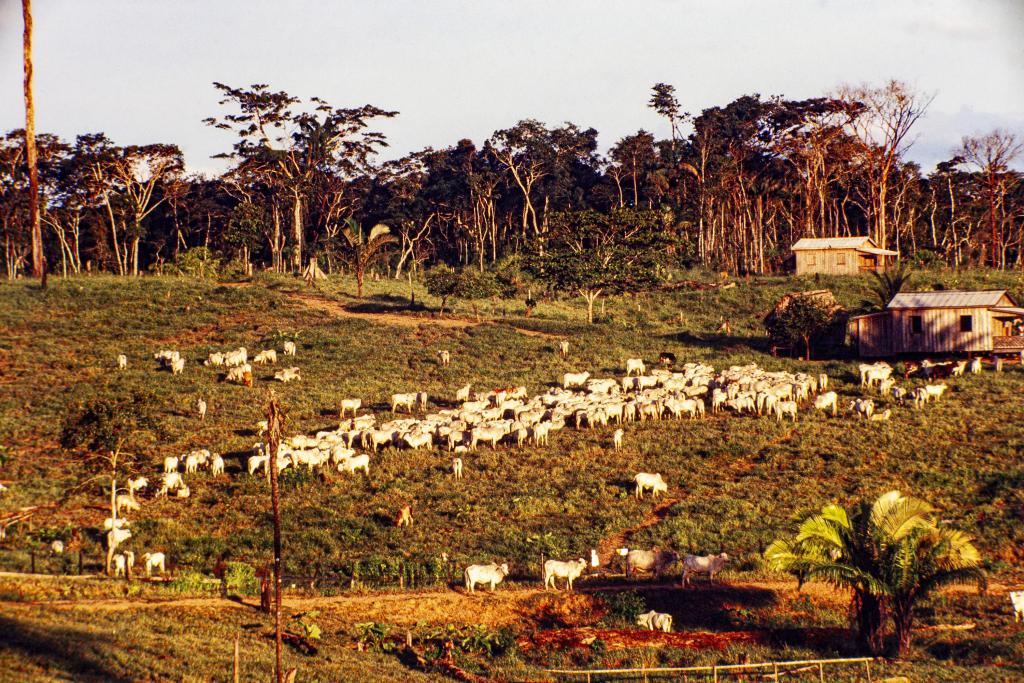
The food system is nearly tied with electricity as the most climate-polluting sector in the world.
Farms are also sources of , a potent greenhouse gas which has a much higher global warming potential than CO2, and which . The primary drivers are the burps of cattle and sheep, manure management, rice paddies, and biomass burning. Farming practices can also emit nitrous oxide, which accounts for around 16.7% of food-related greenhouse gases, and which is mainly produced from manure left on pastures and the overuse of nitrogen-based fertilizers.
What foods have the biggest carbon footprint?
Foods with the highest carbon footprint are animal-based products. In addition to animals being greenhouse gas sources themselves, animals indirectly increase emissions because they require lots of food. A large portion of global crop production is dedicated to feeding livestock—. That means large swathes of land, which would otherwise be carbon sinks, are cleared to grow animal feed.
Beef production is the most climate-polluting of all meat, emitting . The high carbon footprint comes down to the large amounts of cow feed required, methane emissions from cattle, and deforestation for cattle grazing purposes, which is driving human rights abuses, too. , cows might be, pound-for-pound, the most climate-polluting substance most of us will encounter in our lifetimes.
Though it may come as a surprise, prawns are included in the list of other high-impact foods alongside lamb, cheese, and certain plant-based products like coffee and dark chocolate.
The carbon footprint of just 100 grams of farmed prawns can be . This is because many prawn farms have been established by destroying ecosystems like coastal mangrove forests and wetlands, harming what were formerly biodiverse, carbon-sequestering ecosystems. The problem with lamb and cheese production is that they involve ruminant animals that produce large amounts of methane through digestion, whereas coffee and dark chocolate have high emissions due to deforestation and land use changes.
It’s clear that stricter regulation and industry-wide change need to come into effect to mitigate the climate implications of our food, but—on a personal level—there are also things we can do to minimize the carbon footprint of what we eat. For instance, eating “” meat can reduce the climate impact of your groceries, while minimizing food waste by planning meals and using leftovers can also make a difference on a local level. But more on that later.
What foods have the lowest greenhouse gas emissions?
The good news is that there are lots of foods that, if prioritized, can reduce our current output of greenhouse gas emissions.
On the whole, fruits, vegetables, grains, and legumes have a much lower emissions output. Specifically, fruits ; vegetables ; and nuts . That’s not much when compared to a meat like lamb, which . This means that something as simple as adopting a plant-based diet can by up to 2.1 tons.
We also don’t have to give up on meat flavors altogether. In fact, plant-based meat alternatives, such as those produced by Beyond Meat and Impossible Foods, have approximately offering a more sustainable and familiar option for people looking to give up meat. Studies show that you might even of these meat mimics compared to the animal option.
Incorporating insects into the diet is another effective way to reduce greenhouse gas emissions. Edible insects per kilogram than cattle—and they’ve also been hailed as a great meat alternative because most insects are rich in proteins, healthy fats, vitamins, and minerals.
How can your food choices help combat climate change?
There are countless options for people looking to decarbonize their diets.
Adopting an entirely plant-based, vegan diet is the most obvious step towards reducing the negative environmental impact of our food. In fact, the Intergovernmental Panel on Climate Change reports that a global shift to veganism could save nearly 8 billion tonnes of CO2 equivalent (CO2e) annually by 2050.
While vegan diets offer the greatest potential for reducing greenhouse gas emissions, other diets can also contribute to climate change mitigation. A vegetarian diet, which includes grains, vegetables, fruits, dairy, eggs, could compared to a meat-intensive diet.
Other options include flexitarian and Mediterranean diets, both of which encourage reducing meat intake and in favor of plant-based foods. A flexitarian diet replaces a substantial percentage of meat and dairy with cereals, pulses, and plant-based proteins, while the Mediterranean diet emphasizes vegetables, fruits, grains, seafood, and moderate animal product consumption. Not only can these save gigatons of CO2, they are also largely “healthy” and could if adopted worldwide.
Something as simple as adopting a plant-based diet can reduce a person’s annual carbon footprint by up to 2.1 tons.
Pescatarian diets, which are primarily vegetarian but include seafood, also reduce emissions compared to diets high in red meat—though how effective the diet is depends on the kinds of seafood a person eats. For best results, experts advise to , all of which have a high carbon footprint, prioritizing instead and small pelagics like sardines or anchovies. There’s also the “climate carnivore” diet, which replaces 75% of red meat with other meats, which can lower the emissions of a person’s food intake if beef and lamb are avoided.
In addition to meat choices, the type of milk we consume can significantly impact greenhouse gas emissions and environmental sustainability. Cow’s milk has a than plant-based alternatives. It produces about three times more greenhouse gas emissions, requires around 10 times more land, and uses two to 20 times more freshwater compared to plant-based milks.
Does eating local food reduce climate impact?
Climate advocates frequently recommend eating local foods to reduce climate impact. The logic is simple—buying food that has to travel a shorter distance to make it to market should reduce the carbon footprint of your diet. However, for most ingredients, transport makes a relatively small share of the food system’s carbon footprint. The most robust analysis so far, in 2018, analyzed the climate impact of food from over 38,000 farms in 119 countries. It found that for most ingredients, transport accounts for less than 10% of total emissions. Therefore, shopping locally has a impact on total greenhouse gas emissions from food. It’s worth noting, however, that crops grown far away require more plastics to keep them fresh as they travel—a between food waste and plastic consumption.
There is a small group of produce products for which buying locally can be more impactful: those that are air-freighted. However, these represent a mere of our groceries, and it’s very difficult to determine whether the items in your cart were transported by air. One is that ingredients that can remain fresh for a few weeks will travel by ship: apples, oranges, and bananas, for example. Quick-to-perish foods like strawberries, raspberries, blueberries, asparagus, and green beans are more likely to be flown, especially if they were grown on another continent.
What is regenerative agriculture and can it reduce greenhouse gas emissions?
Regenerative agriculture is more of a philosophy than a specific practice. The general principle is to work with nature to reduce the climate and environmental impacts of farming, for example by increasing the organic matter in the soil. It’s founded on the idea that all aspects of agriculture are connected—a concept with .
Farming methods like compost application, cover crops, crop rotation, green manure, no-till or reduced tillage, and organic production can lock a modest amount of carbon in the soil. According to Project Drawdown, regenerative crop farming has the potential to reduce greenhouse gas emissions by .
Regenerative livestock grazing—for example, raising grass-fed cattle while accumulating organic matter (and carbon dioxide) in the soil—has similar effects. It’s not clear how much carbon dioxide can be captured this way, but estimates top off between in total.
These practices can play a role in a portfolio of climate solutions, but their potential may be capped. That’s because soils are limited in how much carbon they can store, the rate at which they take in carbon slows over time, carbon storage may not be very permanent, and regenerative practices tend to require more land, putting natural ecosystems at risk.
Regenerative agriculture is no silver bullet, and many that it should be considered a complement to more effective actions, such as protecting natural lands from deforestation.
What systemic changes are needed to fix the food system?
Although individual choices in our diets can have a meaningful climate impact, they won’t solve climate change alone. We need systemic changes to revamp where, how, and what we farm.
Preventing tropical deforestation is one of the best ways to improve the food system. That means producing less beef, soy, palm oil, and other deforestation-linked ingredients, as well as working with local and Indigenous stewards to protect forests from Big Agriculture. You can support groups, like , that are working closely with rainforest communities to protect these tropical habitats and the people who call them home.
Farms can employ more sustainable practices, too. They can prevent fertilizer overuse, manage the soil to prevent it from degrading and releasing carbon dioxide, and use climate-friendly techniques to grow high-emission staples like .
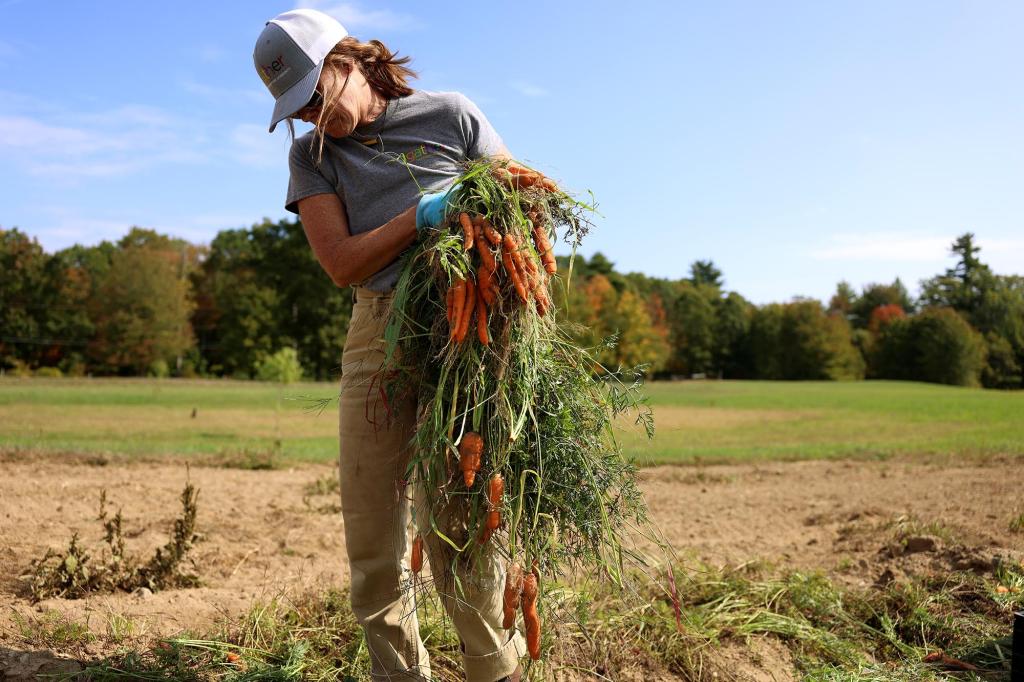
After ingredients are harvested, the food system can minimize at every stage of the supply chain. According to Project Drawdown, wasted food accounts for of our global annual emissions. Globally, 40% to 50% of fruits and vegetables, 35% of fish, and 20% of meat go to waste, .
While households are the for food to be discarded, 63% of food waste occurs elsewhere, including farms and manufacturing plants. Efforts to repurpose rejected food items, engineer less wasteful manufacturing processes, incentivize donations of surplus ingredients, and improve storage protocols could go a long way in ensuring more of our food goes to good use.
Each of us can play a role in creating demand for these systemic changes, whether that’s at the ballot box, at the market, or in the kitchen. Perhaps the most important thing you can do as an individual is, as climate activist and writer Bill McKibben puts it, be . Instead, be a node in a social network, a piece of a larger movement. Maybe you can serve plant-based meat at a dinner party, teach a friend a not-so-fun fact about cow burps, or even convince a family member to try out a more climate-friendly diet. Especially when it comes to food—an inherently social and cultural experience—your actions can ripple further than you think.
was produced by and reviewed and distributed by Â鶹ԭ´´.