A look at state Supreme Court elections
The Supreme Court of the United States has received attention from around the world in recent weeks with its seismic decision to overturn both Roe v. Wade, the landmark 1973 decision that protected reproductive rights and guaranteed the right to abortion, and Planned Parenthood v. Casey, which had previously reinforced the Roe verdict.
But while the actions of the federal Supreme Court are monopolizing judicial coverage in the national media, the decisions of state Supreme Courts should not be overlooked, as they often have a big impact on the lives of their citizens. The issue of abortion is now left to be decided by the respective states.
Elections for state Supreme Courts can have widespread ramifications on the application of federal mandates and decisions that affect the rights and privileges of not only those living in a given state, but potentially all Americans, as state rulings can reverse or supersede one another. The political makeup of some courts reflects the political leanings of their state, while others trend in surprisingly different directions, with conservative states having liberal courts and vice versa.
With a spate of upcoming elections, the balance of some state court makeups might tip, and with issues such as abortion, climate change, and electoral policy and procedure, this could impact the lives of Americans for decades to come.
麻豆原创 ranked the states with Supreme Court elections this year by partisan leanings of their respective supreme courts using campaign finance and identified of the open seats in each race. Partisan lean was established by analyzing campaign finance data where available, both as donations to the judges' campaigns and donations made by the judges. Contributions were analyzed for persons from 1979 through 2012. Some seats are filled by appointment, others by the legislature, and others by election.
We also took a look at some of the most important rulings the courts have made in recent years, reflecting topics likely to be at stake in each state as the next round of elections gets underway. Continue reading for a look at the Supreme Courts of each state, and what issues will animate the court as its makeup changes鈥攐r not鈥攊n upcoming elections.
New Mexico
- Open seats: 3 (out of 5 total)
- Next general election for justices: partisan/retention, on Nov. 8, 2022
- Historic court partisan lean: very strong liberal
- Statewide 2020 Biden margin: 10.8% (Dem. shift from 2016: +2.6 points)
New Mexico is a historically liberal state, and its Supreme Court is no exception. One recent example of the court鈥檚 liberal slant took place with a dispute regarding the 2020 presidential election. a Republican county commission to certify the results of the election, which former President Donald Trump claimed had been fraudulent after the commission refused to do so.
Oregon
- Open seats: 1 (out of 7 total)
- Next general election for justices: nonpartisan, on Nov. 8, 2022
- Historic court partisan lean: very strong liberal
- Statewide 2020 Biden margin: 16.1% (Dem. shift from 2016: +5.1 points)
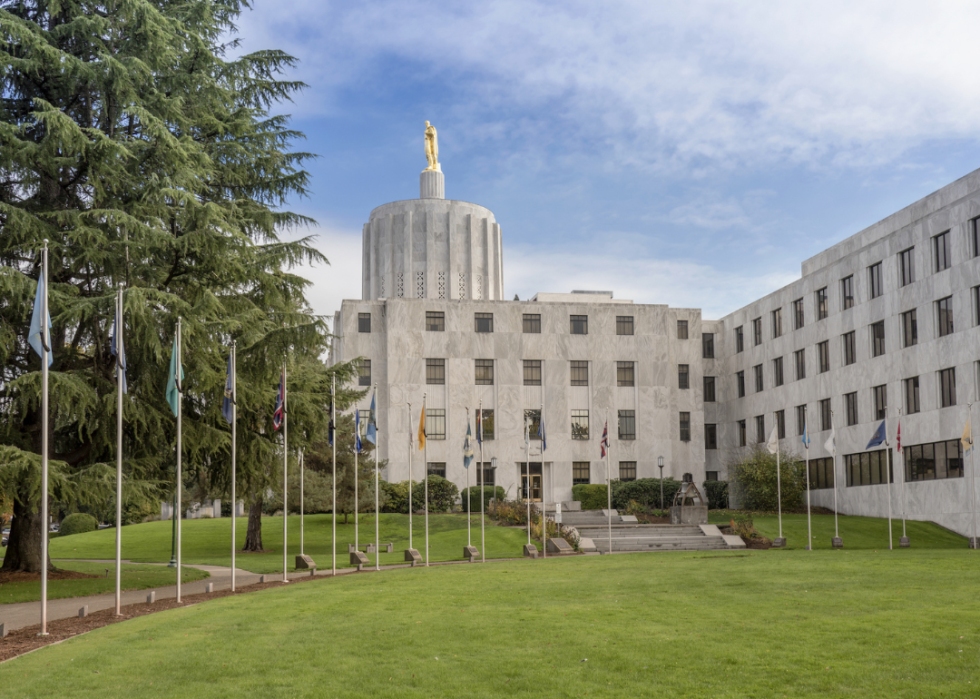
Oregon is one of the most liberal states in the country, and its recent Supreme Court decisions reflect this progressive bent. In one such case, that private companies operating within the state鈥檚 jails had to abide by federal anti-discrimination laws, which was seen as a victory for civil rights groups and disability advocates.
Washington
- Open seats: 3 (out of 9 total)
- Next general election for justices: nonpartisan, on Nov. 8, 2022
- Historic court partisan lean: strong liberal
- Statewide 2020 Biden margin: 19.2% (Dem. shift from 2016: +3.5 points)
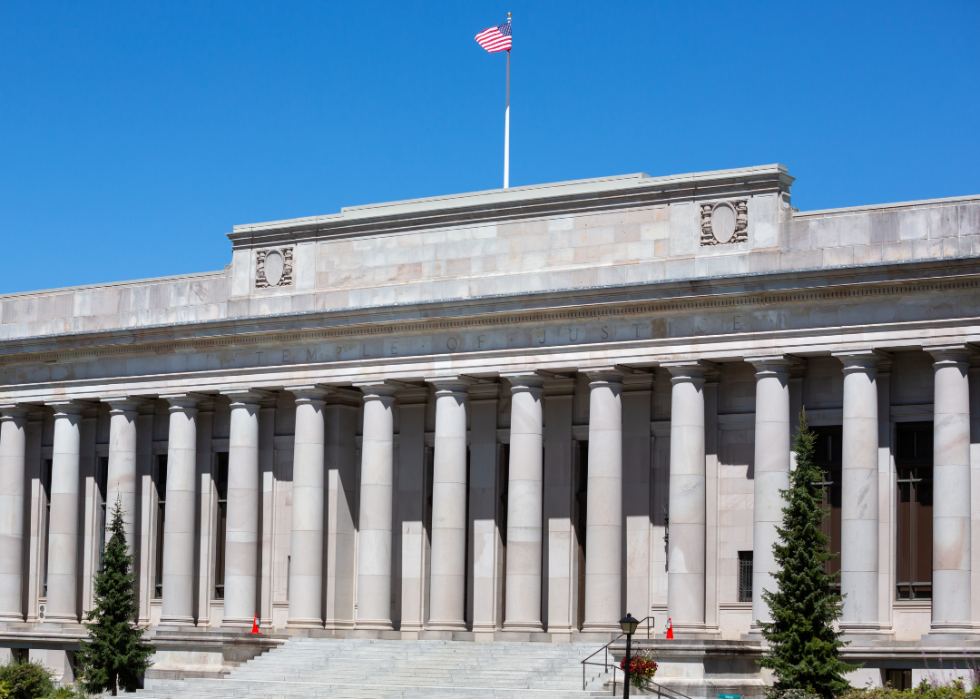
Washington is another strongly liberal state, with a Supreme Court that has advanced historically progressive priorities. A recent example of such a case came in the ruling over housing and evictions on tribal land. The that evictions had to be halted on Nooksack tribal land, handing a win to housing rights advocates.
Montana
- Open seats: 2 (out of 7 total)
- Next general election for justices: nonpartisan, on Nov. 8, 2022
- Historic court partisan lean: strong liberal
- Statewide 2020 Trump margin: 16.4% (Dem. shift from 2016: +4.1 points)
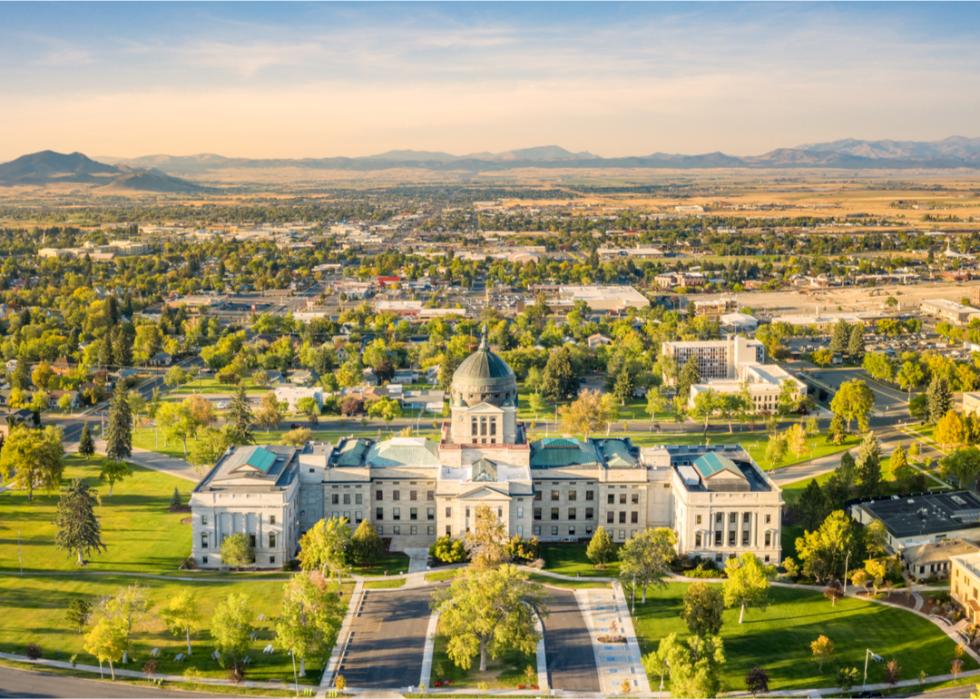
Despite having voted for Donald Trump in the most recent election by a healthy margin, Montana tends to have a liberal Supreme Court. That will be given the U.S. Supreme Court鈥檚 recent reversal of Roe v. Wade. The state鈥檚 attorney general has asked the court to reconsider Montana鈥檚 abortion laws in the wake of the overturning of Roe.
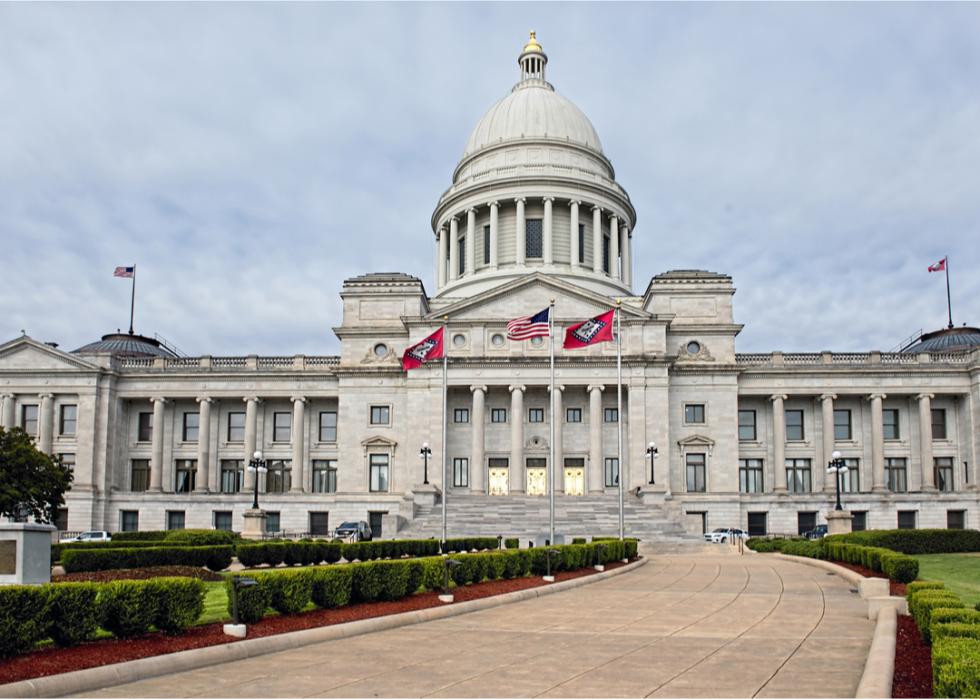
Arkansas
- Open seats: 3 (out of 7 total)
- Next general election for justices: nonpartisan, on May 24, 2022; runoff scheduled for Nov. 8, 2022
- Historic court partisan lean: moderate liberal
- Statewide 2020 Trump margin: 27.6% (Dem. shift from 2016: -0.7 points)
Just because Arkansas' Supreme Court leans historically liberal doesn't mean that abortion rights will be safe in the state. In the aftermath of Dobbs v. Jackson Women's Health Organization, the state's attorney general has to abortions in the state. And many local political watchers in the state do not view the Supreme Court as friendly to abortion currently, making it unlikely the court would step in to protect the right to choose.
The May 24 election in the election of two nonpartisan justices and the need for a runoff election for a third open seat, which will take place on Nov. 8.
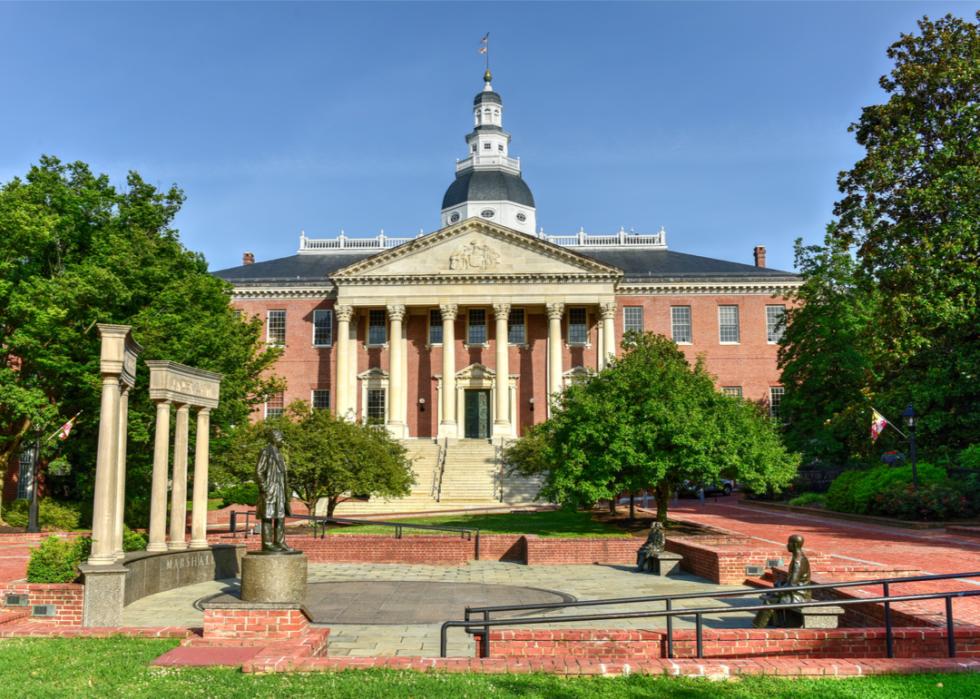
Maryland
- Open seats: 1 (out of 7 total)
- Next general election for justices: retention, on Nov. 8, 2022
- Historic court partisan lean: moderate liberal
- Statewide 2020 Biden margin: 33.2% (Dem. shift from 2016: +6.8 points)
The composition of Maryland鈥檚 Supreme Court may have something to do with its moderately liberal bend. The state to have an unusually diverse Court of Appeals, which is the highest court in the state (though one would change the court鈥檚 name to the Supreme Court). Diversity has been found to to more liberal political views. Maryland was one of few states that recently had its ban on assault weapons overturned by the U.S. Supreme Court.
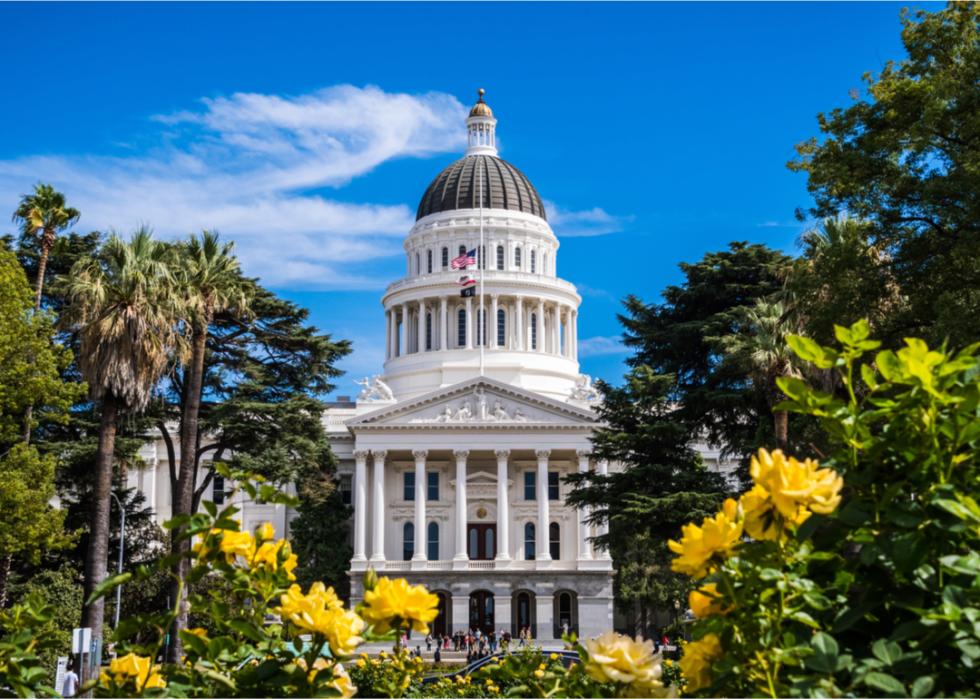
California
- Open seats: 4 (out of 7 total)
- Next general election for justices: retention, on Nov. 8, 2022
- Historic court partisan lean: moderate liberal
- Statewide 2020 Biden margin: 29.2% (Dem. shift from 2016: -0.9 points)
California is famously liberal, and this political leaning is evident in many of the state Supreme Court鈥檚 rulings. Among these are laws that protect gig workers. According to standards set by the court in 2018, gig workers have to be and given attendant benefits if they perform their jobs in a similar manner to employees.
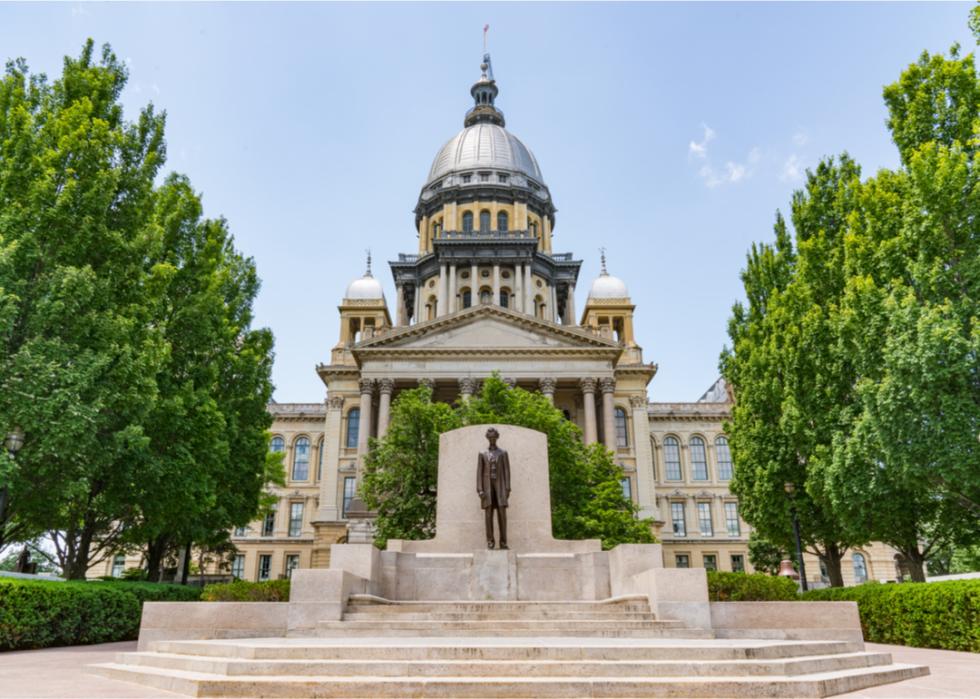
Illinois
- Open seats: 4 (out of 7 total)
- Next general election for justices: partisan/retention, on Nov. 8, 2022
- Historic court partisan lean: moderate liberal
- Statewide 2020 Biden margin: 17.0% (Dem. shift from 2016: -0.1 points)
Illinois is a relatively moderate state, which can lead to toss-up elections for Supreme Court positions. A recent primary election in the state was a particularly .
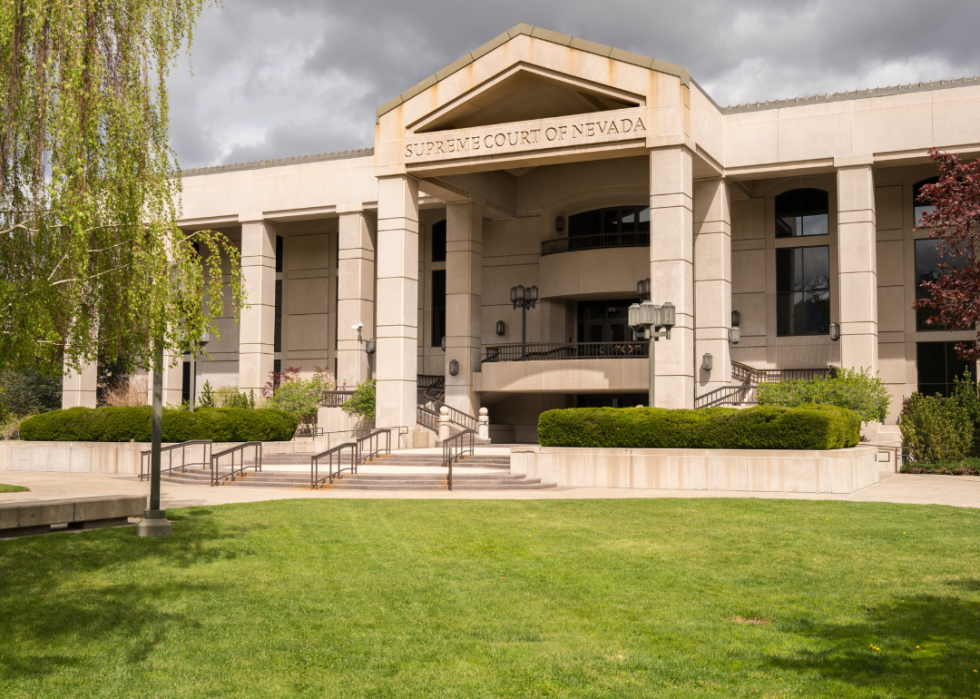
Nevada
- Open seats: 2 (out of 7 total)
- Next general election for justices: nonpartisan, on Nov. 8, 2022
- Historic court partisan lean: moderate liberal
- Statewide 2020 Biden margin: 2.4% (Dem. shift from 2016: -0.0 points)
Nevada鈥檚 moderately liberal court has handed down recent rulings reflecting liberal priorities. One of the biggest recent cases involves education鈥攖he state Supreme Court that would have provided public funding for a private voucher school system.
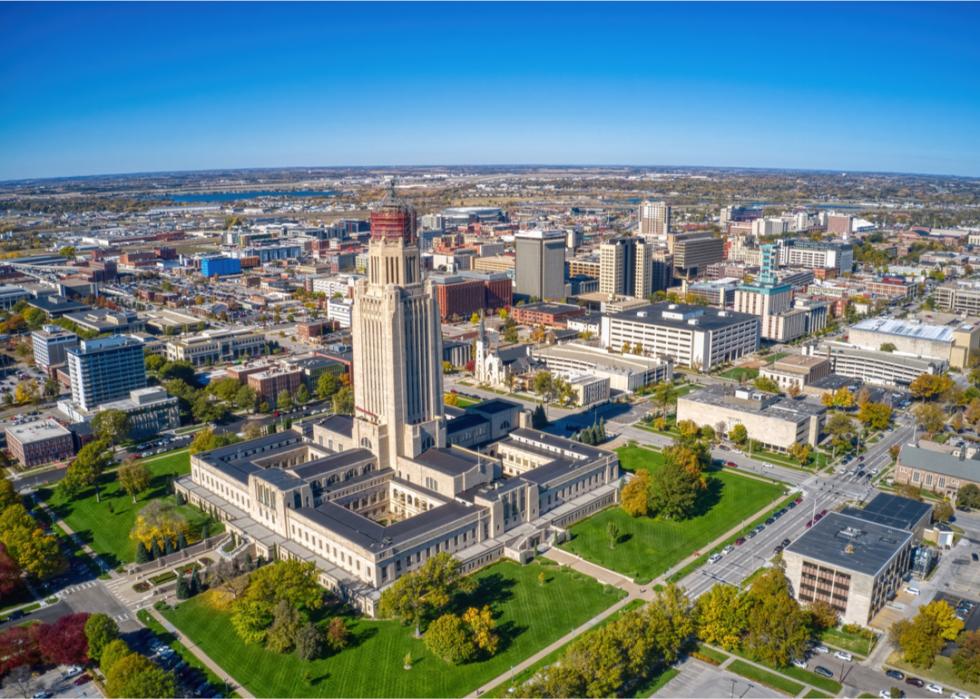
Nebraska
- Open seats: 4 (out of 7 total)
- Next general election for justices: retention, on Nov. 8, 2022
- Historic court partisan lean: moderate liberal
- Statewide 2020 Trump margin: 19.2% (Dem. shift from 2016: +5.9 points)
Despite having a historically liberal perspective, Nebraska's Supreme Court has recently reflected a conservative tilt in its recent rulings. Among these was a case involving a death row inmate, convicted of the murder of a 12-year-old girl, who the court denied the appeal .
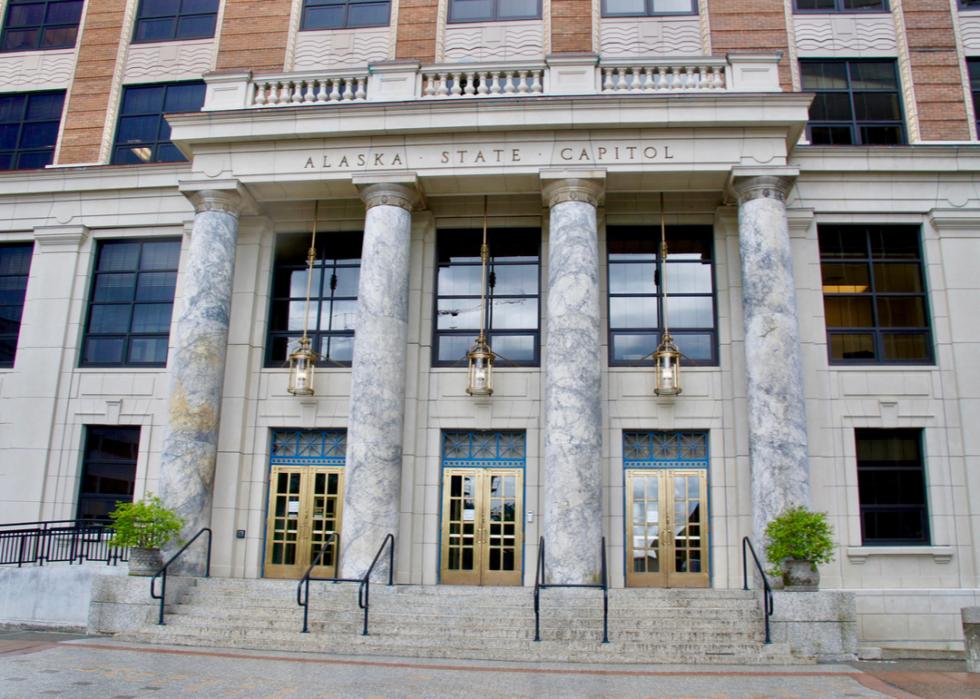
Alaska
- Open seats: 1 (out of 5 total)
- Next general election for justices: retention, on Nov. 8, 2022
- Historic court partisan lean: moderate liberal
- Statewide 2020 Trump margin: 10.1% (Dem. shift from 2016: +4.7 points)
Alaska鈥檚 moderately liberal court recently handed criminal justice reform advocates a victory. The court invalidated the conviction of a young man sentenced to 60 years in prison. The court found that the lower court that had convicted the man had done so .
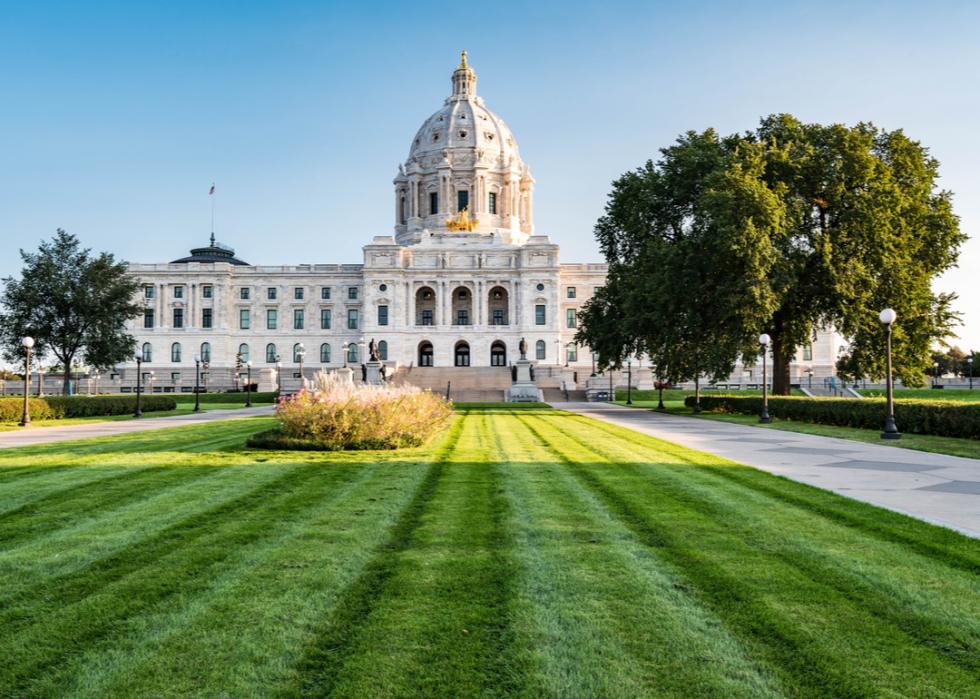
Minnesota
- Open seats: 2 (out of 7 total)
- Next general election for justices: nonpartisan, on Nov. 8, 2022
- Historic court partisan lean: moderate liberal
- Statewide 2020 Biden margin: 7.1% (Dem. shift from 2016: +5.6 points)
Although both the court and the voters in Minnesota are moderately liberal, court rulings do not always reflect this. In a recent case following the murder of George Floyd and the public fallout that resulted, the court found that the mayor of Minneapolis failed to hire enough police to protect public safety, which is who wish to reduce the size of police forces.
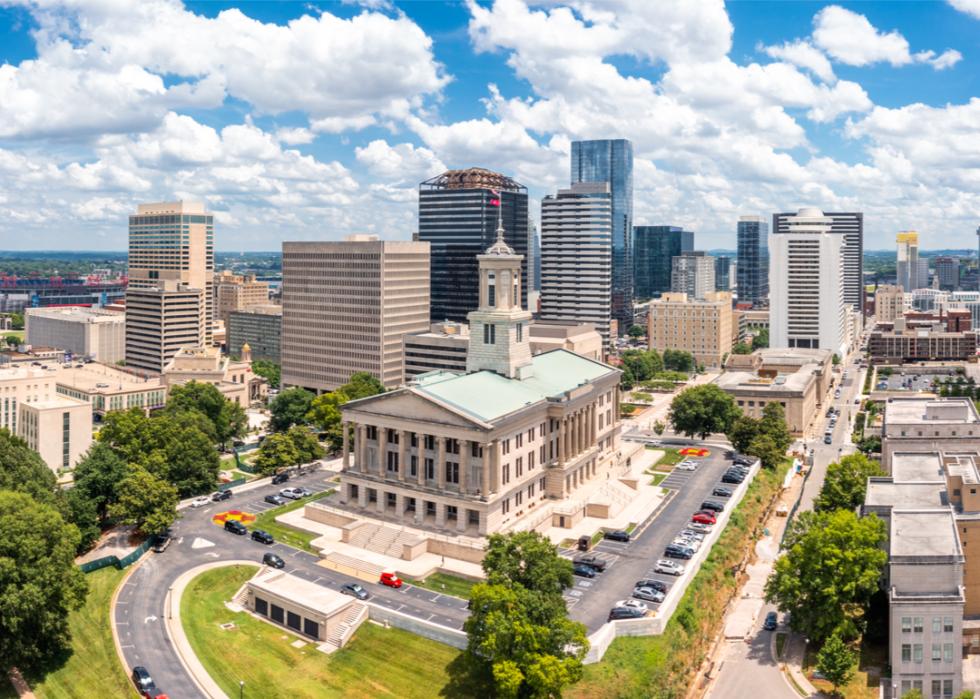
Tennessee
- Open seats: 5 (out of 5 total)
- Next general election for justices: retention, on Aug. 4, 2022
- Historic court partisan lean: moderate liberal
- Statewide 2020 Trump margin: 23.2% (Dem. shift from 2016: +2.8 points)
Tennessee is a state split between a moderately liberal court and a conservative electorate. The court is focusing heavily right now on outreach to its more rural communities. The court has launched that will go into rural and underserved communities explaining to people their rights.
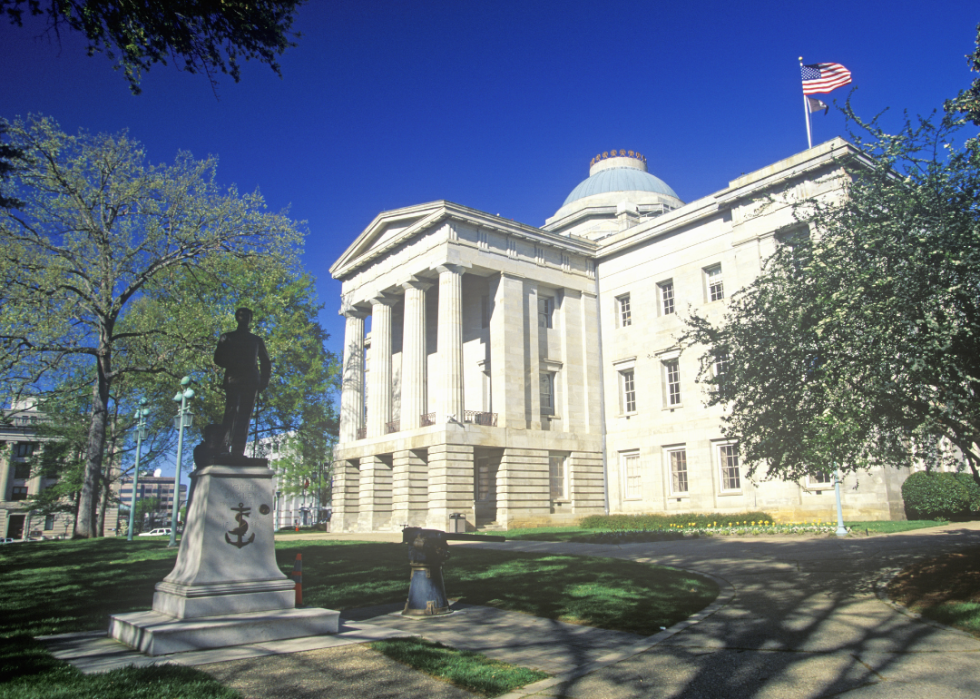
North Carolina
- Open seats: 2 (out of 7 total)
- Next general election for justices: partisan, on Nov. 8, 2022
- Historic court partisan lean: moderate liberal
- Statewide 2020 Trump margin: 1.3% (Dem. shift from 2016: +2.3 points)
Although the North Carolina Supreme Court has a historically liberal bent, this doesn鈥檛 always mean it upholds liberal priorities. The court most recently handed progressives a defeat in the area of voting rights. The court rejected an a lawsuit involving the right of felons to vote, leaving that issue still in limbo.
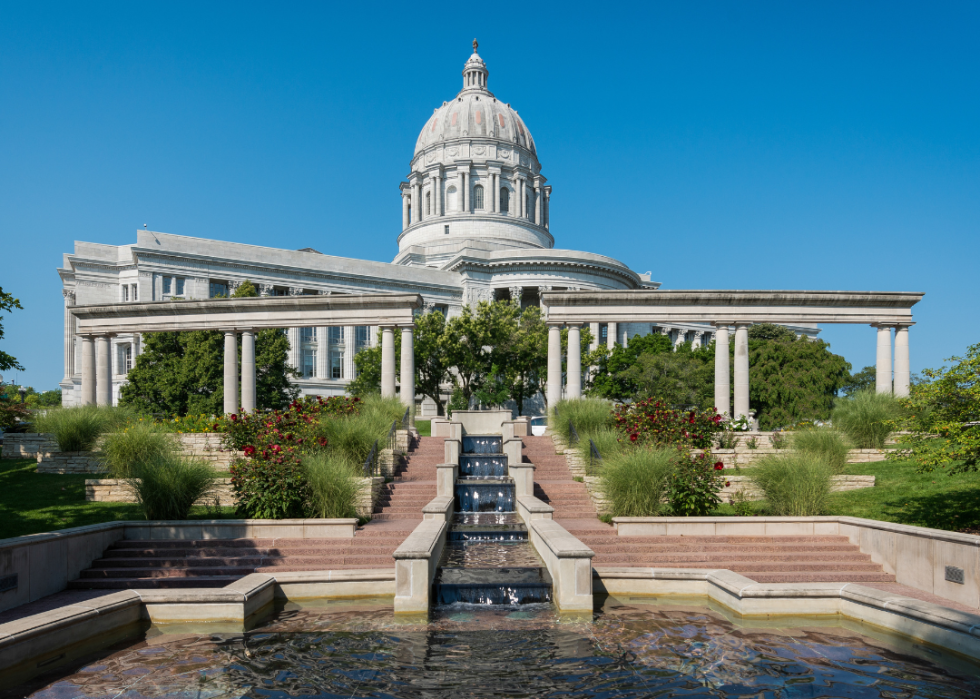
Missouri
- Open seats: 2 (out of 7 total)
- Next general election for justices: retention, on Nov. 8, 2022
- Historic court partisan lean: moderate conservative
- Statewide 2020 Trump margin: 15.4% (Dem. shift from 2016: +3.2 points)
Missouri is a conservative state with a conservative court, and many recent rulings reflect that. One among them of people with criminal convictions to have that information withheld. The court ruled that access to criminal records should not be curtailed in the state.
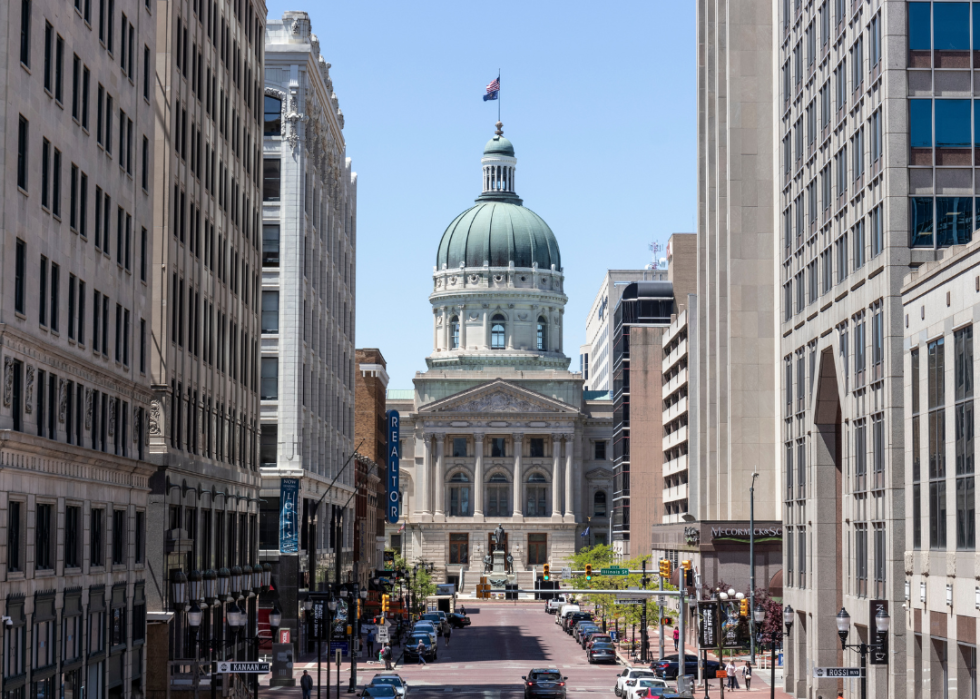
Indiana
- Open seats: 1 (out of 5 total)
- Next general election for justices: retention, on Nov. 8, 2022
- Historic court partisan lean: moderate conservative
- Statewide 2020 Trump margin: 16.1% (Dem. shift from 2016: +3.1 points)
Indiana typically has a conservative legislature and executive branch, which makes it no surprise that the Supreme Court has historically been conservative as well. This impacts decisions ranging from economic policy to prayer in schools. One of the most closely watched state Supreme Court cases in the country is regarding an Indianapolis teacher who said he was fired from teaching at a Catholic school because of his same-sex marriage.
Michigan
- Open seats: 2 (out of 7 total)
- Next general election for justices: nonpartisan, on Nov. 8, 2022
- Historic court partisan lean: moderate conservative
- Statewide 2020 Biden margin: 2.8% (Dem. shift from 2016: +3.0 points)
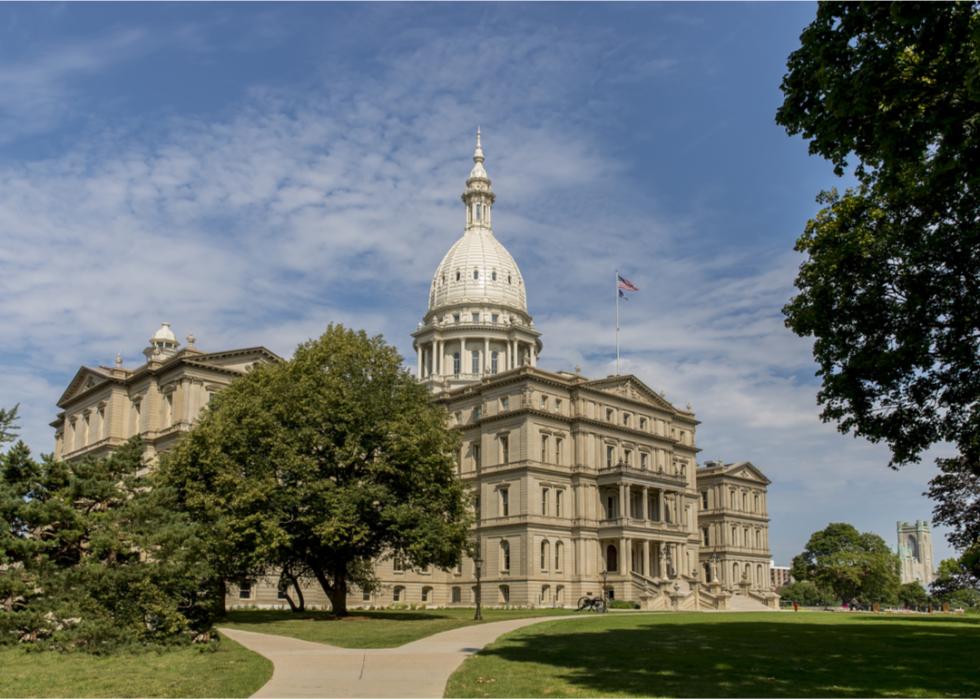
The Flint water crisis has become a defining issue for many progressives. But the Michigan Supreme Court handed those activists a defeat in a recent case, ruling that charges against the state鈥檚 former governor regarding Flint鈥檚 water were invalid thanks to missteps by the prosecution and what it saw as an by the case鈥檚 presiding judge.
Georgia
- Open seats: 3 (out of 7 total)
- Next general election for justices: nonpartisan, on May 24, 2022
- Historic court partisan lean: moderate conservative
- Statewide 2020 Biden margin: .2% (Dem. shift from 2016: +5.4 points)
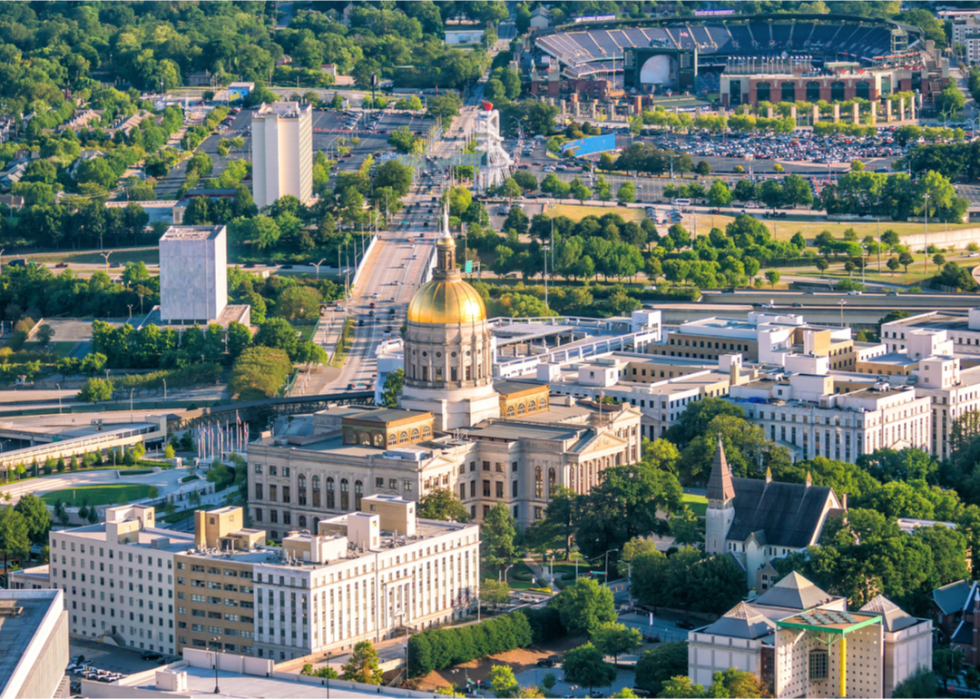
State supreme courts often get the most attention thanks to their rulings on controversial issues. But a recent move by Georgia鈥檚 Supreme Court highlights some of their other responsibilities. a county official for having violated her duties to three different clients.
In the May 24 special election, all three justices with expiring terms were . The court's Chief Justice announced that he will retire on July 17, after which Gov. Brian Kemp (R) will appoint his successor.
Arizona
- Open seats: 3 (out of 5 total)
- Next general election for justices: retention, on Nov. 8, 2022
- Historic court partisan lean: moderate conservative
- Statewide 2020 Biden margin: .3% (Dem. shift from 2016: +3.9 points)
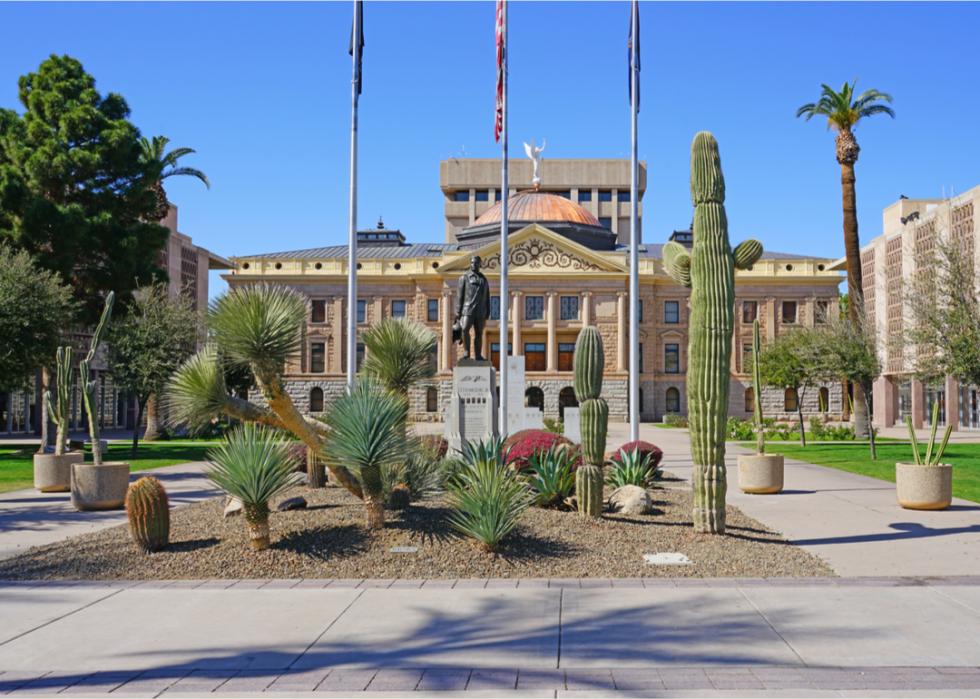
Voting rights may be set to take center stage at the Arizona Supreme Court. The court may hear a case about the right to access early voting. A lower court upheld early voting in the state, and the state鈥檚 GOP leaders have said they are .
Kansas
- Open seats: 6 (out of 7 total)
- Next general election for justices: retention, on Nov. 8, 2022
- Historic court partisan lean: moderate conservative
- Statewide 2020 Trump margin: 14.7% (Dem. shift from 2016: +5.9 points)
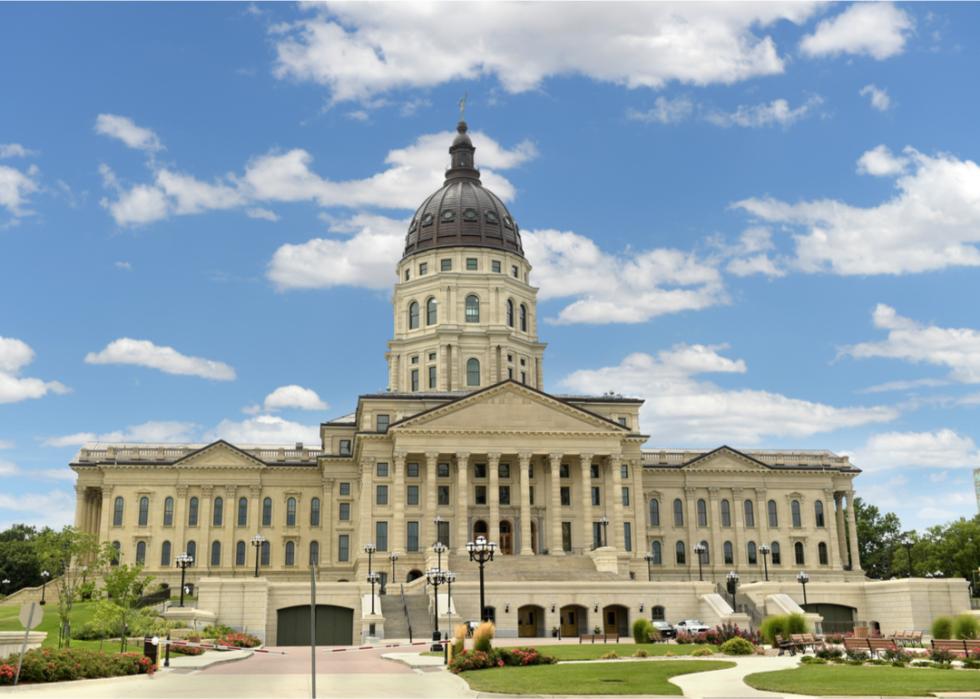
Although both the court and the state are moderately conservative, pro-choice activists see some reason for hope in Kansas despite the overturning of Roe v. Wade. The state Supreme Court ruled in 2019 that a woman's right to choose was included in the state's provisions . However, that statute will be up for on an Aug. 2 ballot.
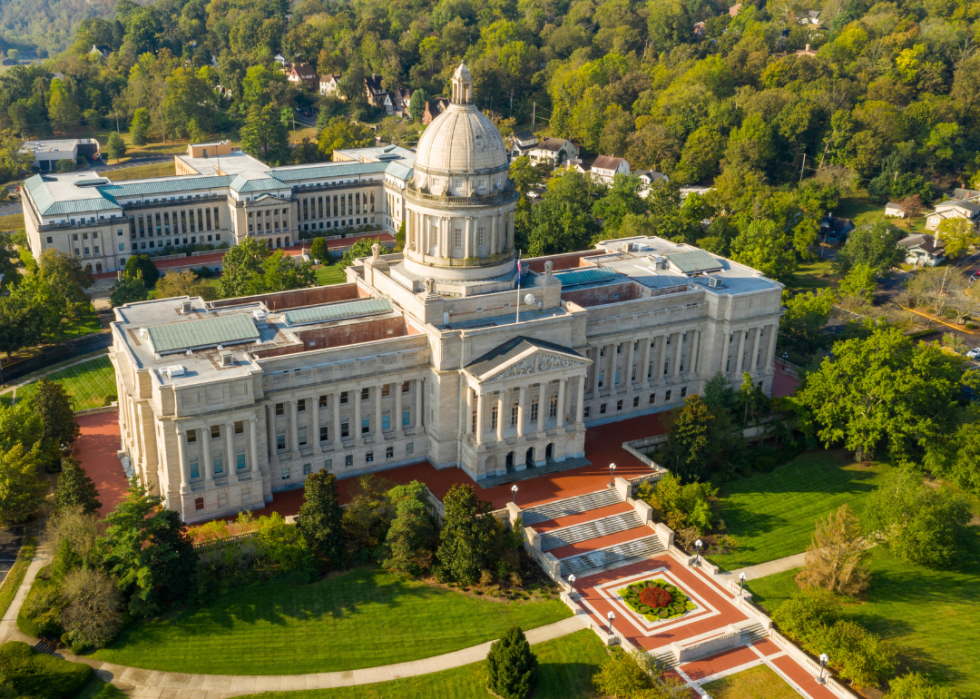
Kentucky
- Open seats: 4 (out of 7 total)
- Next general election for justices: nonpartisan, on Nov. 8, 2022
- Historic court partisan lean: moderate conservative
- Statewide 2020 Trump margin: 25.9% (Dem. shift from 2016: +3.9 points)
Kentucky is a roundly conservative state, but while that doesn鈥檛 mean every court rules in favor of conservative principles鈥攃ase in point, the Supreme Court has been called upon appealing the decision of a lower court rejecting school choice鈥攃onservatism is a general principle. A case in point there would be Attorney General Daniel Cameron鈥檚 request that the Supreme Court reinstate a statewide abortion ban that was recently blocked following Dobbs.
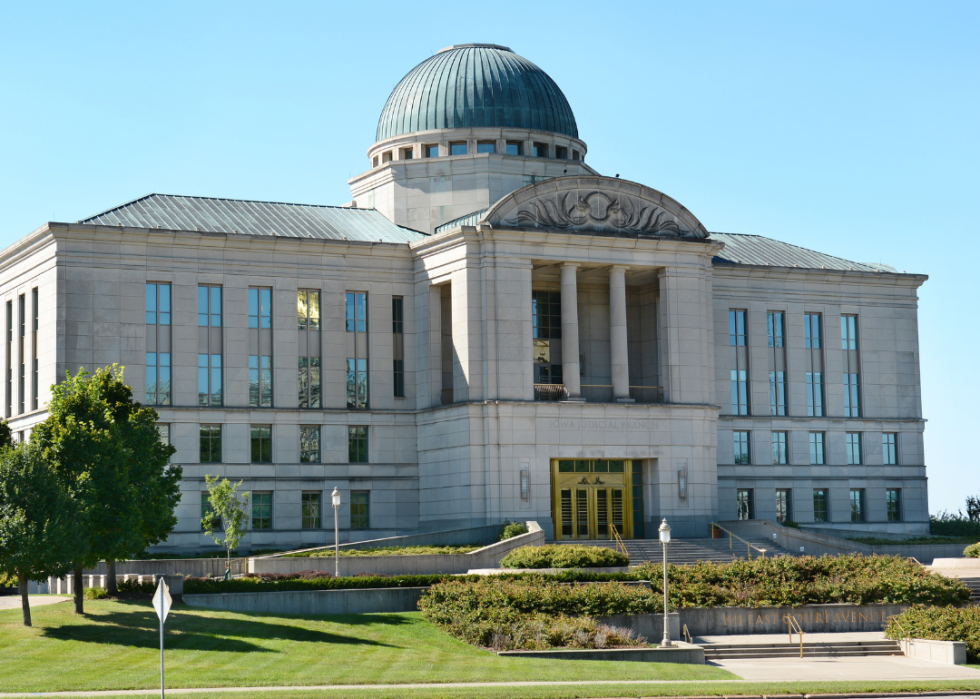
Iowa
- Open seats: 2 (out of 7 total)
- Next general election for justices: retention, on Nov. 8, 2022
- Historic court partisan lean: moderate conservative
- Statewide 2020 Trump margin: 8.2% (Dem. shift from 2016: +1.2 points)
Action against abortion has been swift in the state of Iowa. Following the federal court鈥檚 ruling in Dobbs, Iowa鈥檚 Supreme Court moved to end abortion in the state. The historically conservative court amended the state鈥檚 constitution to guaranteeing a right to an abortion.
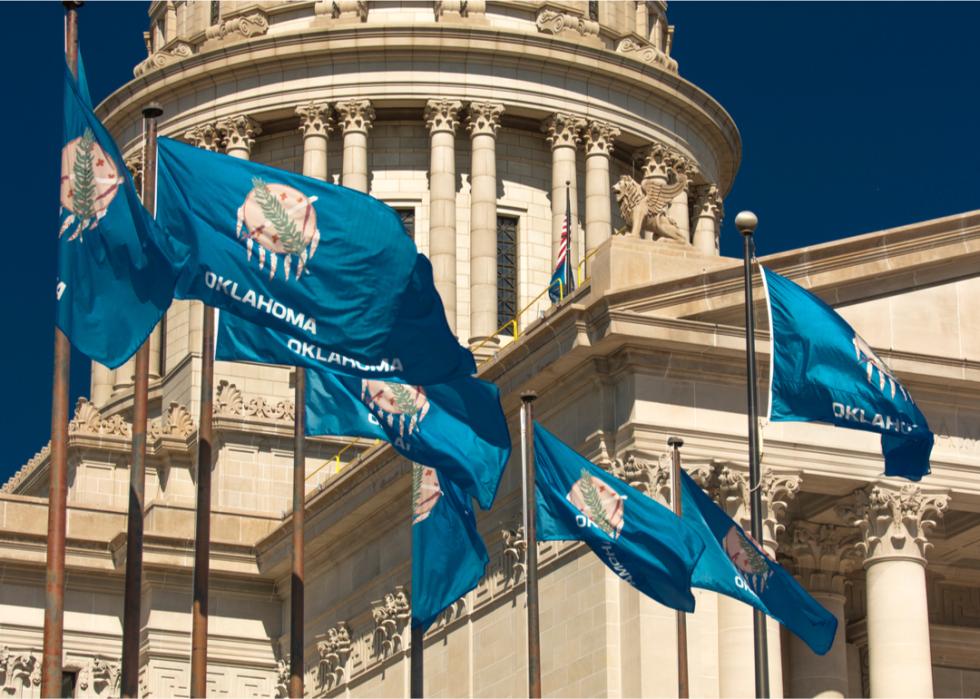
Oklahoma
- Open seats: 4 (out of 14 total)
- Next general election for justices: retention, on November 8, 2022
- Historic court partisan lean: moderate conservative
- Statewide 2020 Trump margin: 33.1% (Dem. shift from 2016: +3.3 points)
Oklahoma鈥檚 Supreme Court will soon have the opportunity to hear a case with strong political overtones. The has asked the court to throw out a lawsuit levied by two Native American tribes that have claimed the company marketed their products to children. The case may potentially be taken up alongside Juul鈥檚 request that the FDA reverse its decision to ban its e-cigarettes.
Louisiana
- Open seats: 1 (out of 7 total)
- Next general election for justices: partisan, on Dec. 10, 2022
- Historic court partisan lean: moderate conservative
- Statewide 2020 Trump margin: 18.6% (Dem. shift from 2016: +1.0 points)
No matter what happens in upcoming Louisiana Supreme Court elections, the state is unlikely to reverse a seismic recent ruling. as soon as Roe v. Wade was overturned. And despite a stay against the governor鈥檚 order in this regard by a lower court, with only one open seat, should this reach the Supreme Court, the conservative majority is unlikely to be swayed to uphold the right to choose.
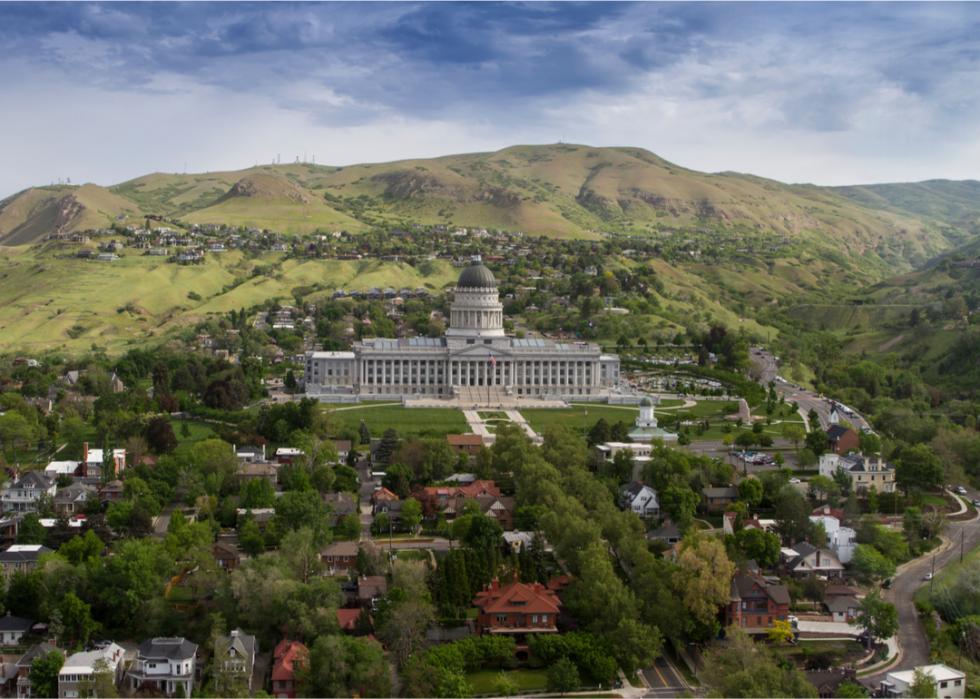
Utah
- Open seats: 1 (out of 5 total)
- Next general election for justices: retention, on Nov. 8, 2022
- Historic court partisan lean: moderate conservative
- Statewide 2020 Trump margin: 20.5% (Dem. shift from 2016: -2.4 points)
Very soon, the Supreme Court of Utah may be set to make history. If confirmed by the state Senate, Jill Pohlman will become the , making the court majority women for the first time in the state's history.
Florida
- Open seats: 5 (out of 7 total)
- Next general election for justices: retention, on Nov. 8, 2022
- Historic court partisan lean: strong conservative
- Statewide 2020 Trump margin: 3.4% (Dem. shift from 2016: -2.2 points)
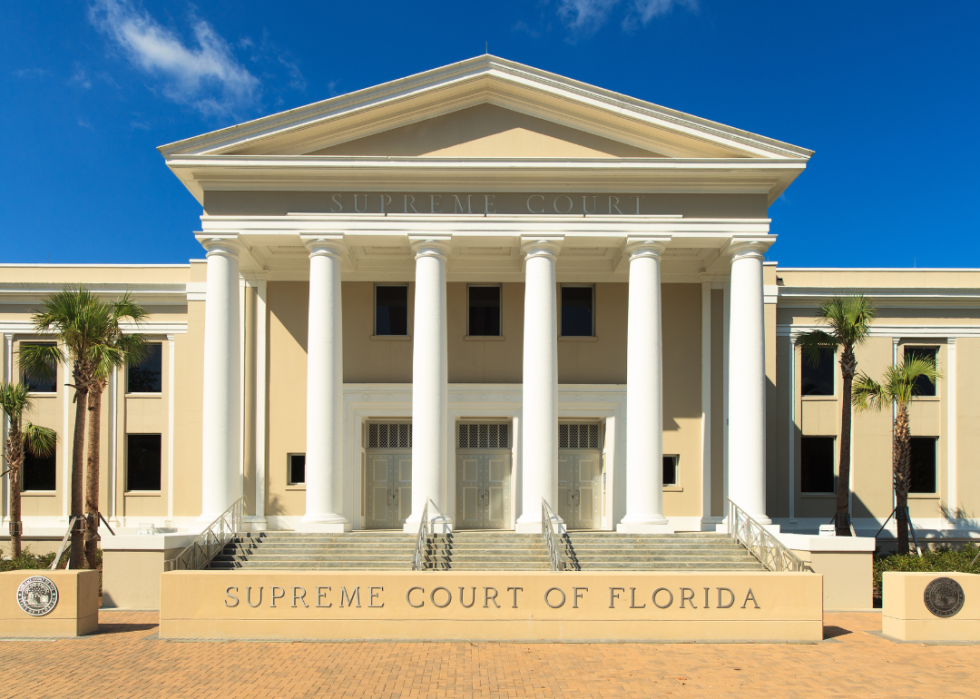
Even though abortion and the teaching of sexuality in classrooms remain hot-button issues in Florida, another crucial issue up for debate is redistricting. The court鈥檚 heavily conservative members recently voted not to take up a case that challenged the state鈥檚 , which benefits Republicans.

Ohio
- Open seats: 3 (out of 7 total)
- Next general election for justices: partisan, on Nov. 8, 2022
- Historic court partisan lean: strong conservative
- Statewide 2020 Trump margin: 8.0% (Dem. shift from 2016: +0.1 points)
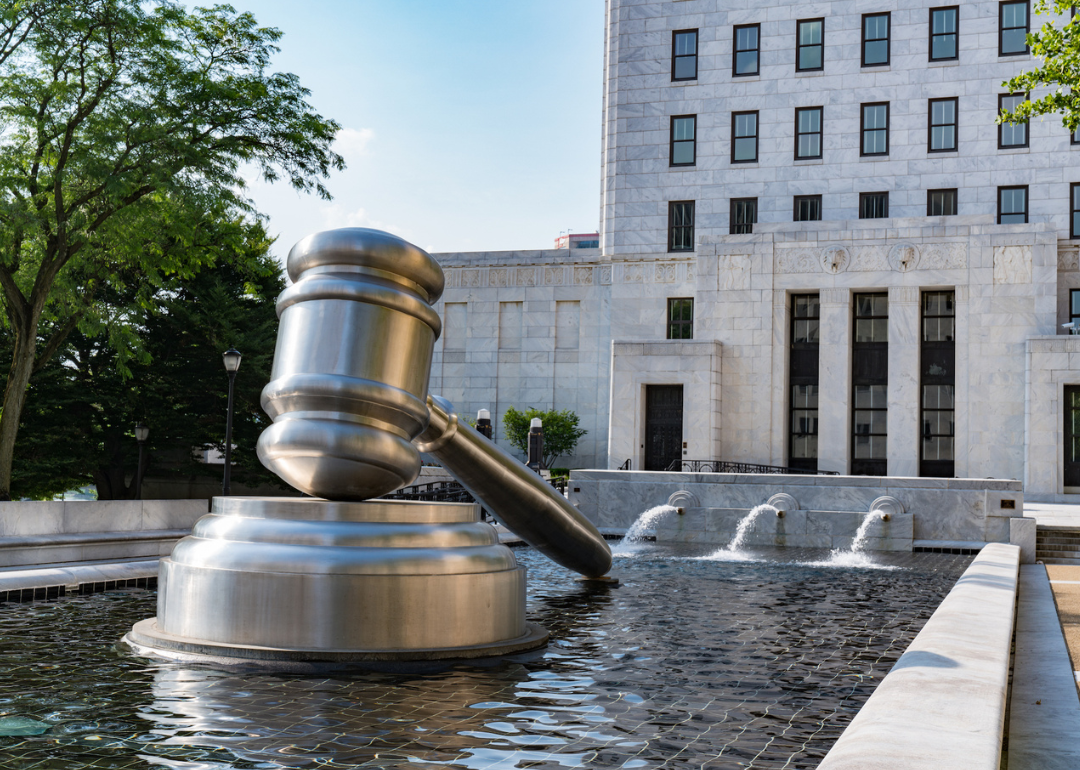
Abortion rights are currently at stake in the Ohio Supreme Court. Several advocacy groups have sued to retain the right to an abortion, arguing that the Ohio state constitution offers more specific protections than Roe. the historically conservative court to find the ban unconstitutional.
Idaho
- Open seats: 2 (out of 5 total)
- Next general election for justices: nonpartisan, on May 17, 2022
- Historic court partisan lean: strong conservative
- Statewide 2020 Trump margin: 30.8% (Dem. shift from 2016: +1.0 points)
The right to access an abortion is likely to be one of the most contentious issues before the Idaho Supreme Court. Planned Parenthood has already filed a lawsuit to protect the right to an abortion in the state, a filing that has temporarily halted the state鈥檚 abortion ban from going into effect. The suit alleges that the state鈥檚 ban that only allows abortions in cases of rape, incest, or if the life of the mother were in jeopardy violates the state constitution on ; however, a religious-based statute concerning 鈥溾 will likely be at the very center of the coming decision.
The May 17 general election resulted in the re-election of two justices whose terms were set to expire in Jan. 2023 and who were each running unopposed.
Alabama
- Open seats: 2 (out of 9 total)
- Next general election for justices: partisan, on Nov. 8, 2022
- Historic court partisan lean: strong conservative
- Statewide 2020 Trump margin: 25.5% (Dem. shift from 2016: +2.3 points)
The conservative Alabama Supreme Court is staying true to small government. The court recently found that the state could not keep extra money from the tax auctioning of property. In its decision, the court said the state鈥檚 constitution is clear on the fact that the government's role is to protect life, liberty, and property, not profit from it once the satisfaction of a tax debt has been resolved.
Texas
- Open seats: 6 (out of 18 total)
- Next general election for justices: partisan, on Nov. 8, 2022
- Historic court partisan lean: strong conservative
- Statewide 2020 Trump margin: 5.6% (Dem. shift from 2016: +3.4 points)
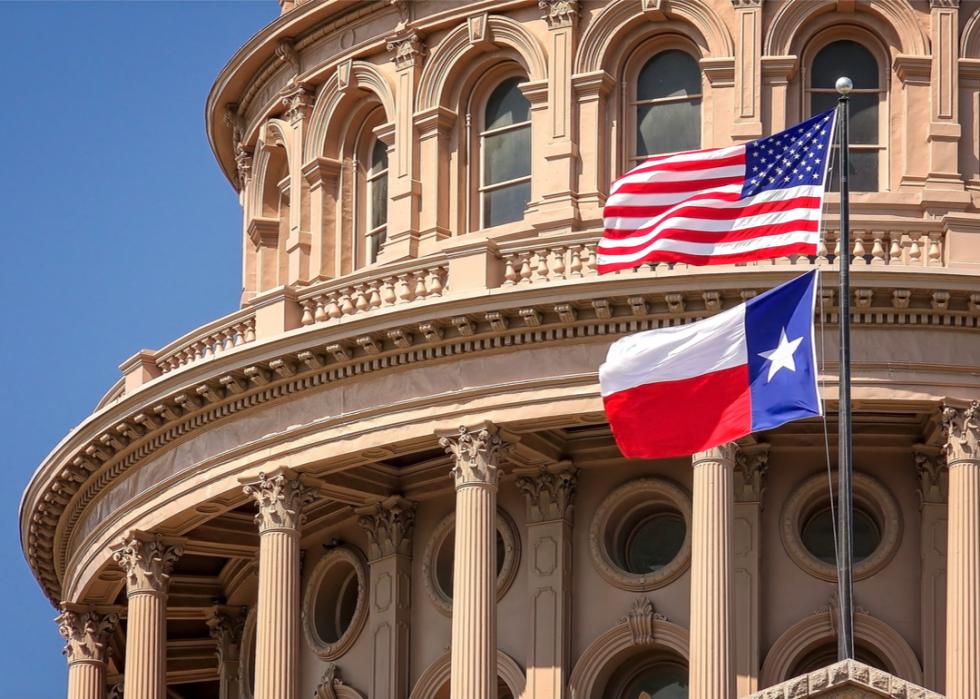
Texas has a much more conservative court than it has a conservative populace; though Texans remain conservative, they are trending ever more Democratic. The state Supreme Court that can make it harder for Democrats to win elections, an issue any new elector to the court will likely have to address.

North Dakota
- Open seats: 1 (out of 5 total)
- Next general election for justices: nonpartisan, on Nov. 8, 2022
- Historic court partisan lean: very strong conservative
- Statewide 2020 Trump margin: 33.4% (Dem. shift from 2016: +2.4 points)
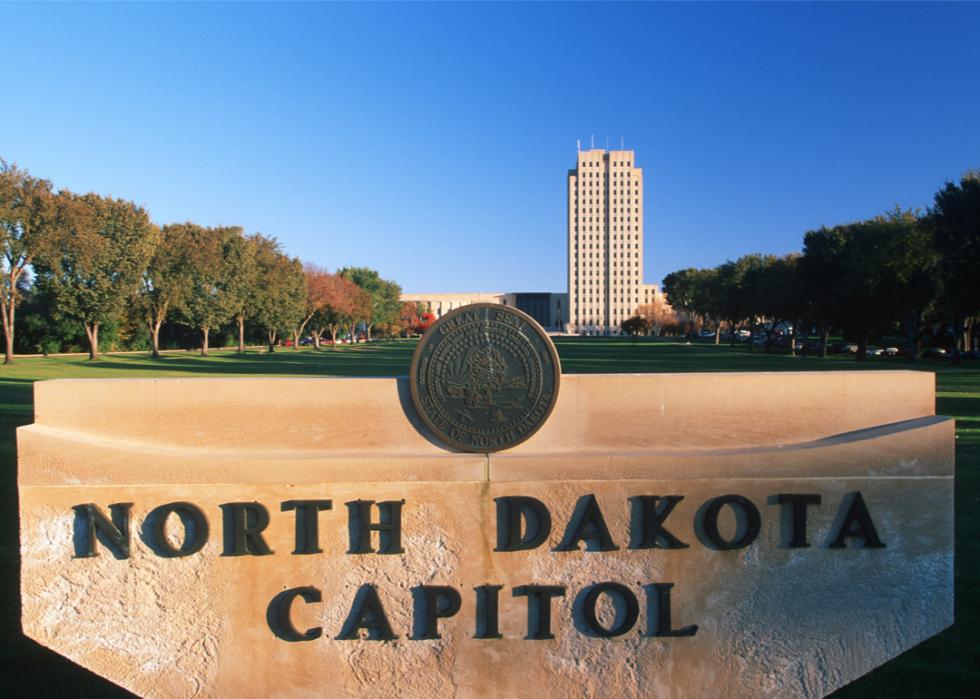
North Dakota is a strongly conservative state with a commensurately conservative court. The state was in the U.S. Supreme Court鈥檚 recent decision on the reach of the EPA, and with regard to abortion rights, House Bill 1466 will on July 28 banning all abortion except in cases of rape, incest, and a clear and present danger to the health of the mother. There has been no indication that the state鈥檚 Supreme Court will take up any challenge to the bill.
South Dakota
- Open seats: 2 (out of 5 total)
- Next general election for justices: retention, on Nov. 8, 2022
- Historic court partisan lean: very strong conservative
- Statewide 2020 Trump margin: 26.2% (Dem. shift from 2016: +3.6 points)
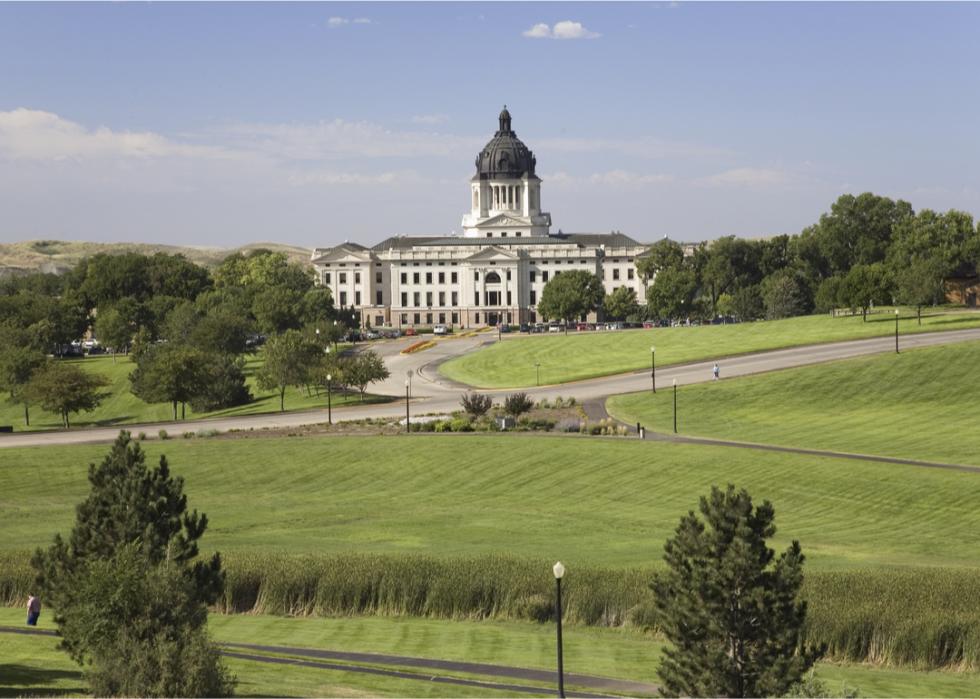
South Dakota鈥檚 Supreme Court is highly unlikely to take up any reversal of the state鈥檚 restrictive abortion law; the court has tended to focus on highly local cases. The court recently a claim against Yankton County regarding an internet service provider accused of operating outside the county鈥檚 zoning ordinance and also one man鈥檚 conviction for owning dangerous pit bulls on due process grounds.