A Republican-sponsored bill would take back $21B appropriated for broadband deployment
A Republican-sponsored bill would take back $21B appropriated for broadband deployment
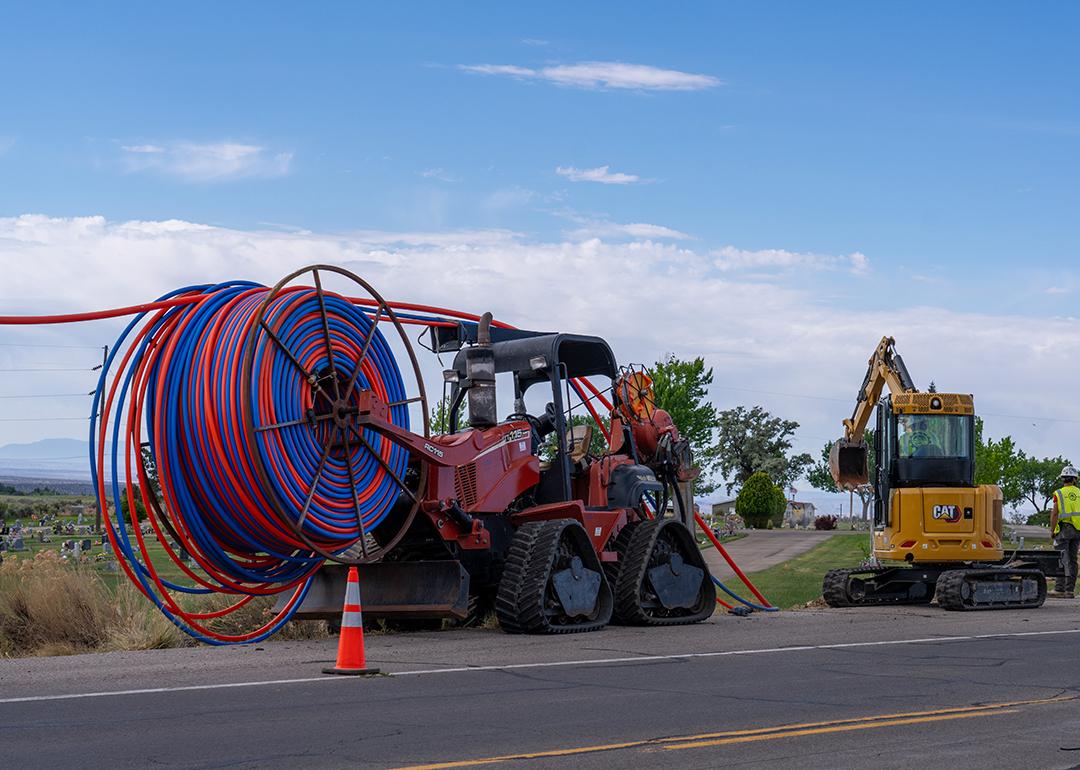
A bill filed in late November would claw back $21 billion allocated to state governments to address the digital divide, marking another moment in the debate over expanding broadband internet access in rural America.
, sponsored by Republican Sen. Joni Ernst of Iowa, would limit the scope of the Broadband Equity, Access, and Deployment (BEAD) program. BEAD, created as part of the 2021 Infrastructure Investment and Jobs Act under the Biden administration, is a $42.45 billion federal grant program aimed at connecting every American to high-speed internet.
Of that $42.45 billion, about $21 billion is slotted for so-called nondeployment funds 鈥� essentially, anything other than infrastructure to expand internet access. Those other projects could include funding for permitting, telehealth, cybersecurity, preparedness for artificial intelligence, and more.
Ernst鈥檚 bill would claw back those nondeployment dollars, angering critics and lawmakers across multiple states.
In Missouri, Republican state Rep. Louis Riggs said BEAD funding, including the nondeployment dollars the bill would redirect to the federal government, was 鈥渋ntended to bridge the digital divide once and for all.鈥�
鈥淵ou鈥檙e punishing people in rural America, again, for being rural,鈥� Riggs said in an interview with the .
Ernst鈥檚 bill is co-cosponsored by Republican senators Ted Cruz of Texas, Mike Lee of Utah, and Cynthia Lummis of Wyoming. It鈥檚 unclear whether the bill would find enough support in Congress to pass. Ernst has long been critical of the BEAD program, claiming the amount of money allocated hasn鈥檛 produced results.
So far, the projects meant to be funded by BEAD haven鈥檛 broken ground. As of early December, 29 out of 56 states and territories have had their final proposals 鈥� their plans on how to deploy high-speed internet to unserved or underserved areas 鈥� approved by the National Telecommunications and Information Administration. California is the only state with its final proposal for approval still outstanding, according to .
States have not yet received any of the BEAD money from the federal government to implement their plans.
Ernst has called the program a 鈥渂oondoggle,鈥� saying in last year, 鈥淚t鈥檚 time to pull the plug.鈥�
Riggs, the state representative from Missouri, said states have been saddled with an immense amount of work to prepare for the money, making maps and plans that take time. They鈥檝e had to do much of that work from the ground up, he said.
鈥淭aking a sledgehammer to it isn鈥檛 helpful,鈥� Riggs said.
Drew Garner, director of policy engagement for The Benton Institute for Broadband & Society, said BEAD 鈥渉as always been about more than infrastructure.鈥� Expanding internet access is at its core, but the program also aimed to address things like workforce development, affordability of internet, broadband mapping, and helping community anchor institutions, .
鈥淭his would be a huge missed opportunity for virtually every state,鈥� Garner said.
The estimated for each state ranges from $49 million in Illinois to $936 million in Virginia. Both Democratic and Republican lawmakers have petitioned to receive their full allotment, including the nondeployment funds targeted by Ernst鈥檚 bill.
鈥淚 hope we get our $1.2 billion,鈥� Sen. Shelley Moore Capito, Republican of West Virginia, in September. 鈥淚鈥檓 going to hold the Trump administration鈥檚 feet to the fire that this is what we鈥檝e been promised, this is what we should get.鈥�
Riggs likened the potential transformation that BEAD could facilitate to the Rural Electrification Act of 1936, calling the closure of the digital divide an 鈥渆xistential issue.鈥�
鈥淲e鈥檒l never see money like that again,鈥� he said.
was produced by and reviewed and distributed by 麻豆原创.