The seemingly endless cycle of reforms in juvenile justice
was produced by , a nonpartisan, nonprofit news organization that seeks to create and sustain a sense of national urgency about the U.S. criminal justice system, and reviewed and distributed by 麻豆原创 Media.
The seemingly endless cycle of reforms in juvenile justice
On Sep. 3, Ohio Gov. Mike DeWine announced that the state will try to in favor of building smaller and less centralized units. DeWine cited findings that young people "do not respond well to adult-style incarceration," Crain's Cleveland Business reported. examines the situation and its circumstances further.
assembled by the governor that also the state stop incarcerating teenagers convicted for the first time of non-violent crimes and children under 14 in state youth prisons.
after a months-long investigation into Ohio's juvenile justice system by several local newspapers. The investigation found that , and that employees of the facilities faced chronic understaffing and threats to their safety. Instead of receiving rehabilitation and support, many of these young people left the system with trauma that exacerbated behavioral issues. Teens who enter the system have a 40% likelihood of winding up back in custody and face a disproportionate chance of dying an early, violent death.
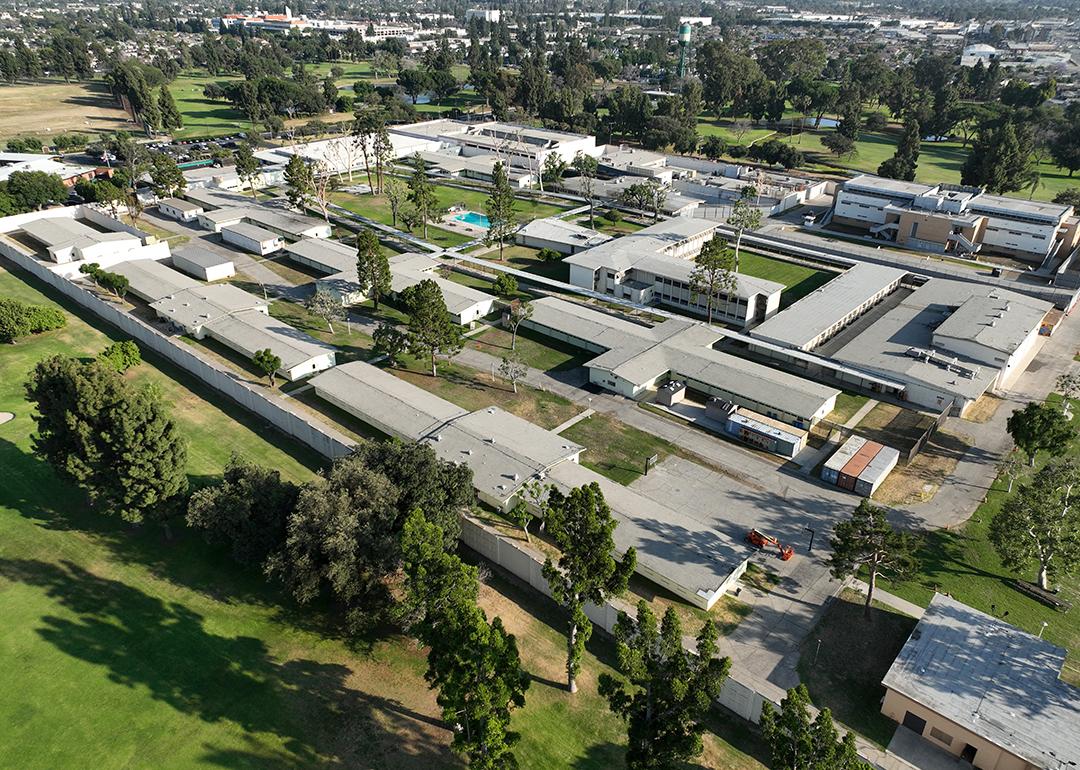
Los Angeles County may serve as a cautionary tale for Ohio. Four years ago, the county's own juvenile justice working group made similar proposals in Like in Ohio, one of the centerpieces of the reform was to decentralize the county's juvenile halls and replace them with "smaller, more homelike 'safe and secure healing centers,'" according to the Pasadena Star-News.
Then, last year the county , reasoning that consolidating youths into the facility would let the county system operate more efficiently. Officials are still trying to lower the number of young people at the hall, but , youths report feeling unsafe and the looms constantly.
Understaffing is one of the most pervasive issues in juvenile justice across the nation, and officials in charge of some systems鈥攍ike Los Padrinos鈥攈ave been to fill the gaps.
At Los Padrinos, even after 100 field officers from the county's adult probation program were ordered to work shifts at the hall, in July. The low staffing levels are largely related to employees calling out of shifts at a rate that
It's a vicious cycle. Staff miss work due to Probation Oversight Commissioner Sean Garcia-Leys told the Pasadena Star-News' Jason Henry. The lack of sufficient staff then exacerbates those poor working conditions.
In Washington state, Gov. Jay Inslee recently to work shifts at one juvenile detention center, under an emergency protocol.
The mother of an incarcerated child expressed mixed feelings about the move. She was . But, she asked the Washington State Standard, "They're used to dealing with adults. This is supposed to be a different form of incarceration. So are they equipped to be dealing with youth?"
In Wisconsin, juvenile justice workers are seeking access to tools used in the adult criminal justice system to manage behavior after a youth counselor was earlier this summer. In interviews with a court-appointed monitor, staff claimed "there was without pepper spray, solitary confinement, and mechanical restraints," according to reporting from the Milwaukee Journal Sentinel.
Those practices were all banned under a 2018 settlement after young people in state facilities . The state's Democratic governor and Republican members of the legislature have been at odds over in the settlement. But late last month, a judge ruled .
Meanwhile, a new was adopted at the Manson Youth Institution in Connecticut after an inquiry launched by the Department of Justice's Civil Rights Division.
"We know that isolation can cause real harm to children鈥攊ncreasing risk of depression, anxiety, self-harm, and suicide鈥攂ecause their brains are still developing and they lack adequate coping mechanisms," said Assistant Attorney General Kristen Clarke in a Justice Department .
Clarke's civil rights division has also opened an . That move followed a state auditor report earlier this year, and the findings included the mistreatment of children, high rates of pepper spray use, and the punitive use of solitary confinement.
That investigation looms as the state . The detention center has been closed since 2019 , which ultimately led to a plan to refurbish the facility.
Juanisha Saunders, whose son spent time in Kentucky's juvenile justice system, expressed cautious optimism to the Louisville Courier-Journal. She said a well-run center could help some young people change their lives. But, she cautioned against cosmetic changes that don't address core issues. "You can slap a coat of paint on it," she told the paper, "but if you don't change the inside, it's still going to become the same."