Danger for agriculture: How climate change has affected Hawaii
Danger for agriculture: How climate change has affected Hawaii
The latest United Nations is yet another reminder of the dire effects of climate change. While climate projections often look to the future when discussing the worst impacts of climate change, we are in fact already experiencing its effects across the United States. To better understand how climate change is impacting the country, 麻豆原创 compiled a list of the impacts of climate change in every state, using local and national news stories, government reports, and scientific journal articles.
While these impacts are weather-related鈥攆or example, heat waves, droughts, or storms鈥� on their own. Rather, it is when these events are seen within larger trends that they can be understood as part of a pattern that has come out of the changing climate.
Keep reading to learn about how your state has been impacted by climate change, or read the national story here.
Hawaii: Danger for agriculture
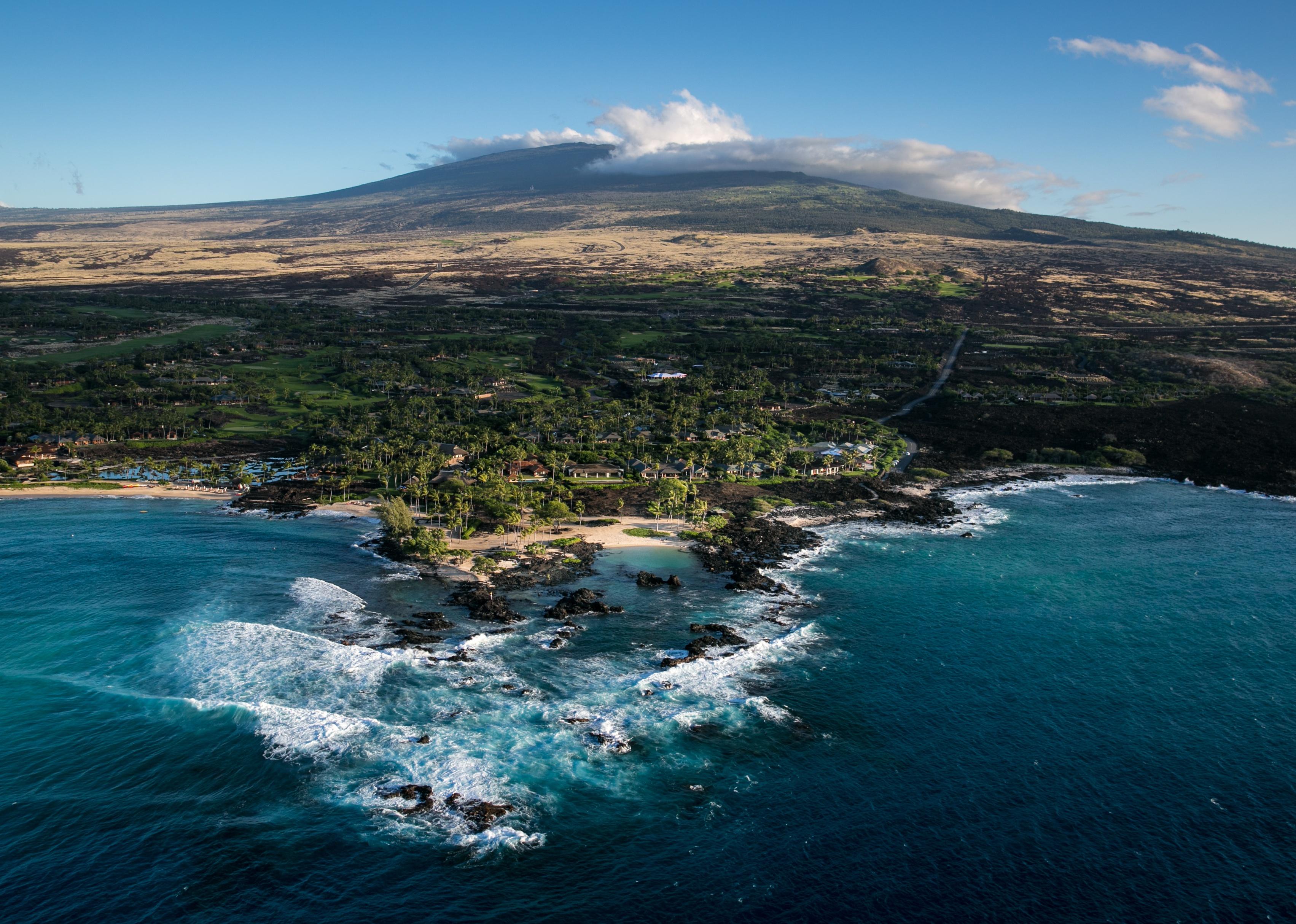
Hawaii's agriculture is being threatened by the impacts of climate change. Between , Hawaii's average temperature increased by about 2 F. The state's islands have been experiencing more fires, worse droughts, more flooding, and increased heat due to climate change, all of which will have an impact on its . Multiple crops are affected, with topsoil being lost to flooding, corn growers having more difficulty pollinating their crops, and macadamia nut trees not flowering as easily due to increased temperatures.
Across the country, there are trends of rising temperatures, storms of increasing frequency and severity, and more erratic precipitation patterns, causing disruptions to the food systems and sometimes even resulting in death. While the U.S. government has set a target to reduce greenhouse gas emissions by at least , it is clear that the climate emergency is already taking place, and along with emissions reductions, mitigation of the impacts of climate change must be prioritized as well.
Read below to see how other states in your region have been affected by climate change.
California: Not enough water
According to The Hill, California is to climate change, with only Florida in a more vulnerable position. Over the past few years, California has seen increasingly worse wildfire seasons, and its water supply from snow in the Sierra Nevada mountains, a critical source, is predicted to drop by two-thirds by 2050. This potential drought, along with worsening fires, will make it more difficult to grow important crops. However, California is being proactive. The state passed its , also referred to as The 100 Percent Clean Energy Act of 2018, and has pledged to put 5 million zero-emission vehicles on the roads by 2030.
Oregon: Changes to natural systems
As temperatures get warmer in Oregon, the state's . Insects are moving up into the state from southern states, and pest species such as the mountain pine beetle are increasing in numbers. In addition, the migration patterns of many bird species are changing, and flowering is taking place sooner due to the earlier arrival of springlike temperatures. This can lead to mismatches in the life cycles of interdependent species, such as certain insects or birds, and puts these native species in danger.