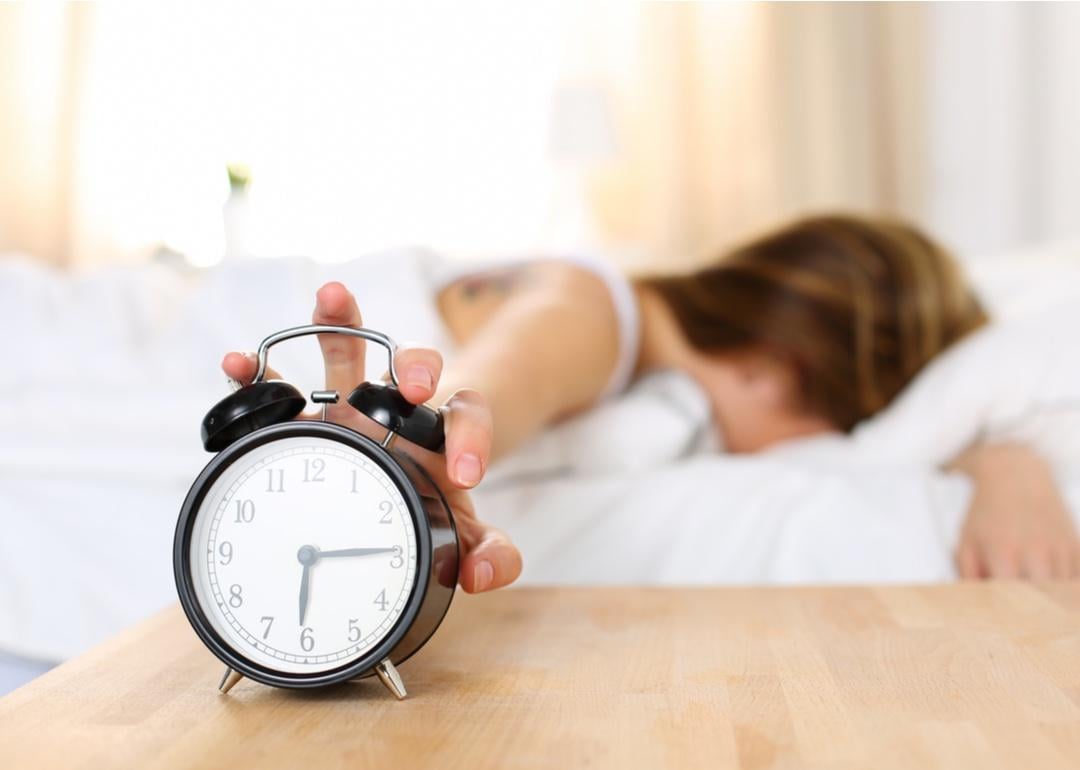
Woman hitting alarm from bed.

10 tips for managing insomnia

Written by:
June 14, 2022
megaflopp // Shutterstock

This story originally appeared on Sunday Citizen and was produced and distributed in partnership with 麻豆原创 Studio.

10 tips for managing insomnia

Some people have no problem falling asleep mid-sentence; for others, they can read hundreds of sentences in bed and still not feel tired. Not being able to fall asleep is a condition called insomnia, a common sleep disorder that impacts between of adults.  compiled recommendations and best sleeping practices for those struggling with insomnia, citing a collection of medical and expert reports.

Insomnia makes it difficult to fall asleep or remain asleep, and without enough rest, it鈥檚 natural to be tired, cranky, and foggy for the rest of the day. Contrary to popular belief, this disorder is not determined by the number of hours of sleep or how much time it takes to fall asleep; everyone is different in their sleep needs and the amount of time it takes to fall asleep.

Insomnia comes in a variety of forms, each with its own set of symptoms, sleep issues, and length of occurrence. Some of the most of insomnia are stress, travel, lifestyle habits, and eating late. Temporary insomnia typically lasts less than a week. When it鈥檚 caused by stressful situations, it usually goes away after the event is resolved. Short-term insomnia lasts one to three weeks, but long-term or chronic insomnia lasts longer.

According to a carried out by researchers at the Perelman School of Medicine at the University of Pennsylvania, 1 in 4 people in the United States experience insomnia each year; about 3 in 4 of these people recover fully without developing chronic insomnia. This study shows the prevalence of poor sleep. However, by adopting habits that promote better sleep, some of the factors that cause insomnia can be managed.

A doctor listens to a patient's lungs using a stethoscope on her back.
1 / 10
Erickson Stock // Shutterstock

Consult with your doctor to rule out underlying medical causes

Various factors cause insomnia, many of which can be addressed through lifestyle changes. Other factors are linked to medical issues that an individual may not be aware they have, such as disrupted breathing due to sleep apnea. Consulting a doctor will rule out underlying medical problems that may be interfering with healthy sleep.

The diagnosis of insomnia often involves a physical exam for symptoms of medical issues linked with insomnia. Doctors also review sleep-wake patterns and the level of daytime sleepiness to identify insomnia and its cause. If the cause can鈥檛 be clearly identified, a is performed to track and record a wide range of bodily functions. This study paints a clearer picture of the underlying cause.

A woman writing in her journal in bed.
2 / 10
Maria Symchych // Shutterstock

Keep a sleep journal to record your nighttime patterns

Sleep journals are a tool doctors can use to find out how much and how well a patient sleeps. In these journals, sleep patterns are recorded for a few weeks to identify things that may be interfering with a patient鈥檚 sleep. Sleep journals can be as simple as a sheet of paper with a template guiding patients on what information to fill out.

For patients who prefer not to use paper, phone apps are available to keep track of sleep and other vital information doctors might need. Because the information required for different forms of insomnia differs, it鈥檚 best to consult a doctor about what to include in the journal and the duration of tracking sleep.

Coffees and soda from above.
3 / 10
Canva

Avoid stimulation from caffeine, alcohol, and nicotine

Caffeine, nicotine, and alcohol are stimulants that can disrupt sleep. People with insomnia often experience fatigue due to their lack of sleep and use stimulants to help them feel less tired. However,  resulting in a counter-productive attempt to treat insomnia.

Alcohol, which can also act as a sedative, prevents deeper stages of sleep necessary for adequate rest. Caffeine is also a common substance in coffee, soda, and other foods. Reducing caffeine intake by opting for decaffeinated products is a good practice. It鈥檚 also advisable to avoid consuming any of these substances before bedtime.

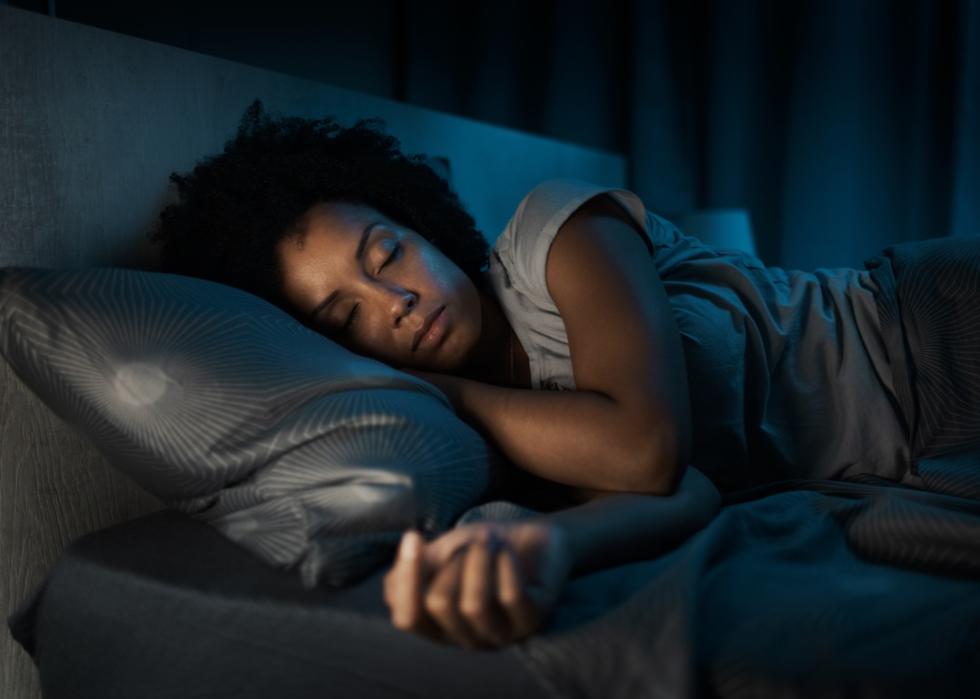
Woman sleeping peacefully in bed.
4 / 10
Stock-Asso // Shutterstock

Create a sleep-friendly bedroom

The environment you sleep in contributes to your sleep or lack of it. The light and sound in the environment are two factors that affect a person鈥檚 comfort as well as the amount and quality of sleep they get. To get better sleep, it鈥檚 a good idea to reduce exposure to light and create a dark space.

Reducing undesirable noises with a fan or another source of makes it easier to fall asleep. The comfort of the bedroom is also a contributing factor to the amount of sleep an individual gets. Lowering the thermostat to keep the atmosphere cool and lower the body鈥檚 core temperature is also a great way to keep the environment comfortable for sleep.

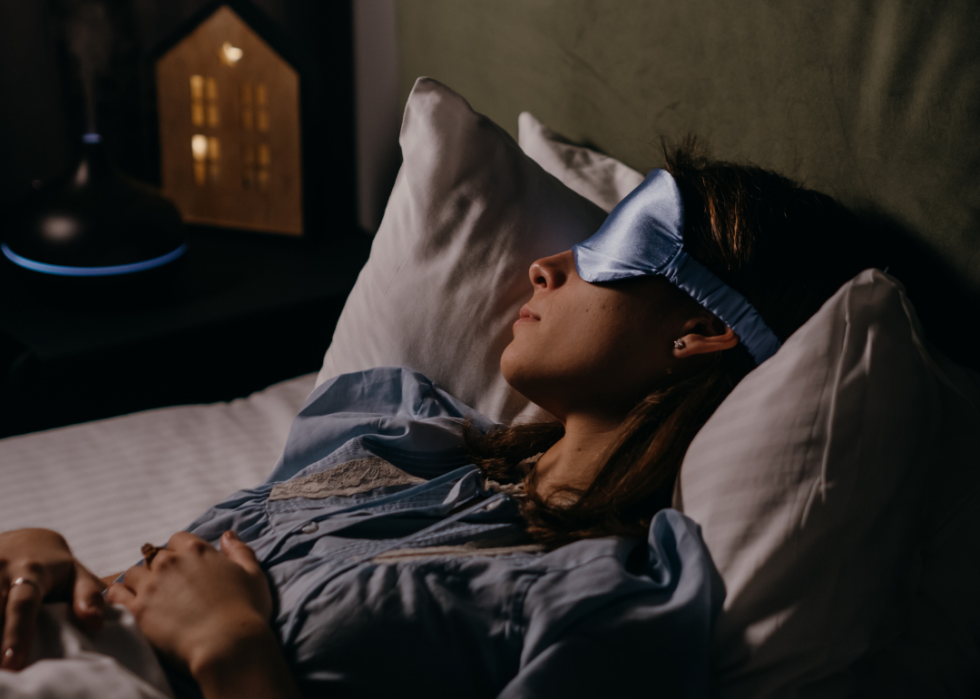
Woman with sleep mask on in dark room.
5 / 10
Canva

Reduce screen time and blue light exposure before bed

While some can sleep with the light turned on, others prefer the lights turned off. Yet, no matter an individual鈥檚 preference, there are certain effects of light that affect sleep. White light, like sunlight, is made up of all the colors of the visible light spectrum, which affects alertness, hormone production, and sleep cycles.

Blue light, on the other hand, is a portion of the visible light spectrum. At night, it suppresses the secretion of melatonin, a hormone that makes us feel drowsy. Blue light deceives the brain into staying alert at night, making it difficult to sleep. A good practice is to stay off blue light-emitting devices鈥攐r use blue light-blocking filters on screens鈥攁t least an hour before your scheduled bedtime.

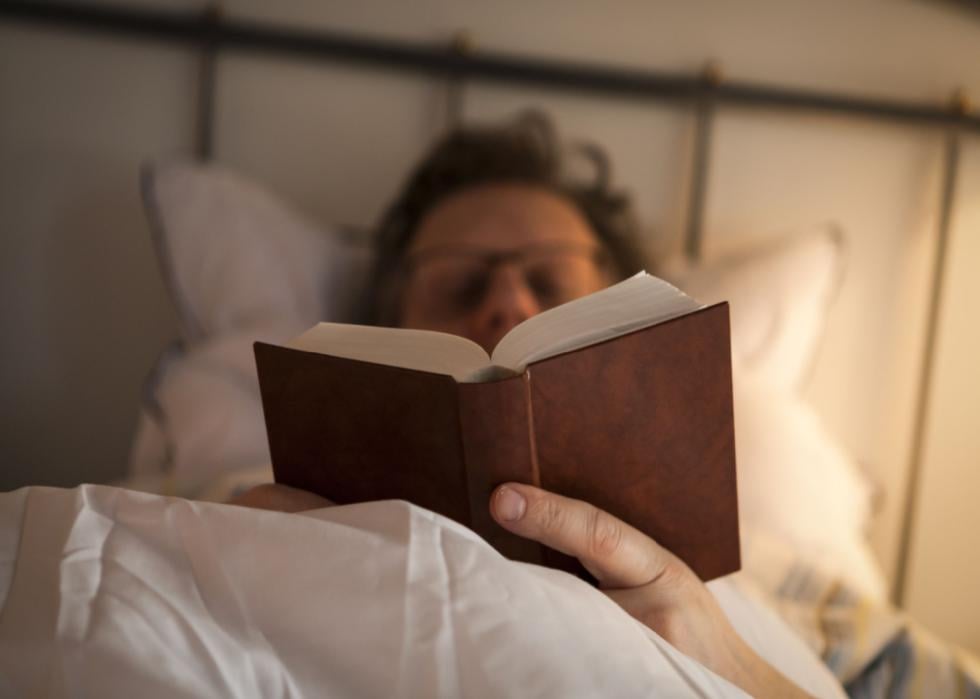
Man reading in bed.
6 / 10
Lasse Ansaharju // Shutterstock

Relax before bed

For a person to fall asleep, the body and mind need to be in a restful state. Sometimes the body is in the position to rest, but the mind keeps drifting. An excellent practice is repeating relaxation exercises before going to bed. This can be listening to music, reading a book, or any activity that helps you wind down. These activities help relaxation by lowering heart rate and blood pressure and improving general well-being.

shows these changes help us fall asleep. By relaxing, the body activates a natural process known as the 鈥渞elaxation response,鈥 which calms the mind, relaxes the body, and causes people to fall asleep naturally. The trick is to be open to relaxation exercises, stick to a sleep schedule, and repeat the exercise regularly.

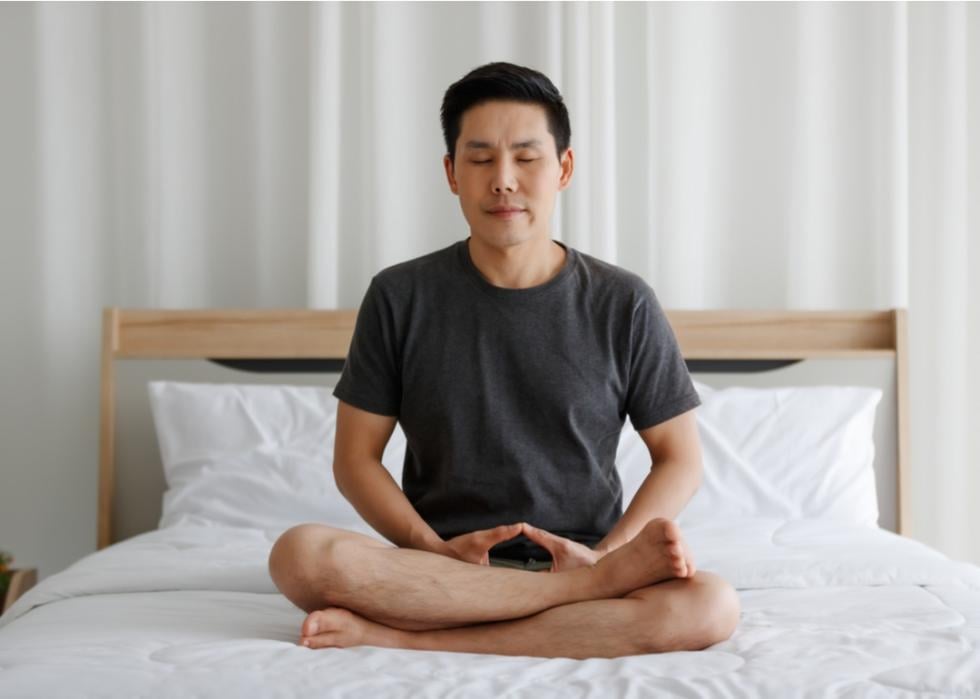
Man seated in meditation on bed.
7 / 10
Bangkok Click Studio // Shutterstock

Try using mindfulness techniques like body scanning and deep breathing

There are mindfulness techniques people claim can make you sleep at will. While there is no research to back these claims, visualization and breathing exercises can help people fall asleep. Body scans are a type of visualization exercise that involves paying systematic attention to various parts of the body. This technique is similar to one that is reportedly . The aim is to shut down each part of your body, from the forehead to the feet.

Breathing exercises are also one of the most simple and basic ways to trigger the body鈥檚 natural relaxation response. This exercise not only helps to reduce tension and calm the body, but it also helps to strengthen the respiratory system.

Cognitive Behavioral Therapy Session.
8 / 10
Canva

Try cognitive behavioral therapy for insomnia

Cognitive behavioral therapy, or CBT-I, is a brief, organized, evidence-based treatment for insomnia symptoms. The treatment helps patients identify and replace attitudes and behaviors that trigger or worsen sleep problems with healthy sleep habits.

Unlike other treatment options such as sleeping pills, CBT-I helps patients address underlying causes of sleep issues. This makes cognitive behavioral therapy for insomnia a good option for treating long-term sleep problems. The suggests that CBT-I is the first-line treatment for insomnia; this suggestion is given based on the treatment method鈥檚 effectiveness. When the CBT-I is utilized, with primary insomnia notice improvements, and the effect lasts.

Woman asleep on the couch.
9 / 10
Kosim Shukurov // Shutterstock

Avoid overusing naps

After a stressful activity, naps are a simple remedy. However, taking a long snooze at the wrong moment might backfire. For some people, short naps won鈥檛 affect their nighttime sleep quality, but for people who experience insomnia, napping might do more harm than good.

This isn鈥檛 to argue that naps aren鈥檛 beneficial, but people need to understand how to get the most out of naps. The best way to take a nap is to keep them short, create a relaxing atmosphere, and avoid taking late afternoon naps that can interfere with nighttime sleep. Individual sleep schedules, age, medicine, and the desire for sleep all play a role in selecting the best time to nap.

Woman on the edge of the bed looking at a prescription and holding a glass of water.
10 / 10
Canva

Ask your doctor about supplements or medications

Some causes of insomnia don鈥檛 need to be treated with medication. However, if medical causes are not ruled out, consulting a doctor is the best line of action. It is not advisable to use any drug, including over-the-counter sleep aids, without notifying a medical provider.

Although some medications have been approved for long-term use, doctors do not advise taking prescription sleeping pills for more than a few weeks. Some drugs, especially sleep aids of the and benzodiazepines, can create dependence in just a few days. A sudden stop in taking these medications can also result in severe withdrawal symptoms. A safer route is to ensure a medical practitioner monitors the administration of sleep supplements such as melatonin or medication.

Trending Now