10 ways to promote a healthier heart

Written by:
February 11, 2022
fizkes // Shutterstock

This story originally appeared on Thistle and was produced and distributed in partnership with 麻豆原创 Studio.

10 ways to promote a healthier heart

As the core of the cardiovascular system, our heart does quite a lot, pumping blood and oxygen throughout our bodies, which is vital to sustaining life. Having a healthy heart can prevent heart disease, the #1 cause of death in the U.S., , with stroke being the fifth-leading cause of death in the nation.

There鈥檚 no specific cause of heart disease but there are risk factors such as smoking, remaining sedentary, and lifestyle choices that greatly increase chances of developing the condition. A nutrient-rich diet is one of the best ways to combat cardiovascular disease. The American diet and its obsession with salt certainly captured the attention of the , which, for the first time, in October 2021, issued final guidance within the food industry to reduce sodium in packaged and prepared foods for the next two and a half years. This is an effort to help Americans limit their sodium intake as high sodium poses a higher risk for high blood pressure, which maximizes the risks for heart disease and stroke. Taking this initiative to push for reduced sodium in packaged foods could potentially prevent thousands of premature deaths and chronic illnesses in the future.

compiled a list of how people can support a healthy heart, citing research from the (CDC) and the . Read on to see some ways you can take care of your body and be on your journey to better heart health. It鈥檚 never too late to start.


1 / 10
FabrikaSimf // Shutterstock

Reduce your sodium consumption

Sodium, a mineral found in many of our favorite foods, can be challenging to avoid. Sodium is frequently found in packaged foods and meals from restaurants. The body uses sodium for better muscle and nerve functionality. A high-sodium diet regularly, however, causes the body to retain excess water and, as a result, the organs have to work harder.

This increases the risk for high blood pressure, which damages the arteries, minimizing the oxygen and blood flow, and leading to heart disease. include eating more fruits and vegetables, opting for fewer sauces, mixes, and 鈥渋nstant鈥 meal products, and simply asking for nutrition information when dining out.

2 / 10
miroha141 // Shutterstock

Avoid saturated and trans fats

Saturated fats, known as 鈥渦nhealthy鈥 fats, are found in animal-based products such as beef, pork, and dairy items like milk and butter. A diet rich in saturated fats can lead to high cholesterol and put people at risk for heart disease. Trans fat is considered the worst type of fat because it increases bad cholesterol and lowers good cholesterol.

Some include watching the intake of fried foods, desserts like cookies and muffins, and other items baked with hydrogenated vegetable oils.

3 / 10
Day Of Victory Studio // Shutterstock

Limit added sugar

Beverages such as soda, energy drinks, coffee, and sweetened teas all contain added sugars. Too much sugar places people at risk for chronic illnesses such as diabetes, cardiovascular disease, and kidney disease. The that men do not consume more than 9 teaspoons (36 grams) per day of added sugar and limits most women and children over 2 years old to 6 teaspoons (25 grams) daily. Overall, adults average 17 teaspoons of sugar daily.

4 / 10
Monkey Business Images // Shutterstock

Incorporate more whole foods into your diet

Whole foods are processed minimally or not at all and are free from additives or artificial ingredients. Fresh fruits and vegetables, whole grains, and unsalted nuts and seeds are some examples of whole foods. When cooking, the  suggests using oils with fewer than 4 grams of saturated fat and avoiding hydrogenated oils and trans fats. Healthier oils include olive, sunflower, and soybean, all of which contain fewer saturated fats.

5 / 10
fizkes // Shutterstock

Manage your stress levels

Believe it or not, there is such a thing as  A happy, exciting event such as a marriage or job promotion can cause stress just as much as a diagnosis of an illness or a family crisis that can bring 鈥渂ad stress.鈥 Stress impacts all areas of the body and affects everyone differently.

Stress often manifests physically through aches and pains, muscle tension, and high blood pressure. It causes harmful reactions such as an irregular heart rate and a decrease in blood flow to the heart. such as meditation or listening to music can help lower stress levels. It also helps to exercise regularly and carve out quality time with loved ones.

6 / 10
Halfpoint // Shutterstock

Exercise regularly

Regular exercise, or any type of physical activity for that matter, is important for health overall, but especially heart health. Exercise improves circulation and cholesterol, lowers blood pressure, and helps to keep blood sugar in check. For adults, the like brisk walking and bicycling into your routine on a weekly basis for better heart health.

7 / 10
Studio ART // Shutterstock

Don't smoke

Smoking plays a huge role in the cause of , causing 1 in 4 deaths. Smoking has many effects on the heart such as causing a rise in blood pressure and an increase in plaque in blood vessels. Secondhand smoke鈥攚hen smoke is inhaled by someone who isn鈥檛 smoking鈥攃an also cause strokes and serious conditions like heart disease.

8 / 10
Me dia // Shutterstock

Check your blood pressure at home

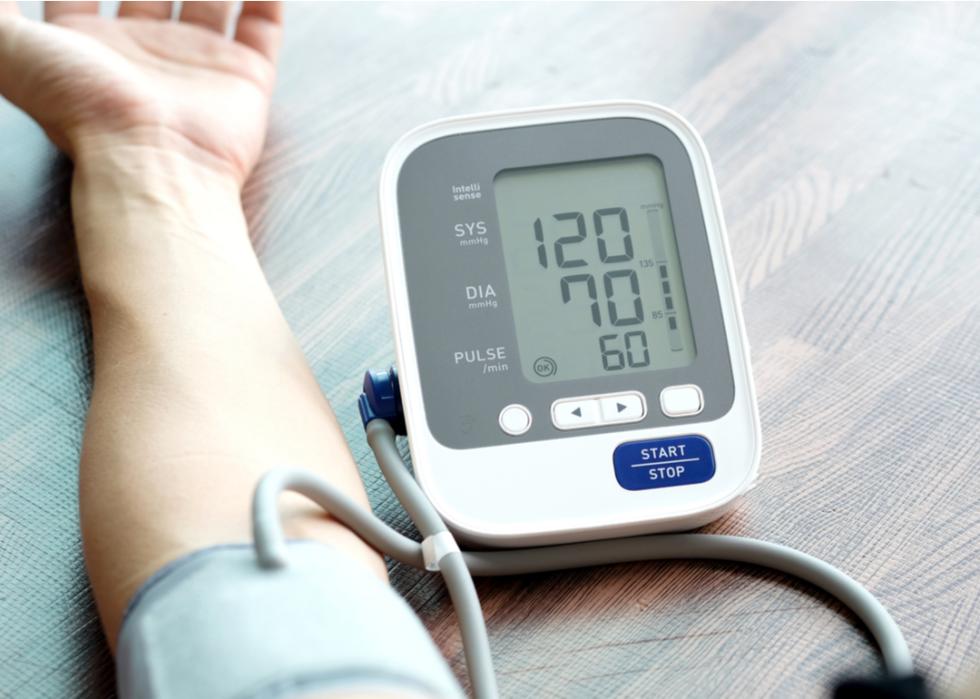
It鈥檚 not always convenient to go to the doctor鈥檚 office, but luckily, at-home digital blood pressure monitors give accurate readings (as long as the arm is held straight).

Some people may keep a logbook to record blood pressure readings: It鈥檚 best to record anything significant that took place prior to the reading, such as a stressful moment at work or exercising a few minutes before. Over the course of a few days or weeks, it鈥檚 beneficial to discuss the readings with your doctor.

9 / 10
skipper_sr // Shutterstock

Schedule regular health screenings

The stethoscope is a device that allows physicians to listen to the sounds of your heartbeat as well as those of the lungs. By listening to these sounds, a doctor can determine if there鈥檚 a heart murmur or irregularity in the lungs. Regular health check-ups are important as they can help detect health issues early and before they become serious. Some include monitoring blood pressure, cholesterol, blood glucose levels, and body weight.

10 / 10
JohnKwan // Shutterstock

Understand your family's health history

Family health history is an important factor in determining whether a person has a higher probability of developing common health conditions such as heart disease or hypertension. These chronic conditions are often influenced by genetics, environmental, and lifestyle choices.

If has or had a specific disease, you have a greater chance of developing that same health issue. This doesn鈥檛 mean you will automatically have the same disease, it just means your chances of having the condition are higher. If you鈥檙e unsure of your family鈥檚 health history, start with asking your immediate relatives such as your parents, siblings, and grandparents.

Trending Now