20 ways COVID-19 is impacting children around the world

Written by:
May 6, 2020
TANG CHHIN SOTHY/AFP // Getty Images

20 ways COVID-19 is impacting children around the world

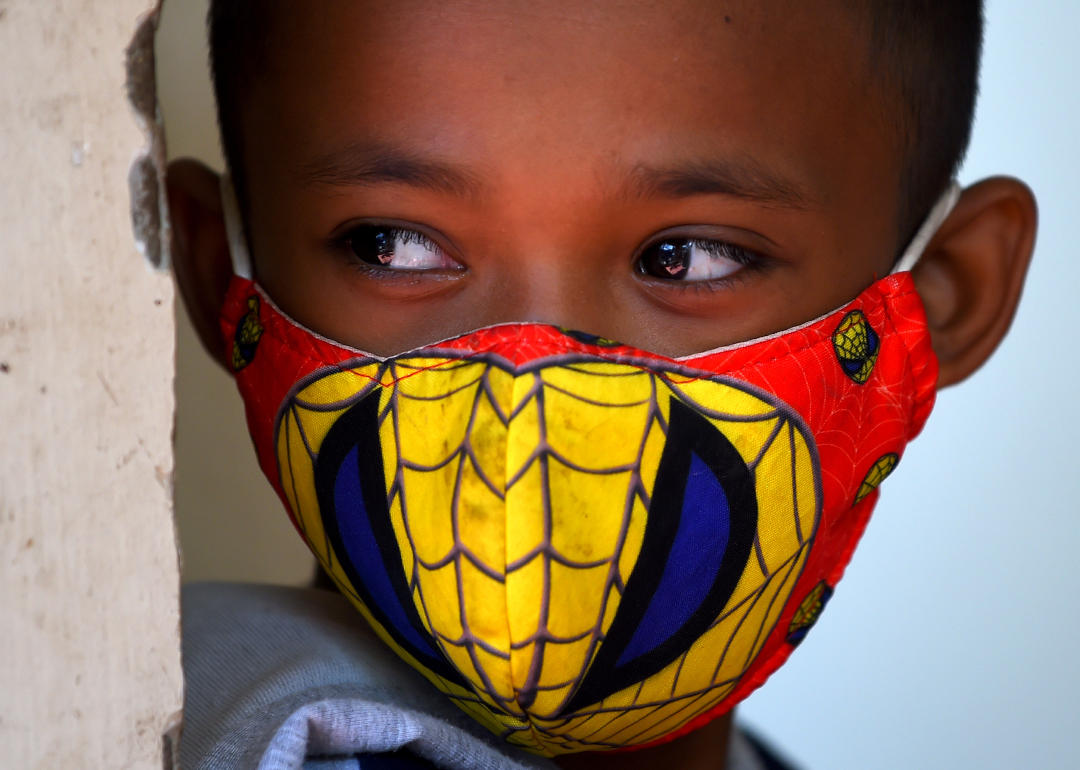
If there's one group of people that seems to face a lower-than-average risk of catching the coronavirus, it's kids. A recent study in the Journal of the American Medical Association found that people age 19 and under made up only about in China. The findings have been echoed in, which has found that children tend to experience different, less severe symptoms of COVID-19 than adults, and are much less likely to be hospitalized or killed by the disease. It's a small ray of sunshine in an otherwise dark situation.

Just because children don't seem to be as susceptible to the coronavirus as adults doesn't mean they're unaffected by the pandemic, though. The global response to the COVID-19 pandemic has touched everyone's lives in one way or another.

Children, in particular, are facing an array of unprecedented challenges. Some schools have and from vulnerable communities without essential tools needed to complete online lessons at home. Supply chain issues have created, leaving children at risk of dying from preventable diseases. Some children may also be at risk of homelessness and other dangers, as and. Children also need to contend with social distancing and isolation, the long-term effect of which has yet to be studied.

The coronavirus may not infect children in the same way as it does adults, but it's no doubt having an effect on their wellbeing. To understand the many ways the coronavirus is affecting children around the world, 麻豆原创 took a look at scientific research, news articles, government reports, and information from nonprofit organizations.

Read on to learn more about the impact of the novel coronavirus on children.

1 / 20
Chip Somodevilla // Getty Images

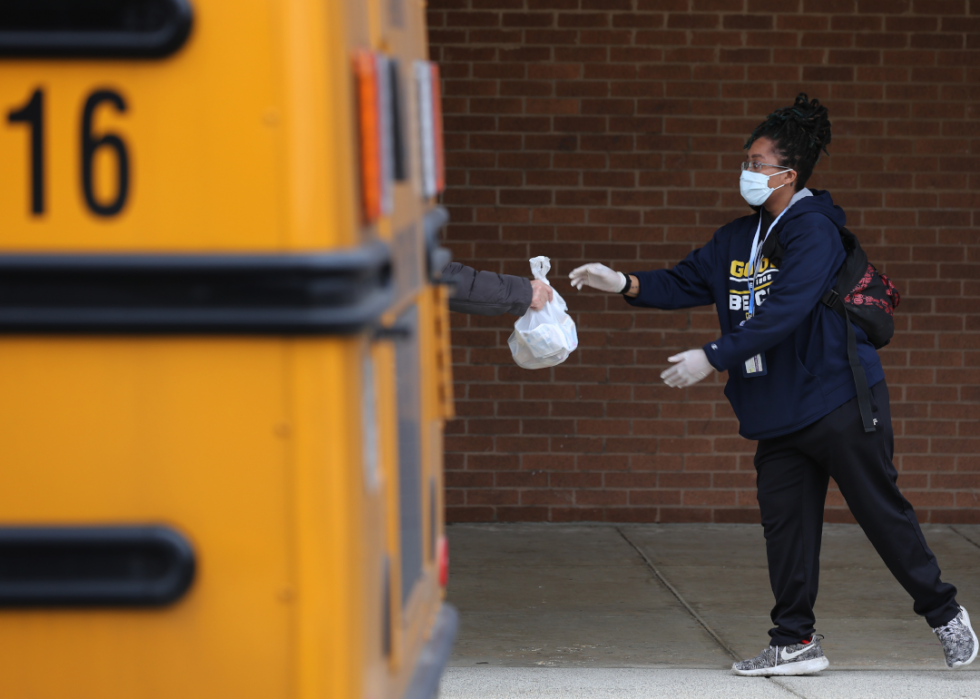
Millions of children miss out on school meals

The COVID-19 outbreak has forced schools to close in, according to the World Food Programme. As a result, at least  around the world are missing out on meals at school.

2 / 20
Christ Chavez // Getty Images

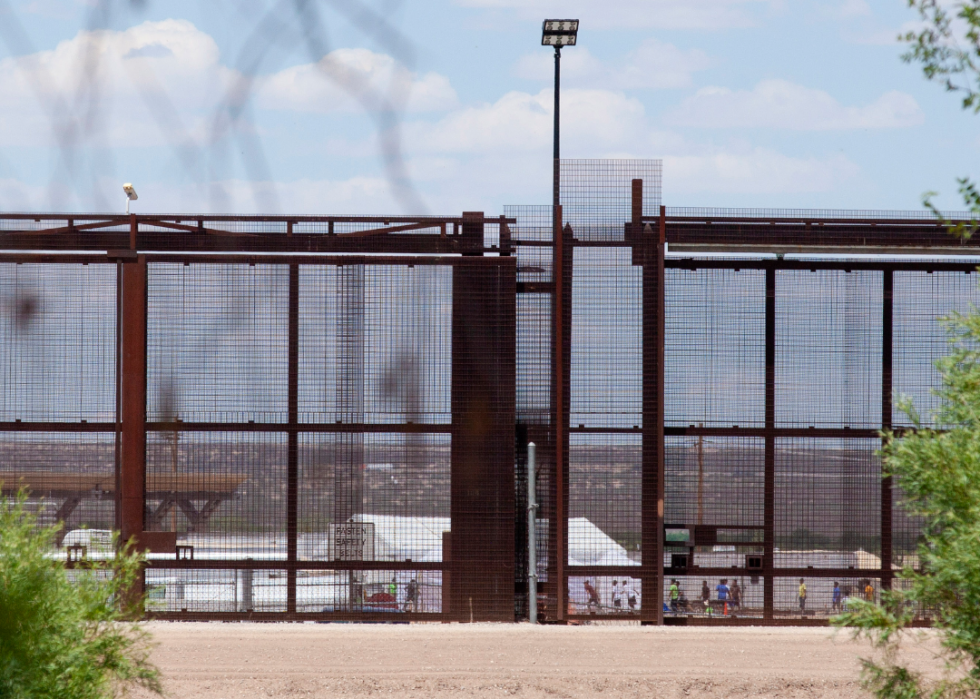
Asylum hearings for immigrant children go digital

Despite attorneys鈥 requests to delay hearings during the pandemic, unaccompanied immigrant children threatened by deportation are going through the process of requesting asylum in the U.S. over video as part of a pilot program in Houston. Immigration attorneys have said that the, according to Texas Monthly reporting. The virtual asylum proceedings have also been riddled with technical difficulties.

3 / 20
CHRISTOF STACHE/AFP // Getty Images

COVID-19 affects children鈥檚 social development

Long-term social distancing measures can, according to Healthline. Psychologists say that virtual social interactions don鈥檛 offer the same level of intimacy as in-person connections for adolescents, which could 鈥渄ramatically decrease their opportunities for new experiences and self-discovery.鈥

4 / 20
Ben Hasty/MediaNews Group/Reading Eagle // Getty Images

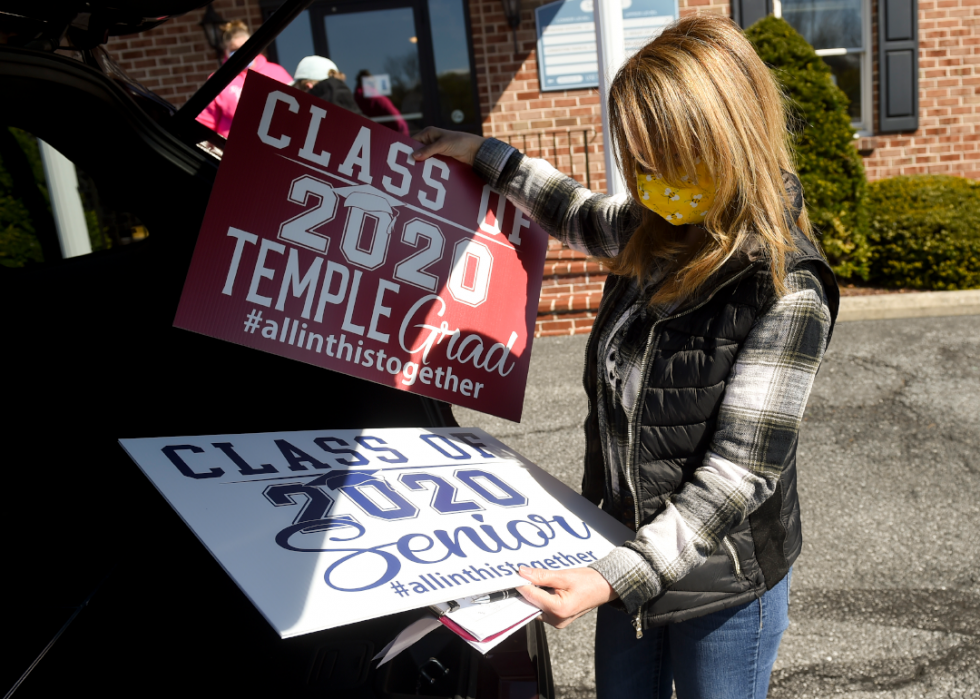
High schools cancel graduation ceremonies

Some high schools in the U.S. are postponing graduation ceremonies for the class of 2020 while others are . Students and their parents are  that their academic achievement may go unrecognized due to the coronavirus, according to USA Today reporting.

5 / 20
Erin Clark/The Boston Globe // Getty Images

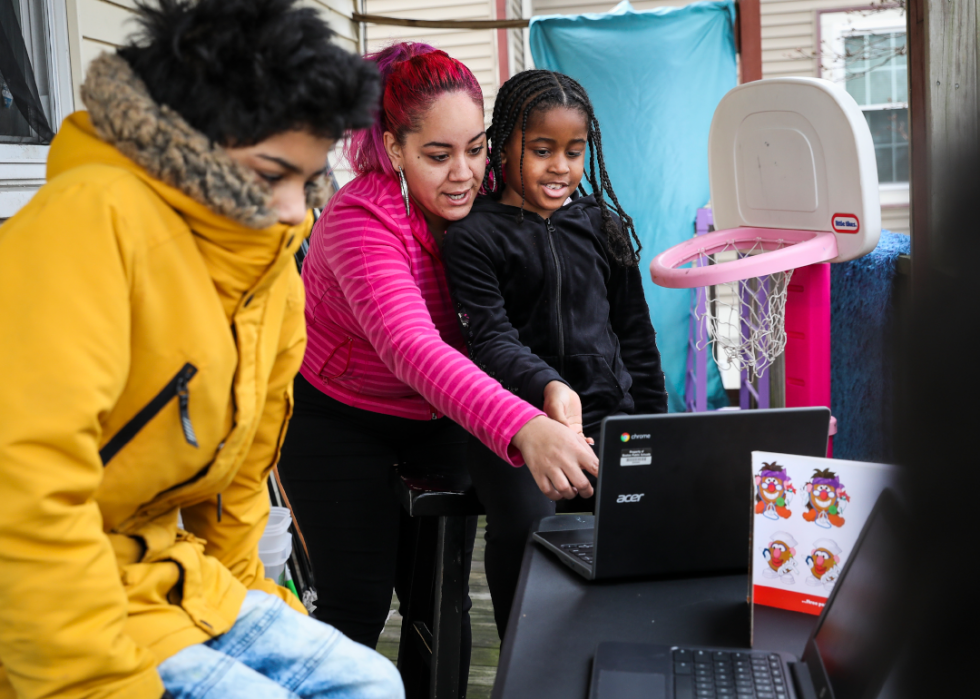
Students lack technology to complete classes online

After being forced to close due to the pandemic, many school districts have switched to online instruction. However, technology gaps and financial difficulties are leaving some students behind. According to The Philadelphia Inquirer, that at least 25% of her students were failing to attend online lessons or complete homework because they lacked WiFi or had to spend time working or caring for relatives.

6 / 20
Artyom Ivanov\TASS // Getty Images

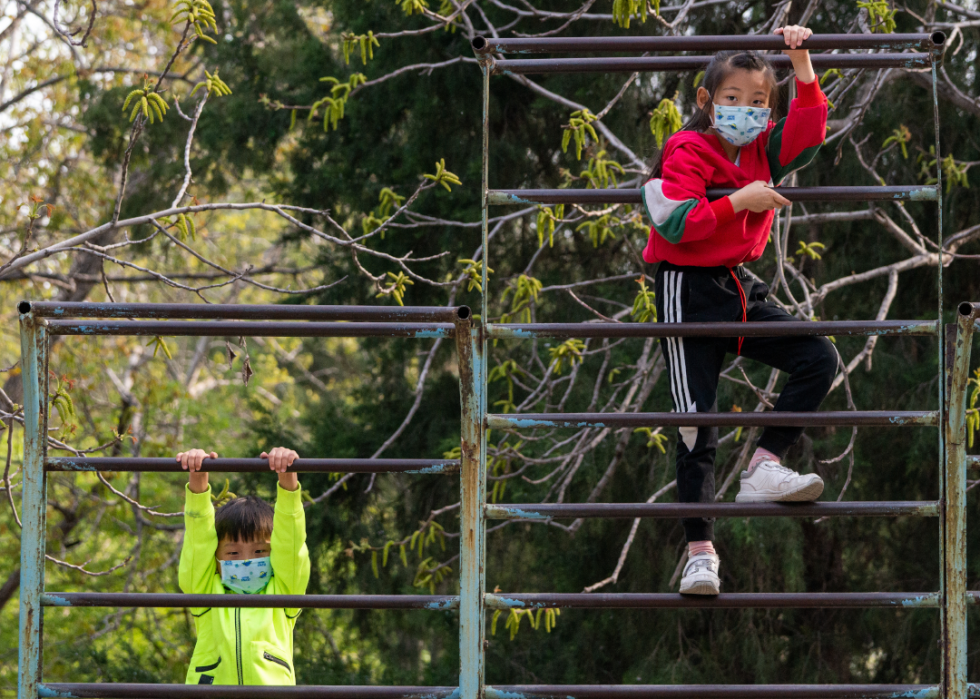
More than 220 million children confined to homes in China

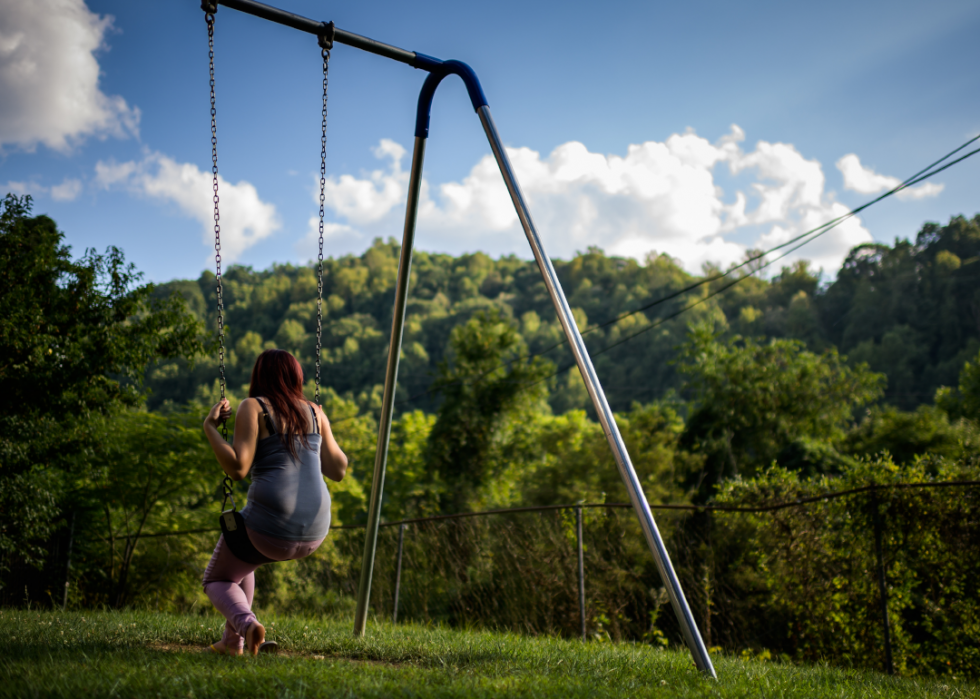
More than 220 million children in China were forced to stay inside their homes in an effort to prevent the spread of COVID-19. The to children鈥檚 physical and mental health, according to an article published in The Lancet journal. Stuck at home, children may be physically less active, have sleep disruptions, and eat less healthy food, warn researchers.

7 / 20
Pietro D鈥橝prano // Getty Images

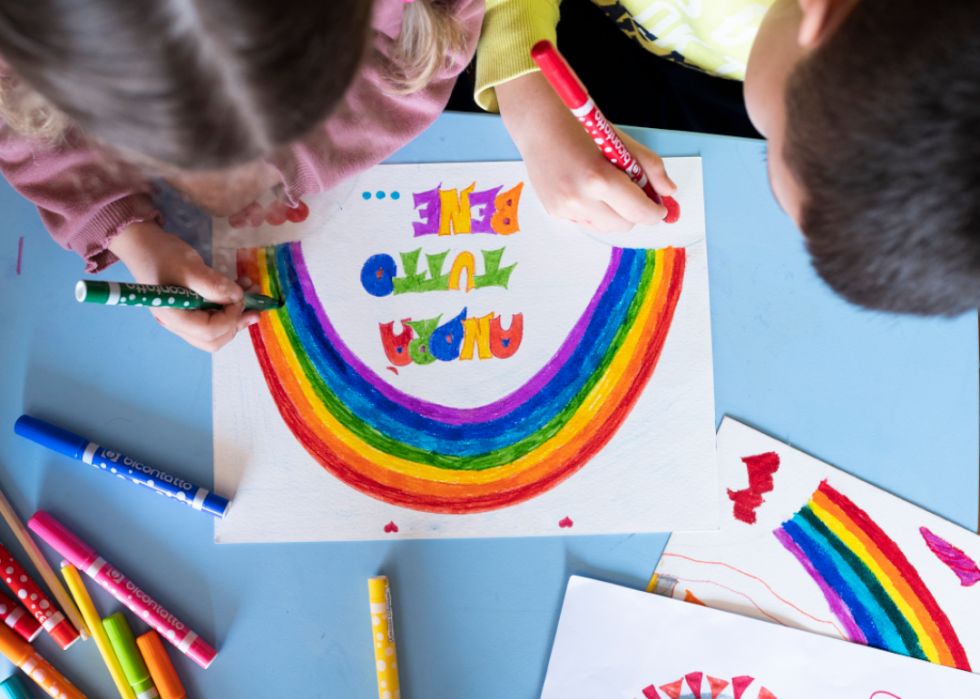
Children show what they miss most in drawings

Amid social distancing measures and stay-at-home orders, kids around the globe are experiencing a universal longing for quintessential childhood experiences they鈥檙e missing out on. They鈥檝e been: schoolmates, time with their grandparents, sports, flowers, and more, according to an article published by Reuters.

8 / 20
Christopher Furlong // Getty Images

Child abuse goes undetected in the US

Reuters reports that calls to child abuse hotlines in the U.S. have since social distancing restrictions were put in place. Authorities are concerned that the tell-tale signs of child abuse and neglect are going undetected while kids are home all day.

9 / 20
David Ramos // Getty Images

Spain bans children from leaving their homes

Spain went on lockdown in mid-March when the coronavirus struck. The government permitted adults to leave their homes for certain essential reasons, like going to the grocery store and buying medical supplies. However, children in Spain were banned from leaving their homes entirely. After six weeks鈥攁nd a great deal of protest from parents and experts鈥 each day with adult accompaniment. 

10 / 20
KAREN MINASYAN/AFP // Getty Images

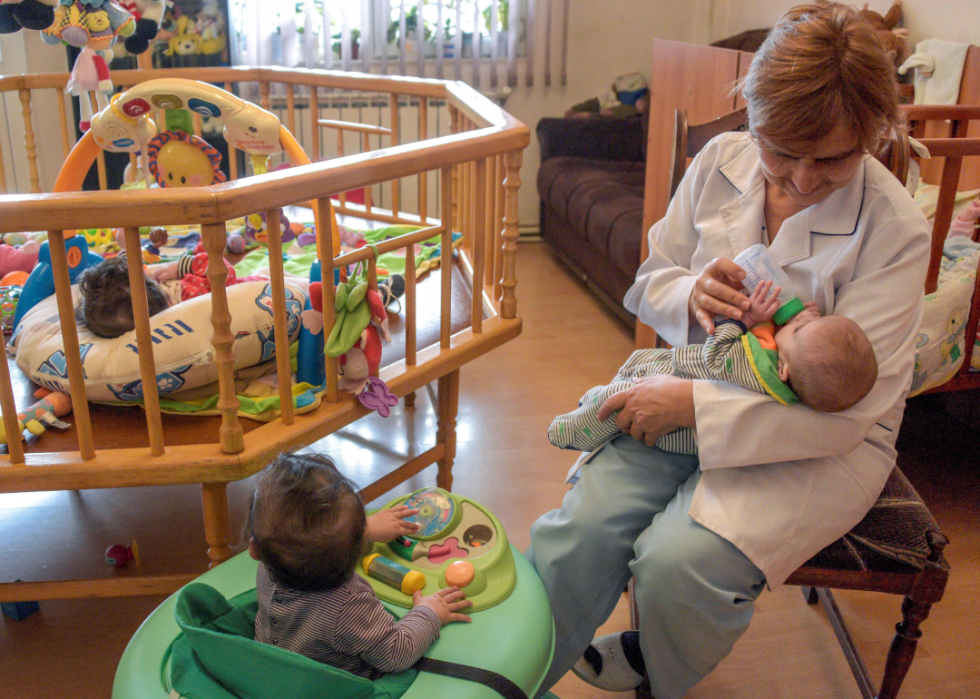
Orphanages face staff shortages

Around worldwide live in orphanages, according to Hope and Homes for Children. The organization warns that due to the pandemic are putting kids at increased risk of abuse, harm, and infection.

11 / 20
humphery // Shutterstock

Adoptions from China come to a halt

The are in limbo due to the coronavirus lockdown, according to The Denver Channel. If the delays continue, some children may age out of the system and become ineligible for adoption.

12 / 20
Salwan Georges/The Washington Post // Getty Images

Foster children have nowhere to go

Some foster parents in the U.S. have out of fear that they may spread the coronavirus to their families, according to The Marshall Project. Child welfare authorities worry that may leave some children out on the street or confined to overcrowded shelters.

13 / 20
Robert Michael/picture alliance // Getty Images

Kids鈥 screen time skyrockets

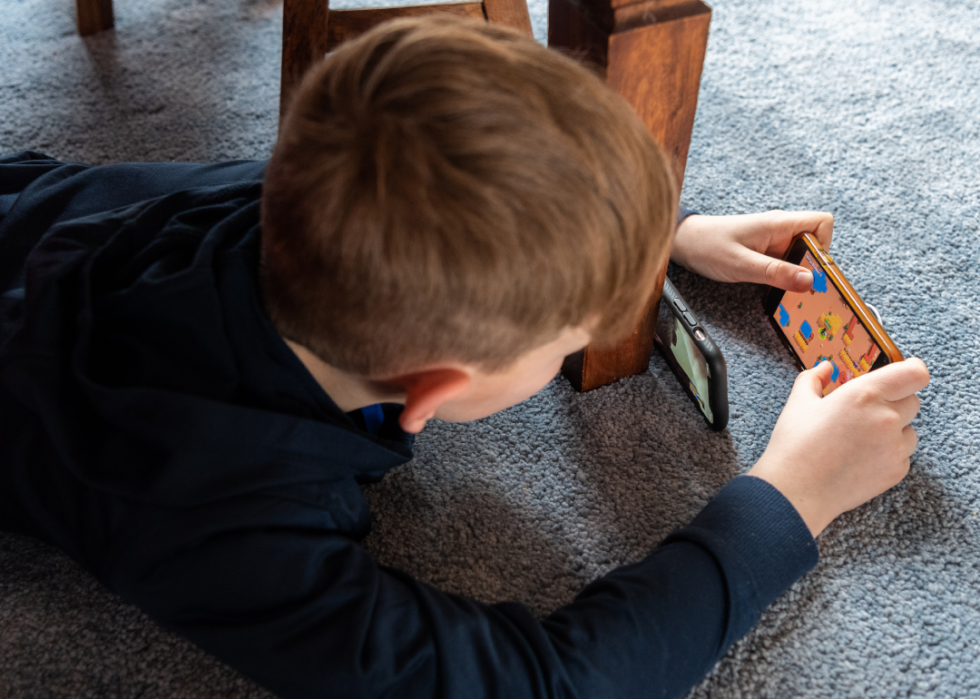
With children stuck at home and school lessons now being taught online, around half of the kids in the U.S. are now online for at least, according to a ParentsTogether poll of 3,000 parents released April 23, 2020, (the poll ran from April 16鈥20). Prior to the pandemic, fewer than 9% of children spent that amount of time online. Parents are concerned that the increased screen time could lead to addictions to social media and games, or that their children will fall prey to online bullying and exploitation.

14 / 20
Gareth Copley // Getty Images

Children face greater risk of obesity

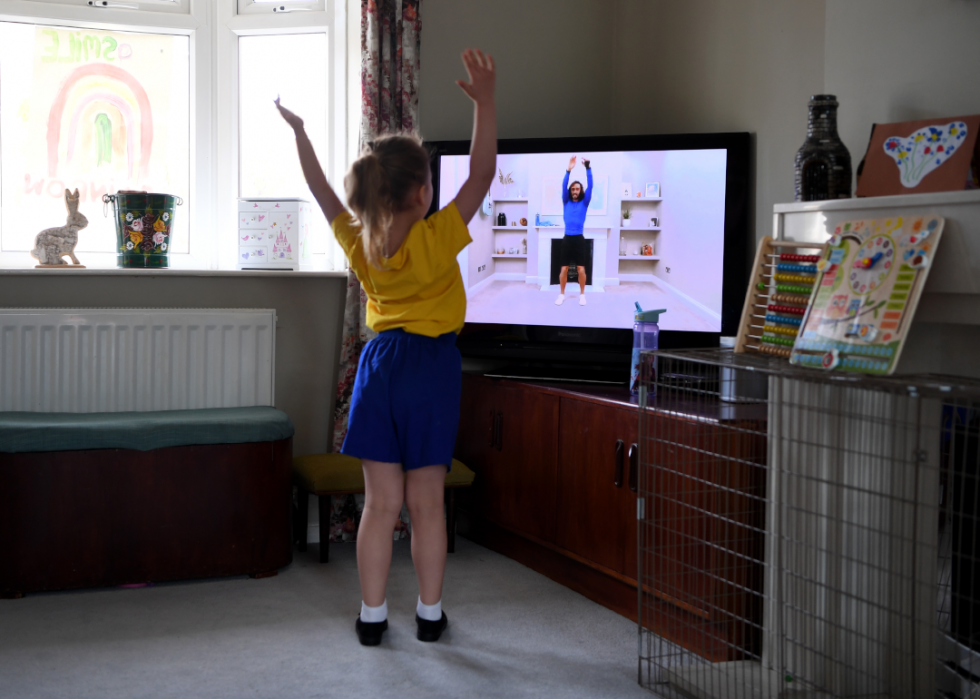
In a study by the Obesity Society published March 30, 2020, researchers warn that the for childhood obesity. The researchers say that school closures and stay-at-home orders create circumstances that are similar to summer recess, which keep kids sedentary and put them at greater risk of becoming overweight or obese. 

15 / 20
Anna Markina // Shutterstock

Hand sanitizer poisons children

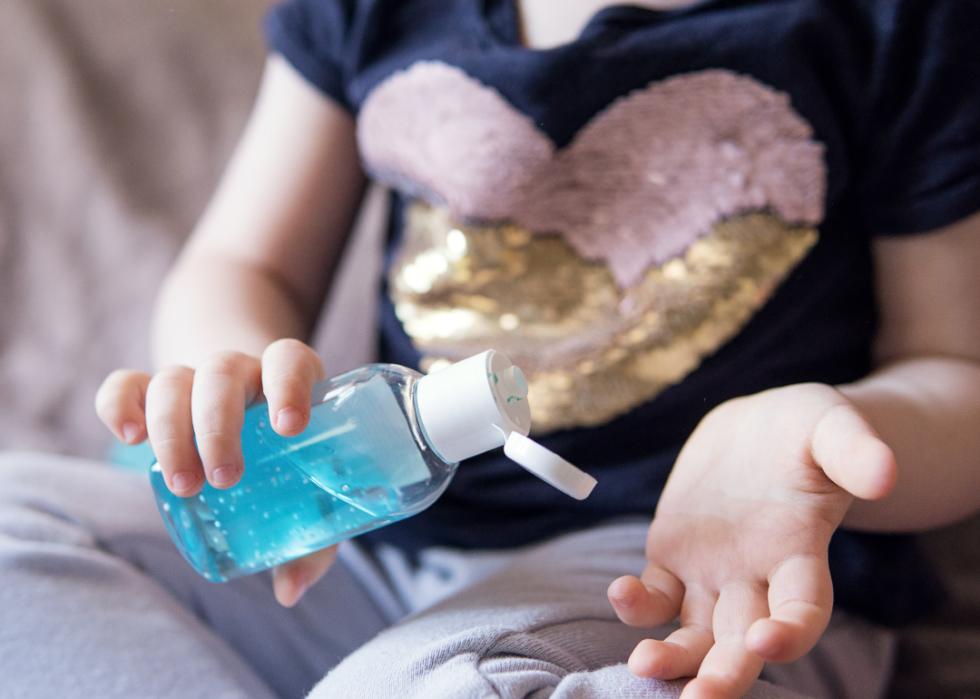
The National Poison Data System received during March of this year than in March of 2019. The U.S. Food and Drug Administration is urging manufacturers to label hand sanitizer in ways that discourage ingestion, and to make the substances unpalatable to people.


16 / 20
Mohammed Hamoud // Getty Images

Childhood vaccinations are scaled back

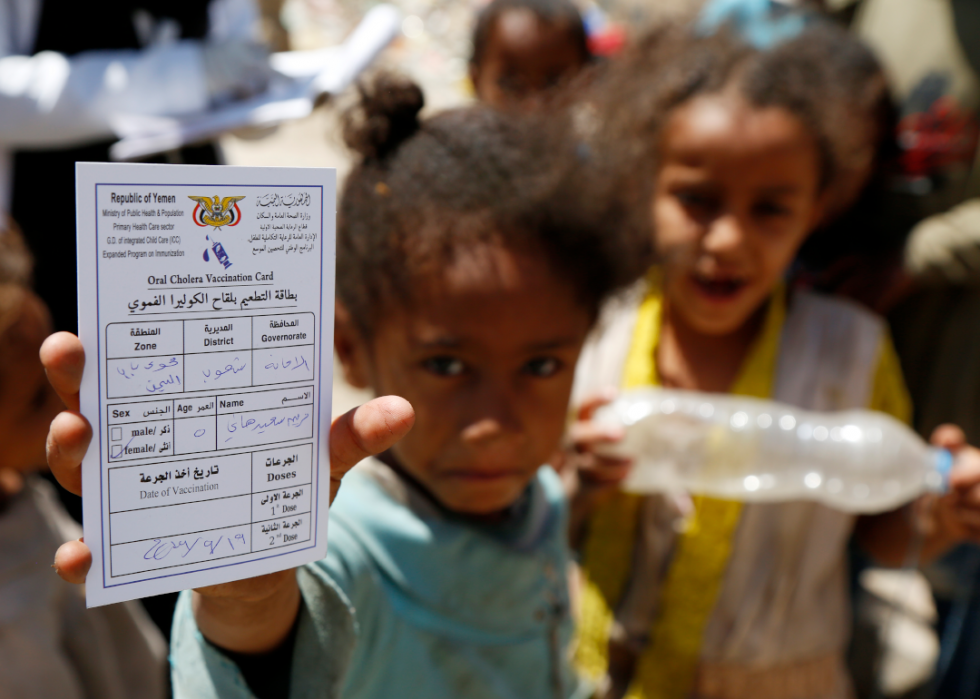
Border closures and transportation issues related to the pandemic are creating vaccine shortages in, according to WHO General Director Tedros Adhanom Ghebreyesus, citing data from Gavi, the Vaccine Alliance. The World Health Organization has warned that children around the globe will die if they can鈥檛 be vaccinated against measles, polio, and other preventable diseases.

17 / 20
Tang Yanjun/China News Service // Getty Images

Hats in Chinese school uniforms keep kids distanced

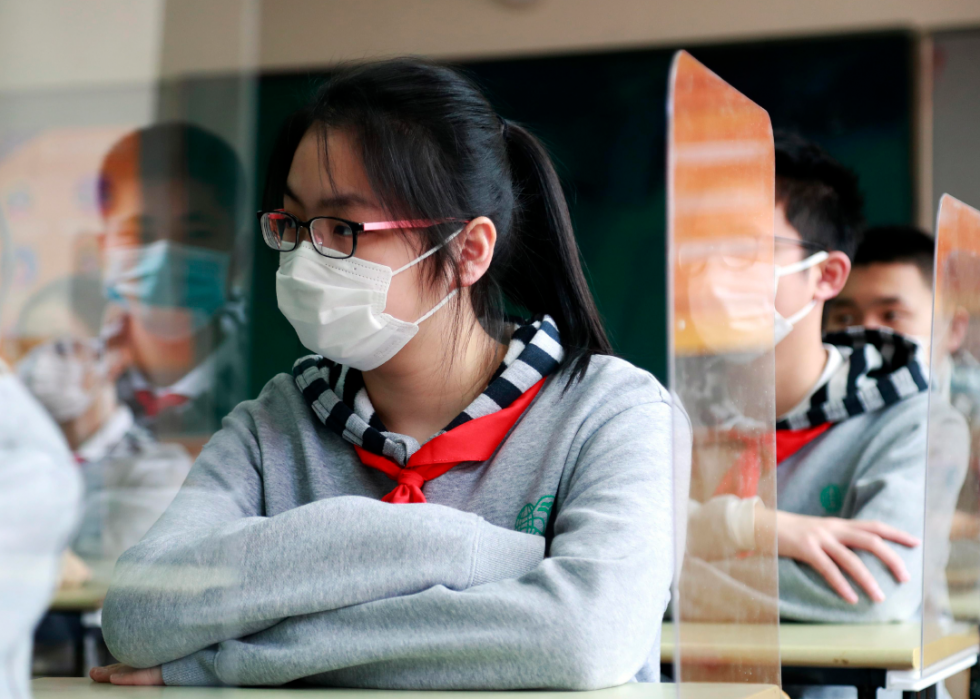
After spending three months at home, children at one school in China returned to class with a new uniform that includes an unusual accessory:. The headgear is meant to remind kids to keep enough distance from their classmates to prevent the spread of germs.

18 / 20
Andrew Lichtenstein/Corbis // Getty Images

Children are regressing

Therapists in London are seeing, such as bed-wetting and nightmares, during the coronavirus pandemic, according to the CamdenNewJournal. Some experts believe the behaviors are a response to isolation and increasingly stressed-out parents.

19 / 20
Matthias Balk/picture alliance // Getty Images

Estonian children receive 鈥榯hanks鈥 from president

Estonian President Kersti Kaljulaid officially for their efforts helping to prevent the spread of the coronavirus. She reminds youngsters that their willingness to stay indoors more than usual is helping the country keep people protected from the coronavirus, as well as other diseases.

20 / 20
Subash Shrestha/Pacific Press/LightRocket // Getty Images

Coronavirus pushes kids into extreme poverty

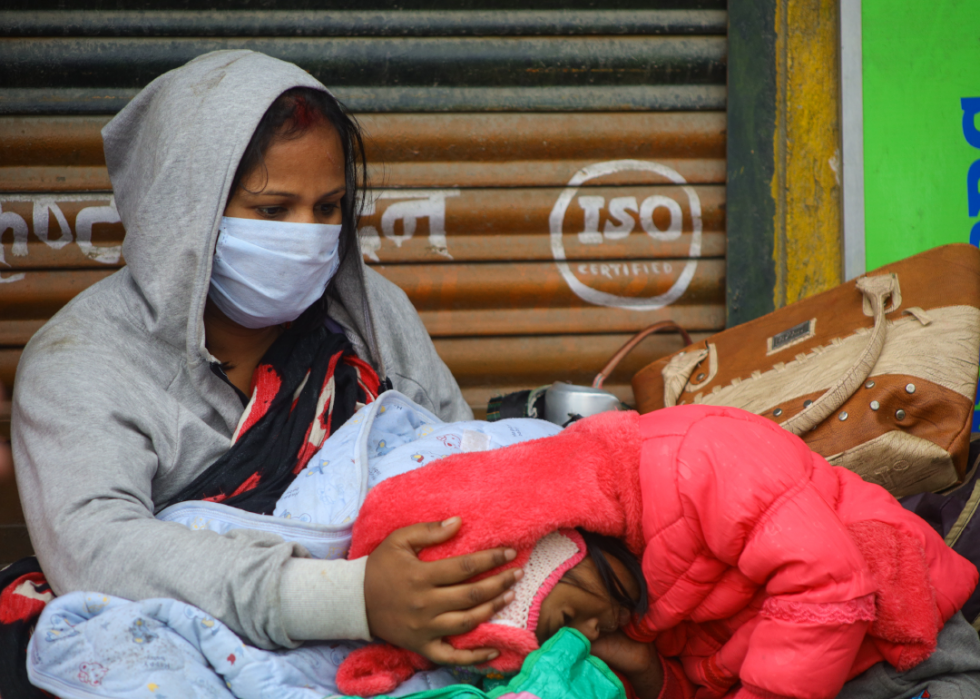
The United Nations warns that the economic hardship brought on by the pandemic may result in the this year and increased infant mortality rates. It estimates that up to "66 million children could fall into extreme poverty" in 2020, on top of the 386 million kids who were already in extreme poverty last year.

Trending Now