This story originally appeared on Sunday Citizen and was produced and distributed in partnership with 麻豆原创 Studio.
30 sleep habits from around the world
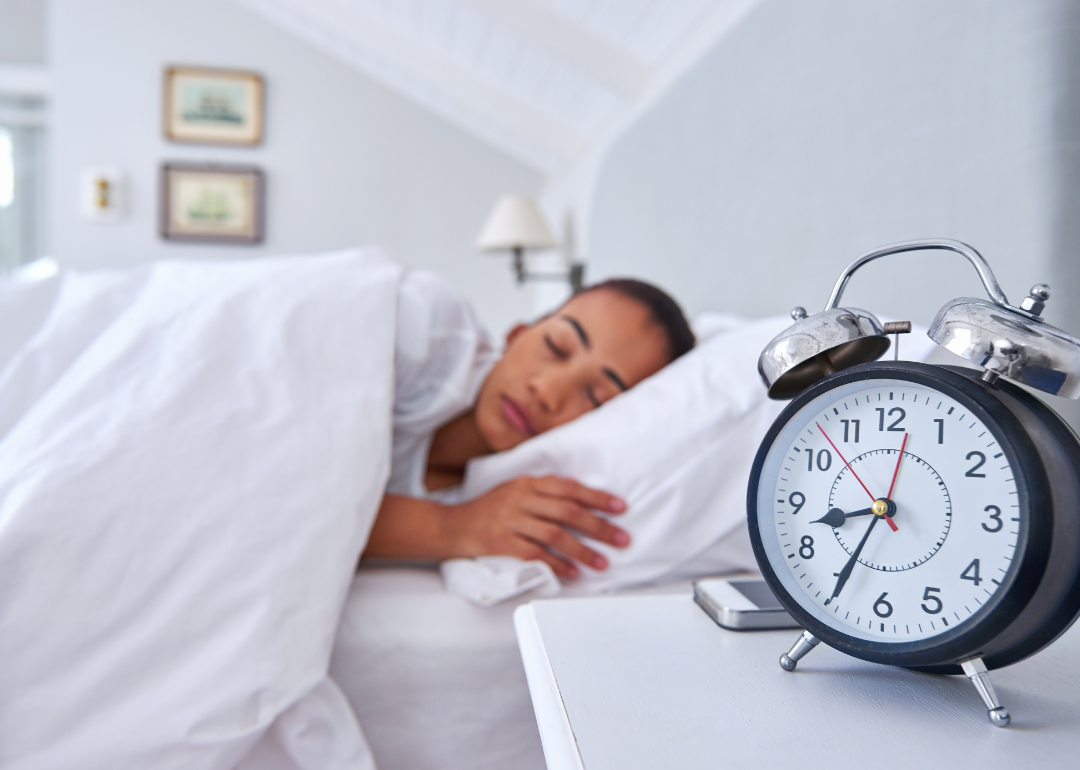
If there's one thing everyone in the world has in common, it's sleep. At some point during each 24-hour period, we shut our eyes, quiet our minds, and recharge our bodies. While scientists are still researching the ins and outs of how sleep works, we know this core function brings about a slew of benefits for our mental and physical health.
Research shows that , bolsters the immune system, helps regulate our breathing and blood pressure, and improves our cardiovascular health. A long-term lack of sleep may mean missing out on these benefits, and can put you at greater risk for ranging from stroke to seizures鈥攏ot to mention shortening your life expectancy.
Beyond the health benefits and the essential nature of sleep for all humans, catching some z's can look very different from person to person and culture to culture. At bedtime, American millennials might tuck themselves into a set of bamboo sheets atop a memory-foam mattress they ordered online. Their Japanese counterparts, however, may and pile it up with a shikibuton (a kind of thin cotton mattress) and kakefuton (duvet stuffed with silk fibers) before resting their heads on a buckwheat hull pillow.
To learn more about sleep habits from around the world, took a look at scientific research on how sleep duration, quality, and other factors vary by country. We also read reports from news outlets including Fodor's, The New York Times, NPR, Healthline, Thrillist, Refinery29, and the BBC, searching out all the ways people get their 40 winks.
Keep reading to discover 30 sleep habits from around the world, from midday siestas and napping at the office to elevating beds with bricks and drifting off in a hammock.
Spain: Take a siesta in the afternoon
Spain has long practiced the tradition of the siesta鈥攁 reserved for sleeping and recharging around noon. The convention has spread to many other places with hot climates, particularly Latin American countries.
South Korea: Turn fans off before bedtime
Despite the hot, humid weather of summer, you won鈥檛 find many older South Koreans cooling off with an electric fan while they sleep. Some in that generation believe in the old wives' tale of a South Korean superstition that warns that you may die if you fall asleep next to an electric fan.
United States: Snuggle up next to a pet
A 2020 found 74% of American dog owners share the couch or bed with their pets. Science shows boosts oxytocin, lowers stress levels, and can even .
Afghanistan: Bedrooms are for more than just sleep
While many people in Western countries reset their beds in the morning, many in Afghanistan do so at night. That鈥檚 because Afghans use their during the day. After waking, blankets get folded and mattresses pushed to the side to open the room up for daytime use.
Guatemala: Worry dolls promote stress-free sleep
Parents in Guatemala often place a small handmade toy known as a 鈥溾�� under their children鈥檚 pillows at bedtime. Legend has it that these colorful dolls soothe worries that creep up at night, when there鈥檚 little else left to distract the mind, and help kids get a good night's rest.
Japan: Workers nap in the office
It鈥檚 not uncommon to see an office worker in Japan take a , according reporting from the New York Times. Rather than being seen as a sign of laziness, office naps are viewed as indicators of having worked especially hard.
France: Babies sleep through the night at 10 weeks
French babies are known to sleep through the night as , according to Pamela Druckerman, author of 鈥淏ringing Up Bebe.鈥� She attributes this phenomenon to a technique called 鈥渢he pause,鈥� in which parents wait before rushing in to soothe a crying baby in order to see if the infant can connect his or her two-hour sleep cycles on their own.
Scandinavia: Babies nap outside in winter
Many Nordic and Scandinavian parents don鈥檛 think twice about in their carriage for an afternoon nap. Al fresco naps continue all year round鈥攅ven in winter, when temperatures in cities like Stockholm regularly plummet to 23 degrees Fahrenheit.
Mexico: Prayers come before sleep
A 2013 survey from the National Sleep Foundation found that or meditate before bedtime. The figure was 15 percentage points higher than the number of Americans who do the same thing.
Botswana: Sleep isn鈥檛 scheduled
Forager groups in Botswana don鈥檛 have set sleeping and waking times. Instead, they they feel like it, whether it鈥檚 in the middle of the day or late at night, according to anthropologist Carol Worthman.
Australia: Groups sleep together
Members of indigenous groups in Australia have a 鈥溾�� for co-sleeping, according to anthropologist Yasmine Musharbash. They often lay out their beds in row-like patterns called yuntas, with the most vulnerable people (like kids) in the middle and adults at the ends.
UK: Sleeping without clothes
A 2018 poll from found that 23% of Brits choose to sleep without clothes. Catching some z鈥檚 without clothes is associated with , clearer skin, and even improved male fertility.
Germany: Couples use separate duvets
Sleeping with a blanket hog? Make like German couples and get a for each person. The sleeping tradition is also found in Austria and Scandinavia, and has inspired product launches from Ikea.
Italy: Workers get long lunch breaks for naps
Like the Spanish siesta, Italians have their own midday nap known as a 鈥渞iposo.鈥� It usually starts just after lunchtime and .
China: No mirrors allowed near the bed
The Chinese practice of feng shui discourages people from . The philosophy is that mirrors can bounce energy across a room, which can interfere with peaceful rest..
South Africa: Elevate your bed with bricks
Some indigenous groups in South Africa using bricks. Keeping your bed high off the ground supposedly helps protect you from the tokoloshe, a mythical creature that possesses its victims.
Brazil: Town retains pre-industrial sleep habits
The community in Baependi, Brazil, has been shown to be one of the few remaining groups of people on Earth with . People there tend to go to sleep at 9:20 p.m. and wake at 6:30 a.m.
Finland: Babies snooze in cardboard boxes
The Finnish government sends expectant mothers a box full of supplies, like sheets and toys, for their babies. The for newborns.
Belgium: Earliest bedtime in the world
A 2014 study of 8,070 people around the world revealed that Belgium women tend to have the . On average, they go to sleep around 10:30 p.m.
Switzerland: Newborns sleep in hammocks
are typically placed in a h盲ngematten, a type of hammock, for sleep. The idea is that the hammock鈥檚 rocking imitates the swaying they experienced in the womb, creating a soothing effect.
Egypt: Sleep in two phases
, which involves two or more phases of sleep (rather than one extended period of rest) throughout a 24-hour period, is not uncommon in Egypt. People there tend to sleep about six hours in the evening and about two hours in the afternoon.
Canada: Inuits snuggle up to stay warm
Cuddling with people on both sides when you鈥檙e getting ready for bed is common in Inuit communities in Northern Canada. Snuggling up helps people .
South India: Women tie hair up before sleep
In South India, many women . Legend dictates hair should be tied up before bed in order for a woman to avoid becoming possessed.
Sub-Saharan Africa: Sleep under a net to stop bug bites
Many people in countries throughout sub-Saharan Africa, including Ethiopia, Rwanda, Uganda, and Senegal, . The nets help prevent the spread of malaria from mosquito bites.
Argentina: Kids get a late bedtime
Bedtime doesn鈥檛 usually come along until for kids in Argentina, according to Sara Harkness, a professor at the University of Connecticut. Parents use their kids鈥� extra waking hours to focus 鈥渙n the social aspects of child development.鈥�
Singapore: Sleep doesn鈥檛 last as long as elsewhere
A 2016 study that tracked smartphone data from 20 countries found that people in Singapore have the shortest sleep duration. On average, they sleep about .
Slovakia: World鈥檚 best sleep quality
People in Slovakia have the in the world, according to 2014-2015 data from 941,300 people who use the app Sleep Cycle. Malaysians, on the other hand, had the worst average sleep quality out of 50 countries.
Norway: 'Midnight Sun' keeps people up late
It can still be light out late at night in northern Norway during the spring. The ," as the phenomenon is called, keeps people up late, and it鈥檚 not uncommon to see people sipping coffee or even hiking at midnight.
Indonesia: Stress induces instant sleep
Some people on the Indonesian island of Bali have developed a technique called When they鈥檙e stressed out, they can instantly fall asleep, according to anthropologist Carol Worthman.
Outer space: Astronauts sleep in restraints
When it鈥檚 time to go to bed on the space station, astronauts crawl into their own private sleeping quarters and strap themselves into so they won鈥檛 float around. Everything from the lighting and temperature to the noise and carbon dioxide levels is carefully regulated to promote optimal sleep.