9 ADHD symptoms in children parents should look out for
This story originally appeared on HeyTutor and was produced and distributed in partnership with 麻豆原创 Studio.
9 ADHD symptoms in children parents should look out for
Attention deficit hyperactivity disorder, or ADHD, affects about .
In general terms, children with ADHD often have trouble staying focused and exhibit hyperactive and impulsive behaviors. Roughly twice as many boys as girls were diagnosed with ADHD in 2015-2016. ADHD is a chronic condition that may carry over into adulthood.
compiled a list of nine common ADHD symptoms found in children. While HeyTutor consulted established medical organizations including and , only health care professionals鈥攃hild psychologists, psychiatrists, and primary care providers鈥攃an appropriately diagnose children with ADHD. Diagnosing ADHD can be challenging because so many of its symptoms are, in milder forms, common behaviors seen in most children鈥攆rom trouble listening to loud play.
Parents can take the first step in helping children who exhibit ADHD symptoms by contacting a medical professional for a consultation (or several) to confirm whether the symptoms fit a formal ADHD diagnosis. A doctor will be able to determine whether another condition may better explain the symptoms鈥攐r, as is often the case, if the child has along with ADHD.
Treatment for ADHD ranges from behavioral changes in parents, such as breaking down tasks into manageable pieces or providing more structure, to a variety of medications. Medical professionals widely agreed that the earlier a diagnosis happens and treatment begins, the better. Keep reading to learn more about nine common ADHD symptoms in children parents should look out for.
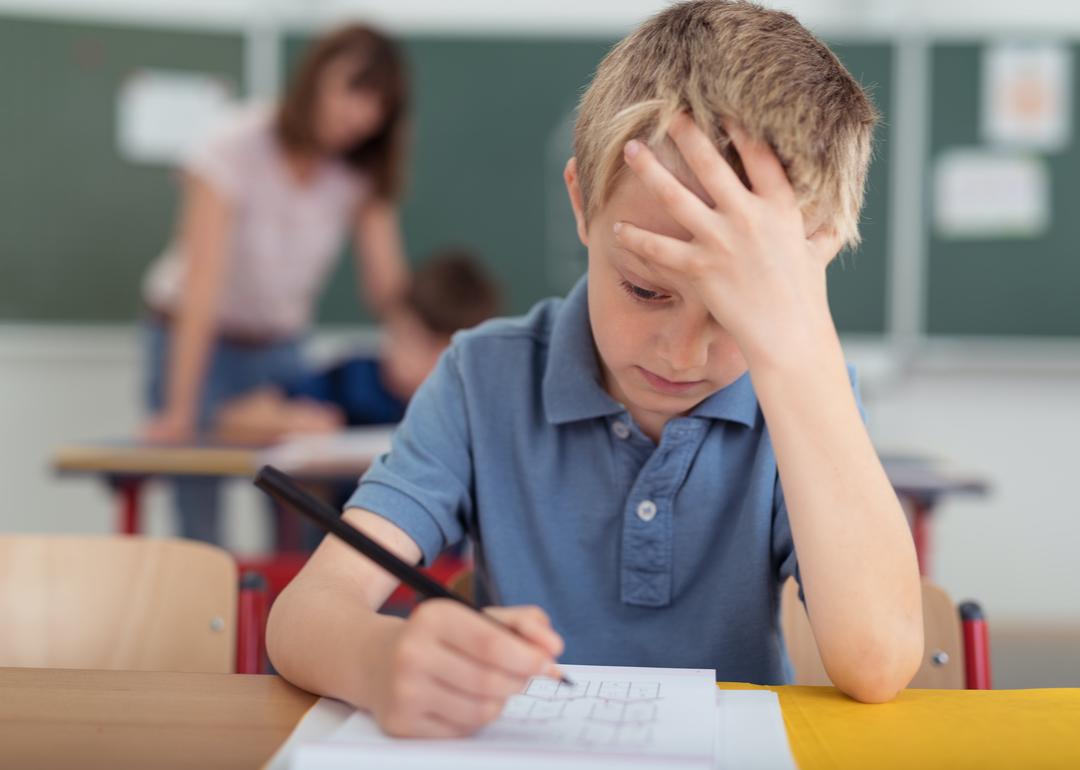
Trouble staying focused on homework
Children with ADHD may make careless mistakes on homework assignments or have a difficult time completing the tasks. Organization, time management, and focus and attention are the many children with ADHD face when doing their school work.
Frequent homework mistakes may also be a symptom of a learning disorder. According to , as many as 50% of children with ADHD also have a learning disorder, compared to 5% of children without ADHD.
Difficulty organizing tasks, activities
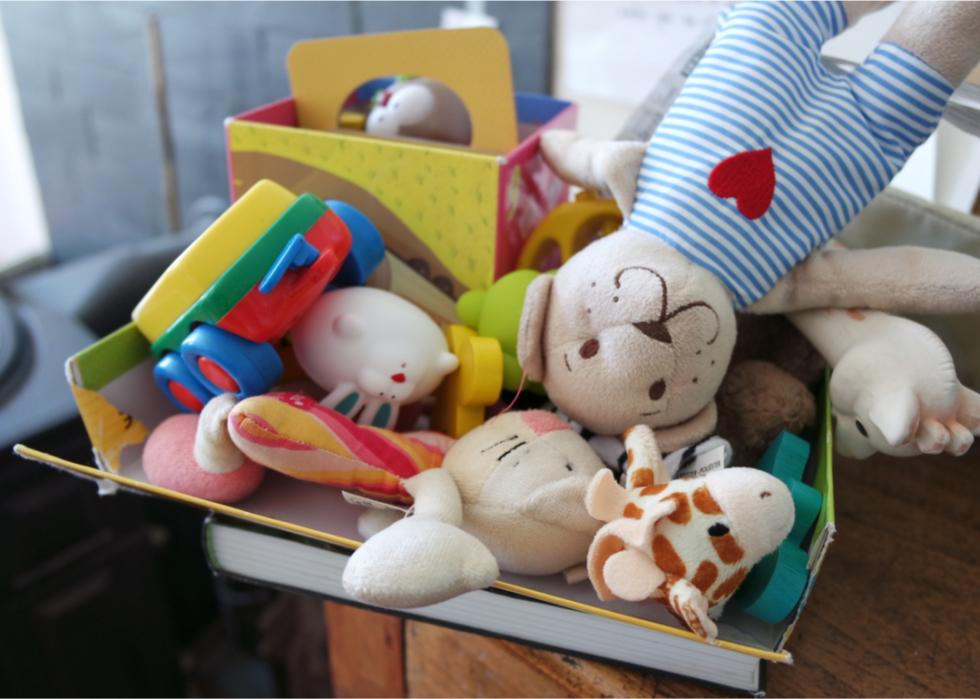
Children lose things, but those with ADHD are more likely to lose . Assignments, pencils, and toys may go missing. Difficulty staying organized is a sign of inattention鈥攐ne of the core symptoms of children with ADHD.
Prone to distraction
Children with ADHD often forget to finish , or may not do them at all. Following through on a set of instructions is a common challenge for many children with ADHD.
Finding alternative means for keeping children on track when trying to complete a task will often be more beneficial than sticking to standard methods. For example, is likely to yield a more positive outcome in a child struggling to stay focused.
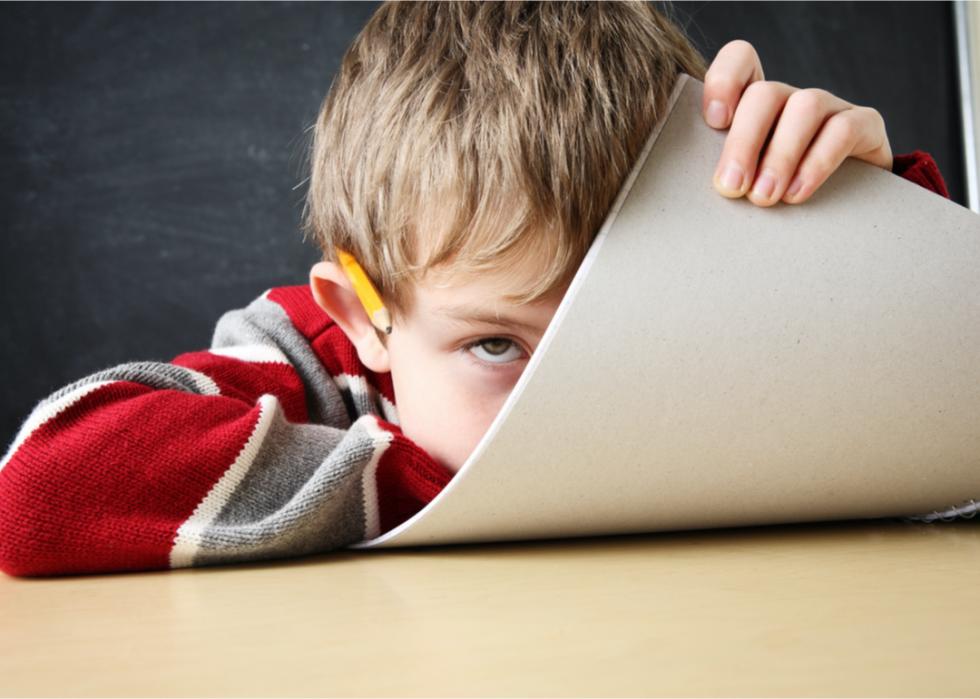
Avoidance of tasks requiring sustained mental effort
It can be difficult for children with ADHD to stay long enough to complete things like school projects, so some children may avoid them altogether. They may become depressed because they can鈥檛 focus, while other kids seem to finish school assignments with no problem. About 14% of compared with 1% of those without ADHD. Depression often follows ADHD.
Difficulty listening
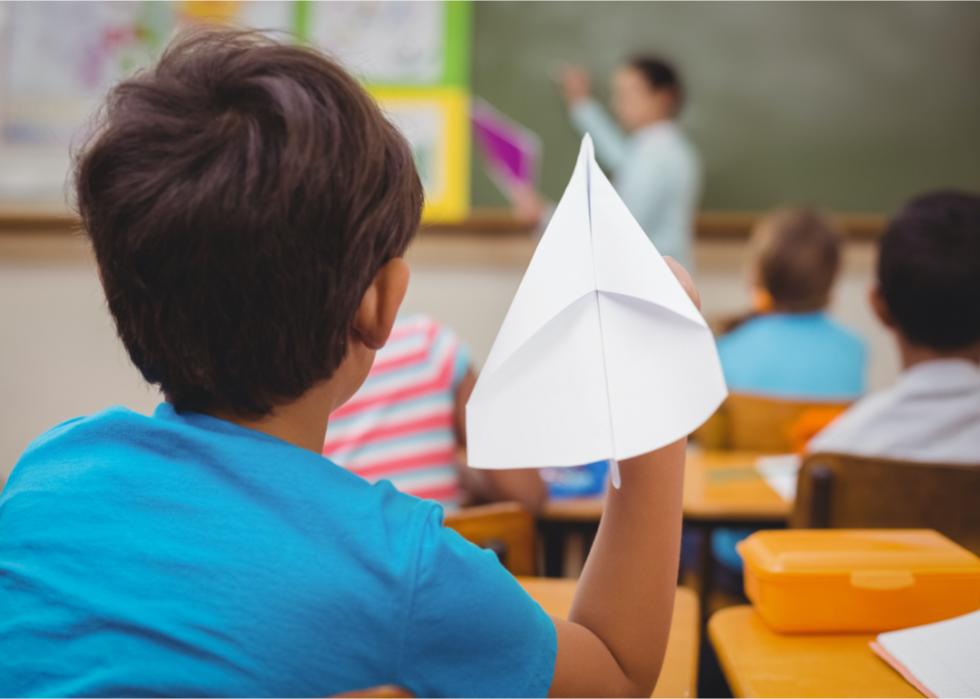
Neurotypical children often have short attention spans and can exhibit 鈥漵elective hearing,鈥 but even when being spoken to directly. Children with ADHD are more likely to be on the than those who do not have ADHD, which can affect how they interact with others speaking to them.
Constant fidgeting
Children with ADHD generally have , often tapping their feet or squirming in their chairs. Some people with ADHD have , and 60% to 80% have Tourette syndrome, a type of tic disorder. Giving a child an outlet to cope with hyperactivity鈥攖hrough , for one example鈥攎ay help improve memory and build social skills.
Constant motion
Young children are naturally energetic, to the point of wearing out their parents. However, many children with ADHD are always , constantly moving and running around. They may not be able to stay seated when they need to, such as during class, and they also may be on the go during inappropriate times.
Interrupting others
Although wanting in on the fun is a natural impulse, children with ADHD may Some children who are a part of a group may have trouble waiting their turn to play.
About 40% of people with ADHD have , which means they have trouble following rules and may deliberately annoy others. In line with following the rules, children with ADHD may also interrupt other peoples' conversations.
Difficulty playing quietly
Children with ADHD often have trouble . This may result in outbursts during school or recess and inopportune times.
Teaching children with ADHD their behavior is one method to help with playing quietly, allowing them to learn and recognize when certain actions are more appropriate than others.
This story originally appeared on and was produced and distributed in partnership with 麻豆原创 Studio.