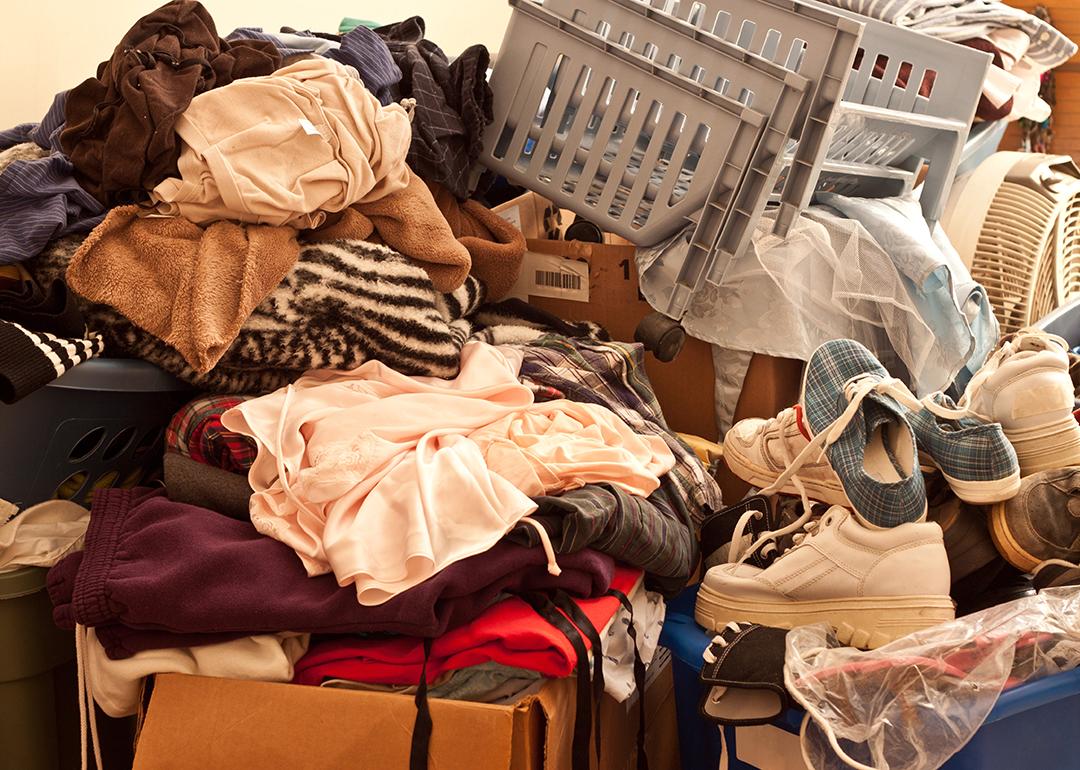
From clutter to crisis: Hoarding disorder is on the rise—here’s what to do
From clutter to crisis: Hoarding disorder is on the rise—here’s what to do
Behind closed doors across the country, millions of individuals are quietly overwhelmed by something most of us take for granted: our relationship with things we bring into our homes.
The estimates that up to 6% of people worldwide are affected by Hoarding Disorder. For those living with it or supporting someone who is, the root cause behind the struggle is often invisible. It's not just about clutter. It's about loss, trauma, and the fear of letting go.
And the numbers are rising. During the pandemic, these struggles intensified. show a significant rise in hoarding behaviors, especially during lockdowns. For many, it changed how they coped, how they connected, and what they clung to in order to feel safe.
And still, society tends to reduce it to a spectacle. Reality shows offer shock value, but rarely a compassionate solution. Meanwhile, inside real homes, people are struggling—not with clutter, but with the pain that drives it.
looks at what Hoarding Disorder really is, the risks it can create, and how safe, compassionate cleanup can help people move forward with dignity. No matter how overwhelming it may seem, there is hope, and no one should have to face it alone.
What Is Hoarding Disorder?
Hoarding disorder is not about mess. It’s not about laziness or disorganization. It’s about the very real and often painful difficulty of letting go.
Defined by the , hoarding disorder is marked by a persistent struggle to discard possessions, regardless of their actual worth. People who live with this disorder feel a deep need to hold onto things, and trying to part with them can trigger overwhelming distress.
Over time, the belongings pile up, often taking over kitchens, bedrooms, hallways, even entire homes — making those spaces difficult or even dangerous to live in.
These environments can create serious safety risks: blocked exits, tripping hazards, and even structural damage or fire danger. But the true weight isn’t always visible. For many, every object holds meaning—a memory, a sense of safety, a promise that it might be useful someday. To an outsider, it might look like clutter. To the person living there, it feels like survival.
It’s also important to understand what hoarding is not. According to the , collecting is purposeful and organized. The items are often displayed or easily accessed. Hoarding, on the other hand, is chaotic and overwhelming. Items are saved without structure, and most become inaccessible beneath growing layers.
Understanding hoarding disorder starts with empathy. These are not just homes filled with things. They are reflections of what it means to cope, to grieve, and to hold on, even when it hurts.
Early Signs and Causes of Hoarding
Hoarding rarely begins overnight. For many, early warning signs show up in adolescence and gradually intensify over time. What might start as a simple hesitation to throw something away can gradually grow into an overwhelming pattern that affects every corner of daily life.
One of the earliest and most telling signs of hoarding is the ongoing difficulty discarding items, even if they seem worn out, broken, or unnecessary to others. These objects may seem ordinary to others—junk mail, old packaging, broken appliances—but for the person holding onto them, they carry deep emotional weight. They may represent a connection to someone lost, a moment they want to preserve, or a fear that they’ll need the item someday.
As the possessions accumulate, the weight of it all becomes heavier. Making decisions can feel paralyzing. Sorting or organizing may feel impossible. And even letting someone else help might stir fear, guilt, or shame. Over time, living spaces become harder to use, and many begin to isolate, not because they want to, but because they’re afraid of being judged or misunderstood.
For these reasons, understanding why hoarding begins can offer comfort and clarity. While there is no single cause, hoarding has been . For some, it’s the aftermath of trauma, grief, or life-altering stress. For others, it’s tied to mental health conditions like obsessive-compulsive disorder (OCD), ADHD, depression, or anxiety.
A family history of hoarding, or a childhood shaped by instability or scarcity, may also increase the risk of hoarding. Not to mention, traits like perfectionism, indecisiveness, or trouble focusing can also make it harder to part with items, even when someone truly wants to.
Hoarding isn’t a choice. It’s a response to emotional pain that spills into the physical space around us. Recognizing the early signs and understanding where they come from is not just helpful— it’s an essential step toward healing and hope.
The Hidden Dangers of Hoarding
Hoarding is often misunderstood as simply a matter of too much stuff. But beneath the surface, it can carry serious and sometimes life-threatening risks. These dangers unfold gradually, and they don’t just affect the person struggling — they can impact family members, pets, and even emergency responders.
Understanding the full scope of these risks is essential. Below are some of the most common and critical dangers associated with hoarding.
Physical risks
Cluttered homes can become unsafe in ways that aren’t always obvious until it’s too late. Narrow paths blocked by possessions make it easy to trip or fall, especially for older adults or people with disabilities. Exits and windows may be obstructed, delaying escape during emergencies.
In cases of fire, the risk becomes even more severe. According to the National Fire Protection Association, homes impacted by hoarding are far more likely to experience severe fires, often fueled by stacks of flammable items stored near heat sources.
Biohazards and health concerns
Beyond what we see on the surface, hoarding environments can become breeding grounds for serious health hazards. Rotting food, mold, animal feces, and pooled moisture create the perfect conditions for bacteria, viruses, and pests. Insects and rodents are drawn to the mess and can spread illness through contaminated surfaces and air.
Additionally, dust, dander, and mold spores make breathing more difficult, especially for those with asthma or weakened immune systems. These health threats often build slowly, but their effects can be long-lasting and dangerous.
Mental and social effects
Perhaps the most painful damage is the one that’s hardest to see. Hoarding often isolates people from the ones they love. Over time, it can drive a wedge between family members, fuel misunderstandings, and create a heavy sense of shame for everyone involved.
Loved ones may feel helpless. The person who hoards may feel judged or misunderstood. In the most severe cases, legal consequences follow — eviction notices, fines, or the heartbreaking removal of children or dependent adults from the home. These moments don’t just represent loss. They represent disconnection, right when connection is needed most.
Acknowledging these dangers isn’t about blame. It’s about facing the reality of what hoarding can do, while still believing in the possibility of something better — safer homes, supported families, and compassionate care that makes recovery feel within reach.
Inside a Hoarded Home: What You Might Find
For those who haven’t lived it, stepping into a hoarded home can be overwhelming. But for the person struggling, every item holds a story. What outsiders see as garbage may carry a memory, a sense of comfort, or a quiet fear of not having enough. Still, the reality is that the conditions inside these homes can be far more dangerous than many realize.
In more severe cases, it’s common to find large amounts of trash, expired or rotting food, pet waste, or sadly even deceased animals, can be hidden beneath clutter, unnoticed for months or years.
Broken appliances and furniture may block hallways or stack precariously, making movement unsafe. Mold often grows unnoticed behind walls or under piles, thriving in moisture-rich areas and polluting the air. These environments can quickly become hazardous to health, especially for those with asthma, allergies, or weakened immune systems.
Beyond the visible clutter, there are also items that are too emotionally charged to let go:
- Old baby clothes
- Newspapers and magazines
- Decades of mail, including junk mail
- Containers, plastic bags, and cardboard boxes for “just in case”
- Personal letters
- Photographs
- Books
- Old toys
These items are often tightly linked to grief, loss, or a memory someone can’t bear to forget. To an outsider, it may seem irrational. But for the person holding on, the thought of throwing something away can feel like erasing a part of their life.
Attempting to clean such a space without the right training can be physically risky and emotionally harmful. Beneath every pile, there may be structural damage, mold, or biohazards that aren’t immediately visible. More importantly, even a well-meaning cleanup can cause distress or rupture trust without sensitivity and support.
This is why safe, respectful cleanup, especially with professional guidance, is not just helpful. It’s necessary. Healing begins with safety, and safety begins with understanding what’s really inside.
Step-by-Step Guide to Cleaning Up a Hoarder’s Home
Cleaning up a hoarded home isn’t a simple weekend project. It’s an emotional and physical journey that demands compassion, understanding, and professional guidance. Here’s how to approach it safely and sensitively:
Step 1: Assess the Situation
Begin by carefully walking through the home slowly and without judgment. Notice what’s beneath the surface: structural issues, possible mold, animal waste, or unsafe stacking that could lead to injury.
If you feel unsure or overwhelmed, that’s not a failure. It’s a sign to bring in professionals trained to handle these risks with compassion, not shame. Expert teams know how to balance safety with sensitivity, working at a pace that respects both the home and the person behind it.
Step 2: Assemble the Right Gear
This kind of work is not done with just a broom and a trash bag. You’ll need proper protective equipment: heavy-duty gloves, masks or respirators, and eye protection.
Supplies should include sturdy bins, biohazard-safe bags, disinfectants, pest control tools, and cleaners strong enough to neutralize years of buildup. The right tools don’t just make the job easier, they make it safer for everyone involved.
Step 3: Sort and Prioritize
Begin with one small area. Don’t think about the whole house, just focus on what’s in front of you. Use clearly labeled bins for what to keep, donate, discard, or treat as hazardous.
If the person who hoards is involved, never throw something away without their knowledge. Every item might hold meaning, even if that meaning isn’t immediately obvious. Respecting that is part of the healing.
Step 4: Biohazard Remediation
Some items — rotting food, moldy materials, sharp objects, and bodily waste — require more than cleaning. They need certified biohazard remediation.
Professional teams are trained in protocols that ensure no one is exposed to dangerous pathogens or chemicals. This is not just about sanitation. It’s about protecting physical health while preserving emotional well-being.
Step 5: Deep Cleaning and Repairs
Once the visible clutter is gone, the deeper restoration begins. This means scrubbing out lingering odors, removing water or mold damage, and restoring essential areas like bathrooms, kitchens, and sleeping spaces to being livable again. The goal is not perfection. The goal is a home that feels safe, breathable, and a place to start over.
When to Call Professionals
There comes a point when trying to manage a hoarding situation alone becomes too much. Not because you’ve failed, but because the risks have grown beyond what anyone should carry by themselves. Recognizing that moment and reaching out for help is one of the most courageous and compassionate steps you can take.
If you’re walking through a home and noticing rotting food, animal waste, or piles of items that have begun to break down, it’s not just clutter anymore. These biohazardous conditions pose serious health threats. Bacteria, mold, and waste can contaminate air and surfaces, increasing the risk of illness, especially for those with asthma, weakened immune systems, or existing health concerns.
Pest infestations are another warning sign. Rodents, insects, and other pests are often drawn to the food, moisture, and warmth trapped inside cluttered spaces. They spread disease, damage the home, and create a living environment that’s anything but safe.
Then there’s the structural impact. Overloaded shelves, unstable piles, and blocked ventilation can quietly strain the bones of a house. If floors feel soft, doorways are blocked, or stacks of items are leaning dangerously, it’s time to step back.
This is where trained professionals can step in. OSHA-certified hoarding cleanup services follow strict health and safety protocols. They are equipped to handle not only the physical labor, but also the emotional complexity that comes with it. Many situations require mold remediation, pest control, odor removal, and full-scale decontamination — work that goes far beyond what household cleaners and good intentions can handle.
Calling in experts doesn’t mean giving up. It means choosing safety, dignity, and the support needed to begin again without shame, and without having to do it alone.
Ongoing Support and Mental Health Treatment
Hoarding isn’t just about clutter. It’s often about grief, anxiety, trauma, or fear — all of it buried beneath the weight of what’s been saved. That’s why real recovery doesn’t begin with a trash bag. It begins with care, patience, and professional support that addresses the emotional heart of the disorder.
One of the most effective ways to begin that process is through cognitive behavioral therapy (CBT). This type of therapy helps people explore the beliefs and emotions that make it feel impossible to throw things away.
It’s not about judgment. It’s about understanding the fear of losing something important, the anxiety around making decisions, or the sadness that can come with letting go. With the support of a trained therapist, individuals learn new strategies for organizing, prioritizing, and gradually making peace with what they keep and what they release.
For some, antidepressant medications like selective serotonin reuptake inhibitors (SSRIs) can also be helpful. These medications are often used to treat anxiety, depression, or obsessive-compulsive symptoms that can make hoarding even more difficult to manage. When paired with therapy, they can ease emotional overwhelm and support long-term progress.
If you’re reading this and recognizing these challenges in yourself or someone you care about, the most important step is to . Help is available, and healing is possible—not all at once, but slowly, with support, patience, and the belief that change can start with a single step.
How to Talk to Someone Who Hoards
Bringing up hoarding with someone you care about is rarely easy. You may worry you’ll say the wrong thing, or that they’ll shut down, withdraw, or even get angry. And the truth is, that’s a real possibility. But what matters most isn’t having the perfect words, it’s leading with empathy and respect.
Instead of using terms like “messy” or “disorganized,” talk about safety and well-being. Refer to their items as “belongings” or “collections,” not “junk” or “trash.” Language matters. If someone feels judged, they’re less likely to open up. But if they feel understood, even just a little, a door may begin to open.
Shift the conversation away from cleanliness and toward safety. Is there a clear path in case of an emergency? Can they access the kitchen, the bathroom, and a place to sleep? These aren’t cosmetic concerns; they’re about protecting the person you care about. That distinction can lower defenses and build trust.
Offer help, but not just with clearing things out. Offer to sit with them while they talk to their doctor. Help them look up therapists, support groups, or treatment options. Let them know they’re not alone. Real change often starts not with a cleanout, but with a connection.
In the end, the most powerful thing you can say is simple: “I’m here, and I care.” That’s where healing begins.
Discover the Support That Makes Healing Possible
Hoarding disorder is not a personal failure. It is a complex mental health condition shaped by grief, anxiety, trauma, and the deep fear of letting go. But it can be treated. And more importantly, those who struggle with hoarding deserve support rooted in compassion, not judgment.
Healing doesn’t happen all at once. It’s built slowly, through one decision, one clear space, and one honest conversation at a time. And with the right help, change isn’t just possible, it can last.
If you’re living with hoarding, or trying to support someone who is, know that you’re not alone. Trusted resources like the , , and local mental health services are here to help you take that next step, at your own pace. The road ahead may be difficult, but no one has to take it alone.
was produced by and reviewed and distributed by Â鶹ԭ´´.