COVID-19 stimulus bill by the numbers
As the Congress and Senate reach an agreement on a $2 trillion stimulus bill amidst the worldwide coronavirus pandemic, 麻豆原创 looked at news and government reports to provide a by-the-numbers breakdown of how those funds will be allocated. Click through for an explanation of notable inclusions in the historic relief package and updates as they come in.
$2 trillion stimulus package
This is the largest relief package in U.S. history. To put that number in perspective, this stimulus bill is , according to reporting from the Associated Press.
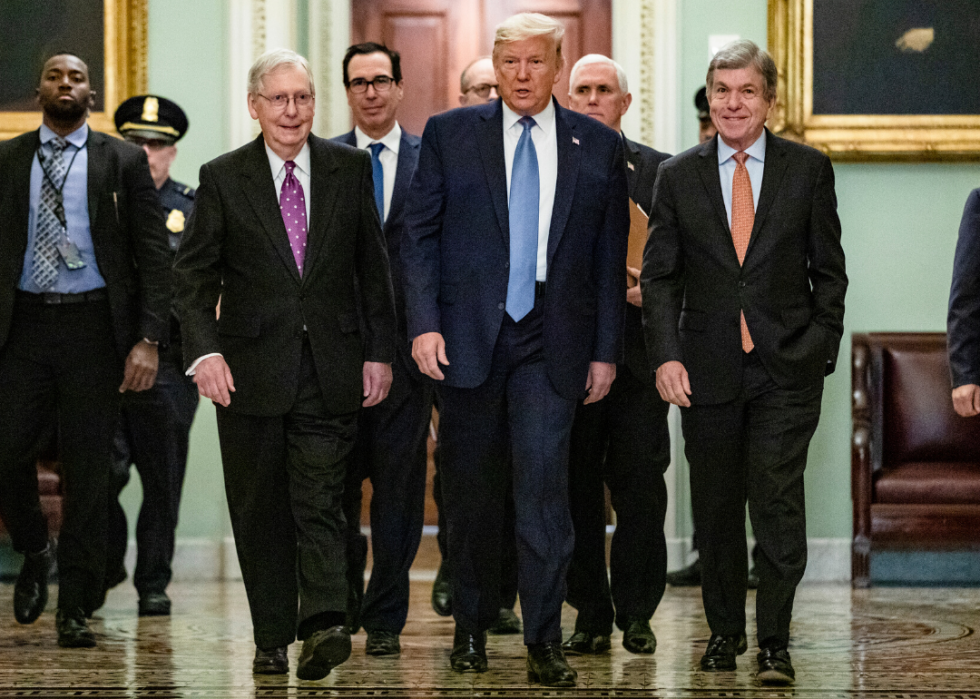
Officials expressed hope the in economic activity. The agreement, reached in the early hours of Wednesday, March 25, came after almost a week of tense negotiations and two votes that failed.
$500 billion in corporate aid
The bill permits the Treasury Department to lend to big businesses including airlines and hotels.
$367 billion to support small businesses
The package allocates . Small to mid-size companies with 500 employees or fewer could access federally guaranteed loans to maintain payroll even if businesses are temporarily closed. Additional costs including for employers meeting loan requirements.
$250 billion in additional unemployment support
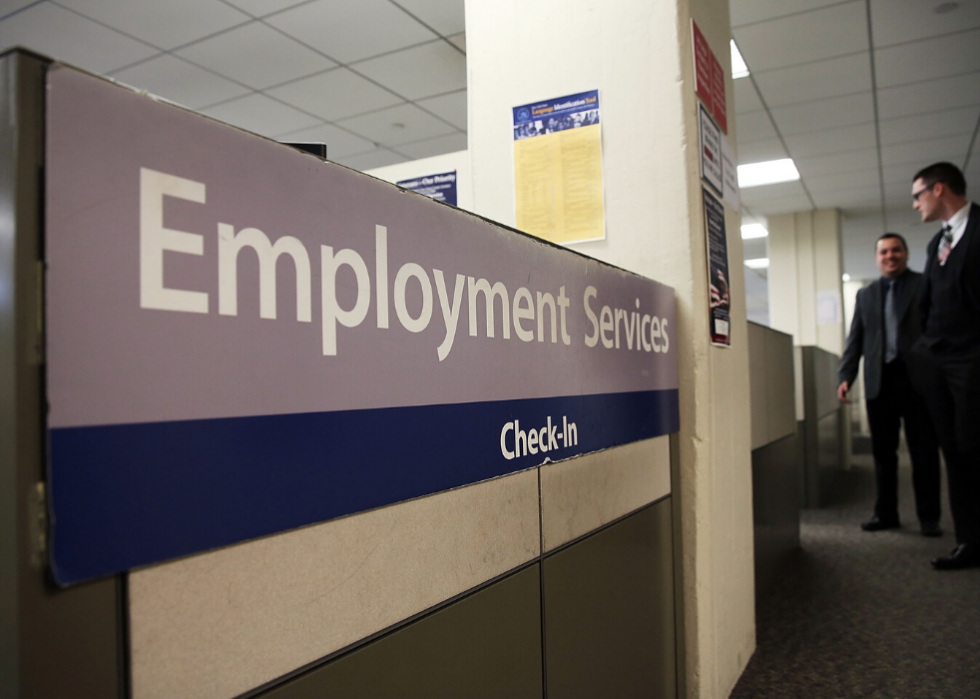
The stimulus package sets aside $250 billion for unemployment insurance benefits, including an additional $600 in weekly unemployment checks鈥攚hich averages $385鈥攆or up to four months. This provision will extend to people who are usually ineligible for unemployment benefits, including independent contractors, 鈥済ig鈥 workers, and those who are self-employed. According to a , 3.28 million people filed unemployment claims for the week ending on March 21.
$250 billion in one-time checks
in the form of one-time checks based on adjusted gross income (AGI), with amounts decreasing or phasing out completely at higher income levels. Adults will receive $1,200 each and $500 per child age 16 or under. Checks will be smaller for increased AGI thresholds: $5 less for every $100 more in AGI. The phaseouts begin to kick in at $75,000 for individuals, $112,500 for heads of household, and $150,000 for married couples filing jointly. Singles making $99,000 or more and couples without children making $198,000 or more would be ineligible for relief checks.
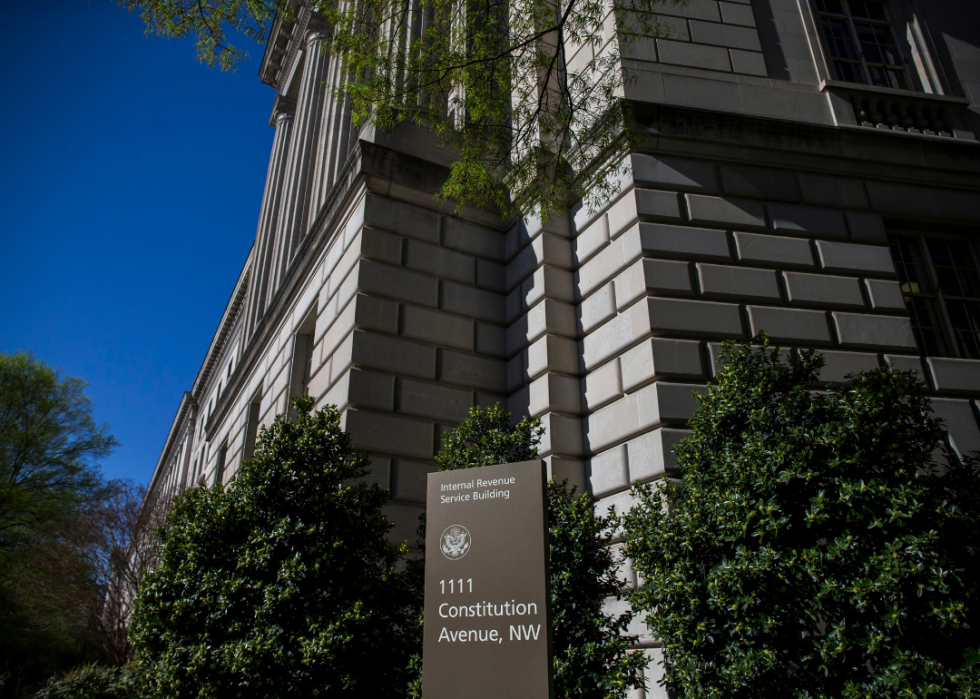
, or 2018 returns if 2019 has not yet been filed. According to a on March 30, Social Security recipients who do not normally file a return will need to complete a simple tax return form to receive payment. The form is not yet available.
$242 billion for public health
The features additional funding for transportation agencies, and health-care workers, and $15.6 billion for the country鈥檚 food stamp program, which has an annual budget of $70 billion. America鈥檚 food stamps feed approximately 40 million people annually who qualify as low-income.
$150 billion to hard-hit state and local governments
$150 billion will be sent directly to hard-hit state and local governments who are battling the financial impacts of COVID-19 outbreaks. These funds will help supplement the losses of their biggest revenue sources:
$32 billion in airline-related support
The $500 billion provision for big businesses includes the allotment of $25 billion in to airlines. Airline contractors such as caterers will receive $3 billion in grants, and cargo haulers will receive a total of $4 billion. The same amount will also be made available via loans.
$17 billion to companies crucial to national security
Part of the $500 billion corporate aid package includes a provision that . Though no companies were specifically mentioned in the bill, this will likely include companies essential to the country鈥檚 defense and infrastructure like General Electric and Boeing.
$1.2 billion for the Defense Department
The Defense Department to support the National Guard's COVID-19 containment efforts. To date, more than 10,000 National Guard members have been deployed to three states hit the hardest by COVID-19: Washington, California, and New York.
$400 million in election assistance to states
States will receive , including the expansion of early voting, online registration, and the ability for voters to cast ballots by mail.
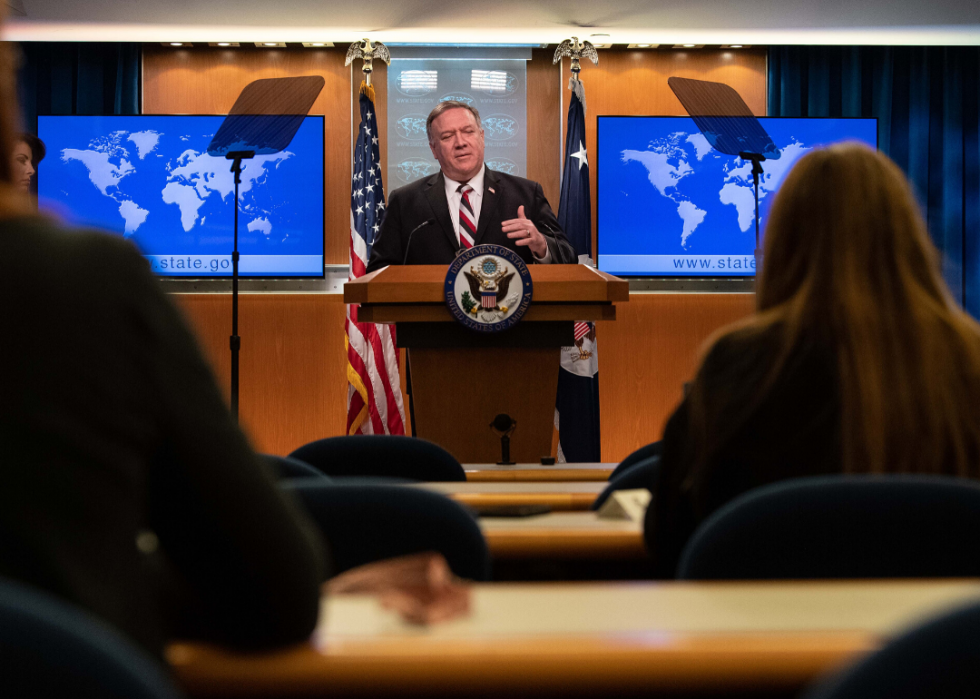
$324 million for the State Department
A portion of the $342 million allocated to the State Department will be set aside for expenses related to the evacuation of Americans. According to a State Department official, .
500-plus pages
The Senate鈥檚 proposed bill last week totaled 247 pages. House Democrats countered with a . The latest version comes in at .
$0 allowed for border wall
the Pentagon from moving any of the $1.2 billion Defense Department allotment to the counter-drug account, which has been used in the past to fund the U.S.-Mexico border wall.
Payroll tax deferment until 2021 and 2022
The stimulus bill allows companies to , paying 50% in 2021 and the remaining 50% in 2022.
No elected federal officials can receive stimulus benefits
prohibits businesses owned by the president, vice president, top government officials, heads of executive departments, and members of Congress from receiving loans or investments from the Treasury programs being put forth.