Doctors respond to 20 common concerns about the flu shot

Written by:
November 12, 2020
Angyalosi Beata // Shutterstock

This story originally appeared on FindCare and was produced and distributed in partnership with 麻豆原创 Studio.

Doctors respond to 20 common concerns about the flu shot

Every October, people return to a familiar conversation: Should you get the flu shot? As flu season begins in the Northern Hemisphere, this question鈥攁long with other concerns鈥攃irculates among families, and in schools and workplaces. 鈥淚 heard it isn鈥檛 as effective this year.鈥 鈥淚 was told you should wait until it鈥檚 colder.鈥 鈥淢y friend got a flu shot last year, and she had a fever afterward.鈥

There鈥檚 no shame in being concerned. The flu is a complicated disease caused by a family of influenza viruses. Each year, different variations of influenza circulate and become widespread globally. Flu experts at keep track of these different variations, or strains, and go through an intensive research process to identify which strains may be the most common in a given season. This research process leads to the creation of the season鈥檚 vaccine, which is intended to protect against common flu strains that winter. But the seasonality of the flu leads to variation in both flu severity and vaccine effectiveness from year to year.

While COVID-19 may be dominating the health conversation right now, doctors and other experts are urging Americans to consider flu vaccination as well. The flu has caused between 140,000 and 810,000 estimated hospitalizations and each year since 2010, according to Centers for Disease Control and Prevention (CDC). In 2020, experts are particularly concerned that for hospitals, which are already caring for an influx of COVID-19 patients. The flu and COVID-19 also have similar symptoms and can require similar equipment from hospitals and health labs, which makes a double epidemic even more concerning.

In order to address flu concerns and help readers make decisions for themselves and their families, compiled a list of 20 common concerns about flu vaccination from friends, family, and online forums. Those questions were then sent to six doctors and epidemiologists, who responded based on their expertise.

The experts consulted in this story are:
- Emily Temple-Wood, D.O.; family medicine resident at Lutheran General Hospital
- Jessica Malaty Rivera, M.S.; infectious disease researcher and science communication lead at the COVID Tracking Project
- Lindsey Shultz, M.D.; physician, public health analyst, and expert contributor to COVID Explained
- Josh Petrie, Ph.D.; assistant professor at the University of Maryland School of Public Health
- Rachel Roper, Ph.D.; associate professor at the East Carolina University Medical School
- Allison Messina, M.D.; chairman of the Division of Infectious Disease at Johns Hopkins All Children's Hospital

Read on to learn more about how flu vaccination works and why experts consider it important.

1 / 20
funnyangel // Shutterstock

How flu shots work

- Question: How does the flu shot work?
- Source: Emily Temple-Wood, D.O.
- Answer: 鈥淚 like to think of the flu shot鈥攁nd vaccines in general鈥攁s target practice for your body. Our immune systems are infinitely adaptable but the main downside is that it takes time for them to learn how to fight different bugs, which means you usually get sick the first time you get exposed to something like the flu.

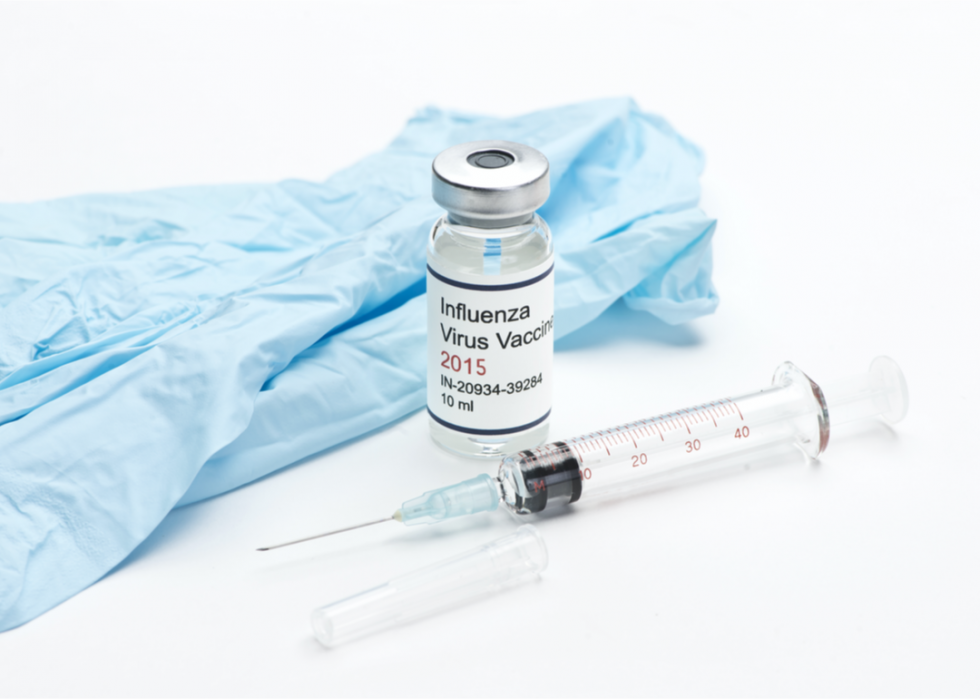
鈥淲e can hack that system with vaccines, which give your body the information it needs to fight something off without getting you sick. The flu shot is what we call an inactivated (killed) virus vaccine鈥攜ou can't get sick from the vaccine. When you get the shot, your immune system notices the dead viruses and makes antibodies against the dead viruses. Antibodies are what the body uses to fight infections, and they get better when you have already been exposed to something. So, if you've had the flu shot and get coughed on by someone who has the flu, your immune system has already seen the flu and has practiced killing it. That means that if you get sick at all, it'll be less severe.鈥

2 / 20
BaLL LunLa // Shutterstock

Illness from the vaccine

- Question: Can you get the flu from the flu vaccine?
- Source: Jessica Malaty Rivera, M.S.
- Answer: 鈥淣o, you cannot get the flu from the flu vaccine. Flu vaccines are made with inactivated (killed) viruses that cannot cause illness. For those who are vaccinated against flu and still get the flu during flu season, symptoms are often milder as a result of vaccination.鈥

3 / 20
Jacob L. // Shutterstock

Potential side effects

- Question: What side effects should I expect?
- Source: Lindsey Shultz, M.D.
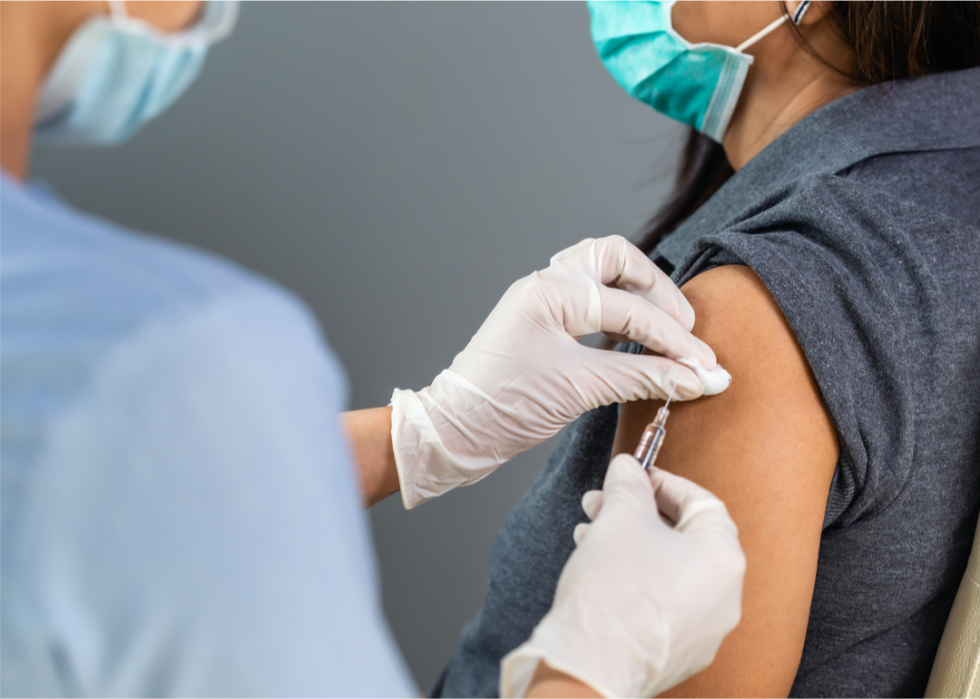
- Answer: 鈥淭he most common side effects for the injected vaccine are tenderness, redness, or a bit of swelling at the injection site. While not everyone will get these, it's good to plan ahead for a few days of muscle soreness in whichever arm you get the vaccination just in case, so figure out which arm works will work out best for you鈥攎ost people pick their nondominant arm. It's also possible to get a low-grade fever, headache, and nausea, though these should go away after a day or two. The nasal spray flu vaccine also has the potential to cause a runny nose, sore throat, and cough.

鈥淪erious adverse events are quite rare, and the risk profile is much lower than the risks you'd generally run from getting the flu itself. Contact your medical provider if you experience a high fever or signs of a severe allergic reaction like difficulty breathing, dizziness, or a rapid heartbeat. These signs would most likely happen within a few minutes to hours of getting the shot and can be remedied with medical treatment.鈥

4 / 20
PanyaStudio // Shutterstock

Pain at the injection site

- Question: Why will my arm be sore after getting the vaccine?
- Source: Emily Temple-Wood, D.O.
- Answer: 鈥淵our arm gets sore after the flu shot for a couple of reasons. The first one is that you got stabbed a little bit and any kind of poke hurts. The second reason is that your immune system is busy mustering that response to the killed viruses in the vaccine. This involves sending white blood cells to the area and increasing blood flow, which causes swelling as well.

鈥淭he best thing to do for the pain and swelling is to relax your arm as best you can during the shot, and move your arm more afterward to get lymphatic flow moving. You can also use heat or cold packs, and over-the-counter pain medications if the pain is severe and your doctor says it's okay.鈥

5 / 20
fizkes // Shutterstock

Got sick once

- Question: I got sick once after getting the flu shot! Why should I get it again?
- Source: Josh Petrie, Ph.D.
- Answer: 鈥淢any types of viruses cause cold and flu like symptoms, but the flu shot only protects against the influenza virus, which typically causes more severe disease. Getting vaccinated is the best way to protect yourself and others from influenza. You can not get influenza from a flu shot, but it is not uncommon to feel a little under the weather after receiving it. That means your immune system is responding to the vaccine and is a good thing.鈥


6 / 20
Mario Tama // Getty Images

Fear of needles

- Question: Can I get vaccinated if I don't like needles?
- Source: Rachel Roper, Ph.D.
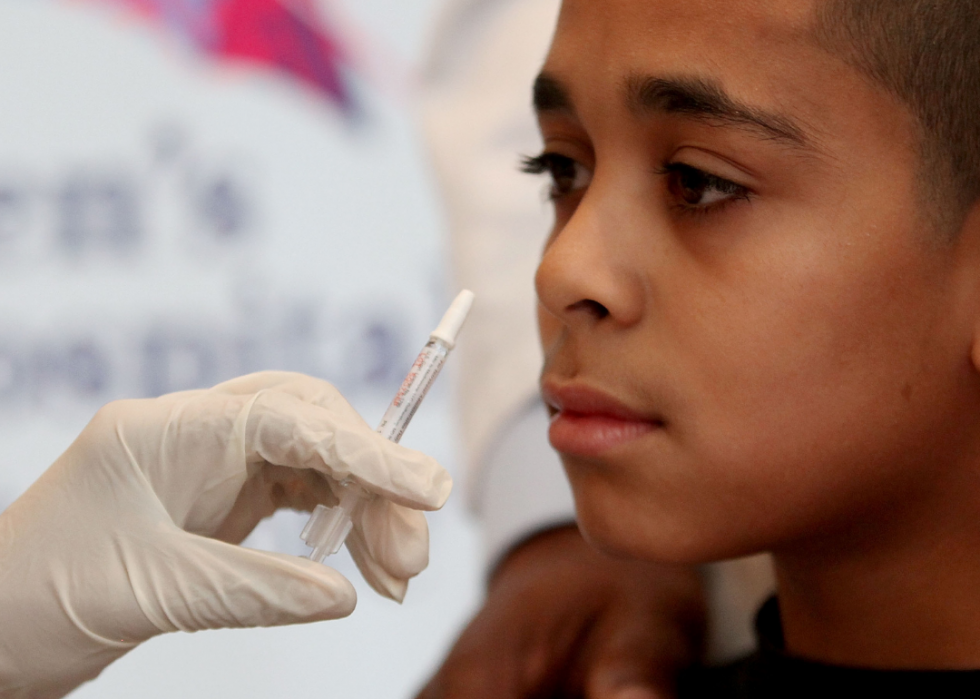
- Answer: 鈥淵es, there is a flu mist nasal vaccine. The flu injection/shot is a killed (dead) virus, but the flu nasal spray vaccine is a live attenuated virus. It is a severely weakened virus that will cause a small brief infection in your nasal passages. Most people don鈥檛 even notice it. The live flu mist often produces an even better immune response than the shot.

鈥淏ecause it is a live virus it could be dangerous for people who are immunocompromised, so they should not receive it. It is currently approved for people 2 to 49 years old. There鈥檚 actually a [CDC] list of .鈥

7 / 20
rblfmr // Shutterstock

Lack of health insurance

- Question: How do I get vaccinated if I don't have health insurance?
- Source: Lindsey Shultz, M.D.
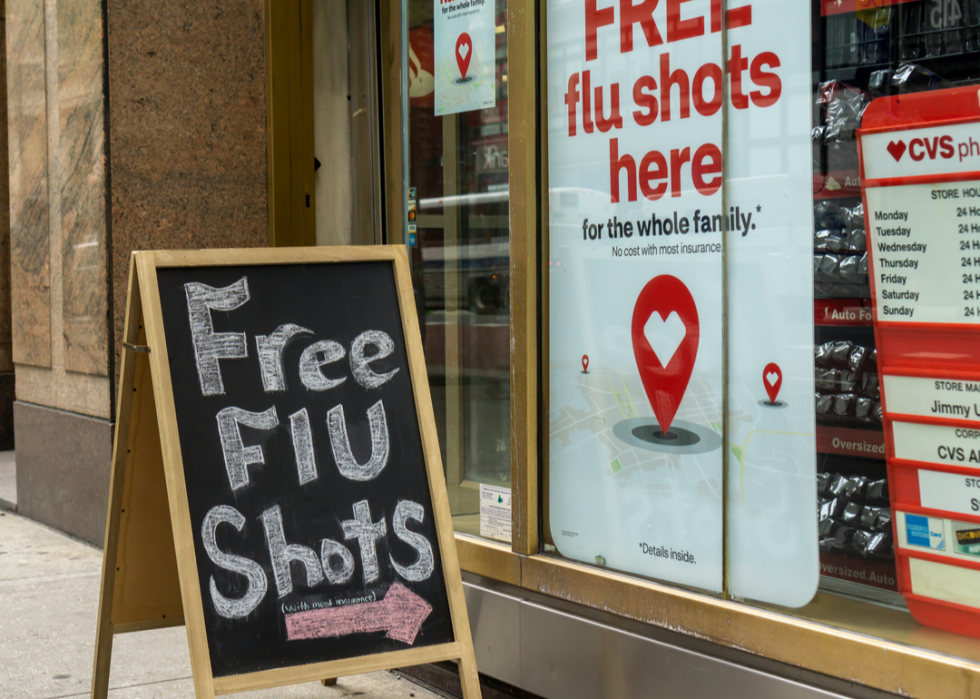
- Answer: 鈥淲ithout insurance, the out-of-pocket cost will typically be around $40 for the regular dose, with an added cost for a senior dose. Check with services like or to see if any discounts are available in your area. The CDC-backed site will help you locate pharmacies.

鈥淭here are also a number of options that provide free or discounted shots. Some schools and workplaces will hold events offering a flu shot to all members of their communities. Many county health departments also offer free or significantly discounted vaccines for people without insurance, or could provide you with more information about where to go in your community.鈥

8 / 20
Pra Chid // Shutterstock

Best time to get vaccinated

- Question: When is the best time of fall/winter to get vaccinated?
- Source: Emily Temple-Wood, D.O.
- Answer: 鈥淭he best time to get vaccinated is whenever you can鈥攖hough October seems to be a pretty good, sweet spot for staying protected through the end of flu season, earlier is totally okay, too. Definitely don't wait if you have the opportunity! There's no such thing as too late, either, if you're being offered the flu shot: It's because there's still flu hanging around.鈥

9 / 20
Jacob L. // Shutterstock

Where to get a flu shot

- Question: Where should I go to get a flu shot?
- Source: Rachel Roper, Ph.D.
- Answer: 鈥淵our doctor鈥檚 office, public health clinic, many pharmacies, and even some grocery stores. Everyone should have a primary care physician. If you have a physician, you can get help when you need it. If you don鈥檛 have a physician, it can be really difficult to find an appointment when you need one. Just go make an appointment with a physician for a check-up and flu shot so you will have an existing relationship with one where they have your info on file. It could save your life.鈥

10 / 20
busliq // Shutterstock

Allergy to eggs

- Question: I'm allergic to eggs, how does that affect me getting a flu shot?
- Source: Josh Petrie, Ph.D.
- Answer: 鈥淚t shouldn't. The CDC recommends that people with egg allergy can receive any licenced influenza vaccine. However, there are vaccine options available that are not produced in eggs that you can discuss with your doctor if you're concerned or if you have had a severe reaction after receiving an influenza vaccine in the past.鈥


11 / 20
Rawpixel.com // Shutterstock

Vaccinating kids

- Question: Should my young children also get flu shots?
- Source: Allison Messina, M.D.
- Answer: 鈥淵es, flu shots are recommended for all children aged 6 months and older. The youngest age recommended is 6 months.鈥

12 / 20
Angyalosi Beata // Shutterstock

The vaccine's yearly variation

- Question: What causes the variation in flu vaccine effectiveness?
- Source: Jessica Malaty Rivera, M.S.
- Answer: 鈥淔lu vaccine effectiveness can vary from season to season. The protection provided depends on the similarity between the viruses in the vaccine and those in circulation as well as the health of the individual. Flu vaccines tend to work better against influenza A(H1N1) and influenza B, and less against influenza A(H3N2). During seasons when the vaccine is well-matched to the vaccine, vaccination can reduce risk of flu illness by up to 60%.鈥

13 / 20
MedstockPhotos // Shutterstock

New vaccine each season

- Question: Why do I need a vaccine each year?
- Source: Rachel Roper, Ph.D.
- Answer: 鈥淚nfluenza viruses belong to the orthomyxovirus family of viruses. They are very unusual because they have eight different genome segments, eight different pieces. Most viruses have one piece of genome, but flu has eight. Because of this, flu can 鈥渞eassort鈥 genome pieces with other related viruses and make a whole new strain. This happens frequently, every year, so we have to make a whole new vaccine each year because the flu genome changes so dramatically. Other viruses that have one genome piece slowly mutate and evolve over time. That鈥檚 why our vaccines for measles, mumps, rubella, and chickenpox have worked for decades鈥攂ecause those viruses mutate more slowly.鈥

14 / 20
fizkes // Shutterstock

Vaccinating healthy people

- Question: I'm young and healthy; do I still need to get vaccinated?
- Source: Rachel Roper, Ph.D.
- Answer: 鈥淵es! In a normal flu season, hospitalizations can overwhelm our health care system, and this year we have a global pandemic, so it is especially important for everyone to get vaccinated. You don鈥檛 want to have a flu problem and have to go to a doctor or emergency room that is packed with COVID-19 patients. This could expose you to unnecessary risks, plus overwhelm the nurses and doctors trying to care for all the patients.

鈥淚n a normal year we have 5,000 to 30,000 flu deaths in the U.S., so getting a flu shot is a great idea; some years we have 60,000 deaths from the flu in the U.S. For flu and COVID-19, most deaths are in people over 50, but there are deaths in children, teens and 20s, too.鈥

15 / 20
Image Point Fr // Shutterstock

Vaccination while pregnant

- Question: Should you get vaccinated if you're pregnant and/or breastfeeding?
- Source: Allison Messina, M.D.
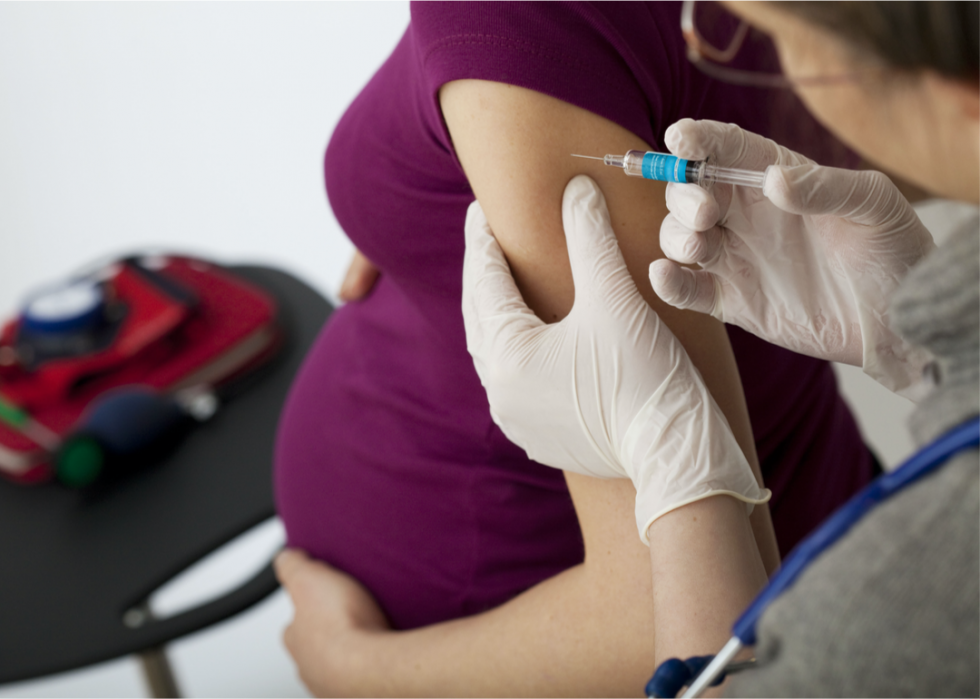
- Answer: 鈥淵es, pregnant and breastfeeding women should be vaccinated for flu. Pregnant women should get the injectable flu vaccine rather than the intranasal one.鈥


16 / 20
fizkes // Shutterstock

Vaccination after illness

- Question: If I've already had the flu, should I still get vaccinated that same year?
- Source: Jessica Malaty Rivera, M.S.
- Answer: 鈥淔lu season typically starts in October and goes through March. If you got the flu before October, you are still vulnerable to the upcoming flu season and should get vaccinated. If you got the flu during the current flu season, you could still be vulnerable to other strains of the flu circulating that season and should get vaccinated.鈥

17 / 20
Angyalosi Beata // Shutterstock

Vaccination for the flu-averse

- Question: I never get the flu; why should I get the vaccine?
- Source: Emily Temple-Wood, D.O.
- Answer: 鈥淵ou've never gotten the flu until you get the flu, yanno? There's a first time for everything, and that includes the flu. Also, even if you don't get the flu, are in good health, or don't get particularly sick when you have had the flu, there are vulnerable people around you, now more than ever. Not just babies, people with chronic illnesses, pregnant people, and older people, but people who have recovered from COVID-19 are likely particularly vulnerable to the flu this year.鈥

18 / 20
DimaBerlin // Shutterstock

Already wearing a mask

- Question: Why do I need a vaccine if I'm already wearing a mask and socially distancing?
- Source: Lindsey Shultz, M.D.
- Answer: 鈥淯nfortunately as we have seen, no preventative measures are foolproof. They instead act likely overlapping layers of protection. The more risk-reducing choices we make, the safer we keep ourselves, our families, and our communities. Just like wearing a mask helps keep others safe, getting a flu vaccine not only helps keep you safe, but also the vulnerable people around you who either can't get a flu vaccine or those in whom they may not work as well. It will also help your local medical system by keeping local waiting rooms more clear as the COVID-19 pandemic continues into the winter season.鈥

19 / 20
Zigres // Shutterstock

Flu and COVID-19 prevention

- Question: Is the flu shot effective at preventing COVID-19?
- Source: Jessica Malaty Rivera, M.S.
- Answer: 鈥淚nfluenza and coronavirus are two different virus families so a flu vaccine cannot prevent COVID-19. There is also no evidence that getting a flu vaccine increases the risk of getting COVID-19.鈥

20 / 20
Marijan Murat/picture alliance // Getty Images

Flu and COVID-19 science

- Question: Was this year's vaccine 鈥減honed in鈥 because scientists are working on COVID-19?
- Source: Josh Petrie, Ph.D.
- Answer: 鈥淣o, the normal procedures for selecting vaccine virus strains and manufacturing vaccines have been in place. The World Health Organization (WHO) selected which virus strains to include in the Northern Hemisphere vaccine at the end of February, and vaccine manufacturers are projecting that they will have more doses available than in the past.鈥


Trending Now