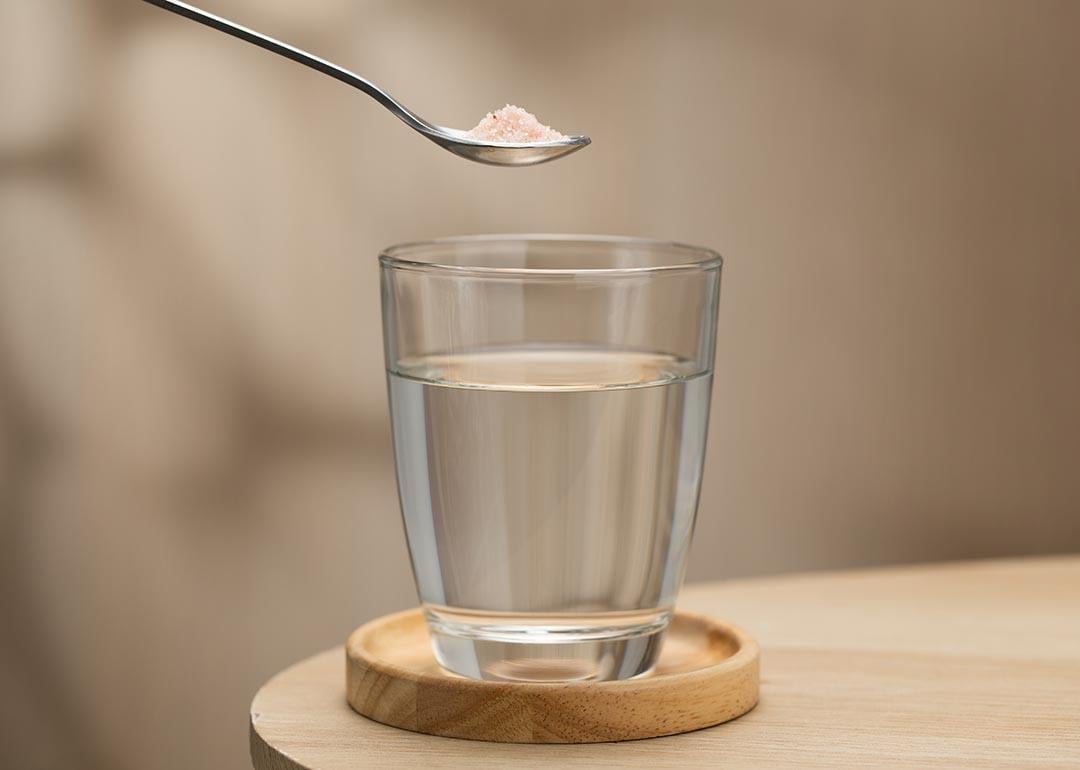
Does drinking salt water before bed improve sleep quality?
Curious if drinking salt water before bed could help you sleep better? It might — but it depends on how much you’re drinking, when, and what else is going on with your body. Salt water isn’t a quick fix for better sleep. But the right balance of sodium can support hydration and electrolyte balance, both of which play a role in sleep hygiene.
A found that roughly 35 million Americans have trouble falling asleep most days or every day, while approximately 43 million struggle to stay asleep. And about don’t get enough sleep, making the search for effective solutions increasingly important.
Whether it’s trouble winding down, waking up throughout the night, or feeling groggy in the morning, sleep challenges affect millions and can take a serious toll on overall health.
This might explain why unconventional "hacks" for improving sleep are going viral on social media platforms — like , which has racked up hundreds of thousands of views on TikTok and counting.
Advocates claim it can support hydration, stabilize blood sugar, and promote more restful sleep — but does the science back it up?
Here, unpacks the facts about what drinking salt water does and sodium’s role in sleep to help you decide if this simple ritual is worth trying.
The Science Behind Salt and Sleep
is an essential electrolyte that helps power bodily functions like:
- Nerve function
- Muscle contractions
- Blood pressure regulation
- Fluid balance
Balanced sodium levels are also essential for quality rest. Low sodium (a condition called ) can cause symptoms like muscle cramps, confusion, and restlessness, all of which may interfere with restful sleep. Though it’s uncommon, certain people are at higher risk for this condition, including:
- Endurance athletes
- People on low-sodium or (like keto)
- People in extremely hot environments
On the flip side, high sodium intake has also been linked to greater risk for , short sleep duration, and going to the bathroom at night.
That said, sleep-disrupting electrolyte imbalances “are rare in healthy individuals with normal diets,” says , a board-certified sleep, pulmonary, and critical care physician and medical director at Complete Sleep. “Significant imbalances typically occur only in specific medical conditions or extreme circumstances,” like sleep apnea or kidney disease.
Without underlying health conditions, Rosen says that factors like stress, light exposure, and sleep hygiene practices make a bigger difference than sodium levels when it comes to sleep quality.
Potential Benefits of Drinking Salt Water Before Bed
“There is limited scientific evidence supporting the consumption of salt water before bed, specifically for sleep improvement,” says Rosen.
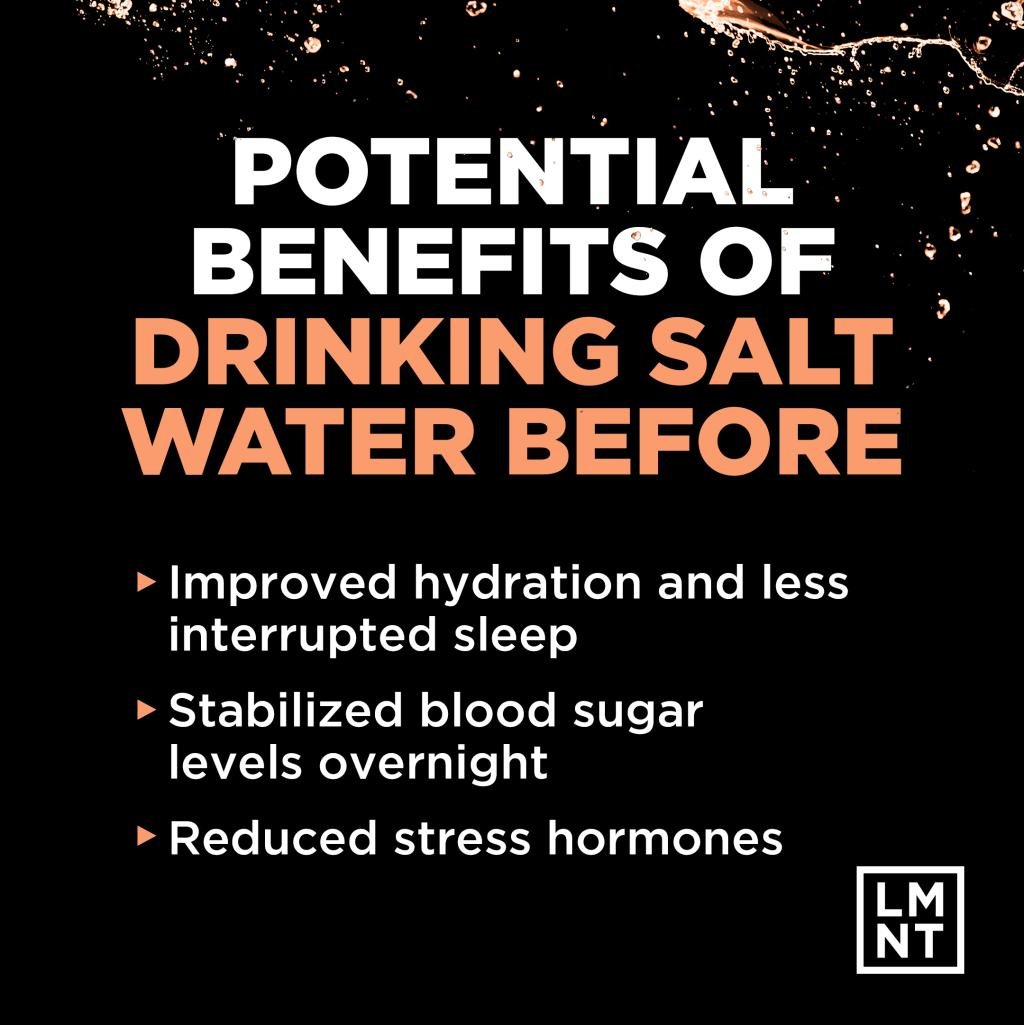
Still, early evidence suggests that there may be certain sleep-related benefits to adding salt to drinking water. These include:
1. Improved hydration and reduced nighttime awakenings
When your , your body may struggle to hold onto fluids effectively. This can lead to dehydration and potentially disruptive symptoms like . Balanced sodium levels, on the other hand, can support proper hydration overnight.
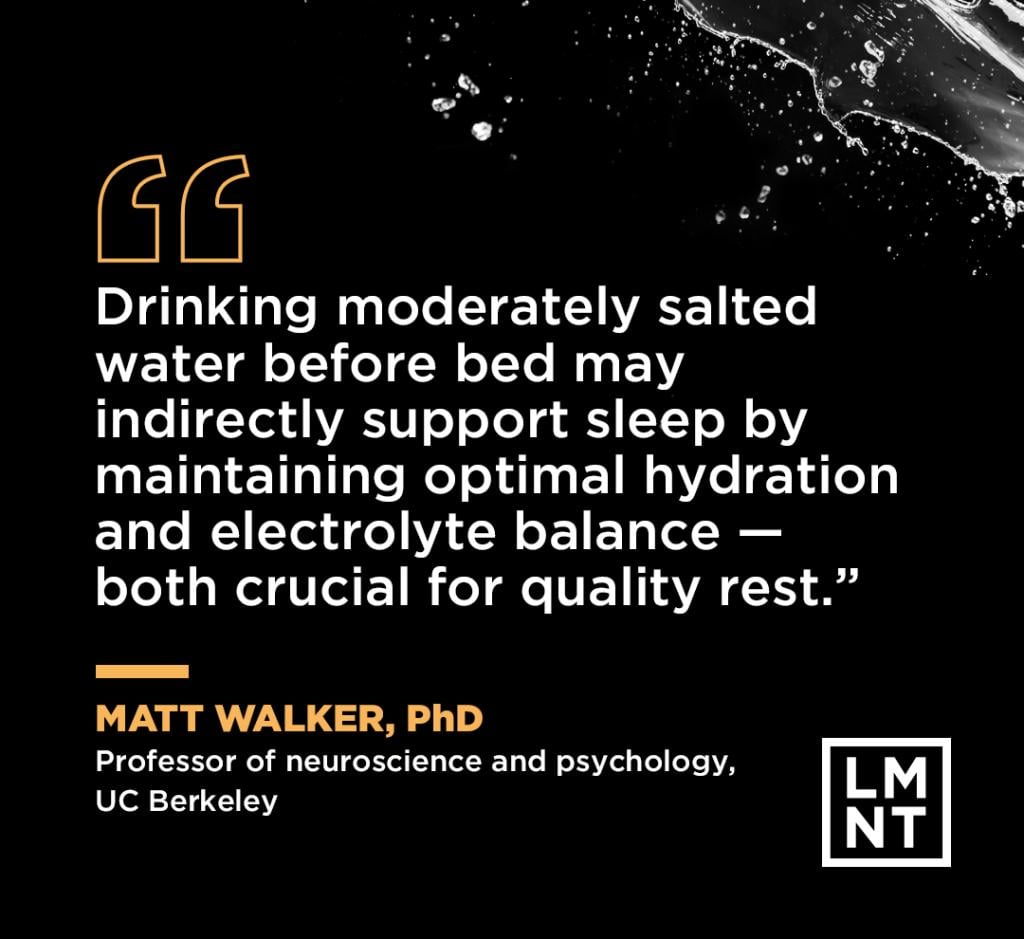
“Drinking moderately salted water before bed may indirectly support sleep by and electrolyte balance — both crucial for quality rest,” says , professor of neuroscience and psychology at the University of California, Berkeley.
Sodium plays a big role in managing fluid levels, mainly by affecting vasopressin, a hormone that helps control fluid balance and supports your sleep-wake cycle, he adds. Even mild dehydration (just a 1-2% loss of body fluid) can and cause more nighttime wakeups.
Staying properly hydrated with can help prevent these issues — but moderation matters.
“Consuming excessive sodium, especially right before bed, can negatively impact sleep by increasing fluid retention and causing frequent nocturnal awakenings,” Walker says.
involving more than 156,000 adults showed that high sodium intake was associated with poorer sleep quality, shorter sleep duration, and more overnight trips to the bathroom.
Walker adds that these insights are based on research, not personal medical advice. “Always check with your doctor before making any modifications to your lifestyle, including supplement changes,” he says.
2. Stabilized blood sugar levels overnight
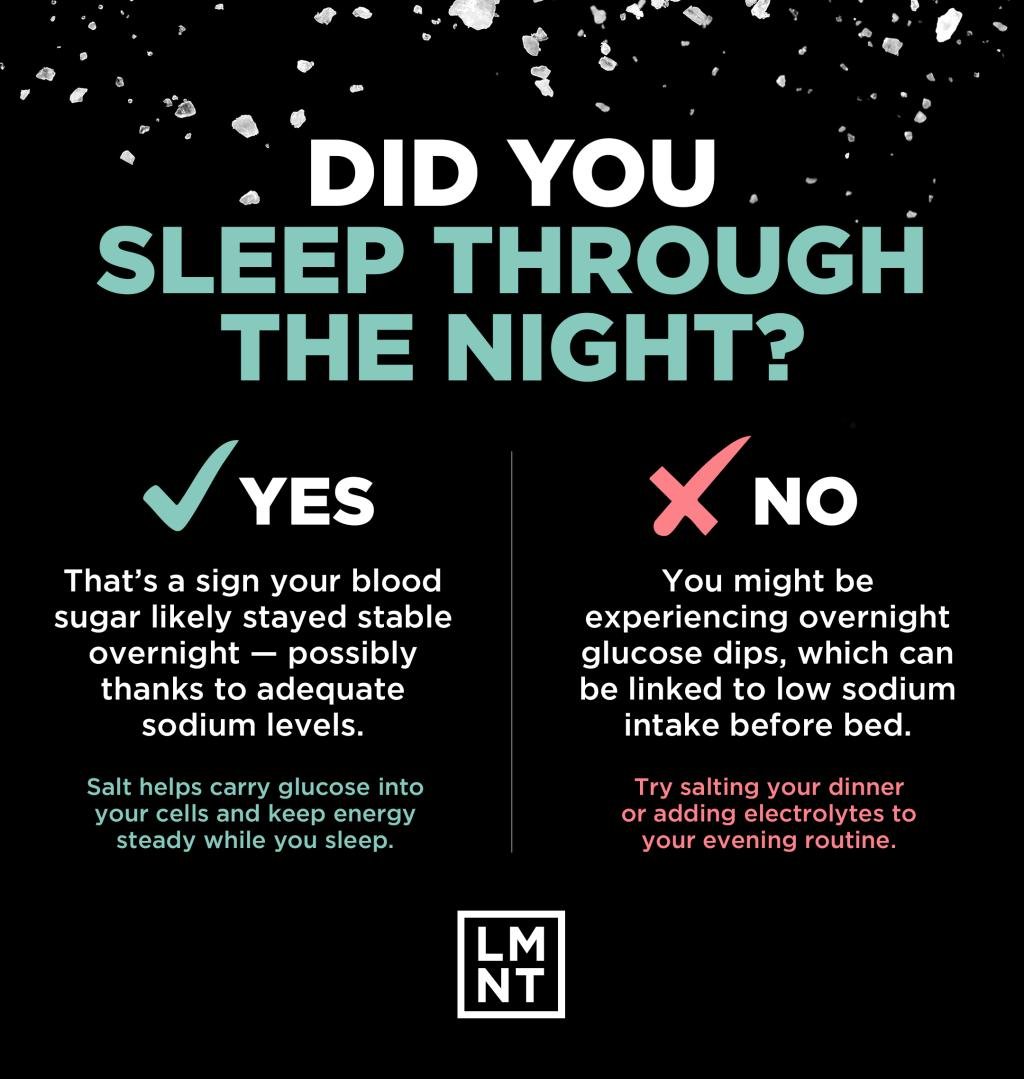
Sodium helps by carrying glucose into your cells and helping your body absorb it. And keeping your blood sugar steady overnight may support more restful sleep by preventing , which can cause excessive sweating, nightmares, and feeling irritable or confused after waking up.
One study found that (aka higher-than-normal glucose levels) were likely to experience poor sleep, compared to 46% of people with normal blood sugar levels. Another study found that people tended to have slightly when they ate less salt.
While sodium does play a role in how your body handles glucose, more research is needed to fully understand how salt intake affects blood sugar levels.
3. Enhanced production of sleep-regulating hormones
Sodium may play a supporting role in melatonin production (the hormone that regulates the sleep-wake cycle), but its influence is indirect.
Research shows that sodium levels can affect overall hormonal balance and influence the activity of the , which is your brain’s master clock that governs circadian rhythms and melatonin release.
That said, is made in the brain's pineal gland and controlled mainly by light exposure. Sodium is just one of many things that can influence this system.
So, while adequate sodium can support hormone balance tied to your circadian rhythm, it doesn’t have a direct sedative effect.
How Sodium Influences Sleep Quality
Getting quality sleep isn’t just about when you go to bed. It’s also about what’s happening in your body at a physiological level.
While research on sodium’s impact on sleep is still emerging, especially in healthy individuals, evidence suggests that sodium may affect certain processes tied to sleep regulation. However, it’s important to note that, based on current research, most of these effects are most pronounced in those with a deficiency. Here’s the breakdown:
1. Sodium’s impact on neurotransmitter balance
Sodium plays a key role in how your brain cells communicate, says Rosen. It helps transmit electrical signals between neurons and supports the function of neurotransmitters (the chemical messengers that influence everything from mood and alertness to the body’s internal sleep-wake rhythm).
Without adequate sodium, these signaling processes can become disrupted, potentially impacting sleep quality and duration.
2. The connection between sodium, magnesium, and sleep
Sodium and work together in the body, and both can play a role in supporting quality sleep.
helps calm the nervous system and relax the body, which may make it easier to fall and stay asleep. Sodium, meanwhile, supports fluid balance and nerve function, both of which may help regulate the hormones and neurological pathways involved in the sleep-wake cycle.
3. Balancing sodium with other electrolytes for optimal sleep
Sodium is just one piece of the puzzle when it comes to . The also include electrolytes like potassium, magnesium, and calcium.
These minerals all play important roles in muscle relaxation, nerve function, and hydration — all of which can affect how well you sleep, says Rosen.
Too much or too little of one electrolyte can affect the others, so the key is keeping them in balance. Supporting this balance with a well-rounded diet can help your body stay hydrated and support smooth sleep cycles.
This is only one piece of the puzzle, though. “The focus on electrolytes for sleep optimization can distract from more evidence-based approaches like maintaining consistent sleep schedules, limiting screen time before bed, and creating a comfortable sleep environment,” says Rosen.
Practical Tips for Drinking Salt Water Before Bed
While research is still emerging, some people claim that a small amount of salt water in the evening — think of it as a pre-bedtime — can help prevent nighttime wakeups.
Here’s how to try it safely and effectively.
Recommended dosage and preparation
“For effective hydration, current data suggests that you should aim for about 200 to 500 milligrams (mg) of sodium per 250-milliliter (mL) cup [about 8.5 oz] of water,” says Walker. That’s about a ¼ teaspoon of salt.
This amount matches the research-backed recommendations for , which suggest adding one teaspoon of salt to a liter of water.
However, if you’re following a low-sodium diet or have an underlying condition like sleep apnea, high blood pressure, kidney disease, or heart disease, check with your doctor before adding more sodium to your routine (more on that in a moment).
Does the type of salt matter?
Walker recommends using regular table salt because it ensures consistent sodium levels. However, if you’re more partial to using Celtic salt, sea salt, evaporated salt, or Himalayan salt, they’re all sodium chloride (NaCl), so go with your preference.
What’s more, “small amounts of potassium (e.g., potassium citrate) or magnesium (e.g., magnesium citrate) can further promote relaxation and reduce muscle cramps, although the effects of most forms of magnesium on the brain and sleep are equivocal,” he adds.
offer a convenient option, since they often include these sleep-supporting minerals as well.
How Long Before Bed Should You Drink Salt Water?
Drinking salt water at least 90 minutes before bedtime may be best to help you maximize potential benefits while minimizing trips to the bathroom, according to Walker.
“This allows your kidneys ample time to stabilize fluid levels, reducing the likelihood of nighttime bathroom visits. Studies suggest sodium-induced fluid shifts typically occur within 60 to 90 minutes post-ingestion, making this an optimal time frame to support hydration without disrupting sleep,” he explains.
Common Misconceptions about Salt and Sleep
. Blanket assumptions about salt and sleep don’t always hold up.
In fact, some research suggests that moderate sodium intake may actually support aspects of sleep. Here’s what the science (and nuance) actually say:
Myth: Salt always disrupts sleep due to thirst
In small, balanced amounts (200 to 500 mg per ~8.5 oz of water), sodium actually helps your body hold on to fluids and maintain stable hydration levels overnight. The key is finding what works best for you, as everyone’s health is individual, so it may take some tinkering.
Myth: Salt intake at night always raises blood pressure
Chronically high sodium intake can contribute to high blood pressure over time. But salt in the evening isn’t likely to spike your blood pressure overnight — especially if you’re otherwise healthy and you eat whole foods. Ultimately, context and dosage matter.
Potential Side Effects and Precautions
While a small amount of salt water before bed may feel like a simple wellness ritual, it’s not always recommended if you have underlying health concerns.
Electrolyte balance plays a role in sleep, but health is individual and unique to you. Here’s what to keep in mind.
Risks of excessive salt intake
Having too much salt and not enough water in your system (a condition called ) can cause symptoms like:
- Headache
- Muscle cramps
- Weakness
- Lethargy
- Restlessness
- Nausea
To help your body maintain the right balance of water and salt, cut back on processed, refined foods and lean into a .
If you exercise regularly or sweat a lot, you’ll need to replace both water and sodium. Excessive water consumption without replenishing salt can throw things off. The key is — and that might take a little tinkering to get right for your body and lifestyle.
Who Should Be Cautious
People with certain health conditions should steer clear of bedtime salt (and excessive sodium intake) altogether, says Rosen. These include:
- Obstructive sleep apnea: Sleep apnea is associated with electrolyte imbalances due to its impact on kidney function and fluid regulation. Sodium can throw this imbalance further out of whack. “The priority should be treating the condition through proven methods like custom night guards and CPAP rather than focusing on salt intake,” says Rosen.
- High blood pressure: Sodium retains water, which can increase your blood volume and blood pressure. For those already managing hypertension, drinking salt water before bed could worsen the condition, says Rosen. If you are taking any medications for blood pressure, please consult your doctor prior to adding more sodium to your diet.
- Chronic kidney disease: The kidneys regulate sodium levels in the body. If they aren’t functioning properly, increased sodium intake can lead to like fluid retention, elevated blood pressure, and kidney damage.
- Heart disease: can contribute to increased blood pressure and fluid buildup, both of which strain the heart. People with heart conditions should avoid unnecessary sodium to reduce their risk of complications. This also applies if you have certain lung conditions like pulmonary hypertension.
Bottom line: If you have an underlying condition and are curious about taking salt water before bed (or changing your sodium intake in any way), start with a conversation with a knowledgeable health professional to determine if it’s safe for you.
Other Sleep-Enhancing Practices
While a small amount of salt water before bed may feel relaxing or hydrating for some people, it’s not a magic bullet.
For most, good sleep hygiene — the behaviors and environmental factors that influence sleep — has a much bigger impact on the quality of your rest. According to Rosen, helpful practices include:
- Maintaining a consistent sleep schedule
- Sleeping in a dark, quiet, and comfortable environment
- Limiting caffeine and alcohol, especially before bedtime
- Limiting screen time before bed
- Regularly exercising
- Managing stress
What you eat can also help facilitate better sleep, as a balanced diet can help your body feel calm and restful before bed. include:
- like greens, seeds, and black beans
- Complex carbohydrates like whole-grain bread, brown rice, and oatmeal
- Lean proteins like chicken and fish
- Antioxidant-rich fruits like cherries and blueberries
Key Takeaways
- Sodium is an electrolyte that plays a key role in hydration and nervous system regulation. This may indirectly support better rest, though more research is needed to better understand the effects of sodium on sleep.
- Optimize your electrolyte intake. While drinking salt water before bed isn’t a magic solution for better sleep, it may help if your electrolytes or hydration levels are depleted.
- Balance is key: Too much salt can backfire and disrupt sleep, so getting the optimal amount matters.
- People with underlying conditions (like sleep apnea, high blood pressure, kidney issues, or heart disease) should talk to a doctor before adding extra sodium to their routine, as it may not be safe.
Frequently Asked Questions (FAQs)
Is it good to drink salt water before bed?
It depends. Adding a pinch of salt to water may support electrolyte balance and hydration, all of which may promote more restful sleep. But if you have an underlying condition (like sleep apnea, high blood pressure, kidney issues, or heart disease) or consume too much sodium before bed, it can have the opposite effect. Consider your salt intake holistically (you can use LMNT’s salt intake as a guide in the process) and listen to your body.
Will drinking salt water before bed help you lose weight?
Drinking water (with or without salt) , but not enough to promote . That requires nailing the fundamentals: Prioritizing quality sleep, following a (which often calls for , not less), getting regular exercise, managing stress, and making time for connection with loved ones.
What are the benefits of salt at night?
Sodium can help regulate your , which can contribute to restful sleep. Sodium also influences the activity of the , the part of your brain that manages your body’s internal clock and the release of melatonin.
What are the benefits of drinking salt water?
Drinking salt water can help replenish electrolytes, improve hydration, and help regulate your blood sugar, particularly if you have a sodium deficiency. But as mentioned before, you don’t want to oversalt or overwater. Finding the right balance for you is key.
When is the best time to drink salt water?
Drinking salt water about 90 minutes before bed can help with hydration while also helping you avoid late-night trips to the bathroom. This timing gives your kidneys enough time to balance fluids before sleep.
How does sea salt help you sleep?
All salts — whether table, Himalayan, or sea salt — are primarily sodium chloride (NaCl). But can also contain trace minerals like magnesium and potassium, which in adequate amounts (i.e. more than trace amounts!) could help support your nervous system, heart function, and relaxation. Altogether, this may help contribute to quality sleep.
was produced by and reviewed and distributed by Â鶹ԭ´´.