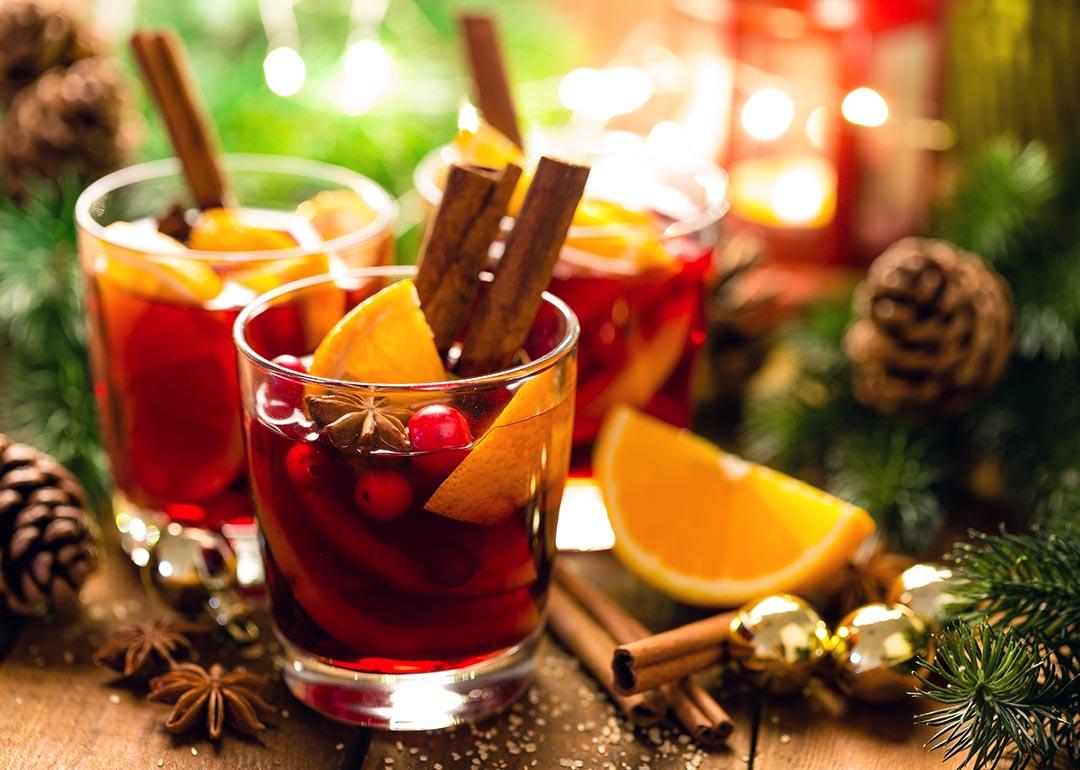
Does holiday drinking age you faster? Longevity experts weigh in
Does holiday drinking age you faster? Longevity experts weigh in
After years of mixed findings on the health impacts of alcohol, researchers have come down firmly on the side of “any amount of booze is bad.” One reason: That champagne toast, warm mug of eggnog, or cold beer during the big game puts undue stress on your body’s detoxification systems and could leave you more vulnerable to chronic diseases linked to inflammation, like , , and .
That said, it’s not a given that one glass of red wine at Thanksgiving dinner will send you to an .
“Variables such as family history and lifestyle choices make it difficult for researchers to directly link alcohol to specific diseases, except for conditions that have a strong causal link to alcohol use, such as alcoholic fatty liver disease,” says functional medicine doctor Anastasia Jandes, M.D.
Still, it’s a buzzkill.
The good news—and there is some—is that the effects appear to be both dose-dependent and reversible. Meaning? An occasional low-ABV lager probably won’t mess with your vital signs, and there are proven ways to undo some of the damage that’s already been done.
If hitting up fewer holiday parties—or serving mocktails at your family’s next get together—isn’t for you, shares what you need to know about alcohol and inflammation before you take your next sip.
What Is Inflammation?
While “inflammation” might call to mind a sprained ankle or busted lip, it also refers to the body’s internal defense system.
Inflammation can have protective qualities. “Your immune system produces when it detects foreign substances that have entered the body, like bacteria, viruses, toxic substances, and certain foods; or when there is trauma,” says Jandes.
Cytokines are special proteins that to fight or repair in a process called the acute inflammatory response. In this situation, you can think of them as soldiers who help beat back the bad guys.
Generally speaking, this is a good thing; it’s a sign your body is firing on all cylinders. The problem comes when your body’s immune system doesn’t get a break, due to habits like drinking beer by the case, overeating, or . When that happens, your system can shift into overdrive, with inflammatory responders ever present. This is called chronic inflammation.
“ is an underlying factor in many chronic disease states,” says Jandes. “If you’re , have a , or pop non-steroidal anti-inflammatories like candy, you may be especially prone to chronic inflammation,” Jandes adds.
How Does Alcohol Contribute to Inflammation?
Once booze enters your system, it can trigger two inflammatory processes, according to Jandes:
It increases gut permeability.
Alcohol changes the behavior of proteins responsible for letting substances exit your intestinal walls, Jandes explains. As a result, incompletely digested, and toxins can enter the bloodstream.
It messes with your gut microbiome.
Within your intestines, alcohol breaks down the walls of harmful bacteria like E.coli, Salmonella, and H. pylori, causing their contents to . Should these substances enter the bloodstream—a real risk considering increased gut permeability—they can trigger an inflammatory response, Jandes explains.
The extent of the damage caused by alcohol depends on many different factors, one of them being your , she continues.
“Your body’s response to alcohol can also be influenced by factors such as the health of your gut and liver, your , the over the past week, the type of alcohol and the amount,” Jandes says.
Effects of Chronic Inflammation
Chronic inflammation triggered by excess alcohol (among other things) can contribute to the following conditions:
Heart disease
supports the pivotal role that inflammation plays in the development and progression of cardiac and vascular diseases. In fact, are associated with both heart failure and adverse outcomes among those who experience acute coronary syndromes, an umbrella term for any number of conditions where blood flow to the heart is suddenly compromised.
Alcoholic fatty liver disease
Your liver breaks down most of the alcohol so it can be removed from your body. This process can generate harmful substances that may promote inflammation, damage the organ, and contribute to alcoholic .
A precursor to more serious liver conditions, such as alcohol hepatitis and cirrhosis, fatty liver disease is marked by excess fat stored in the liver. Once your liver is in trouble, your options are to eliminate alcohol or risk liver failure.
Weakened immune system
Chronic inflammation can contribute to low —white blood cells are part of the body’s immune system that fight conditions like inflammation and infection. A low count may result in a variety of inflammatory diseases like cardiovascular and bowel disease, plus diabetes, , and , according to a review published in Oncotarget.
Mental health conditions
A discusses an association between markers of inflammation and pessimism, as well as the interplay between these, and depression.
Perhaps even more troubling: Chronic inflammation has been linked to dementia, schizophrenia, bipolar disorder, autism spectrum disorder, PTSD, and OCD, says Jandes.
How to Reduce Inflammation
Managing inflammation caused by alcohol is actually possible; in many cases, it’s well within your power to keep things under control. Follow the tips below to during the holidays and beyond:
Drink in moderation
Moderate alcohol consumption (up to one drink per day for women and up to two drinks per day for men) has been associated with reduced inflammation thanks to alcohol’s ability to . But don’t use that as an excuse to drink.
“Generally, it is not recommended to begin to if you do not already drink,” Jandes says.
Women in perimenopause and menopause have another reason to go light on alcohol: Midlife hormonal changes can make you , which means you might feel tipsy faster.
Squeeze lemon in your water
Lemon juice contains a high dose of vitamins and plant compounds, particularly , notes Jandes.
So, lemon water doesn’t just taste fancy and delicious and get you to drink more water, but it also helps from free radicals, the molecules that contribute to inflammation.
Eat anti-inflammatory foods
Certain foods can help the body eliminate toxins and their toxic byproducts—and chances are good that some will be at your holiday buffet. (Think stuffed peppers, crudité, and a fresh fruit platter.)
“The main are high in phytonutrients and fiber, like ,” says Jandes, who recommends eating in a variety of colors every day. And while you’re at it, season them with spices like , , rosemary, and caraway, which may have anti-inflammatory properties.
Try fasting
Eating causes an inflammatory response, while fasting reduces circulating levels of inflammatory mediators, notes Jandes. While we can’t quite knock the habit of eating—and honestly, that’s not happening over the holidays— can help decrease the body’s overall inflammatory burden, she says.
The easiest way to fast without feeling miserable is to stop eating two to four hours before bed and delay breakfast for two to four hours after waking, Jandes suggests.
Set your sights on eight hours of sleep
Yes, we’re talking about every night, even over the holidays: “Sleep is the body’s method of decreasing inflammation in the brain and the body,” Jandes explains. “ significantly impacts most bodily functions and has been linked to higher rates of inflammatory disorders.”
Eat before you drink
Before you head out for a night of revelry, eat a balanced meal or snack to blunt alcohol’s effects. “Eating prior to drinking can help —how fast substances move from your stomach to your small intestine,” says Jandes. “This decreases the absorption rate of alcohol in your bloodstream and thereby decreases the amount of alcohol available to cause inflammation.”
A good thing considering the absorption rate of alcohol in the stomach can be around 30% while absorption in the small intestine is greater than 90%.
Manage stress
activates the same acute inflammatory response as pathogens and trauma, says Jandes. Accumulating evidence suggests that stress can activate an that may contribute to the risk of mental illness, depression, and other stress-related diseases.
Since holiday time can mean family time, you’ll want to line up stress reduction techniques that work for you. and can help your body get really good at escaping its innate fight or flight mode.
Which Alcohol Is the Least Inflammatory?
If you’re generally healthy, a probably won’t lead to inflammation, Jandes says.
“Dry red wine seems to have the least amount of negative health effects due to its and ,” she says.
If red wine’s not your style, beer has a lower alcohol content than alternatives—a good thing since higher alcohol content causes more .
Pass on hard liquor if inflammation is a concern for you, or avoid varieties aged in wooden barrels, which can contribute to inflammation, Jandes warns.
was produced by and reviewed and distributed by Â鶹ԭ´´.