Here are the latest research and treatment updates on the autoimmune disease Hashimoto's
was produced by and reviewed and distributed by 麻豆原创 Media.
Here are the latest research and treatment updates on the autoimmune disease Hashimoto's
Although , there's still plenty to uncover about this complex disease. However, thanks to ongoing research on the gut microbiome, genetics, and autoimmunity, great strides are being made toward discerning its root causes and potential treatments. Whether you're a patient, caregiver, or healthcare provider, 's overview will keep your finger on the pulse when it comes to treatments, clinical trials, and progress in Hashimoto's and thyroid disorders. Here's a snapshot of the most important findings.
is a type of hypothyroidism or an underactive thyroid, that's caused by autoimmune dysfunction. In other words, Hashimoto's occurs in people whose immune system attacks the thyroid gland, causing it to malfunction and lead to a variety of symptoms. High levels of thyroid stimulating hormone (TSH) can be indicative of Hashimoto's.
The gut health connection
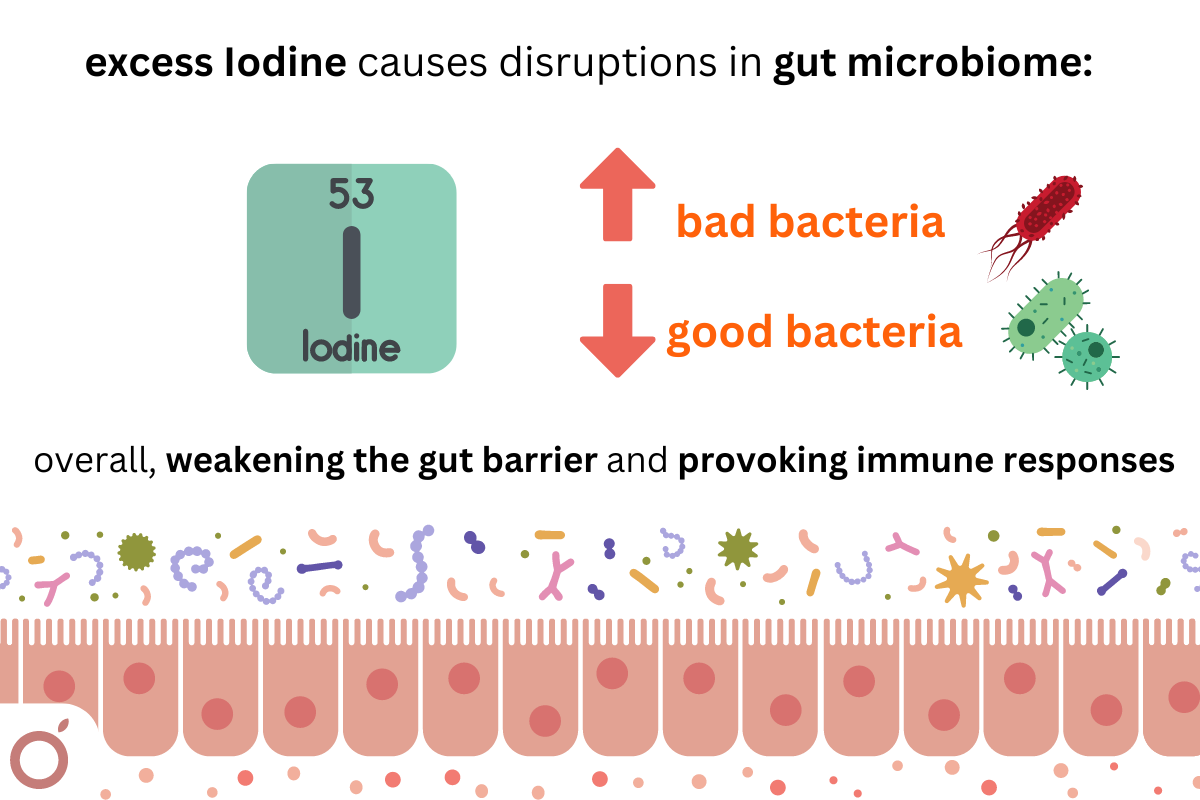
The gut microbiome has been a somewhat explosive topic in the past few years, but only recently have scientists begun to examine the gut-thyroid axis or how the gut interacts with thyroid regulation. A key dietary factor that contributes to thyroid hormone (T3 and T4) composition is iodine, so that's where researchers started. It turns out that although , overconsumption can do the same (and often does). As counterintuitive as it may be, a from China proved it. Excessive iodine consumption can lead to inflammation of the thyroid gland, which in turn can cause functional issues that lead to hypothyroidism.
sought out to understand how microbes play a role in iodine consumption and hypothyroidism. This research found that too much iodine in the digestive system can knock healthy gut microbial populations off-kilter, decreasing the balance of beneficial bacteria and increasing the bad.
These beneficial bacteria produce byproducts that do two major things. 1) They keep immune responses at bay and 2) they help strengthen gut barrier integrity. With this newfound knowledge, scientists can start looking into treatment methods utilizing dietary intervention and probiotic supplementation to support proper microbial balances.
Opportunities in drug repurposing
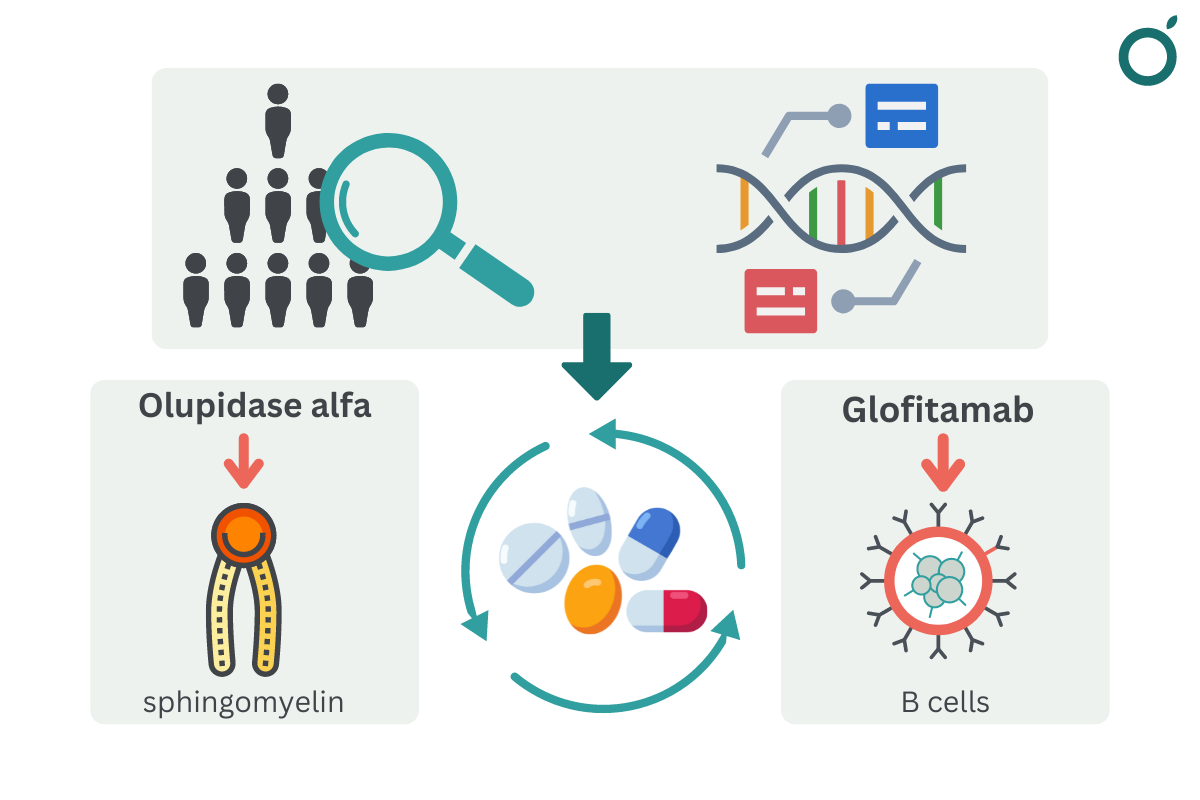
In , meaning they looked into multiple biological factors at once and looked for relationships between them. By looking at the genomes of hypothyroid patients, they were able to find certain biomarkers the disease group had in common.
They found that Hashimoto's patients tend to have elevated levels of sphingomyelin, a cell membrane component that can potentially cause damage to organs when it accumulates. This presents an opportunity to , Olupidase alfa, that helps to get rid of it. They also identified an immune T cell marker, CD3, associated with hypothyroidism that can work with to trigger the destruction of B cells. B cells are responsible for producing self-antibodies that trigger the autoimmune response in Hashimoto's, so getting rid of certain B cells could be quite useful for treatment.
Developments in pregnancy and thyroid antibodies
In July 2024, new research from observed a significant decrease in anti-thyroid antibodies causing Hashimoto's, specifically anti-thyroglobulin (anti-Tg) and anti-thyroid peroxidase (anti-TPO), in women with autoimmune thyroid diseases during pregnancy. Results showed that as pregnancy progressed in the 30 women, blood concentrations of anti-TPO and A-Tg decreased, reaching their lowest levels in the third trimester before returning to pre-pregnancy values postpartum. Since there's previous evidence of an "" this provides important insights into adjusting treatment strategies during pregnancy for those affected by autoimmune thyroid diseases like Graves' and Hashimoto's.
Using AI to understand Hashimoto's and other autoimmune thyroid disorders
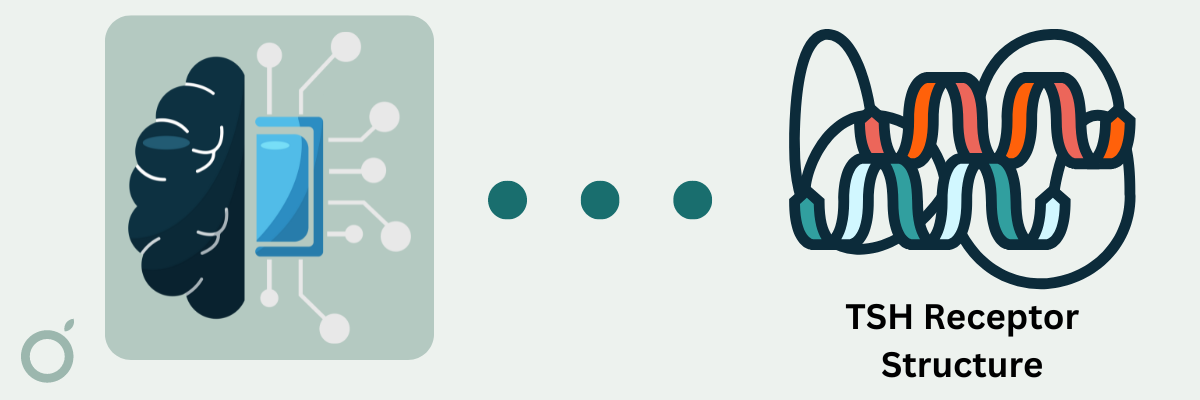
In 2022, with the help of AI, investigators published the . Visualizing the receptor for TSH has been incredibly useful for researchers and has already led to a couple of new discoveries. To the biologists' surprise in 2023, a newfound . Since both thyroid and non-thyroid cells (i.e. the brain, bones, neurons, and fat storage cells) use this receptor, TSH may have more to do with water movement throughout the body than we once thought. This is also exciting news for hyperthyroidism in since it too relies on TSH receptor activity鈥攖argeting this region could be an effective way to shut the receptor down.
Hashimoto's encephalopathy might not be Hashimoto's
is a rare type of encephalopathy, or brain dysfunction, that also occurs in the presence of auto-antibodies. The difference between the common form of Hashimoto's and Hashimoto's encephalopathy is that HE patients present with normal TSH levels. Because of this difference, the common treatment for HE is corticosteroids instead of replacement thyroid hormones, like , or Synthroid, used to treat regular Hashimoto's. Despite the common co-occurrence of thyroid issues with HE, it's still not well understood how the two are related. This is leading some to believe it should be renamed to exclude concrete ties with Hashimoto's.
Looking ahead
The future of Hashimoto's research is promising. Ongoing studies are expected to explore the gut-thyroid connection even further, develop personalized treatments, and introduce new ways to diagnose the disease earlier. All of this points to a future where managing Hashimoto's could be more effective and tailored to individual needs.