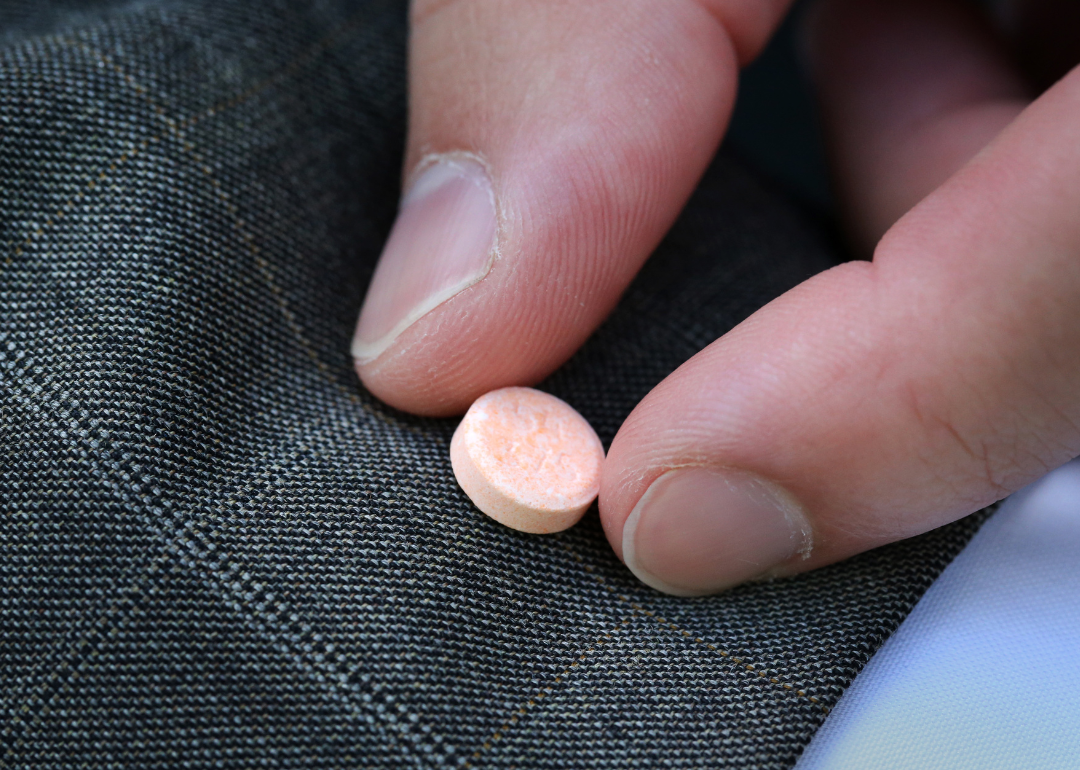
How buprenorphine helps the body overcome opioid addiction
This story originally appeared on Ophelia and was produced and distributed in partnership with 麻豆原创 Studio.
How buprenorphine helps the body overcome opioid addiction
The opioid epidemic is a public health emergency that claims the lives of more than 100 people in the United States every day on average, according to data from the . Documented reached nearly 108,000, the highest total number ever recorded in the U.S. More than 80,000 of those overdoses were opioid-related.
Since 1999, deaths from involving prescription opioids such as pain relievers, synthetic opioids such as fentanyl, and heroin have risen more than eightfold, according to the CDC. explored how buprenorphine helps the body overcome opioid addiction, citing research from a variety of government and scientific sources.
Opioids are highly addictive because they , hormones that suppress pain and induce feelings of pleasure, causing misusers to seek out the experience repeatedly. While opioids in the bloodstream can stimulate feelings of euphoria, they also , which affects the body's and can result in death; during an overdose, the body struggles to get the oxygen necessary to sustain the needs of the brain and other organs.
Treating opioid use disorder requires a combination of , such as counseling, care coordination, and therapy. Drugs used to treat opioid use disorder include opioid agonists and partial agonists (which only have partial activation at opioid receptors), which help users by minimizing withdrawal and cravings. Buprenorphine is one notable partial agonist used in opioid addiction interventions.
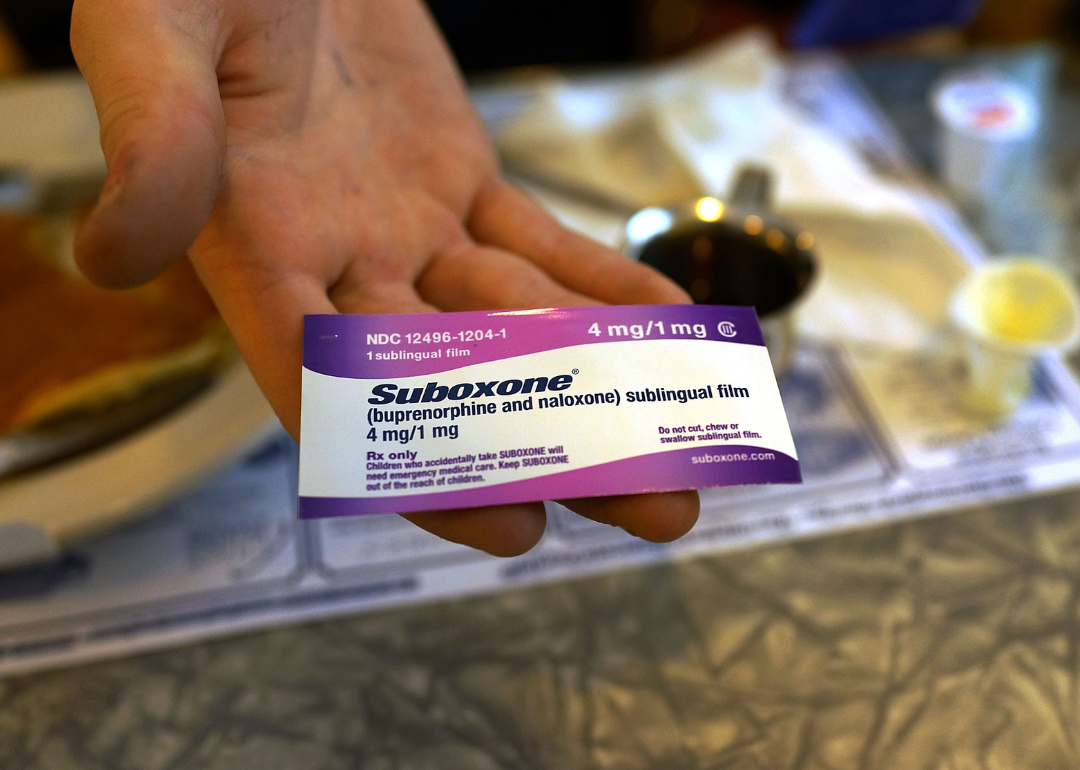
Agonist substitution treatment for opioid use disorder uses buprenorphine
Agonist substitution treatment is an approach that replaces the misused drugs with ones sharing similar properties but much safer risk profiles and longer durations of action which help extinguish drug-seeking behaviors. Buprenorphine鈥攁 synthetic opioid鈥攊s a partial agonist, according to the National Institutes of Health's .
The drug works by binding to the same opioid receptors in the brain, activating them less intensely than opioids. Thus buprenorphine decreases the craving for opioid stimulation and symptoms of withdrawal in the patient but does not trigger like street drugs.
Buprenorphine is not swallowed as a pill, but rather taken sublingually, or under the tongue鈥� it is directly absorbed into the bloodstream through soft tissues in the mouth.

Buprenorphine displaces the opioid molecules connected to receptors in the brain
Opioid receptors, found in the spinal cord, brain, and other organs, are a once opioids bind to and activate them, triggering a dopamine release.
When discussing opioids, it is essential to differentiate between exogenous opioids鈥攖hose in drugs鈥攁nd , which are produced naturally by the body, notably beta-endorphin, met- and leu-enkephalins, and dynorphins.
People with opioid use disorder attempt to excessively replicate what is a natural process in the human body to suppress pain, allowing synthetic substances to bind to the receptors and trigger dopamine release. However, once they stop doing so, intense urges and withdrawal begin because the body is accustomed to artificially induced feelings of euphoria and pleasure.
Buprenorphine is a partial agonist with high receptor affinity鈥攎eaning it has a greater probability of binding to a receptor. But it also has low intrinsic activity, so it can from the receptors, reigning in the effects of full-agonist opioids such as heroin.

In displacing other opioids, buprenorphine reduces cravings
Buprenorphine, having a high affinity, , which regulate moods and feelings such as pain, motivation, and stress. These receptors also receive molecules from drugs like morphine and other opioids, which bind to them and trigger dopamine release.
After being absorbed sublingually, buprenorphine travels to the brain's mu-opioid receptors. Due to the high affinity of , the drug's molecules can displace those of other opioids attached to the receptors and only partially activate them, thereby reducing cravings.
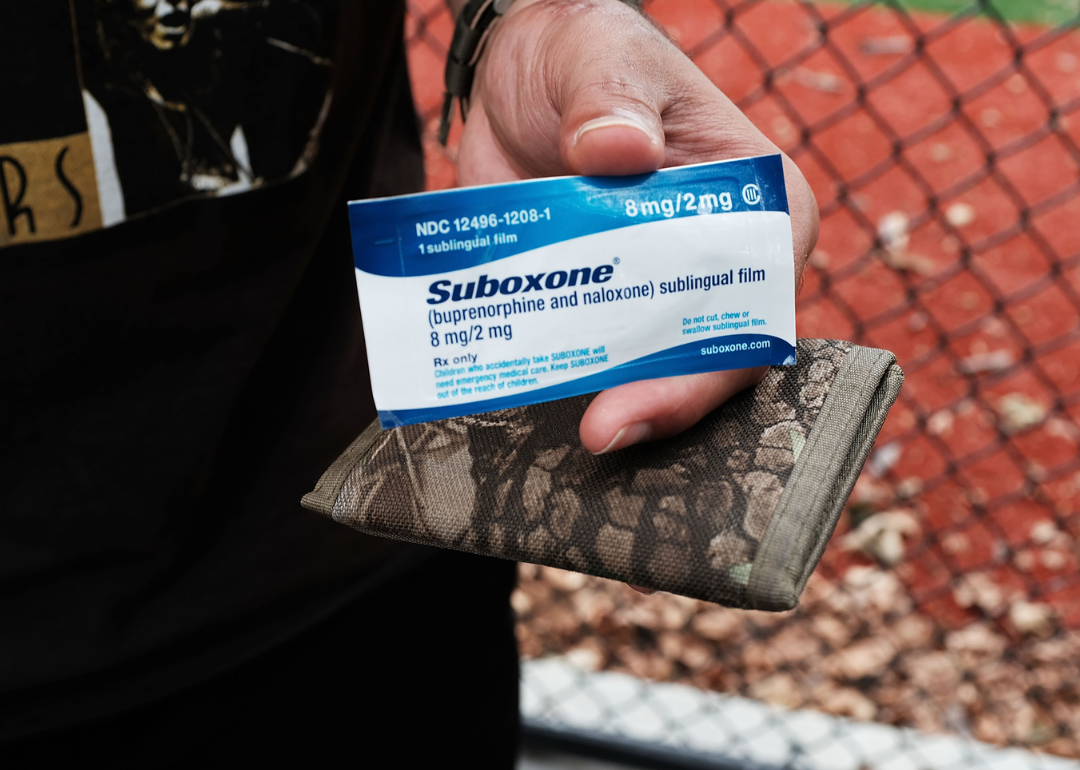
Buprenorphine reduces or eliminates withdrawal symptoms in opioid users trying to quit
When buprenorphine molecules bind with mu-opioid receptors in the brain, they activate the receptors partially. If buprenorphine were a full agonist, it would produce a maximal response in a patient.
In other words, buprenorphine can give patients without stimulating feelings of euphoria or causing respiratory depression to the extent abused exogenous opioids do.
Additional research by Emilia Ruzicka. Story editing by Brian Budzynski. Copy editing by Kristen Wegrzyn.