This story originally appeared on Cognitive FX and was produced and distributed in partnership with 麻豆原创 Studio.
How COVID-19 affects the brain
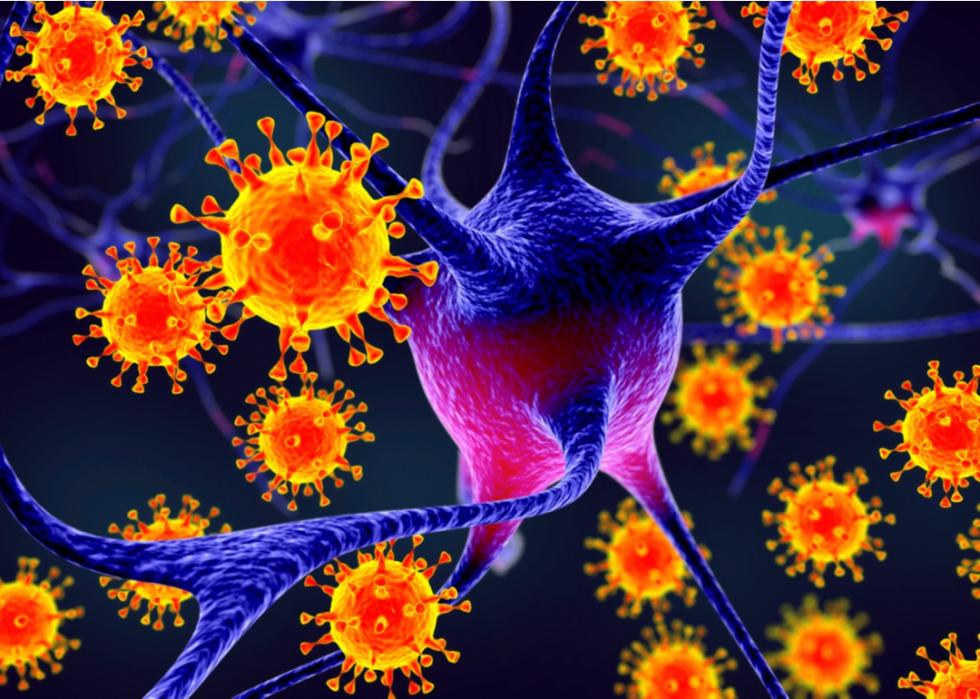
A growing body of scientific evidence suggests some COVID-19 patients will experience of the infection. Genetic material from SARS-CoV-2, the virus that causes COVID-19, has been found in the cerebrospinal fluid of a person with COVID-19. And the virus has been found in the brain tissue of patients who died of COVID-19, which suggests it can affect .
The frequency of symptoms appears to be associated with COVID-19 severity. In a study in China, patients with were more likely than those with nonsevere infection to have neurological symptoms of COVID-19, such as cerebrovascular disease, delirium, or musculoskeletal injury. Other neurological symptoms of COVID-19 include seizures and encephalitis.
The exact mechanisms by which SARS-CoV-2 affects the central and peripheral nervous systems is not clear. Neurological symptoms could be caused by the viral infection itself or be the result of other conditions such as sepsis, blood coagulation disorders, and vasculitis, which have all been reported in those with COVID-19. More research is needed, particularly as the number of people who have recovered from COVID-19 continues to grow.
sought out information from scientific journals including and the to put together a list of the six most common neurological symptoms associated with COVID-19 infection.
Cerebrovascular disorders
A 2020 study in of almost 240,000 people with COVID-19 reported they had a little more than 2% rate of ischemic stroke. A subgroup of almost 9,000 people who were admitted to the intensive care unit had an almost 7% risk of ischemic stroke. In the same study, the rate of was almost 1%, and the rate among those in the ICU was almost 3%. A small study in China reported that age, a history of diabetes or hypertension, severe COVID-19, and a significant inflammatory or coagulation response increased the in COVID-19 patients.
Anxiety disorder
A 2020 study that appeared in The Lancet Psychiatry reported that people diagnosed with COVID-19 had a more than 17% rate of , and the rate among those admitted to the ICU with COVID-19 was greater than 19%. The researchers said the rate of psychiatric disorders such as mood and anxiety disorders was not as strongly associated with the severity of COVID-19 compared to the rate of neurological disorders, such as encephalopathy and stroke. This finding suggests anxiety disorder may reflect the psychological impact of a COVID-19 diagnosis, rather than being caused by the condition.
A review of 2020 research published in the international journal Acta Neurologica Belgica also found a relationship between , especially in patients with severe cases of the virus.
Dementia
The findings of support of an association between COVID-19 and dementia. The more recent study reported that almost 3% of those over 65 had a first diagnosis of dementia six months after their COVID-19 diagnosis. Almost 5% of those with had a first diagnosis of dementia six months after diagnosis.
Encephalopathy
People with a history of severe respiratory distress and hypertension have an increased risk of developing as the first symptom of COVID-19. The risk increases with the severity of the infection. COVID-19-associated encephalopathy may have multiple causes, including metabolic factors; medication; and hypoxia, or insufficient oxygen. The symptoms of encephalopathy are treated with anticonvulsant medication; antipyretic, or fever-reducing medication; and support for oxygen therapy.
Encephalitis
, or inflammation of the brain, is a type of encephalopathy that is caused by an infection, including a viral infection. Symptoms of encephalitis include fever, headache, and delirium. Patients with COVID-19 may also have seizures. Those with COVID-19 may present with encephalitis rather than respiratory symptoms, although it is rare. A July 2020 study published in the journal Brain, Behavior, and Immunity suggests a link between .
Myopathy and neuromuscular disorders
A study of patients with COVID-19 reported that 44% to 70% of those hospitalized had and . Unfortunately, the rapid spread of the novel coronavirus prevented a thorough workup of COVID-19 patients that may have helped doctors determine how the infection caused these symptoms. Myalgia correlates with increased creatinine kinase level and lymphocyte count, which suggests e and could interfere with muscle energy production, according to a study published in March 2021 by the International Journal of Clinical Practice.