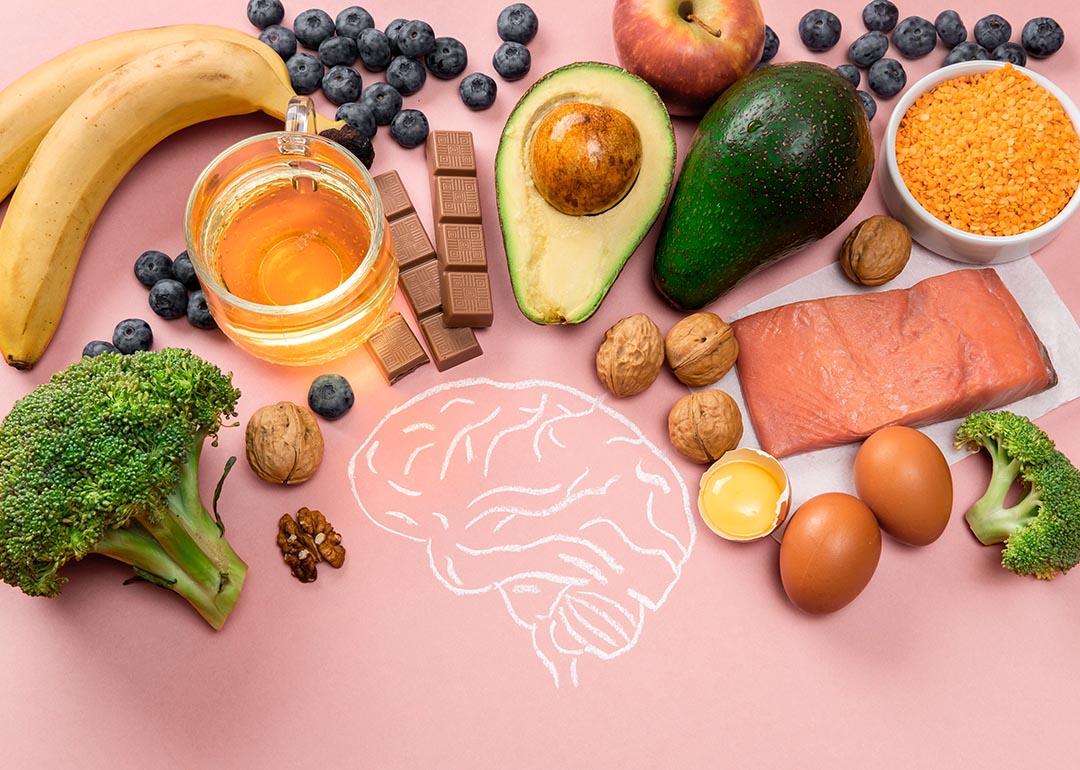
How electrolytes like potassium and magnesium can boost your cognitive health
How electrolytes like potassium and magnesium can boost your cognitive health
Have you ever considered that hidden within your daily routine might be the secret to unlocking your brain's full potential? Beyond the usual suspects like caffeine and energy drinks, there's an unexpected player in the world of cognitive enhancement: electrolytes.
When we think about electrolytes, we often associate them with keeping athletes hydrated and smooth muscle function. While these associations are valid, there's an equally important yet lesser-known dimension to their role 鈥� their significant impact on cognitive well-being. explores the lesser-known brain-boosting advantages of two vital electrolytes: potassium and magnesium, and how they actively contribute to cognitive health.
Understanding electrolytes
Before exploring the brain-boosting benefits, let's briefly recap what electrolytes are. are minerals that carry an electric charge when dissolved in bodily fluids like blood and cells. These ions or charged particles play a crucial role in various physiological processes within the human body and other organisms.
Electrolytes include positively charged ions, such as sodium (Na+), potassium (K+), calcium (Ca2+), and magnesium (Mg2+), as well as negatively charged ions like chloride (Cl-) and bicarbonate (HCO3-).
Electrolytes are essential for many , including maintaining proper fluid balance, nerve function, muscle contractions, and the functioning of many cellular processes. They help transmit electrical signals in nerve cells, regulate muscle contractions (including the heartbeat), and assist in maintaining the pH balance of bodily fluids.
Let's take a closer look at how potassium and magnesium are involved in brain functioning, along with what a deficiency in each causes.
How does potassium help your brain?
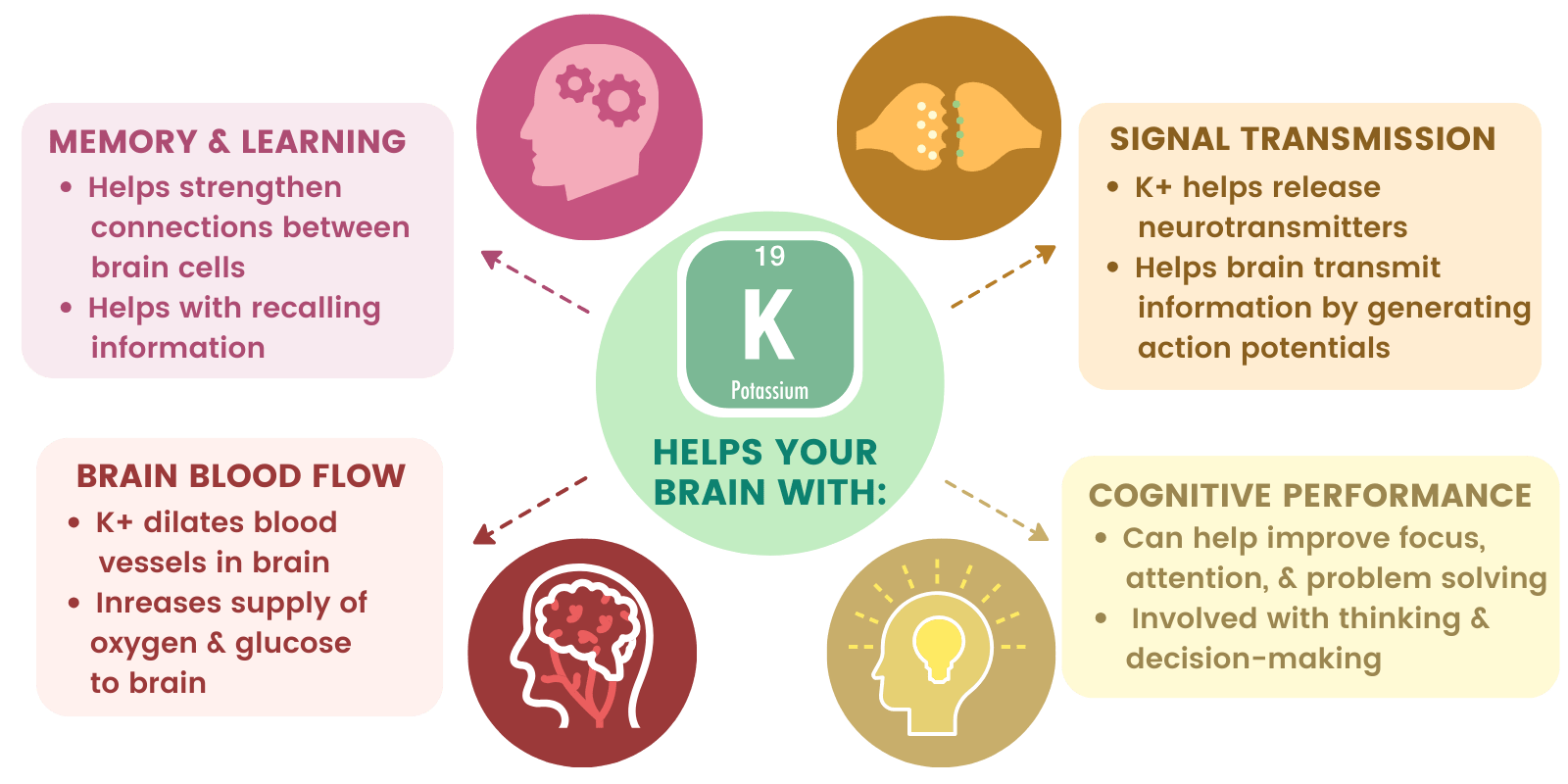
plays a substantial role in cognitive function. This critical electrolyte helps maintain the electrical activity of neurons, allowing them to communicate effectively. Here's how potassium benefits cognitive health:
1. Neurotransmitter function
Signal transmission: Potassium is crucial for the release and , which are chemicals that transmit signals between nerve cells (neurons). Neurons communicate with each other by releasing neurotransmitters into synapses 鈥� the tiny gaps between neurons. These carry signals from one neuron to the next, allowing for the transmission of information throughout the brain.
Memory and learning: The effective release and action of neurotransmitters are crucial for processes . For example, when you learn something new, neurotransmitters are involved in strengthening connections (synapses) between neurons, making it easier for you to recall and apply that knowledge later.
2. Brain blood flow
Oxygen and nutrient supply: Potassium helps , ensuring that brain cells receive an adequate supply of oxygen and nutrients. The brain is highly metabolically active and requires a continuous delivery of oxygen and glucose (a nutrient) to function optimally. Potassium contributes to the , facilitating the delivery of these essential resources.
Enhanced cognitive performance: When brain cells receive sufficient oxygen and nutrients, they can . This can lead to enhanced cognitive performance, including improved focus, attention, and problem-solving abilities.
3. Nerve impulse transmission
Generating action potentials: Nerve impulses, also known as action potentials, are the electrical signals that neurons use to transmit information rapidly. Potassium plays a crucial role in .
Thinking and movement: Nerve impulses are responsible for various cognitive functions, such as thinking, decision-making, and voluntary muscle movements. When you think or decide to move a part of your body, it's because neurons are firing action potentials, and potassium is involved in these .
A deficiency in potassium () can lead to symptoms like fatigue, muscle weakness, and impaired cognitive function, including difficulty concentrating and memory problems.
How does magnesium help your brain?
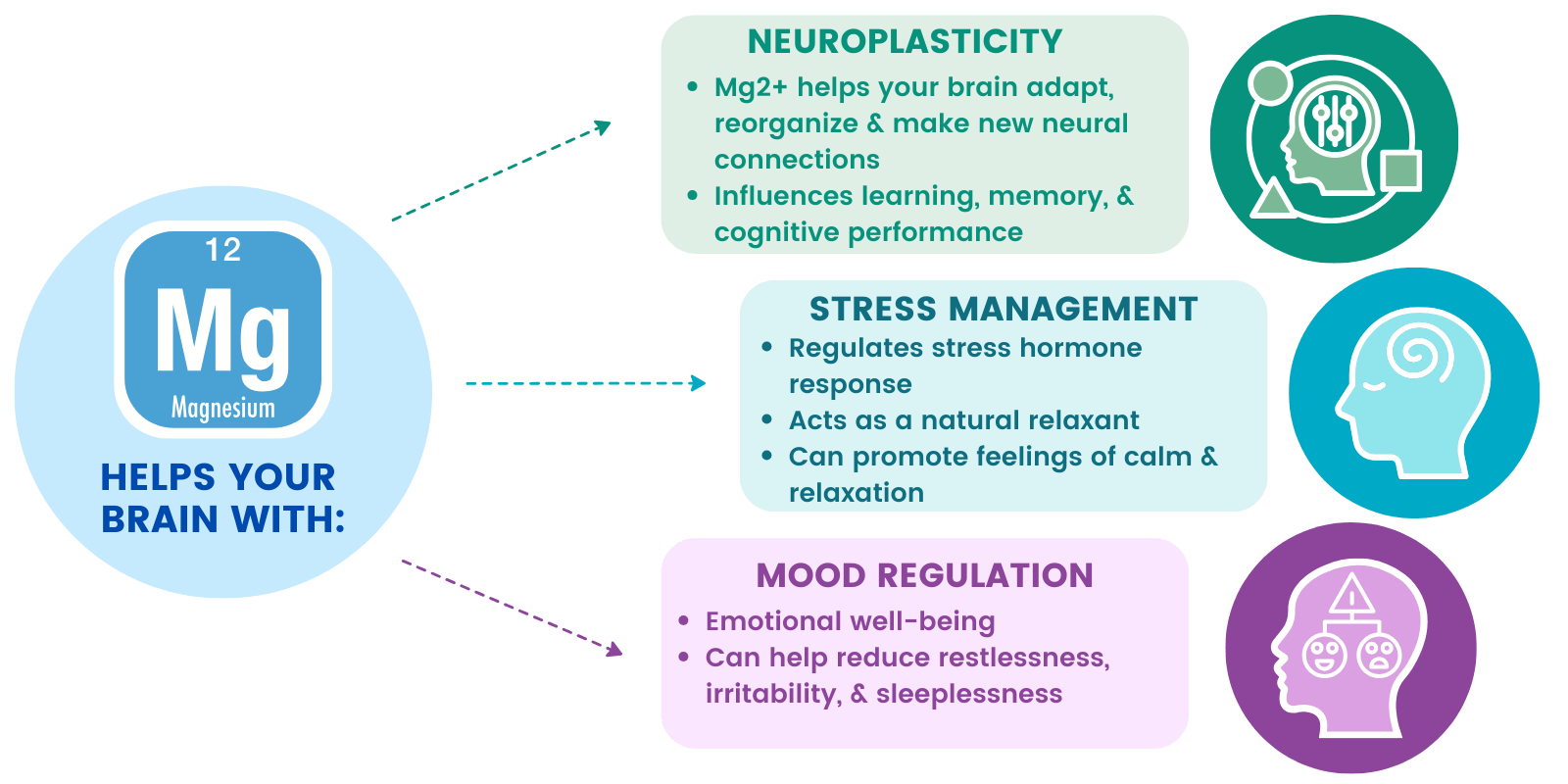
is another electrolyte that is vital for brain health. It's involved in over in the body, many of which are linked to cognitive function. Here are some of the ways magnesium supports your brain:
1. Neuroplasticity
Adaptive learning: Magnesium is crucial for , which is the brain's ability to adapt, reorganize, and form new neural connections. One found that magnesium can influence learning and memory in rodents and improve cognitive performance in brain injury scenarios.
2. Stress management
Stress response regulation: Magnesium plays a role in . Chronic stress can have detrimental effects on the brain, leading to cognitive impairments and emotional disturbances. Magnesium helps mitigate these effects by acting as a natural relaxant. It counteracts the like cortisol, promoting a sense of calm and reducing the negative impact of stress on the brain.
Gamma-Aminobutyric Acid (GABA) stimulant: Magnesium helps alleviate stress by binding to and in the brain. , a key neurotransmitter, helps slow down brain activity, promoting relaxation. Low GABA levels can lead to heightened stress, manifesting as overwhelming feelings, disorganization, excessive worrying, and insomnia due to racing thoughts. This deficiency is associated with various stress-related disorders.
3. Mood regulation
Emotional well-being: Both animal and human studies suggest that magnesium has a positive impact on mood. In , mice with low magnesium levels displayed higher aggression and restlessness, along with increased adrenaline. showed that taking 400 mg of magnesium daily for 90 days under mental pressure improved physiological regulation and mental balance, helping prevent symptoms like restlessness, irritability, and sleeplessness associated with magnesium deficiency.
A deficiency in magnesium () can result in other symptoms such as brain fog, anxiety, and memory issues.
How to maintain optimal levels of potassium and magnesium
Now that we understand the importance of these electrolytes for cognitive health, let's explore how to ensure you're getting enough of them.
Diet: Incorporate like bananas, spinach, sweet potatoes, and avocados into your diet. For , you can eat almonds, dark chocolate, spinach, and whole grains. Here are the recommended daily intake levels for adults:
- 2600 mg (women), 3400 mg (men)
- 310-320 mg (women), 400-420 mg (men)
Important note: Before making significant changes to your diet or supplement intake, it's essential to consult with a health care professional, especially if you have underlying health conditions or specific dietary restrictions. While the following recommendations generally apply to most individuals, individual health circumstances can vary.
- Hydration: Stay properly hydrated, as electrolyte imbalances can occur when you're dehydrated.
- Stress management: Practice stress-reduction techniques like meditation and yoga to help maintain magnesium levels.
- Supplementation: If you have difficulty meeting your potassium and magnesium needs through diet alone, consider supplements under the guidance of a healthcare professional.
Remember: While these electrolytes are crucial for cognitive health, overconsumption, often through supplementation, can lead to adverse effects, including cardiac arrhythmias, muscle weakness, gastrointestinal symptoms, and more.
Conclusion
While potassium and magnesium may not be the first nutrients that come to mind when you think about brain health, their roles in cognitive function are undeniable. Ensuring you have adequate levels of these electrolytes through a balanced diet and healthy lifestyle choices can contribute to sharper cognitive function, better memory, and overall mental well-being. So, next time you enjoy an electrolyte-rich beverage or snack, remember that it's not just your muscles benefiting; your brain is thanking you too.
was produced by and reviewed and distributed by 麻豆原创 Media.