This story originally appeared on Zest Tea and was produced and distributed in partnership with 麻豆原创 Studio.
How much caffeine is in 10 types of drinks
Caffeine is often considered as crucial as breath itself by professionals who work long or unusual hours, and studies have shown that it can . Most people can consume up to 400 milligrams of the substance daily without health problems. But even a smaller amount for those with a number of health conditions, including anxiety, insomnia, and high blood pressure. It鈥檚 also potentially risky for those who are pregnant or breastfeeding.
used data from the to compile a list of 10 types of drinks and their standard caffeine contents. Each slide lists a type of coffee, tea, soda, or energy drink and includes the caffeine content of the drink in milligrams and the standard serving size of the drink in ounces and milliliters. Decaf espresso coffee (1 ounce), citrus soda (8 ounces), and root beer soda (8 ounces) were not included on the list, as these drinks usually contain 0 milligrams of caffeine in a standard-sized drink. Please note that the Mayo Clinic did not include specific drink brands, and caffeine content in each drink can vary based on the size of the drink and its brand.
Options range from espresso, where perfecting the flavor is a science, to energy shots, that are quick and easy and all about boosting the nervous system, often with little concern for pleasing the palate. Several frequently found brewed beverages are also on the list.
Caffeine content isn鈥檛 the only way that these beverages impact wellness. Energy drinks have healthy ingredients like . If you鈥檙e looking for a bit less of a boost, has less caffeine, polyphenols known to manage inflammation and beat cancer, plus antioxidants that have a positive impact on aging.
Learn more about how caffeine plays a role in your wellness in the next 10 slides: The information might change your choice of beverage.
#10. Brewed coffee (decaf) and instant coffee (decaf)
- Caffeine content: 2 mg
- Standard serving size of drink: 8 oz (237 mL)
Decaf isn鈥檛 really decaffeinated. But at 2 milligrams per 8-ounce cup, it鈥檚 4% as likely to boost your energy as brewed black tea and 2% as likely to be the culprit when you鈥檙e lying in bed staring at the darkness in the middle of the night. This type of coffee shares a number of the benefits of its caffeinated colleague, but without the risks to the cardiovascular system, or negative interactions with some prescription drugs.
#9. Ready-to-drink, bottled tea
- Caffeine content: 19 mg
- Standard serving size of drink: 8 oz (237 mL)
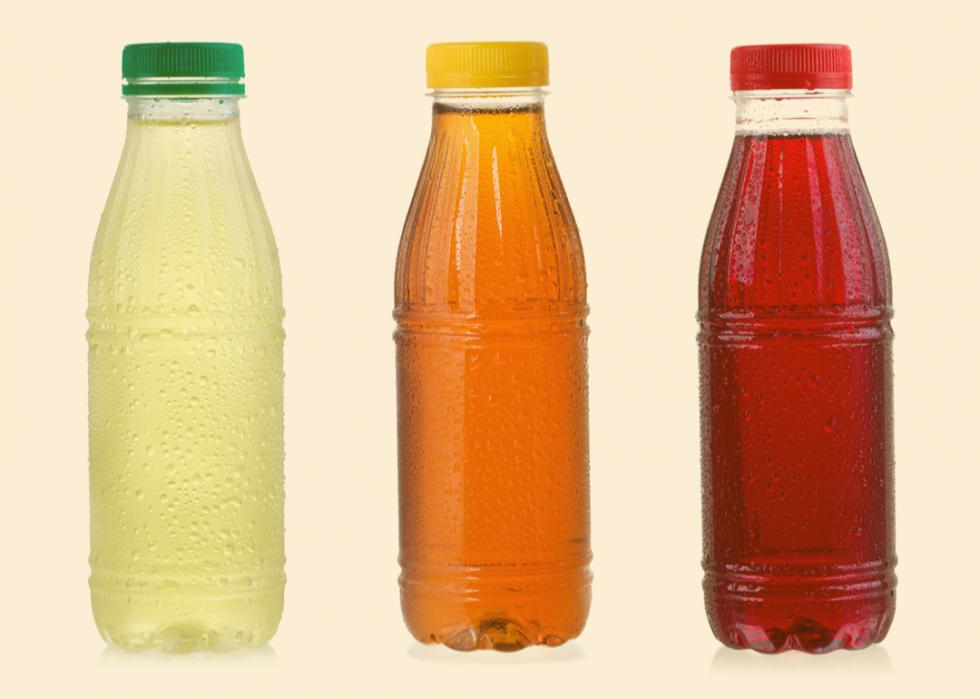
Based on caffeine content alone, bottled tea is significantly less energizing than tea brewed at home. But it鈥檚 a good choice if you鈥檙e on the go and need something more stimulating than water. Choose a non-sweetened variety to maximize positive health impacts.
#8. Cola soda
- Caffeine content: 22 mg
- Standard serving size of drink: 8 oz (237 mL)
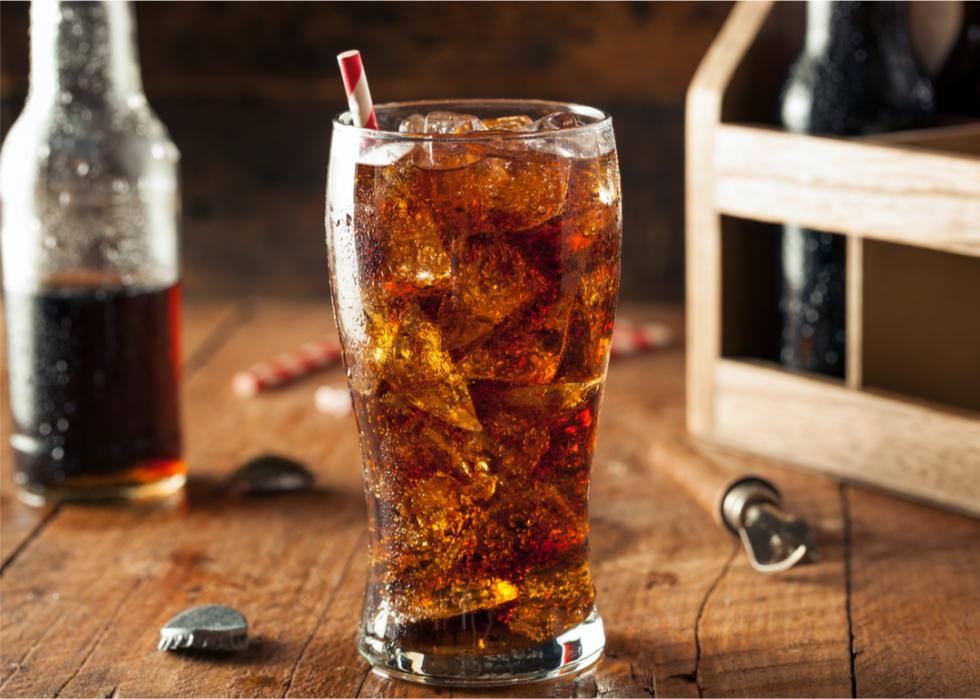
Because cola sodas are often sweetened, you might be a bit more animated after consuming one than you would be after a bottled tea, even though the caffeine content is similar. Shop for alternatives that have healthier sweeteners to bypass the downsides of sugar and corn syrup.
#7. Brewed green tea
- Caffeine content: 28 mg
- Standard serving size of drink: 8 oz (237 mL)
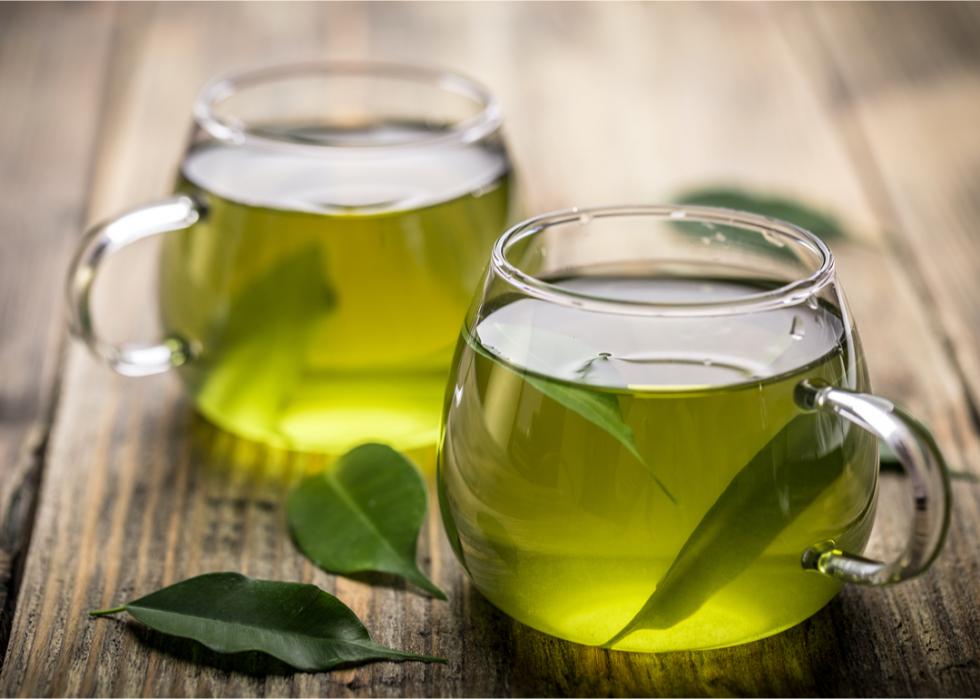
Many health professionals encourage patients to drink green tea because it doesn鈥檛 agitate the nervous system as much as black tea and possesses other health benefits. But the caffeine content is only 1 milligram less than the typical energy drink.
#6. Energy drink
- Caffeine content: 29 mg
- Standard serving size of drink: 8 oz (237 mL)
Even if you鈥檙e not an action sports superhero, you鈥檒l probably be flying a lot higher after an energy drink than if you鈥檇 chosen water, especially since many contain other stimulants, including ginseng, guarana, or sugar. Avoid mixing energy drinks with alcohol as the combination can lead people to overindulge in alcohol to a dangerous point.
#5. Brewed black tea
- Caffeine content: 47 mg
- Standard serving size of drink: 8 oz (237 mL)
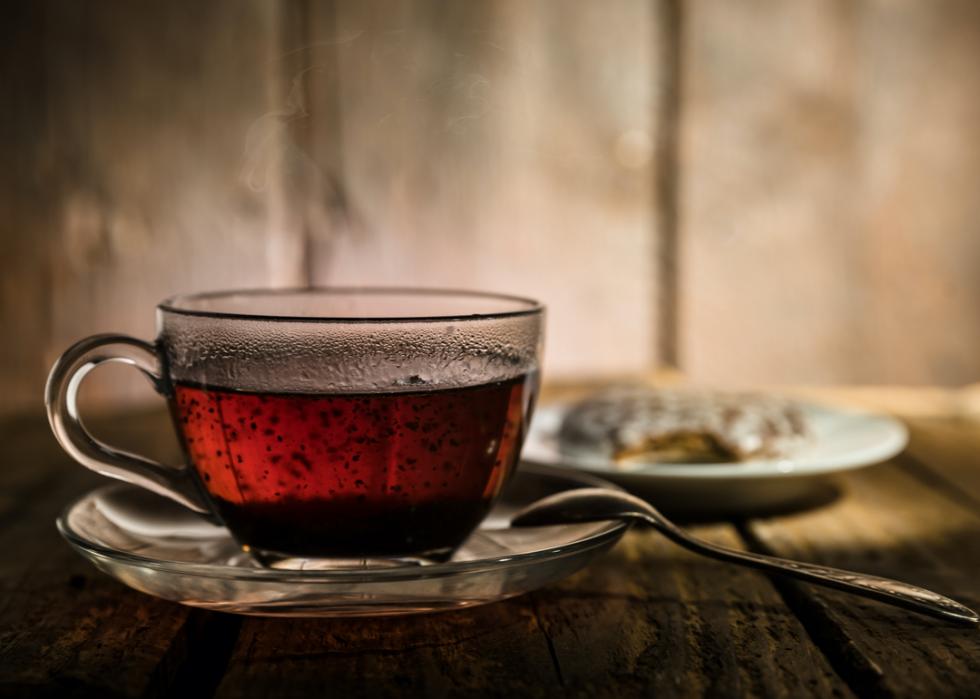
Need to stay up to meet that urgent deadline? Pull out the tea kettle and brew up some black tea: The amount of caffeine is almost double that of green tea, and there are benefits for your heart, gut, and overall health.
#4. Instant coffee
- Caffeine content: 62 mg
- Standard serving size of drink: 8 oz (237 mL)
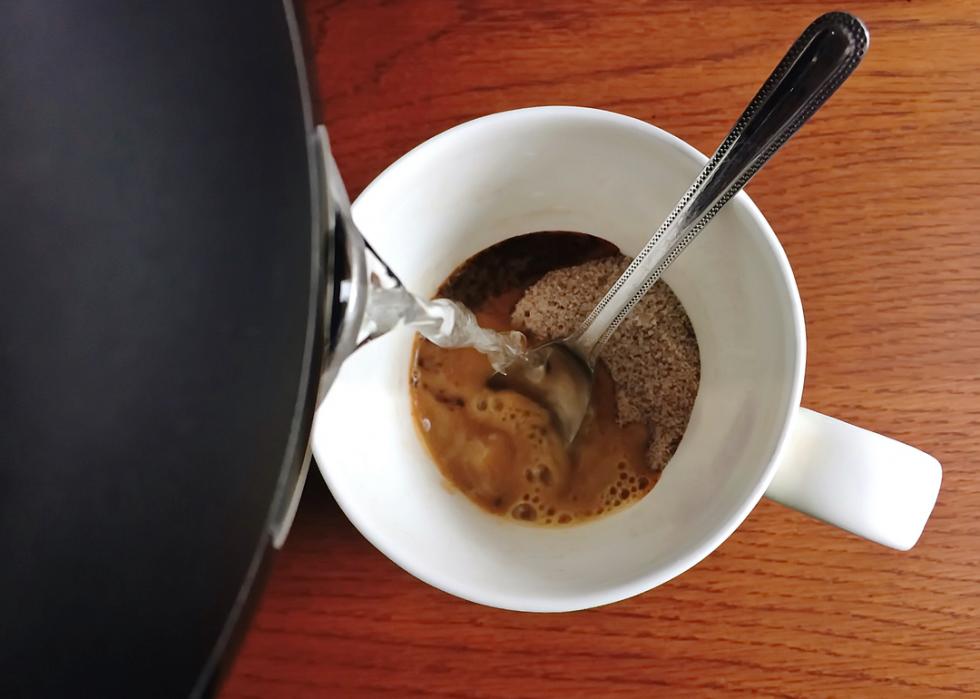
Designed for convenience, instant coffee packs almost as much of a punch as a shot of espresso, but without the need for a fancy machine. Grab a cup to get many of the same health benefits as regular coffee, such as increased brain function and a boosted metabolism.
#3. Espresso coffee
- Caffeine content: 64 mg
- Standard serving size of drink: 1 oz (30 mL)
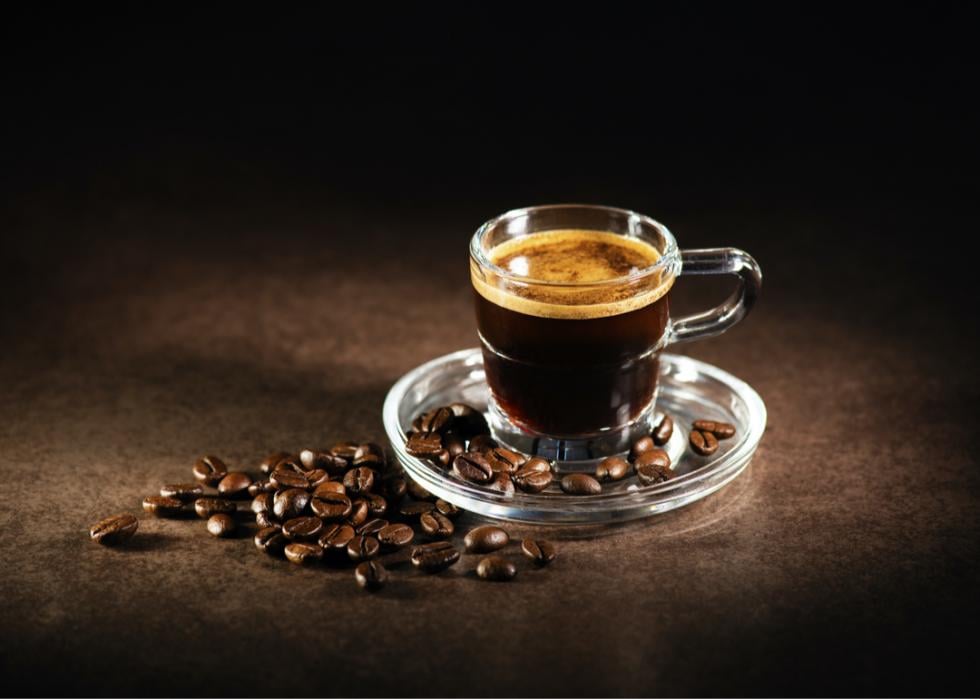
Espresso has been around since 1884 in Italy, and about a century later, shops devoted to a myriad of espresso drinks started showing up on practically every corner in some locations worldwide. The drink offered a less-caffeinated option for coffee fans, many of whom were more focused on flavor.
#2. Brewed coffee
- Caffeine content: 96 mg
- Standard serving size of drink: 8 oz (237 mL)
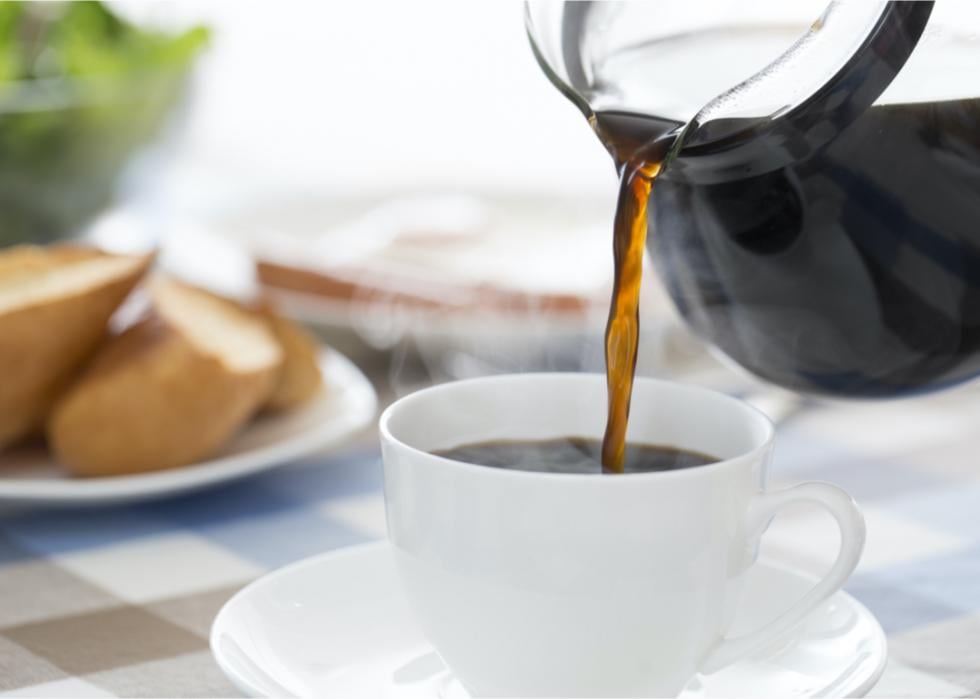
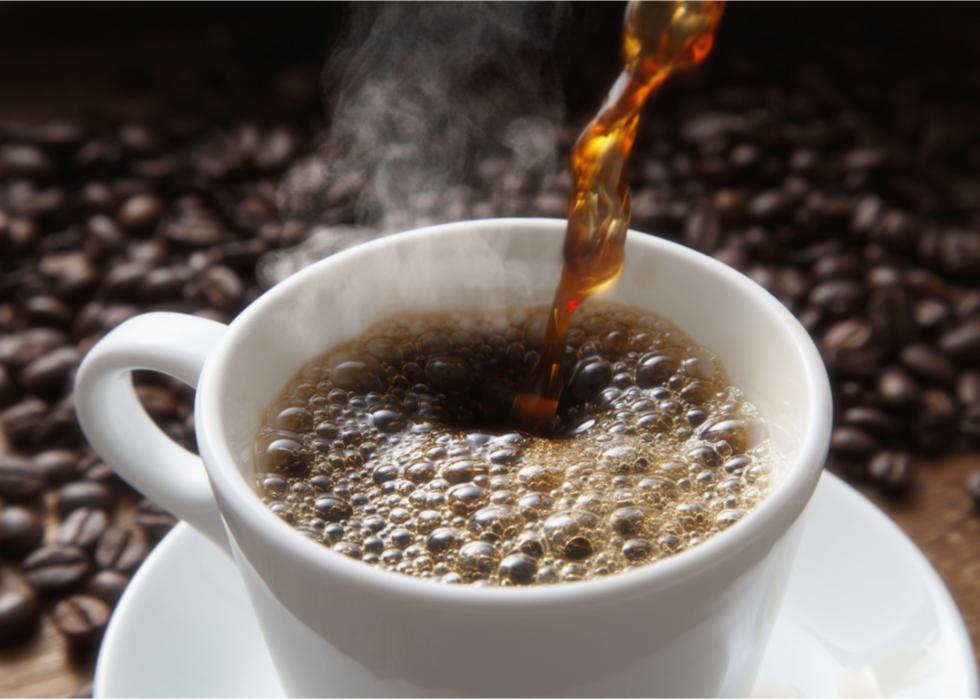
Omnipresent everywhere from truck stops to upscale bistros, brewed coffee averages 96 milligrams in an 8-ounce serving, making it an effective resource for anyone who鈥檚 living a nonstop lifestyle. Note that the way you brew your beverage could have an impact on your health: A 2020 observational Norwegian study found filtered coffee to be healthier than unfiltered coffee, or coffee brewed using methods such as a French press.
#1. Energy shot
- Caffeine content: 215 mg
- Standard serving size of drink: 1 oz (30 mL)
Anyone who鈥檚 looking for convenience and a mega-hit of energy might want to grab an energy shot. But : Two of them in one day would push you beyond healthy caffeine consumption levels. Beyond caffeine and sugar, many energy shots have healthy nutrients like B vitamins and the amino acid taurine.