Is it harder for women to lose weight?
was produced by and reviewed and distributed by 麻豆原创.
Is it harder for women to lose weight?
It's true that you can be healthy while living in a larger body. But it's also true that, for many, carrying excess weight can lead to . This tends to be a bigger issue for women. More women than men trying to lose weight and view themselves as overweight.
Even though obesity in women is common, it's harder for women to lose weight. In fact, show that men lose more weight than women from dieting, as well as from dieting plus exercise. But why?
reviews the many factors that make harder for some women and shares useful strategies to optimize your health from a weight perspective.
Key Takeaways:
- Compared to men, it's harder for many women to lose weight. This may be due to hormones, metabolism, body composition, and other factors.
- Life changes鈥攍ike pregnancy and menopause鈥攁lso play a role. And your physical and mental health matters, too.
- For many women, it's helpful to focus on overall health instead of weight alone.
Why is it harder for women to lose weight?
First, it's important to know that obesity in women isn't caused by any . Research has pointed to several factors that can lead to excess weight, including genetics, social determinants of health, and environment, to name a few. In other words, the issue of body weight is complicated, and it's not totally within our control.
While we can't change how our bodies work, it's helpful to understand the different factors at play. Let's take a closer look.
Body composition and metabolism
The differences between men and women with regard to body composition and metabolism have been well studied. Put simply, men generally have higher . This makes weight loss easier for men. These differences start in puberty and persist throughout adulthood.
This might explain why men and women also respond differently to diet interventions. For example, in one study, and fat mass after 12 weeks of a low-carbohydrate diet than women.
Hormones
The sex hormone estrogen also has a lot to do with weight in women because it affects body composition and .
Estrogen affects:
- Fat distribution: Men tend to have more fat around their midsections, whereas premenopausal women have more fat in their lower body. But, during menopause, estrogen decreases, which usually leads to .
- Fat storage: Estrogen is also believed to cause after meals in women, whereas men tend to oxidize (or burn) fat more efficiently.
Women's hormone levels also go through many changes over a lifetime. Each change can have a significant impact on a woman's weight. For example:
- Menstruation: Hormone changes throughout a monthly cycle also affect .
- Pregnancy: Gaining weight during pregnancy increases your risk of keeping that excess weight .
- Menopause: In addition to changing fat distribution, women also tend to lose muscle mass and gain fat after .
Mental health
Mental health can also impact weight. The highest rate of weight gain usually happens in for women. But that might not be the real beginning. Research suggests that events in childhood and teen years can affect body size later in life. For example:
- Attitudes toward food and weight start early in childhood. (like restrictive diets) and depressive symptoms in adolescent girls are linked with obesity in women later in life.
- Being a victim of neglect or other forms of abuse in childhood is linked to obesity. Children who are physically and verbally abused are to have obesity in adulthood. The more severe the abuse, the higher the risk of obesity.
- Hardship in adolescence is associated with obesity. Household substance abuse or financial trouble have both been linked to , with girls affected more commonly than boys.
Also, poor mental health in adulthood can often play a role in weight struggles. Research suggests that people with larger body sizes are at higher risk for certain . This includes depression and anxiety, which are than men worldwide. And these conditions may make it harder to lose weight.
Additionally, women tend to have , often due to societal pressure and other expectations. Having a negative body image can have on mental health and increase the risk of disordered eating. This potentially vicious cycle is yet another reason why weight loss can be more challenging for women.
Eating behavior
Some particular eating habits may also make weight loss more difficult for women. One example is "," or eating when you're sad or stressed. Stress releases that make us feel hungry, and eating often makes us feel better. Interestingly, women who diet are at higher risk for and are more likely to choose unhealthy foods during stress.
Additionally, suggests that women may have less control than men over food cravings and controlling their food intake, even when not hungry.
How can women overcome weight loss obstacles?
Good news: According to research, losing even a little bit of weight (3% to 5% of your weight) can help from obesity. Even better news? There are several without dieting. Here are a few.
Establish healthy eating patterns
An abundance of research shows that are important for healthy weight maintenance. This starts with eating . The quality of the calories you consume is as important as the number of calories you consume. Healthy eating can also help you reach other health goals, like lowering cholesterol and blood pressure.
How do you know where to start? With all the information out there on nutrition and diet, it can feel overwhelming. For a , keep it simple by including these elements:
- Lots of
- Enough
- fats
- Lots of
Be sure to avoid , since these are difficult to stick to long term. Fad diets can also lead to , which can actually lead to overall weight gain in the long run.
Prioritize exercise and resistance training
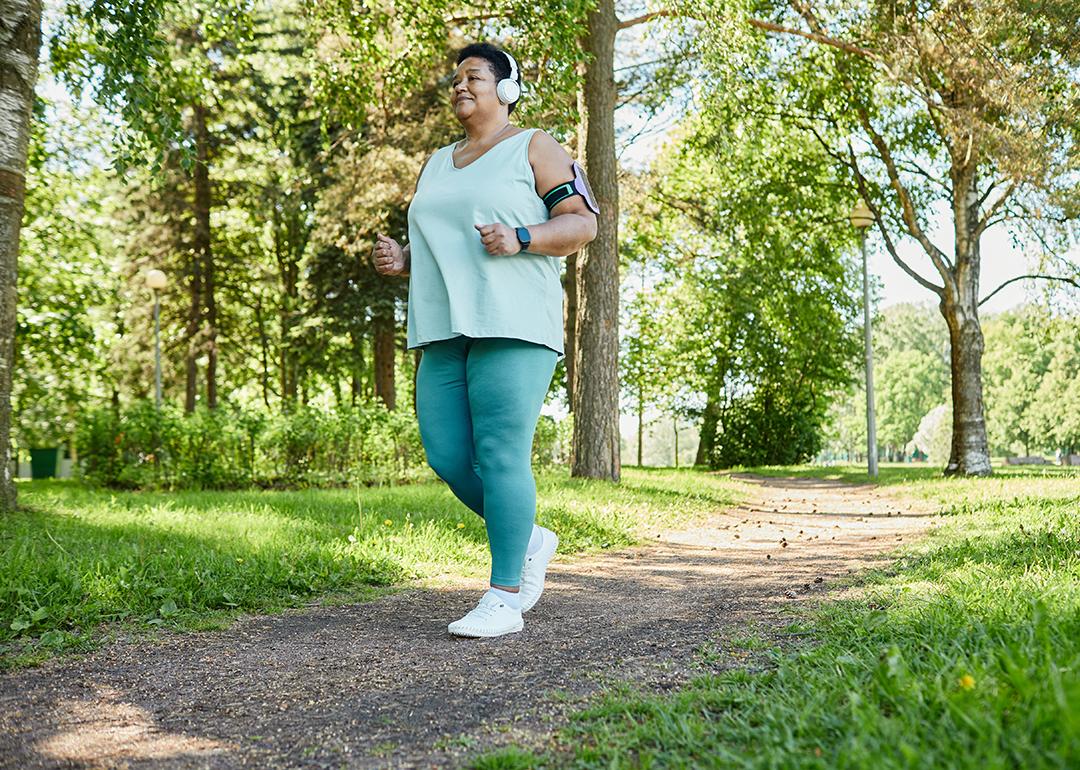
It's also important to make physical activity a regular habit. Healthy movement every day will help to prevent weight gain鈥攁nd after you've lost some.
is an important factor in weight loss. This is because lean muscle helps burn fat more efficiently. You can do this with resistance activities, free weights, or even just using your body weight.
An important note here about general health: Fitness probably matters more than weight. A recent, compared cardiorespiratory (heart and lung) fitness levels against categories in hundreds of thousands of people. It found that unfit people in any BMI category (normal, overweight, and obese) were almost twice as likely to die from cardiovascular disease than fit people with the same BMI. This suggests a focus on fitness may be more important than a focus on weight loss.
Consider reframing your goals
Now that you know about the importance of fitness levels versus weight, it makes sense that numbers on a scale might not be the best goal. Rather, consider your body composition, including muscle mass and body fat. To track progress, you can measure , fat loss, or cardiovascular fitness instead.
If you do want to shed pounds, consider this: found that while men and women lost a similar amount of weight after a 12-month program, women had more relative weight loss. Women lost 17.4% of their initial body weight, compared with the men, who lost 14.7%. So, it might be better for some people to disregard the total number of pounds lost鈥攁nd instead focus on the overall change.
Get support
Support might look different for everyone. But the key is that you're more likely to be successful in optimizing your weight if you don't do it alone. These options can help:
- Therapy: can help you recognize certain eating and activity patterns and the situations that enable them. It can also help you find ways to avoid or cope with those triggers and to make healthier choices easier and more appealing instead.
- Weight-loss apps: can help you track your eating and exercise. Many apps also offer recipes and community support.
- Personal relationships: A supportive partner, coworker, or friend can offer encouragement and help keep you on track.
- Community: Support networks, social apps, and group fitness classes (like yoga) can also help you and meet your goals.
Talk to a healthcare professional
Last, but not least, you can also consider to a healthcare professional for help. This could mean getting expert advice from a dietician. It could also mean speaking with your primary care provider about possible hormonal causes of weight gain, like polycystic ovary syndrome () or . They can also help you decide if is right for you.
Frequently asked questions
What are common treatments for obesity in women?
Additional treatments for obesity in women include medications, , and . There aren't any permanent fixes, so it's important to who's committed to helping you in this effort.
At what age do women gain the most weight?
Weight gain usually happens in women up to , after which weight loss becomes more common. As mentioned above, early adulthood is a common time of weight gain for women, as is menopause. Women typically gain 1.5 lbs per year during their 40s and 50s. And, according to , the prevalence of obesity in all adults is highest in their 40s and 50s.
What are the health risks associated with obesity in women?
Women with excess weight are at higher risk for certain health problems, such as:
- Weight-related
- and problems
The bottom line
It's not in your head: Weight loss is definitely harder for women. This is due to hormones, how your body works, and behavioral and mental health factors. There may be other factors, too, that are unknown at this point.
Successful weight loss usually involves lifestyle changes, like healthy eating, lots of movement, and managing stress and mental health. But it can also help to disregard the number on the scale and optimize your health and fitness instead. After all, long-term fitness is about much more than the number on your scale.