Most common nutrient deficiencies鈥攁nd the superfoods that can help

Written by:
September 20, 2021
alicja neumiler // Shutterstock

This story originally appeared on Revive Superfoods and was produced and distributed in partnership with 麻豆原创 Studio.

Most common nutrient deficiencies鈥攁nd the superfoods that can help

Nutrient deficiencies are relatively common. They occur when people don鈥檛 get enough of a certain vitamin or mineral through the foods they eat, and the consequences of some deficiencies can be more than feeling generally lackluster. Some deficiencies, like vitamin E, can lead to serious health problems, including nerve damage. Others may cause people to experience symptoms such as anxiety, weakness, fatigue, and difficulty sleeping, which are difficult to trace back to a specific source, but may well come from not getting enough of a certain nutrient.

While this all can sound like bad news, there are fortunately many ways to get enough vitamins and minerals. Some of the best sources of all the nutrients your body needs are superfoods, which offer delicious ways to make sure you鈥檙e taking care of your diet and your health.

To find the most common nutrient deficiencies, analyzed data from a published by the Linus Pauling Institute at Oregon State University. The institute used data collected during the Center for Disease Control's National Health and Nutrition Examination Survey. Nutrient deficiencies were measured by Estimated Average Requirement (EAR), defined as 鈥渁 nutrient intake value that is estimated to meet the requirement of half the healthy individuals in a particular life stage and gender group.鈥

1 / 10
N K // Shutterstock

#10. Vitamin A

- Percent less than EAR: 5.7%
- Average daily intake from food:
--- Naturally occurring: 377 渭g
--- Naturally occurring and enriched/fortified: 604 渭g

Vitamin A is a vital nutrient for good vision, a well-functioning immune system, and good skin health. While deficiency is rare in the developed world, pregnant people and those who breastfeed may be at higher risk for deficiency. A vitamin A deficiency can make a common cold more likely, skin act unruly, and impair vision over the long term. dry skin and eyes, along with throat and chest infections. To get the full recommended amount of vitamin A, load up on superfoods like carrots, pumpkins, and squash.

2 / 10
Anna Shepulova // Shutterstock

#9. Zinc

- Percent less than EAR: 6.5%
- Average daily intake from food:
--- Naturally occurring: 9.8 mg
--- Naturally occurring and enriched/fortified: 11.5 mg

Zinc is an important mineral that fights off infections and produces cells. Telltale include hair loss, mental fogginess, and the reduced ability to taste and smell. How can you get more of this mineral in your diet? Consider loading up on foods high in zinc. These include meat and dairy鈥攂ut vegetarians and vegans do have good options. Chickpeas are high in zinc, and are excellent on their own, or pureed into hummus.

3 / 10
RusAKphoto // Shutterstock

#8. Phosphorus

- Percent less than EAR: 16.8%
- Average daily intake from food:
--- Naturally occurring: 1,257 mg
--- Naturally occurring and enriched/fortified: 1,280 mg

Other than calcium, phosphorus is the most common mineral in the body. Without consuming , people may experience bone pain, loss of appetite, anxiety, fatigue, irregular breathing, and weight change. Children may have the healthy growth of their bones and teeth impacted. To get enough phosphorus, load up on a few key foods. These can include fish, nuts, grains and dried fruit. One pleasant way to get your phosphorus in is to opt for oysters before your meal, as they are high in phosphorus.

4 / 10
lucio pepi // Shutterstock

#7. Vitamin C

- Percent less than EAR: 19.2%
- Average daily intake from food:
--- Naturally occurring: 66.2 mg
--- Naturally occurring and enriched/fortified: 84.8 mg

Those who don鈥檛 consume enough fruits and vegetables are typically most at risk for a lack of vitamin C in their diets. include fatigue, bruising, and general weakness. Symptoms may not appear until after several months of deficiency. Fortunately, it鈥檚 relatively easy to get enough vitamin C. Eat a rainbow of superfoods and vegetables full of the vitamin, such as oranges, peppers, broccoli, and strawberries.

5 / 10
Odua Images // Shutterstock

#6. Magnesium

- Percent less than EAR: 35.5%
- Average daily intake from food:
--- Naturally occurring: 229 mg
--- Naturally occurring and enriched/fortified: 236 mg

Magnesium  from sleep to energy levels to mood. If you鈥檙e not getting enough, you may experience depression, dips in energy, and difficulty falling asleep. Fortunately, there are many ways to get a natural boost of magnesium through your diet. Eating lots of leafy greens is the best plant-based way to incorporate magnesium into your daily food plan. Leafy greens include spinach, kale, and lettuce.

6 / 10
Tatjana Baibakova // Shutterstock

#5. Calcium

- Percent less than EAR: 47.2%
- Average daily intake from food:
--- Naturally occurring: 963 mg
--- Naturally occurring and enriched/fortified: 1,025 mg

Calcium is vital for bone health. When not enough calcium is consumed, bones may become brittle and weak. One of the best ways to counteract calcium deficiency is to make sure you鈥檙e eating enough food with high calcium content. Even vegans and vegetarians have options for , far beyond milk. Beans, lentils and edamame are calcium-rich foods, as well as seaweed and fruits like oranges and raspberries.

7 / 10
Shulevskyy Volodymyr // Shutterstock

#4. Vitamin K

- Percent less than EAR: 62.4%
- Average daily intake from food:
--- Naturally occurring: 55.8 渭g
--- Naturally occurring and enriched/fortified: 56.2 渭g

Vitamin K is vital for its ability to form . This means when people get a cut on their skin, the body has natural ways to prevent a small cut from gushing blood. When not enough vitamin K is present in the body, the ability to form these healthy clots is compromised, which can present a health risk. However, this risk can be managed by making sure enough vitamin K is present in the diet. Vegetables such as brussels sprouts, broccoli, and cauliflower are high in vitamin K.

8 / 10
thewet nonthachai // Shutterstock

#3. Vitamin E

- Percent less than EAR: 81.4%
- Average daily intake from food:
--- Naturally occurring: 5.7 mg
--- Naturally occurring and enriched/fortified: 5.9 mg

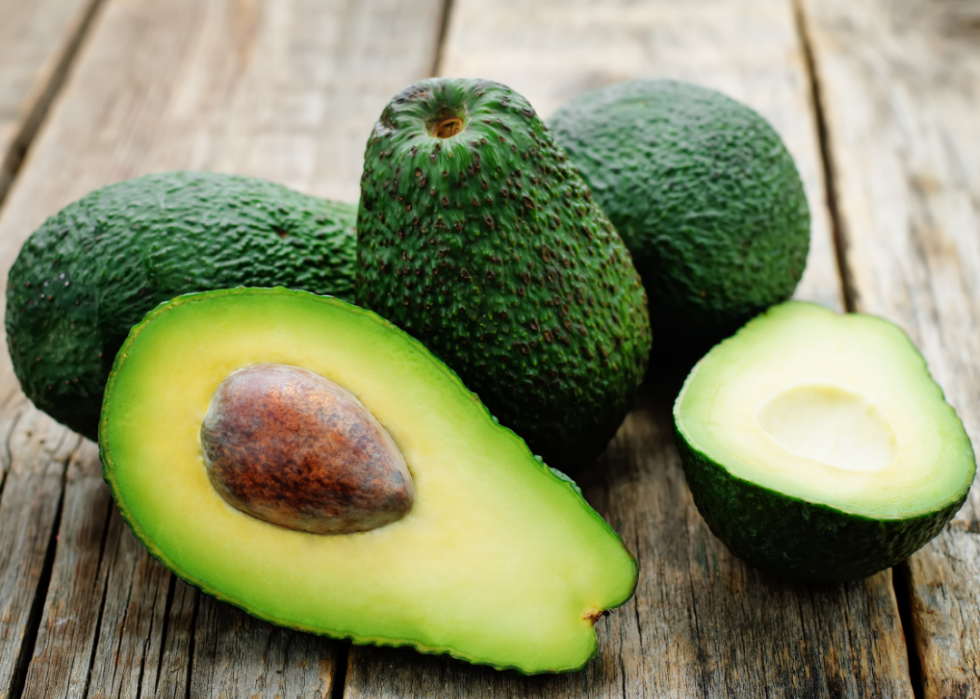
Vitamin E deficiency can cause These include nerve and muscle damage, loss of body movement control, and muscle weakness. Another symptom鈥攑articularly relevant in the era of the coronavirus鈥攊s a weakened immune system. However, there is plenty that people can do to make sure they鈥檙e getting enough vitamin E. Some of the superfoods that have particularly high vitamin E counts include avocados, chard, and spinach. If you鈥檙e on the go, consider packing sunflower seeds for a snack, which are also high in vitamin E.

9 / 10
zi3000 // Shutterstock

#2. Vitamin D

- Percent less than EAR: 86.8%
- Average daily intake from food:
--- Naturally occurring: 1.7 渭g
--- Naturally occurring and enriched/fortified: 6.1 渭g

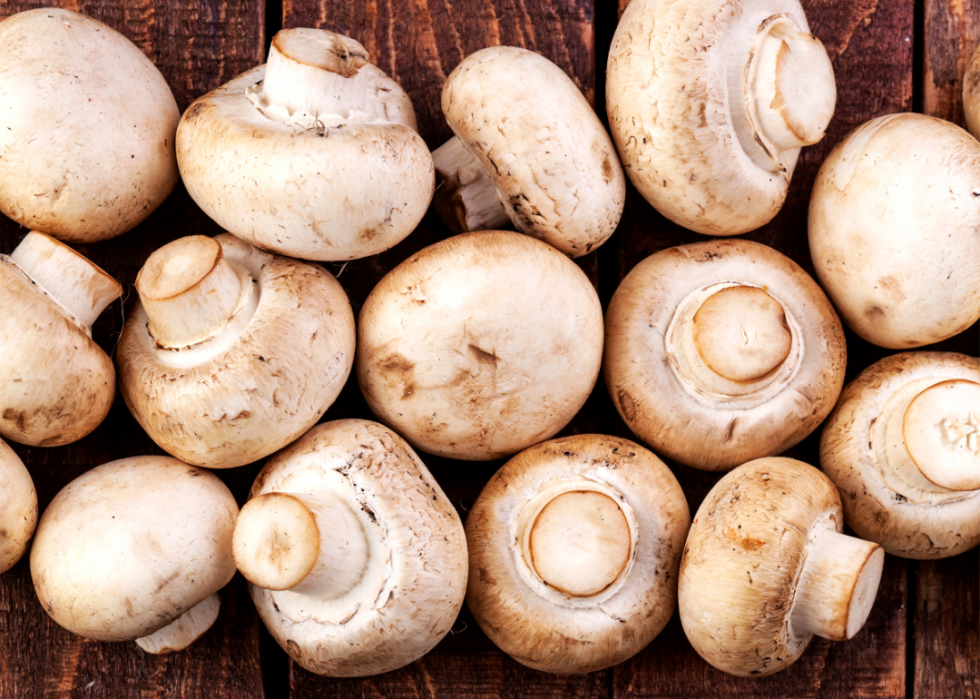
Vitamin D is important . In cases of severe deficiency, this can lead to brittle bones over time. The two main sources of vitamin D are the sun and foods, which means that those who live in less sunny climates can struggle with getting adequate vitamin D. There are fortunately many foods that can be incorporated into one鈥檚 diet for vitamin D. These include mushrooms for plant-based diets, and herring and sardines for the bold.

10 / 10
hurricanehank // Shutterstock

#1. Potassium

- Percent less than EAR: 97.6%
- Average daily intake from food:
--- Naturally occurring: 2,288 mg
--- Naturally occurring and enriched/fortified: 2,301 mg

Potassium is a . It can deplete in the body when it is chronically dehydrated, whether from overconsumption of alcohol, or excessive sweating or vomiting. A deficiency can impact everything from nerve function to blood pressure. Consuming enough potassium鈥攂ut not too much鈥攊s vital to managing levels. Potassium can be found in superfoods like bananas, leafy greens, and carrots.

Balanced diets contribute to a healthy well-being overall, laregely because they contain a variety of these essential nutrients. Remaining vigilant about what vitamins or minerals may be lacking in the body and knowing where to get them can prevent long-term consequences on someone's well-being. Each nutrient contributes to overall health in a specific way, and finding what's missing from a diet can lead to fun experimentation with new recipes and even trying new foods.

Trending Now