
Most commonly misused prescription drugs in the US
This story originally appeared on Zinnia Health and was produced and distributed in partnership with 麻豆原创 Studio.
Most commonly misused prescription drugs in the US
The Substance Abuse and Mental Health Services Administration, or SAMHSA, reported that among the people who misused prescription pain relievers in 2020, nearly . The percentage of people reporting drug misuse as a reason to get high was 11.3%.
Misuse is defined as patients taking prescription medications in a way other than what has been recommended by their doctor. It might look like taking someone else鈥檚 prescription or taking one鈥檚 own at larger or more frequent doses, or for a longer period of time.
Citing data from, identified the most commonly misused prescription drugs in the United States, all of which are opioid analgesics, or opioid pain relievers. This class of drugs acts on the central nervous system by blocking pain signals to the brain. In addition to pain relief, these drugs also intensely trigger the brain鈥檚 reward centers, releasing endorphins and creating positive feelings commonly referred to as euphoria. This is what makes prescription opioids鈥攁nd all opioids, for that matter鈥攕o dangerously addictive.
Prolonged use of opioids can increase a patient's tolerance to a particular drug. With higher tolerance, the drug becomes less effective, and patients won't experience the same level of pain relief and feelings of euphoria, which often leads people to seek out opioids with higher potency. This could be why such a large percentage of people reported misusing prescription opioids to relieve pain. For example, a person who has misused and developed a tolerance to morphine may seek out something stronger like oxycodone or hydromorphone, the effects of which are felt more quickly and more intensely.
SAMHSA also found that nearly half of people who misused pain relievers (47.2%) 鈥攂y stealing, buying, or receiving them for free. Roughly 44% of people reported getting prescriptions from a healthcare provider. 鈥攐r the disruption of a prescription drug along its legal and intended path from manufacturer to doctor to patient鈥攊s a contributing factor in drug misuse. Diversion happens through , theft, and forgery, among others.
The United States is in its third wave of an opioid crisis, but it is important to note this current wave is characterized by illicitly produced synthetic opioids. Overdose deaths from commonly prescribed opioids have been on the decline over the last several years. However, knowing the uses and risks associated with these drugs can be life-saving. Read on to learn the most commonly misused prescription drugs in the United States.
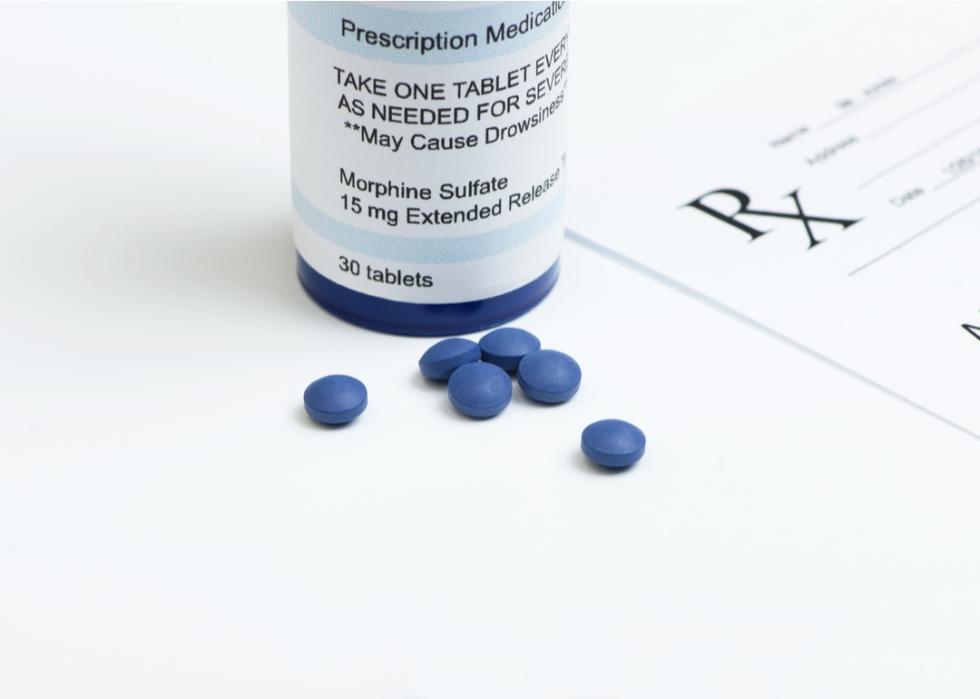
#8. Morphine
- Misuse over the past year (previous users): 8.9%
- Misuse over the past year (general population): 0.2%
Known by its brand names Avinza or Kadian, morphine is an opioid used to treat both acute and chronic pain. While morphine can be administered intravenously, it is most commonly taken via tablet or capsule. Morphine is closely related to other analgesics like hydrocodone and oxycodone. The potency of other opioids is often determined or compared relative to morphine鈥檚 potency.

#7. Tramadol
- Misuse over the past year (previous users): 9.0%
- Misuse over the past year (general population): 0.5%
Tramadol, commonly referred to by its brand name Ultram, is a synthetic opioid used to treat moderate to severe pain, typically following a surgery. The drug is commonly prescribed as extended-release tablets to help with chronic severe pain from conditions like fibromyalgia. In 2019, an estimated , totaling nearly 20 million prescriptions. It was the 35th most prescribed drug in the U.S.
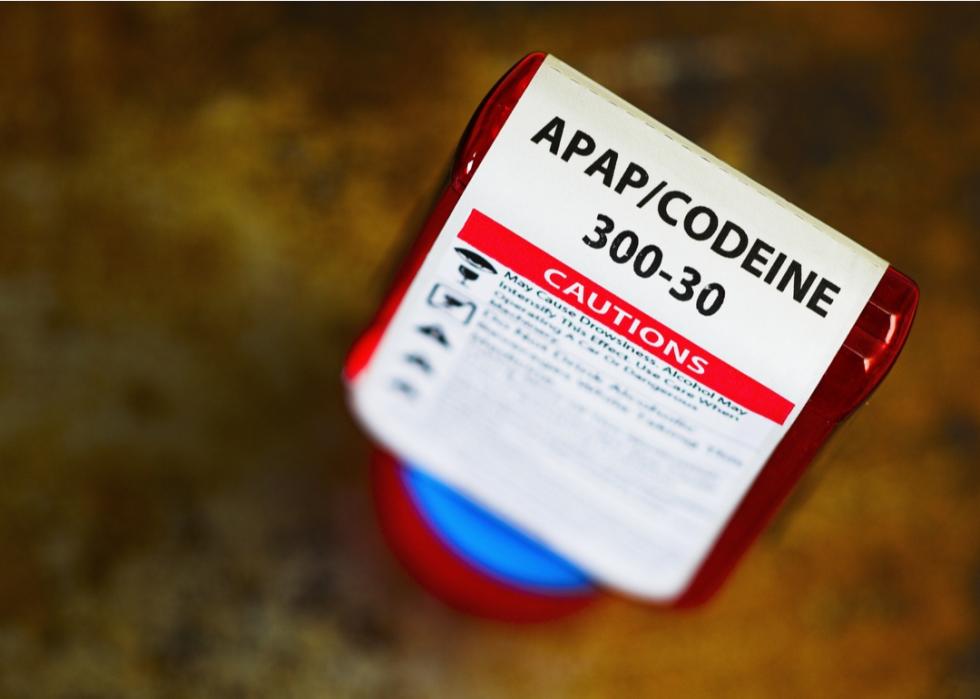
#6. Codeine
- Misuse over the past year (previous users): 12.2%
- Misuse over the past year (general population): 0.9%
Codeine is an opioid used to treat mild to moderate pain and is most often prescribed as a cough suppressant. It can also be used to treat gastrointestinal problems like diarrhea. Because codeine is milder than other opioids, users with intentions of misuse . Misuse of codeine can lead to the misuse of more intense opioids.
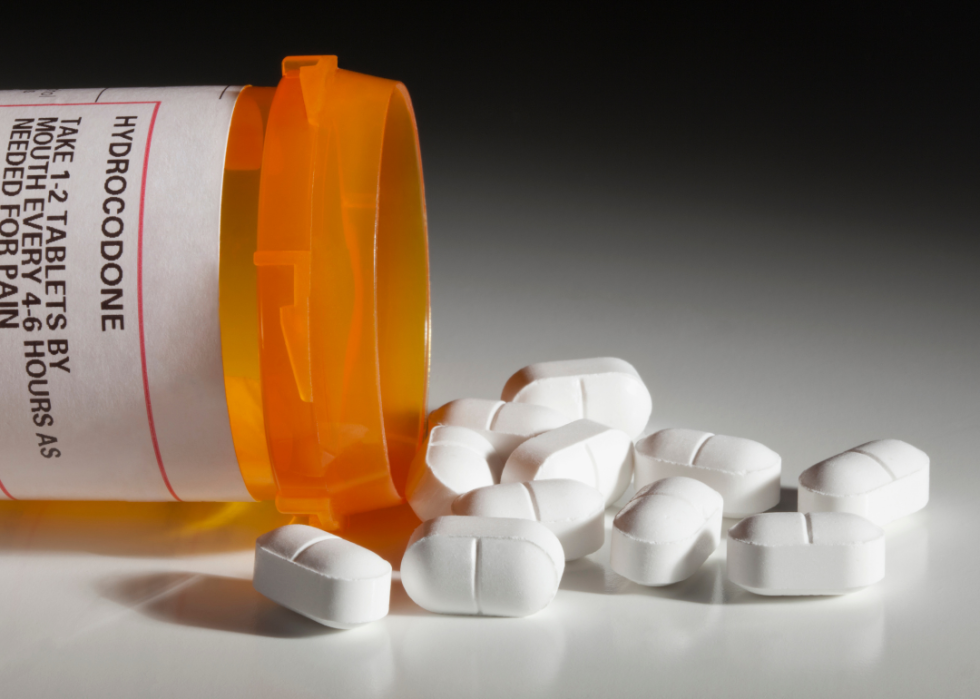
#5. Hydrocodone
- Misuse over the past year (previous users): 12.6%
- Misuse over the past year (general population): 1.7%
Hydrocodone is the in the U.S. In 2020, products, making them the most commonly misused type of prescription pain reliever that year. Hydrocodone, also known by its brand name Vicodin, is given to patients with moderate to severe pain usually following surgery or injury, or to alleviate pain associated with medical conditions such as cancer. In combination with homatropine, hydrocodone can also be used as a cough suppressant. Unlike other opioids, hydrocodone is not often illicitly manufactured and the vast majority of .
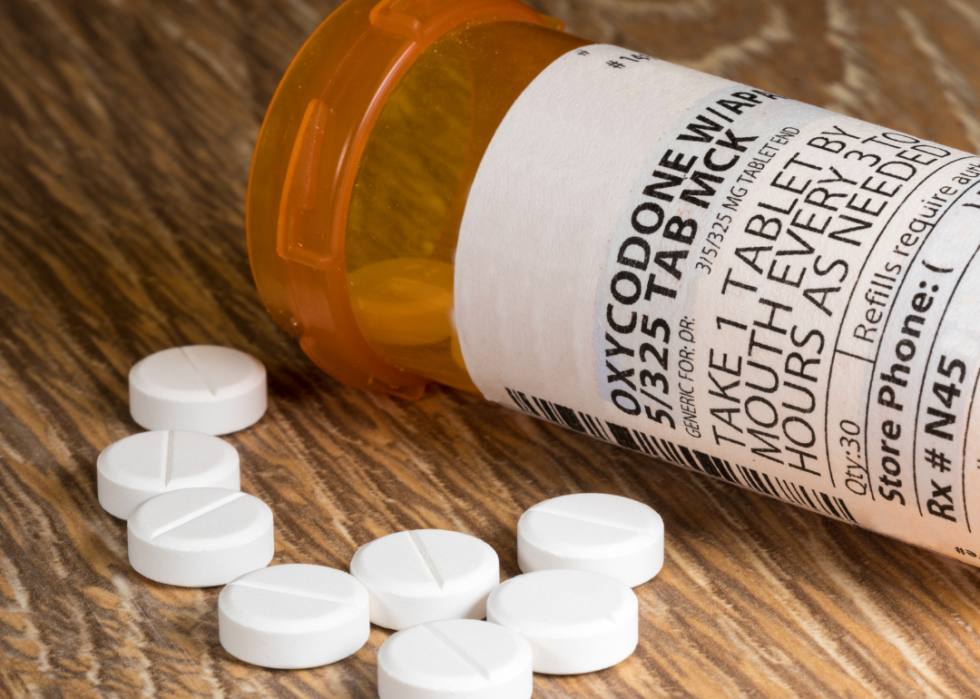
#4. Oxycodone
- Misuse over the past year (previous users): 14.5%
- Misuse over the past year (general population): 1.1%
Oxycodone is an opioid prescribed to treat ongoing severe pain. OxyContin and Percocet are two of the most recognizable brands, with the former being a pure form of oxycodone and the latter a combination of oxycodone and aspirin. Roughly in 2020, making it the second-most commonly misused pain reliever behind hydrocodone. Oxycodone misuse is prevalent across the spectrum of geographic, demographic, and socioeconomic conditions.
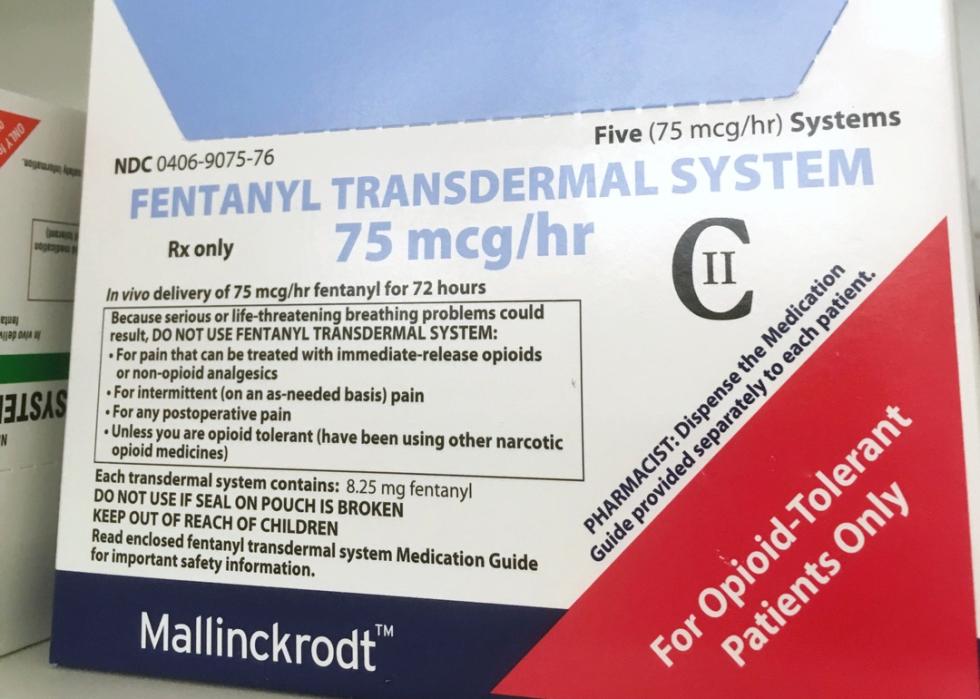
#3. Fentanyl
- Misuse over the past year (previous users): 14.8%
- Misuse over the past year (general population): 0.1%
Pharmaceutical fentanyl, which this data refers to, can be up to 100 times more potent than morphine and is most often used to treat pain associated with advanced cancer. Legally produced fentanyl is typically administered through patches or lozenges. According to the Drug Enforcement Administration, misuse of these products can include , cutting them into pieces, and placing them inside the cheek to absorb the contents. Because a percentage of fentanyl remains in used patches even after a three-day use, used patches are also targeted for misuse. Illegally manufactured, nonpharmaceutical fentanyl is at the heart of the third and current wave of America鈥檚 opioid epidemic.
#2. Hydromorphone
- Misuse over the past year (previous users): 16.6%
- Misuse over the past year (general population): 0.1%
Hydromorphone, commonly referred to by brand names Dilaudid or Exalgo, is an opioid prescribed to treat severe pain in patients who are resistant to less potent opioids. It is roughly eight times stronger than morphine, and the effects of a 1-2mg dose can be felt in as little as 15 minutes. Hydromorphone carries a high risk of addiction and is prescribed only in certain medical circumstances, like managing pain from cancer or cancer-related treatment. According to the , hydromorphone used to be the most commonly misused or diverted drug, now supplanted by oxycodone and hydrocodone.
#1. Buprenorphine
- Misuse over the past year (previous users): 26.5%
- Misuse over the past year (general population): 0.2%
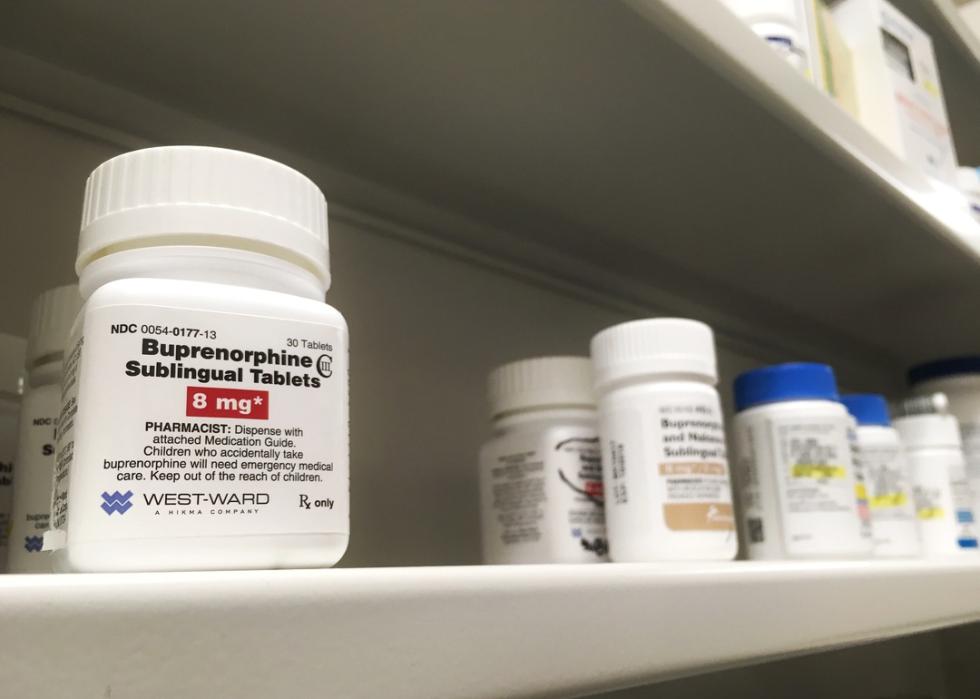
Buprenorphine is an of opioid use disorder, or OUD, particularly to reduce intense withdrawal symptoms that can lead to relapse. It works by stimulating the brain in the same way as heroin or methadone, but to a lesser degree, creating a limit to its effects. It can produce euphoria without the risk of suppressing breathing, which is the actual cause of death in opioid overdoses. Since prolonged opioid use inhibits the brain鈥檚 ability to produce dopamine on its own, the right dosage of buprenorphine and a comprehensive treatment plan allows OUD patients to feel 鈥渘ormal鈥� or at equilibrium.