
People are getting heart conditions at a younger age. Here's what experts say might be behind it
was produced by and reviewed and distributed by 麻豆原创.
People are getting heart conditions at a younger age. Here's what experts say might be behind it
Heart disease has long been , but it's not just a concern for older adults anymore. Alarming trends show it's becoming a problem for young people, too.
"Younger people aren't invincible when it comes to heart health," says preventive cardiologist and MyFitnessPal scientific advisory member .
"The increasing prevalence of cardiovascular conditions in younger people has many factors. Key contributors include obesity, sedentary behavior, and diets rich in ultra-processed foods," she explains.
Today, nearly half of all adults have high blood pressure, and . During the past decade, heart failure deaths have skyrocketed by , and .
While heart attacks have declined overall since 2019, they've surged by , with .
But the good news is, one study found that key lifestyle changes can help reduce the risk of cardiovascular disease by .
asked its head of nutrition Melissa Jaeger, RD, LD and members of its to lay out some of the major reasons behind the rise in heart conditions among younger folks, and tips that might help lower the risk of heart disease.
Reason 1: Not Eating Enough Plant-Based Foods
Americans have been eating less and less fruits and vegetables over time according to . In the United States, total fruit and vegetable intake decreased from 299 pounds per person to 272 pounds in one ten year period between 2003 and 2013.
"We know from the evidence in research studies that a healthful lowers your ," says Belardo.
Multiple studies have shown that plant-based diets are associated with a reduced risk of cardiovascular disease, or CVD, and mortality.
Here's a sampling of the recent research:
- A published in the journal "Nutrients" found that higher adherence to plant-based diets was associated with a lower risk of cardiovascular disease and heart disease.
- A of more than 126,000 people in the U.K. published in JAMA Network Open also found plant-based diets were associated with a lower risk of mortality and cardiovascular disease.
- A published in the International Journal of Environmental Research and Public Health found that adopting a vegetarian or vegan diet may result in cardiovascular mortality reductions and prolonging longevity.
- A published in the Journal of the American Heart Association looked specifically at middle-aged adults and found reduced risks for heart disease and all-cause mortality among those who ate a plant-based diet.
Reason 2: Trending Diets
Resist the temptation to jump on the latest diet craze sweeping your social media feed. A revealed that 87% of millennials and Gen Z users on TikTok seek out nutrition advice there.
And 57% of them say they are swayed by the nutrition trends they discover.
Among those influenced by TikTok's health and nutrition content, 67% incorporate at least one trend into their routine multiple times a week鈥攁nd it's not always great for heart health.
The trouble is a lot of what you see on social media about these fad diets simply .
"Diets like the carnivore diet and are particularly concerning," says Belardo.
The American Heart Association recommends limiting your saturated fat to of your total calories because saturated fat increases "bad" cholesterol and increases risk of heart disease.
"Understanding daily intake of saturated fat can be difficult," says Belardo. " simplify the process and could help make it easier to monitor and gradually reduce over time."
Reason 3: The Rise in Childhood Obesity
When people start carrying extra weight earlier in life, it can affect their heart health at a young age. often show , including increased arterial stiffness, early atherosclerosis, and changes in heart structure and function.
During the past 30 years, has more than doubled in children and tripled in adolescents. The prevalence of obesity among U.S. children and adolescents is .
"We're seeing kids as young as elementary age with heart disease markers," says , RD, CDCES, CPT, and MyFitnessPal scientific advisor.
"Foods with an abundance of added sugars, salts, and saturated and synthetic fats are readily available to kids," notes , MS, RD, CDN, and MyFitnessPal scientific advisor.
These may include chips and cheese puffs, pre-packaged breakfast sandwiches, and sugary breakfast cereals that crowd grocery store shelves.
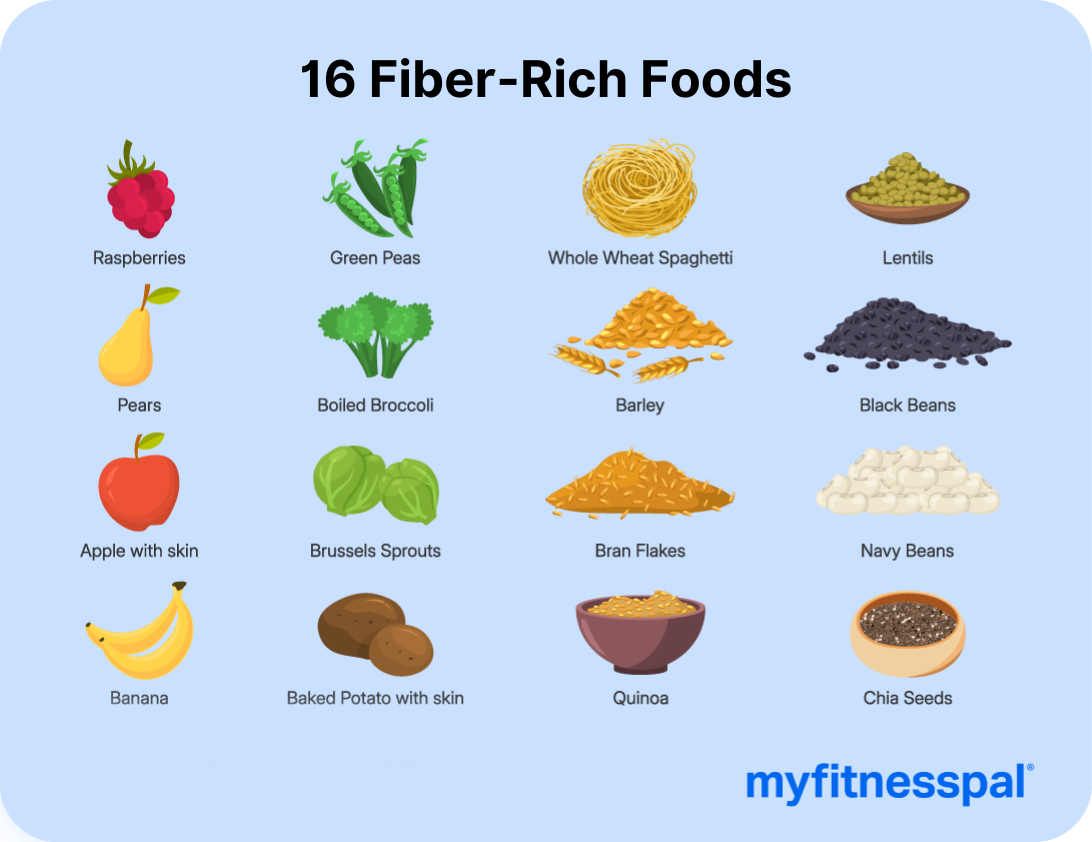
Reason 4: People Don't Prioritize Fiber (or Know Where to Get It)
It's not the sexiest nutrient, but according to the research, it can really help you stay healthy.
Unfortunately, a lot of people are missing out on the benefits because they can't easily identify the best sources of fiber and they don't always prioritize it.
According to a , most users associate fiber with bowel movement and not the many other benefits.
They're also not so aware of how much fiber is in specific foods. According to a , many users surveyed overestimate the amount of fiber in oatmeal and underestimate the amount in beans.
There are good reasons to . Research shows that people who eat the most fiber cut their risk of dying from any cause compared to those who eat the least fiber.
And fiber is especially important for heart health. have found that is linked to . One study showed that of additional fiber per day was associated with a 25% reduction in heart disease mortality .
"Dietary fiber has well-documented benefits, including ," says Belardo. "High-fiber diets are also a lower risk of developing coronary heart disease, stroke, and ."
But most Americans are just not getting enough. In fact, in the U.S. don't get enough fiber according to Palinski-Wade.
Reason 5: Too Many Processed Foods
It's become a hot topic recently, but the experts we spoke to say the explosion of is at least partially behind the increasing rates of heart conditions in younger people.
Research shows that Americans have over the past two decades. From 2001 to 2018, ultra-processed food intake rose from 53.5% to 57.0% of total caloric intake.
And too much processed food is a problem for heart health, according to research and MyFitnessPal health experts.
", which are high in refined carbohydrates, sodium, and saturated fats, are associated with hyperlipidemia, , , and , to ," says Belardo.
Reason 6: Too Little Exercise and Sleep
The American Heart Association recommends at least (or two and half hours) of exercise that raises your heart rate each week. But only 20% of people meet that benchmark.
It can be hard to get active when you're glued to your phone and laptop, as many people are these days.
"People are more sedentary than ever before due to modern conveniences and reliance on digital technology," says Palinski-Wade. The average American spends a day in front of a screen, according to data and research consultancy GilPress.
This can become a vicious cycle for overall well-being and heart health in particular.
When your only movement during a typical day is from sofa to car to desk and back again, it can be tough to fall asleep. found an association between being sedentary for eight hours a day or more and higher odds of sleep problems.
Stress is another problem that can screw up your sleep. " and poor sleep habits can also contribute to ," explains Pallinski-Wade.
5 Tips to Improve Heart Health
Taking care of your heart doesn't have to be complicated. Our experts agree that simple, everyday choices鈥攚hat you eat, how you move, and even how well you sleep鈥攃an lower your risk of heart disease.
The best part? that help you build long-term habits can have a big impact. Here's what you can start doing today to help support your heart health for the long run.
1. Eat More Fruit, Vegetables and Other Fiber-Rich Foods
People who stick to a plant based or plant predominant diet are to develop ischemic heart disease than omnivores, and have a 25% lower risk of coronary heart disease.
That may be because many plant-based foods are good sources of fiber, a key nutrient for heart health.
"Aim for 14 grams of fiber per 1,000 calories consumed, which averages around 28-35 grams of fiber per day," suggests Palinsk-Wade. "Most literature shows that increasing [daily] fiber intake by 3g to 5g daily is well tolerated." she says. That's about .
It can be tough to gauge your fiber intake day-over-day. Using food diaries or a can help you monitor your intake more accurately and identify patterns in your diet.
By tracking your meals, you can see where you're falling short or exceeding your fiber goals, making it easier to adjust and create a balanced plan that works for you.
even let you set small goals, like adding more fiber to your meals, and track your progress weekly to help you build lasting habits.
2. Stick to Evidence-Based Diets
According to the experts, some of the least trendy approaches to eating are also the best.
"Stick to evidence-based dietary patterns, such as , , or plant-predominant diets, " says Belardo.
Or just eat a balanced diet! Remember, though the Mediterranean diet or a plant predominant diet might sound like strict protocols, they're actually flexible approaches to eating.
3. Get Active and Limit Screen Time
Step away from your screens鈥攊f only a few minutes at a time.
"Try small bouts of movement daily," suggests Palinski-Wade, working up to increasing your daily steps by one mile. On average, that's about 2,000 extra steps each day.
4. Reset Your Sleep Habits
When it comes to sleep, just as much as what's on your plate.
"Avoid heavy meals close to bedtime, limit sleep-disrupting foods like caffeine and alcohol, and focus on sleep-friendly options like tart cherries, kiwifruit, and fatty fish to support better rest and overall health." says Pallinski-Wade.
"Setting yourself up with a consistent sleep schedule and creating habits for healthy sleep, such as removing electronics before bed and having a quiet and dark environment to sleep in, can help to improve both quality and quantity of sleep, too," she adds.
5. Be Mindful of Processed Food
There's no magic bullet for cutting back on processed foods鈥攖hey're everywhere. But small positive things can help you be more mindful.
One example? "," says Pallinsky-Wade. "It can help to ."
You can also make it easier for your future self to choose an unprocessed alternative. "Prepare heart-healthy meals like soups, stews, or grain salads in advance to make nutritious choices just as convenient as processed foods," suggests Belardo.