A red meat allergy from tick bites is spreading, and the lone star tick isn鈥檛 the only alpha-gal carrier to worry about
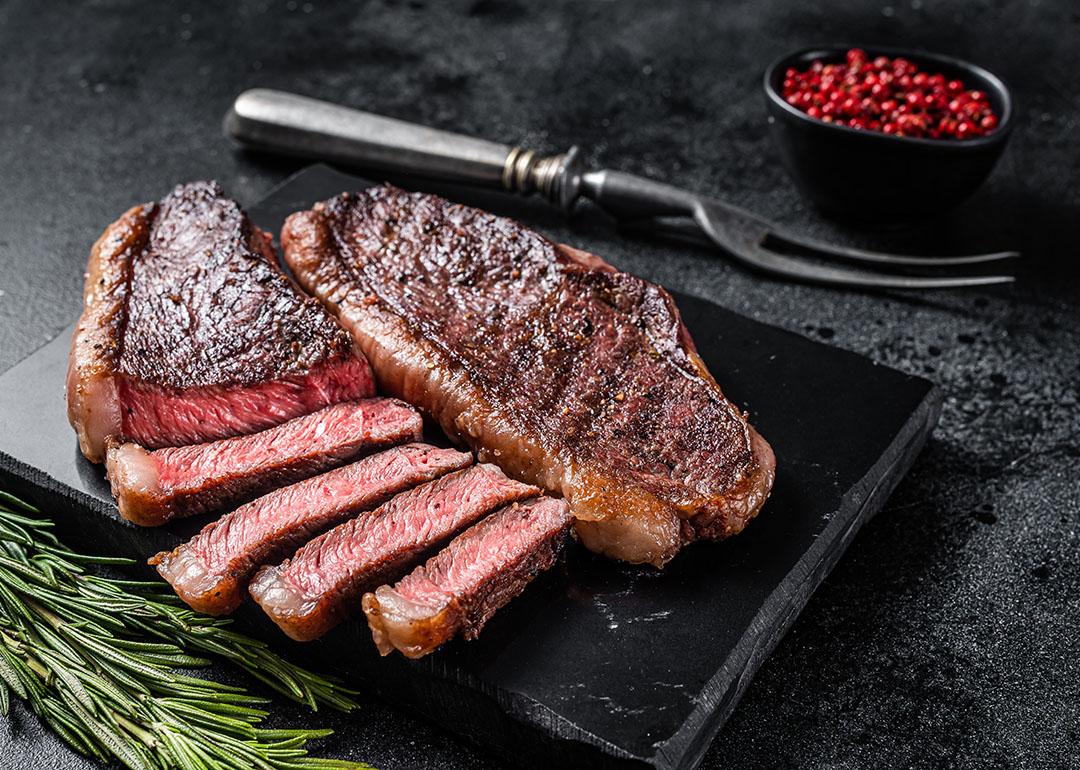
Hours after savoring that perfectly grilled steak on a beautiful summer evening, your body turns traitor, declaring war on the very meal you just enjoyed. You begin to feel excruciating itchiness, pain or even swelling that can escalate to the point of requiring emergency care.
The culprit isn鈥檛 food poisoning 鈥� it鈥檚 the fallout from a tick bite you may have gotten months earlier and didn鈥檛 even notice.
This delayed allergic reaction is called . While it鈥檚 commonly called the 鈥渞ed meat allergy,鈥� that nickname is misleading, because alpha-gal syndrome can cause strong reactions to many products, beyond just red meat.
Writing in , , a University of Notre Dame entomologist who studies bugs and the diseases they transmit, examines the syndrome that is rapidly spreading in the U.S. and around the globe. The Centers for Disease Control and Prevention estimates in the U.S. may have it. And it鈥檚 carried by many than most people realize.
What is alpha-gal syndrome?
is actually an allergy to a sugar molecule with a tongue-twisting name: galactose-alpha-1,3-galactose, shortened to alpha-gal.
The alpha-gal sugar molecule , including cows, pigs, deer and rabbits. But it鈥檚 absent in humans. When a big dose of alpha-gal gets into your bloodstream through a tick bite, it can send your immune system into overdrive to generate antibodies against alpha-gal. In later exposure to foods containing alpha-gal, your immune system might then launch an .
Often this allergy is triggered by eating red meat. But the allergy also can be set off by exposure to a , including (think Jell-O or gummy bears), medications and even . The drug heparin, used to prevent blood clotting during surgery, is extracted from pig intestines, and its use has in some people with alpha-gal syndrome.
Once you have alpha-gal syndrome, it鈥檚 possible to get over the allergy if you can modify your diet enough to avoid triggering another reaction for a few years and also . But that takes time and careful attention to the less obvious triggers that you might be exposed to.
Why more people are being diagnosed
The is around the globe is alarming.
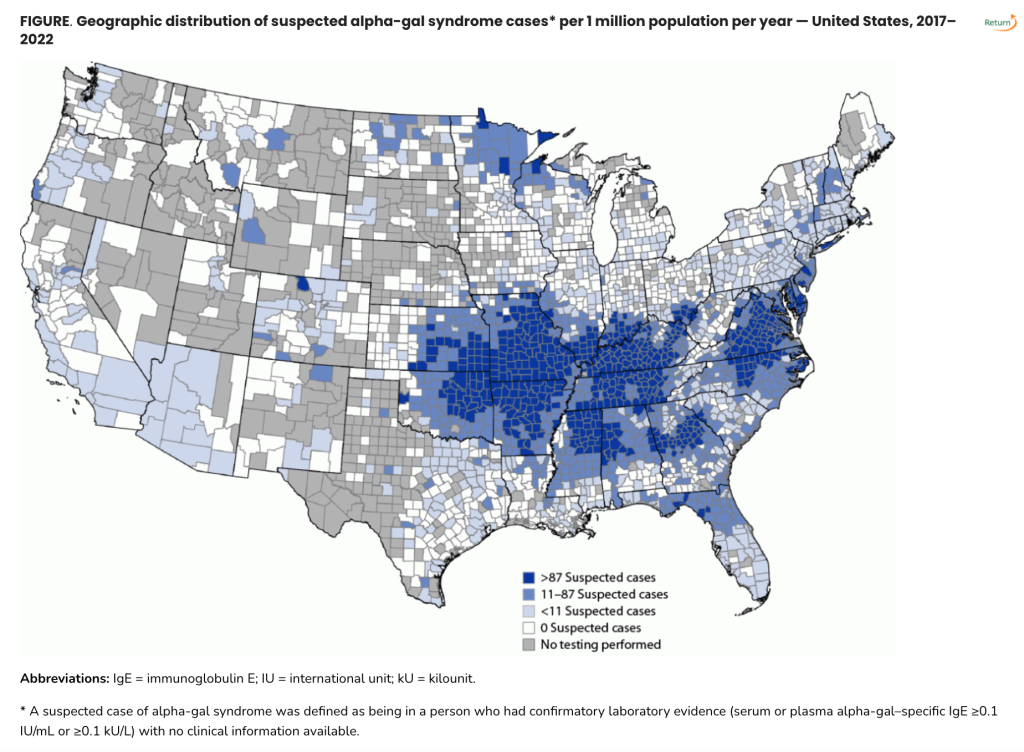
Several years ago, experts thought alpha-gal syndrome was primarily limited to the southeastern U.S. because it was largely associated with the geographical range of the .
However, both local and global reports have now identified many different across six continents that are capable of causing alpha-gal syndrome, including the prolific , or deer tick, which also transmits Lyme disease.
These ticks lurk in yards and urban parks, as well as forests where they can stealthily grab onto hikers when they touch tick-infested vegetation. As tick populations boom , the number of people with alpha-gal syndrome .
Why ticks are blamed for alpha-gal syndrome
There are a a tick bite triggers alpha-gal syndrome and why only a small proportion of people bitten develop the allergy. To understand the theories, it helps to know what happens as a tick starts feeding on you.
When a tick finds you, it typically looks for a warm, dark area to hide and attach itself to your body. Then its serrated teeth chew through your skin with rapid sawing motions.
As it excavates deeper into your skin, the tick deploys a barbed feeding tube, like a miniature drilling rig, and it secretes a biological cement that anchors its head into its new tunnel.
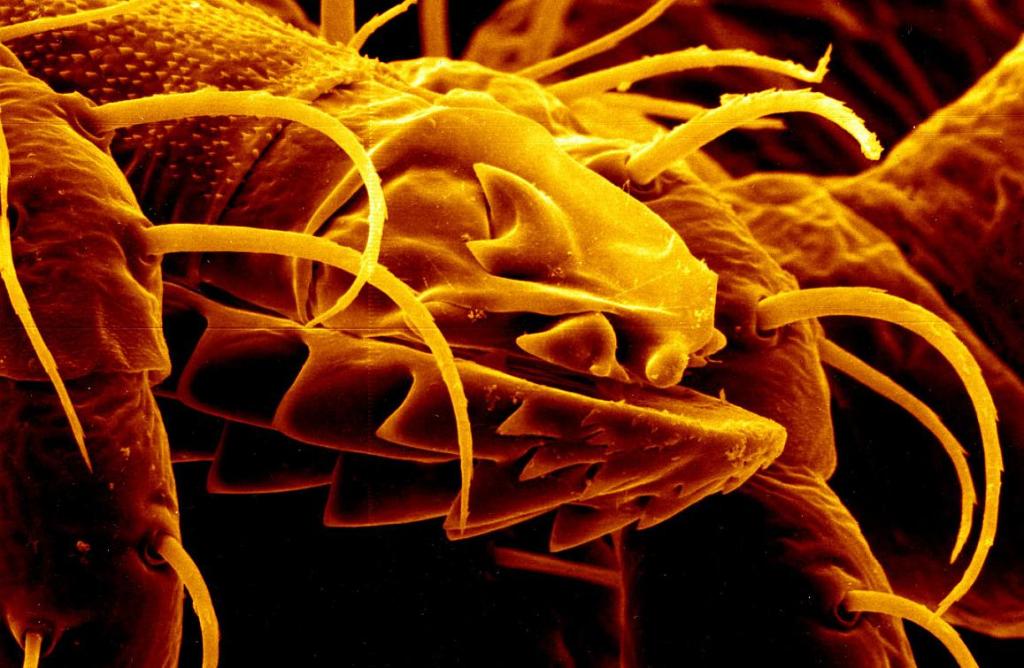
Once secure, the tick activates its pumping station, injecting copious amounts of saliva containing and, sometimes, alpha-gal sugars into the wound undetected, sometimes for days.
One theory about how a tick bite is linked to the enormous quantity of tick saliva released during feeding, which activates the body鈥檚 strong immune response. Another suggests that the skin is damaged as the tick feeds, and the possible effect of the tick鈥檚 regurgitated stomach contents into the bite site is to blame. Or it may be a combination of these and other triggers. Scientists are still investigating the causes.
What an allergic reaction feels like
The allergy doesn鈥檛 begin right away. Typically, one to three months after the sensitizing tick bite, a person with alpha-gal syndrome has their first disturbing reaction.
Alpha-gal syndrome produces that range, including , crushing , violent nausea or even life-threatening anaphylactic shock. The symptoms usually start after a person has ingested a meat product containing alpha-gal.
Due to a general lack of awareness about the allergy, however, doctors can easily miss the diagnosis. A study in 2022 found that had never heard of alpha-gal syndrome. A decade ago, people with alpha-gal syndrome might have gone years before the cause of their symptoms was accurately diagnosed. Today, in areas where doctors are familiar with the syndrome, but in many parts of the country, it can still take time and multiple doctor visits.
Unfortunately, with every additional tick bite or exposure to food or products containing alpha-gal, the .
If you think you have alpha-gal syndrome
If you , the first step is to discuss the possibility with your doctor and ask them to order a simple blood test to measure whether your immune system is reacting to alpha-gal.
If you test positive, the main strategy for is to avoid eating any , including milk and cheese, as well as other potential triggers, such as more tick bites.
Read labels carefully. Some products contain , which is derived from red algae and contains alpha-gal.
In extreme cases, people with alpha-gal syndrome may need to carry an EpiPen to prevent anaphylactic shock. Reputable websites, such as the and , can provide more information and advice.
Mysteries remain as alpha-gal syndrome spreads
Since alpha-gal syndrome was first formally documented in the early 2000s, scientists have made progress in understanding this puzzling condition. Researchers have and found that people with the allergy can have a , even without allergy symptoms.
But important mysteries remain.
Scientists are still figuring out and is a trigger for only some people. With growing in alpha-gal syndrome, the next decade could bring breakthroughs in preventing, diagnosing and treating this condition.
For now, the next time you are strolling in the woods or in long grasses, remember to check for ticks on your body, wear long sleeves, long pants to . If you do get bitten by a tick, watch out for odd allergic symptoms to appear a few hours after your next steak or handful of gummy bears.
was produced by and reviewed and distributed by 麻豆原创.