As schools reopen, here's what we know about children and COVID-19

Data work by:
Betsy Ladyzhets
September 1, 2020
INA FASSBENDER/AFP via Getty Images

As schools reopen, here's what we know about children and COVID-19

Just nine days before New York City鈥攖he largest school district in the United States鈥攚as set to start its 2020-2021 school year, to allow for further COVID-19 safety preparations. Children scheduled to go back to school in-person on Sept. 10 would not return until Sept. 21; most remote classes were similarly pushed back. The delay is part of a deal to avoid a teachers' strike in New York City and comes and other expressions of concern by teachers and parents across the country. The U.S. is in a unique position that makes sending students back to school particularly daunting: We have the highest rates of COVID-19 in the world with nearly 6 million cases as of Sept. 1, (WHO). Surging cases, high levels of community transmission, insufficient testing, and poor contract tracing in the U.S. make it difficult to compare school reopenings with countries where the virus is more controlled.

There are still unknowns about how COVID-19 impacts children, but a growing body of studies shed some light. Children who contract COVID-19 are more likely to show mild symptoms or no symptoms at all, though a very small number have come down with Multisystem Inflammatory Syndrome (MIS-C), a rare COVID-19-related condition doctors don't yet fully understand. It's also unclear if children are less likely to be infected and whether, once infected, they transmit COVID-19 at the same levels as adults.

While researchers fill in the gaps of our knowledge, some concrete facts about children and COVID-19 have emerged. compiled a review of facts and statistics about how COVID-19 relates to children in the U.S. from the , the Centers for Disease Control and Prevention (CDC), and other public health sources. For the purposes of these statistics, children are considered to be anyone in the population younger than 18.

You may also like:

1 / 22
Canva

Children account for 8% of COVID-19 cases in the US

Children 17 and younger account for as of Sept. 1. Children 4 and younger comprise 1.7% of cases, while those between the ages of 5 and 17 make up 6.4% of cases, pointing to an age gradient of susceptibility to the disease.

2 / 22
INA FASSBENDER/AFP via Getty Images

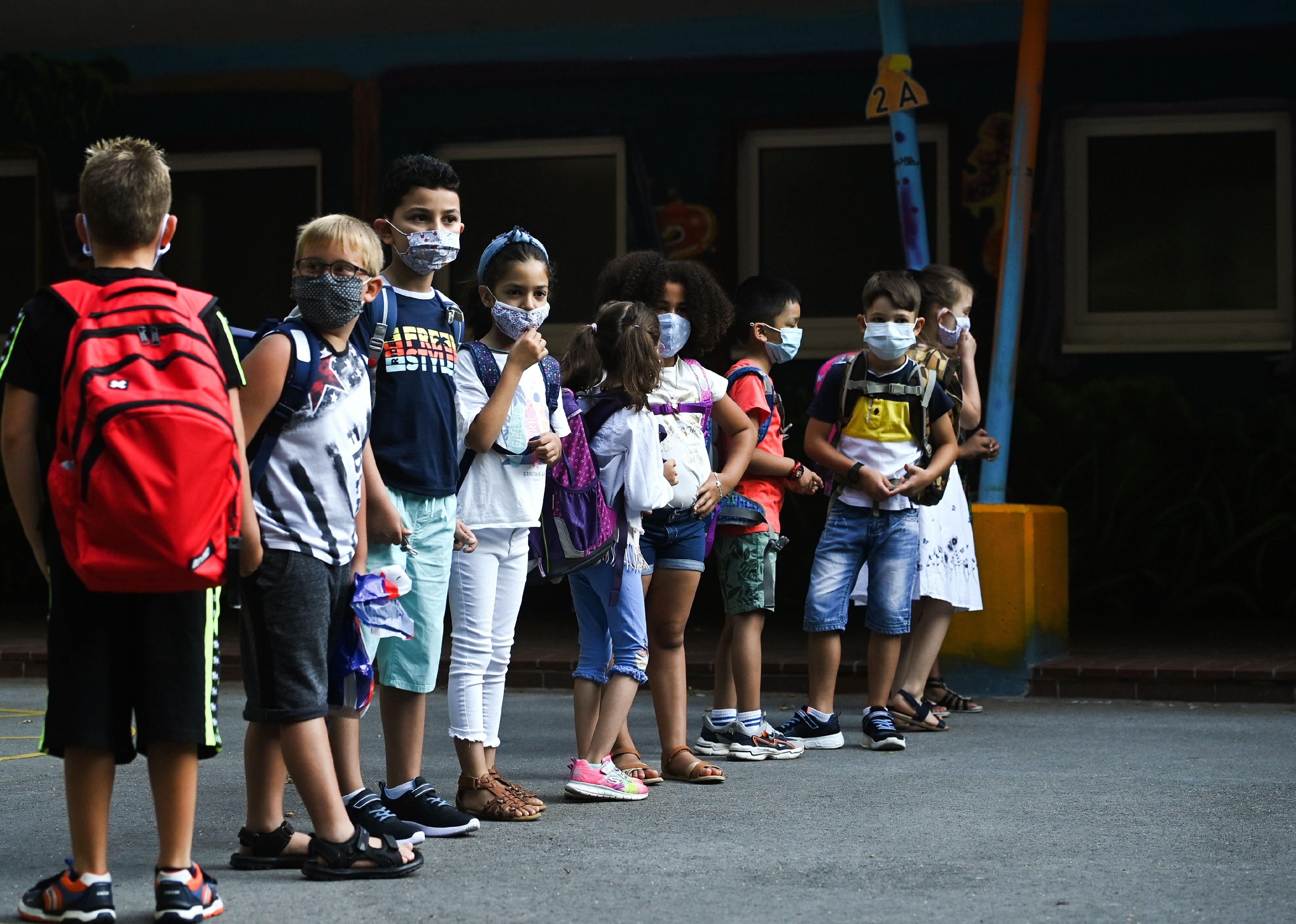
Over 476,000 children have tested positive for COVID-19

While children make up less than 10% of America's COVID-19 cases, the number of infected kids is still high. A which compiled data from state public health departments found an overall rate of 631 COVID-19 cases per 100,000 children in the population, as of Aug. 27.

3 / 22
Canva

Children account for 1% of reported COVID-19 hospitalizations in the US

Children account for about as of Aug. 22, demonstrating that most infected children experience less-severe COVID-19 symptoms than adults. Milder symptoms鈥攐r no symptoms at all鈥攎ean children don鈥檛 require medical intervention at the rates of adults.

4 / 22
Canva

Children account for under 1% of reported COVID-19 deaths in the US

Children are but make up of the country鈥檚 deaths. Both age ranges reported by the CDC鈥攁ges 0 to 4 and 5 to17鈥攔epresent less than 0.1% of all COVID-19 deaths.

5 / 22
Canva

Over 90% of children with COVID-19 have no or mild symptoms

that, of children who contract COVID-19, more than 90% will have no symptoms or mild symptoms. Those who do have symptoms are likely to experience mild upper respiratory issues in the nose, sinus, and throat鈥攁s opposed to adults who often also suffer lower respiratory symptoms of the lungs.

6 / 22
Bernard Chantal // Shutterstock

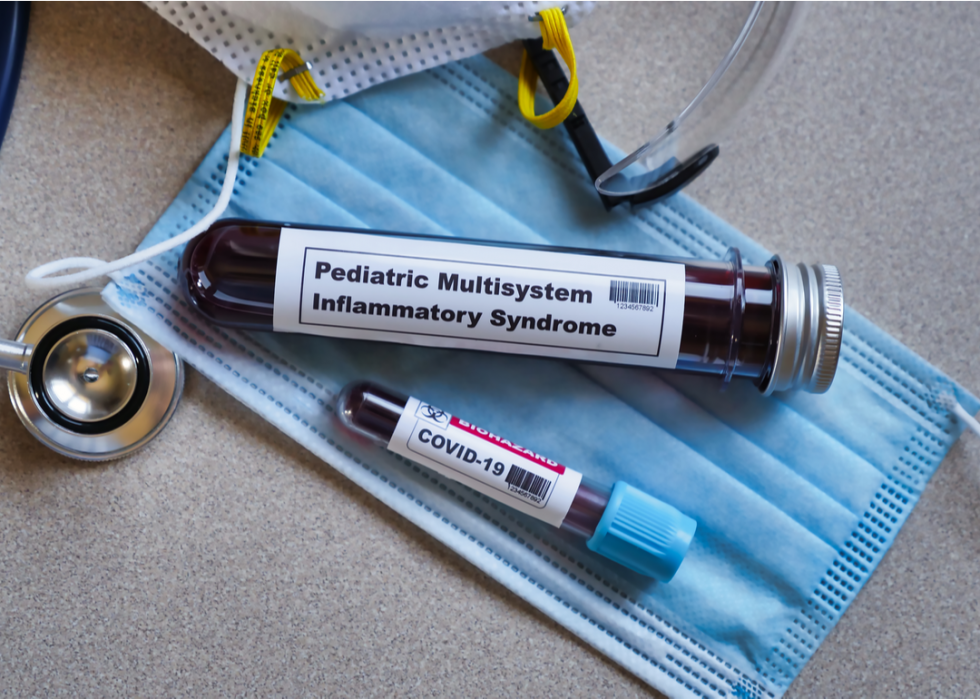
694 children in the US have contracted Multisystem Inflammatory Syndrome

Multisystem Inflammatory Syndrome (MIS-C) is a rare condition that is still not fully understood. There have been as of Aug. 20. Most children have recovered, but there are . Some children develop the syndrome weeks after contracting COVID-19, but others have developed MIS-C seemingly .


7 / 22
Canva

Children under 10 are less susceptible to infection

There is that children younger than 10 are significantly less susceptible to infection than adults when experiencing the same exposure to COVID-19. This supports findings that showed the virus didn鈥檛 spread as much in elementary schools compared with middle and high schools last spring.

8 / 22
Canva

Older children may be infected at rates similar to adults

While children younger than 10 are less susceptible to infection, older children may be at the as adults. More evidence is needed, as there are currently competing studies: 20 years of age may be the cut-off point, with those younger than 20 having about half the susceptibility to infection as those older than 20 years. A , however, showed children over 10 years of age as having infection rates similar to adults.

9 / 22
Canva

Adults are more likely to infect children than the other way around

While experts aren鈥檛 sure if children transmit the virus at the same rates as adults, that a majority of COVID-19 transmissions between children and adults occurred from adults to children, and not from children to adults. Young children in particular are in households where people test positive for COVID-19.

10 / 22
Canva

Children are less likely to be tested for COVID-19

Children are for the virus for a few key reasons, including the fact that testing in the U.S. has focused mostly on symptomatic patients with more severe symptoms. Kids are more likely to be asymptomatic or have less severe symptoms if they do appear to have contracted COVID-19. The lack of testing means the data of how children are impacted by the virus is also lacking.

11 / 22
Canva

Children may be left out of contact tracing investigations

Since kids are less likely to show COVID-19 symptoms, they are often not identified as the 鈥渋ndex鈥 case (the first in a group of linked cases, or, patient zero) in contract tracing efforts. The Kaiser Family Foundation reports this could mean the of the virus could be 鈥渦nderrecognized.鈥


12 / 22
Canva

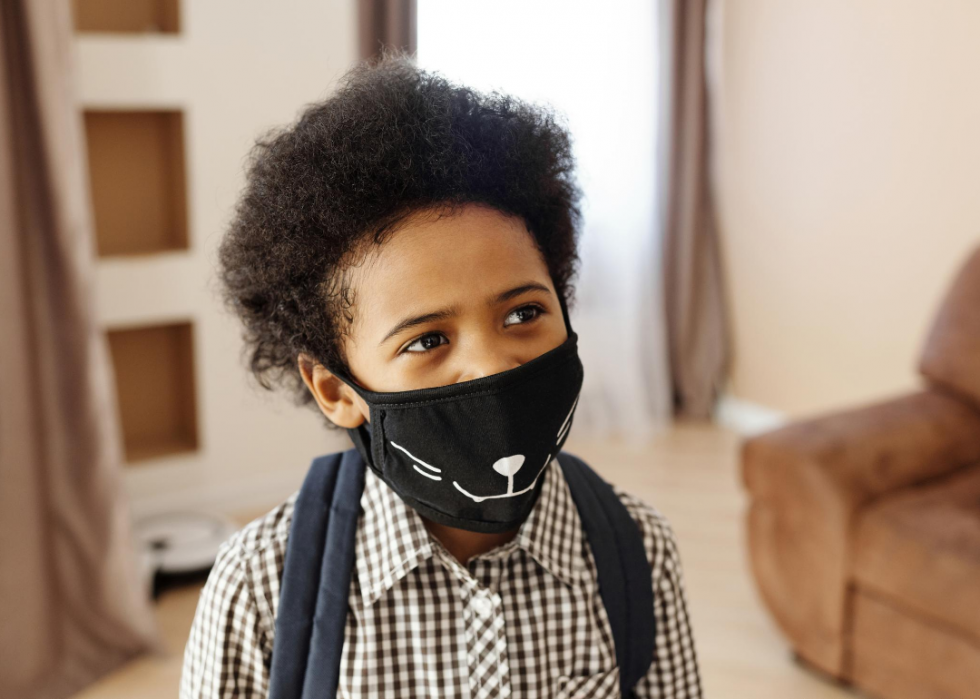
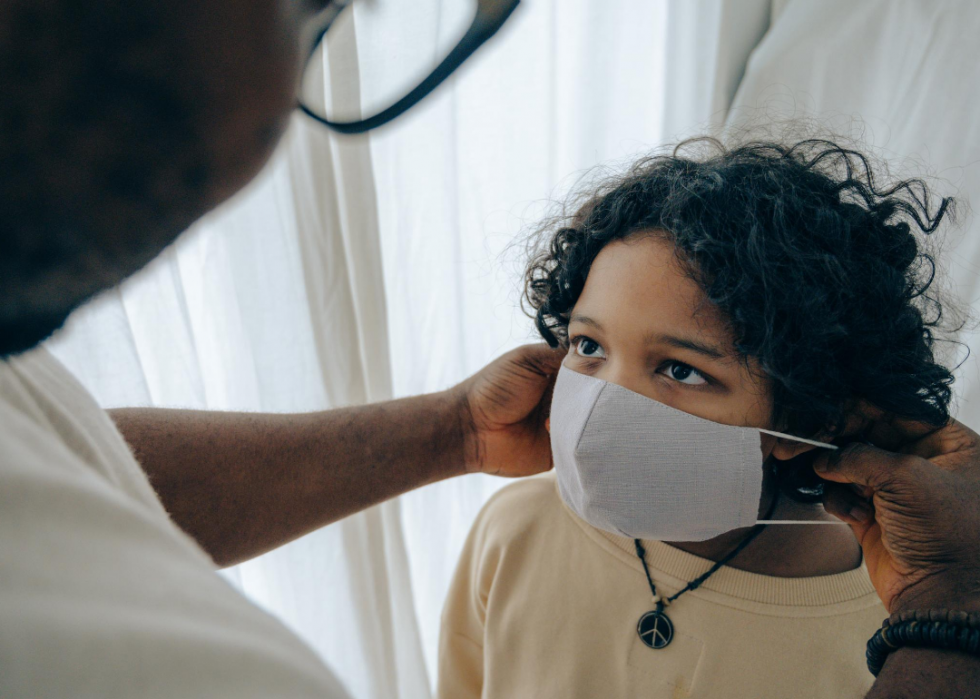
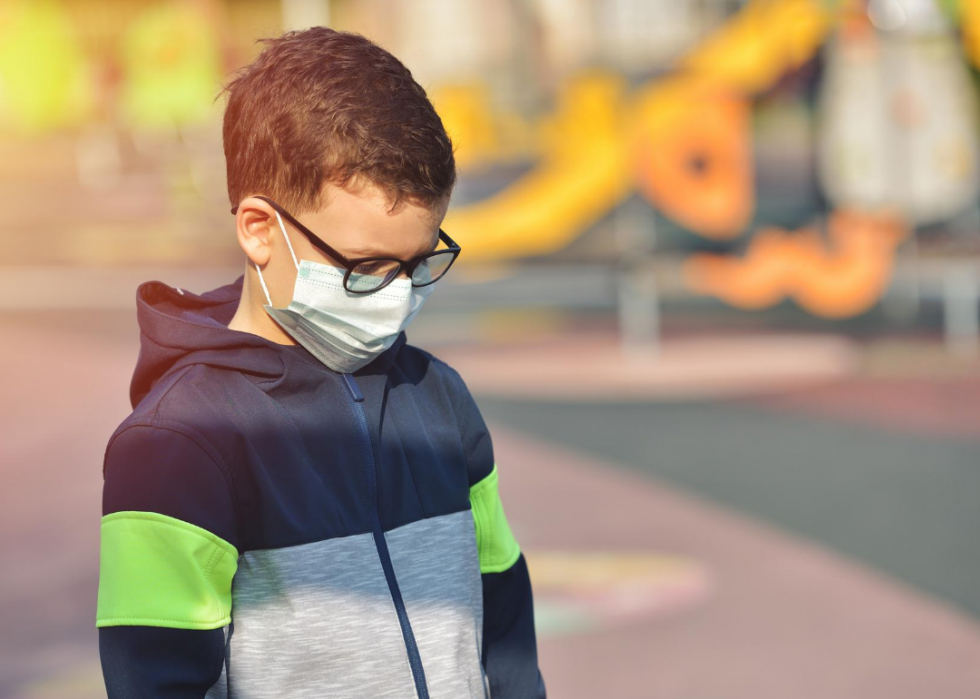
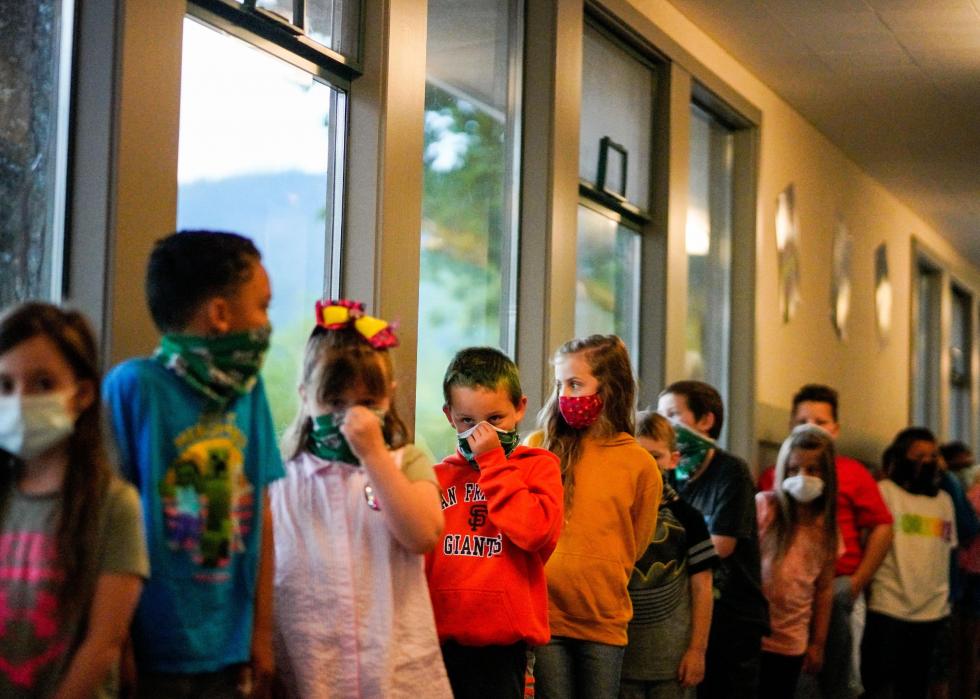
The CDC recommends face coverings for children 2 years and older

As difficult as it may be to make a toddler properly wear a face mask, the CDC 2 years and older. Masks should be worn in public spaces where it is challenging to practice social distancing and should cover their mouth and nose.

13 / 22
Canva

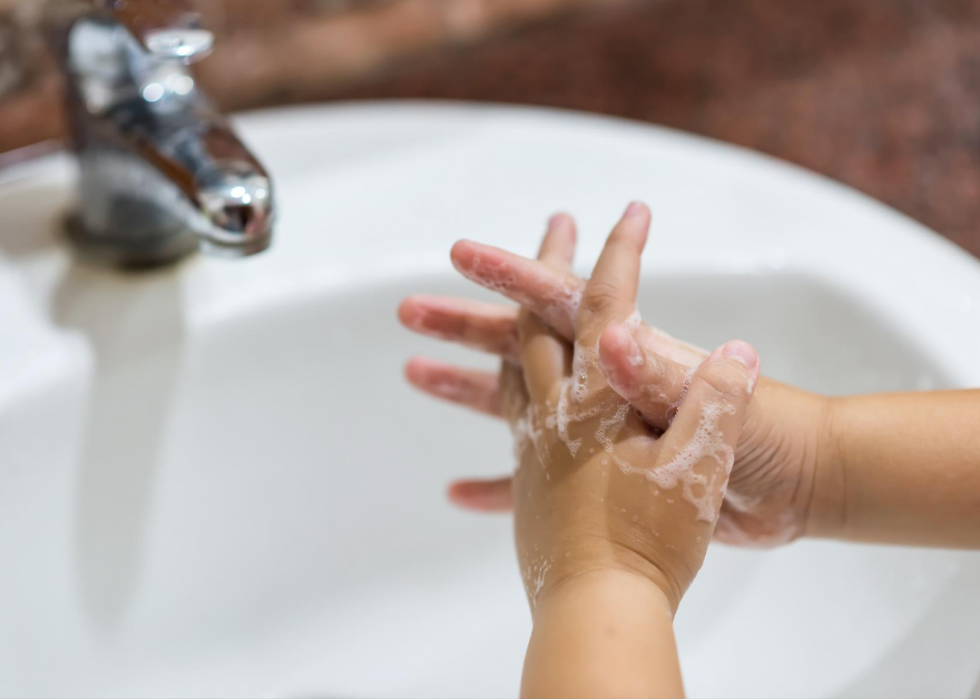
Children should practice everyday preventative behaviors just like adults

In addition to wearing face masks, the as adults. This means keeping a distance of 6 feet or more between kids and other people, despite how difficult that may be to enforce with younger children. Parents and caregivers should also try to disinfect high-touch surfaces in high-traffic areas every day, wash toys (including plush ones) when possible, and encourage thorough and frequent handwashing.

14 / 22
Canva

Outdoor activities are safer for children

It鈥檚 always beneficial to encourage children to spend time outside鈥攖hat may be even more true during the pandemic. The CDC suggests infrequent playdates held outdoors still pose a , but it is preferable to indoor playdates with less ventilation where it鈥檚 also more difficult to ensure social distancing between kids.

15 / 22
Canva

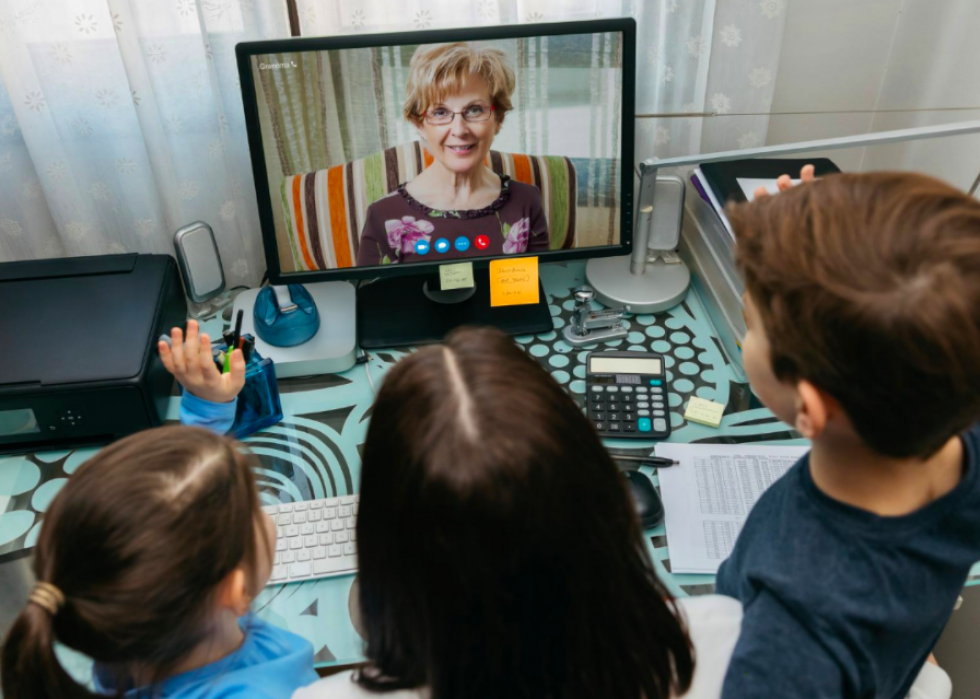
Children should avoid visiting older family members if possible

It is well documented that older people are at higher risk of more severe cases of COVID-19 and health officials highly recommend that . While this poses extra challenges for parents who rely on grandparents for childcare鈥攁nd multigenerational households鈥攖he fact that children are more likely to be asymptomatic makes this guideline all the more vital.

16 / 22
Canva

Statewide school closures in spring 2020 were associated with decreased COVID-19 cases and deaths

The decision to close schools was a controversial one, but a study published July 29 in the found over a period of 26 days, there could have been had schools not decided to close. The study鈥檚 authors note that this connection does not prove cause and effect, but it does illustrate a connection between school closures and reduced case counts.

17 / 22
Canva

Schools may be safely reopened if community transmission is low

In countries that successfully slowed the spread and control of outbreaks鈥攍ike South Korea, Finland, New Zealand, and Vietnam鈥 in new outbreaks. This is because those countries have low levels of community transmission. The U.S., meanwhile, has comparatively much higher levels of community transmission.

18 / 22
Canva

Major outbreaks have been associated with school reopening in some countries

Some countries, however, when schools reopened. Canada, Chile, France, and Israel reported outbreaks when children returned to schools. In the case of Israel, which reopened schools with few mitigating measures such as distancing and masks, school-based cases were high enough to increase community transmission.

19 / 22
Canva

3.3 million seniors live in households with school-age children

About , exacerbating the already complex issue of safely reopening schools. While children have proven to be statistically less infected by COVID-19 and do not represent chief means of transmission in communities, there is the potential for a child to contract COVID-19 at school and transmit it at home to a family member.

20 / 22
Canva

Nearly 1.5 million teachers are vulnerable to serious illness if infected with COVID-19

While children are infected and hospitalized at significantly lower rates than adults, school reopening must still take into account the adults who work in the buildings. Of the teachers and other instructors in the U.S., one in four have a condition that puts them at elevated risk for serious illness should they contract COVID-19. That's who are potentially at risk by returning to schools to work.

21 / 22
John Lamparski // Getty Images

Rate of COVID-19 in children steadily increasing

A reported that the rate of COVID-19 cases among American children has been "steadily increasing" from March to July 2020. The CDC noted that, while children still comprise a small fraction of U.S. cases, lack of widespread testing for kids and the prioritization of testing those with severe symptoms has likely led to underreporting.

22 / 22
Kent Nishimura / Los Angeles Times via Getty Images

Over 4,000 cases connected to US schools

A and now monitored by the National Education Association found that have seen 4,282 cases and 75 deaths since March 1. These figures reflect cases and deaths reported in news outlets, and likely reflect a significant undercount of the impact schools have had on America's COVID-19 outbreaks thus far.

Trending Now